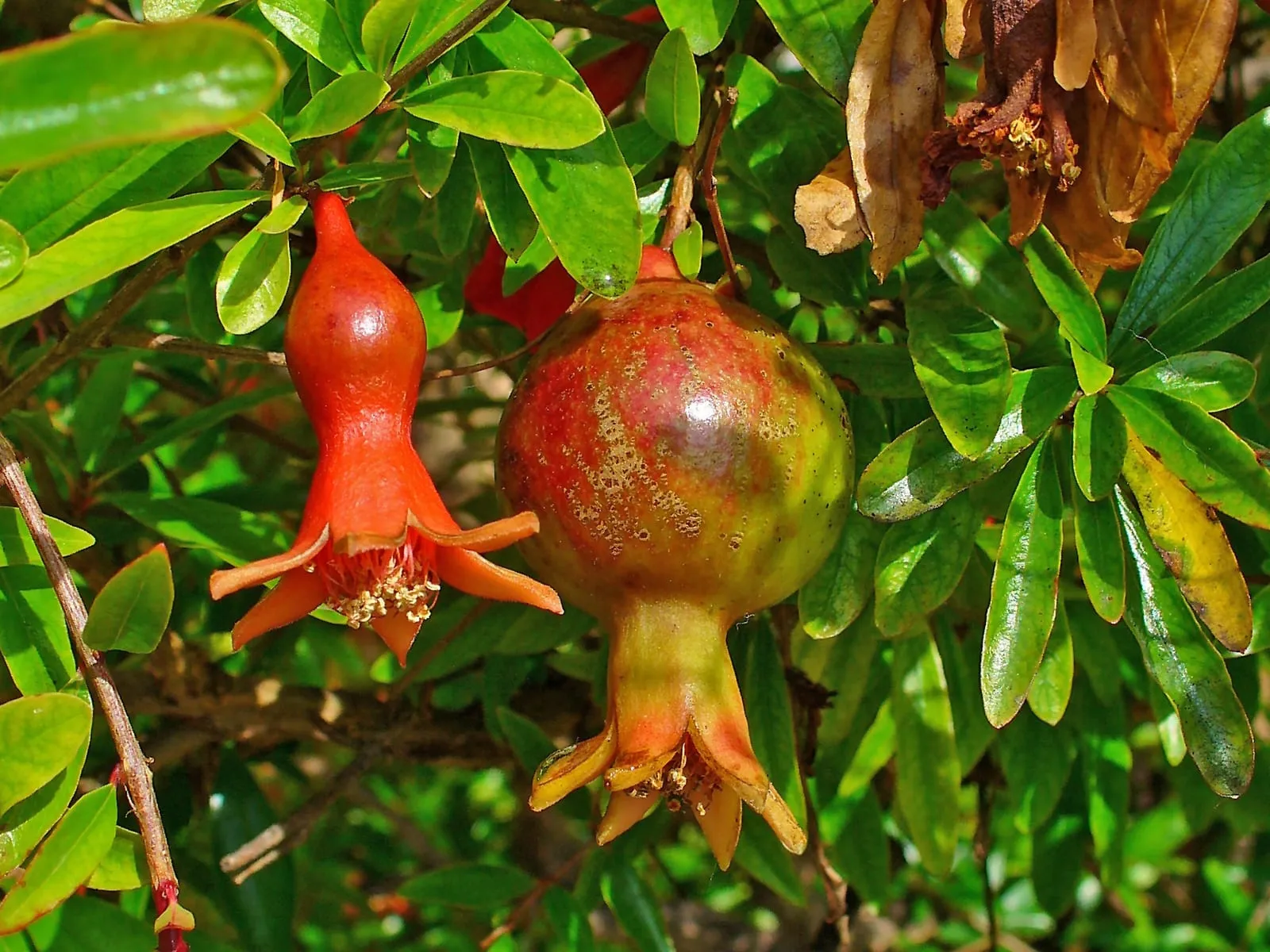
fruit tree in zone 7b
Growing pomegranate in zone 7b
Punica granatum
- Zone
- 7b 5°F to 10°F
- Growing season
- 220 days
- Chill needed
- 100 to 200 below 45°F
- Suitable varieties
- 2
- Days to harvest
- 150 to 215
The verdict
Zone 7b sits at the northern edge of reliable pomegranate production, but it is not a marginal zone in the way that zone 6 would be. The crop's chill-hour requirement of 100 to 200 hours is easily met across most of the zone, and the 220-day growing season is sufficient for fruit to reach full maturity before first frost. The binding constraint is cold hardiness: established pomegranate wood can be damaged when temperatures drop below about 10°F, and zone 7b sees minimums of 5 to 10°F. In a typical winter, most wood survives intact. In a hard winter, tip dieback is common and occasional stem dieback can occur on less hardy selections. Varieties bred or selected for cold tolerance, specifically Salavatski and Kazake, perform substantially better than ornamental or Gulf Coast types. On a south-facing or sheltered site, zone 7b functions as a genuine sweet spot for these two varieties rather than a stretch.
Recommended varieties for zone 7b
2 cultivars suited to this zone, with disease-resistance and zone-fit annotations.
| Variety | Notes | Zone fit | Disease resistance |
|---|---|---|---|
| Salavatski fits zone 7b | Sweet-tart, large pink-red arils with a softer seed than Wonderful; fresh, juice. Cold-hardy Russian variety extends pomegranate to zone 7b. | | none noted |
| Kazake fits zone 7b | Sweet, soft seeds, pink arils; pleasant fresh eating. Cold-hardy Russian heirloom; less commercial appeal but good for backyard growers in cooler zones. | | none noted |
Critical timing for zone 7b
Pomegranate breaks dormancy and begins producing its distinctive tubular blooms in late May through June in zone 7b, well after the region's average last frost date in mid-April. The late bloom window is an advantage: spring frost damage to open flowers is uncommon. Fruit set follows bloom, with harvest typically falling between late September and late October depending on variety. Salavatski tends to ripen earlier than many selections, which matters in zone 7b where the first frost arrives in late October to early November. A 220-day growing season gives the fruit adequate time to develop full sugar content without a tight finish. In years with an early October frost, some fruit may be caught slightly underripe, but this is not a consistent problem.
Common challenges in zone 7b
- ▸ Cedar-apple rust pressure heavy in piedmont
- ▸ Japanese beetles
- ▸ Brown marmorated stink bug
- ▸ Late summer disease pressure
Disease pressure to watch for
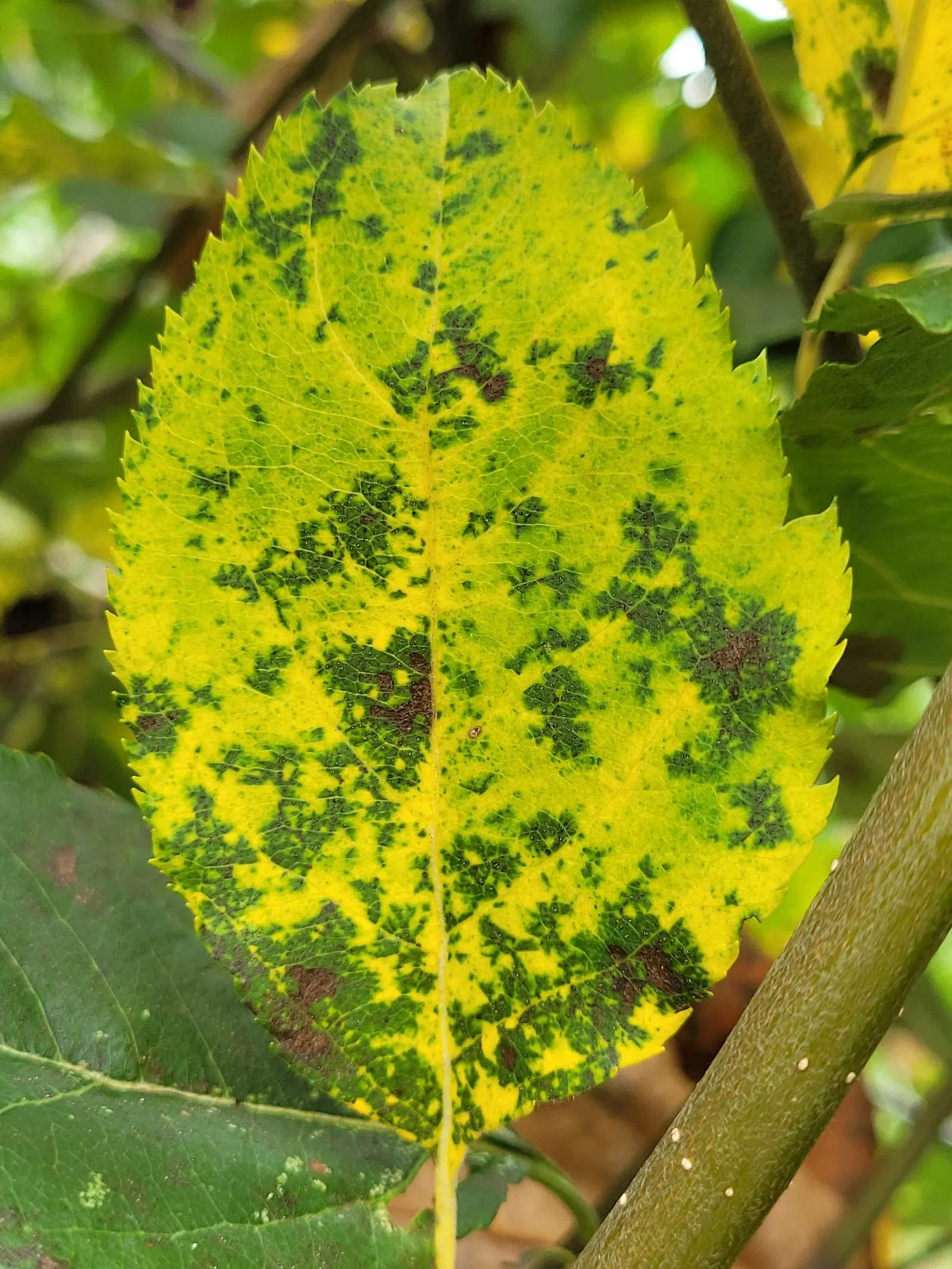
Modified care for zone 7b
The primary adjustment for zone 7b is winter siting. Planting against a south-facing masonry wall or fence raises the effective microclimate by several degrees and accelerates spring warmth, both of which benefit wood hardiness and early bloom. Mulching the root zone heavily before the first hard freeze reduces root stress. In harsh winters, some tip dieback should be expected and pruned out in early spring once growth resumes. Japanese beetles and brown marmorated stink bugs are active feeders on pomegranate foliage and developing fruit from midsummer onward; physical exclusion netting over individual fruit clusters is the most effective low-spray strategy. Pomegranate Leaf Blotch (caused by Alternaria alternata) tends to increase during the late summer humid periods characteristic of the piedmont; improving airflow through open-center pruning reduces its severity.
Frequently asked questions
- Can pomegranate survive a zone 7b winter without protection?
Established plants with cold-hardy varieties like Salavatski or Kazake generally survive typical zone 7b winters with minor tip dieback. In years where temperatures drop to the zone minimum of 5°F, more significant stem dieback can occur. A south-facing site and heavy root mulch reduce the risk considerably.
- Which pomegranate varieties are most reliable in zone 7b?
Salavatski and Kazake have the strongest track record in zone 7b. Both were selected or originated in climates with cold winters and tolerate temperatures that damage ornamental or Gulf Coast varieties. Avoid varieties bred for zones 8 and warmer.
- Will pomegranate fruit fully ripen in zone 7b?
Yes, in most years. The 220-day growing season provides enough time for varieties like Salavatski to reach full maturity by mid to late October. An unusually early frost can catch fruit slightly underripe, but this is not a reliable annual problem.
- Does pomegranate need a pollinator plant in zone 7b?
Pomegranate is largely self-fertile. A single plant will set fruit without a second variety nearby. Planting two varieties can modestly improve yield through cross-pollination, but it is not a requirement.
+−
+−
+−
+−
Pomegranate in adjacent zones
Image: "Punica granatum 004", by H. Zell, via Wikimedia Commons, licensed under CC-BY Source.

Related