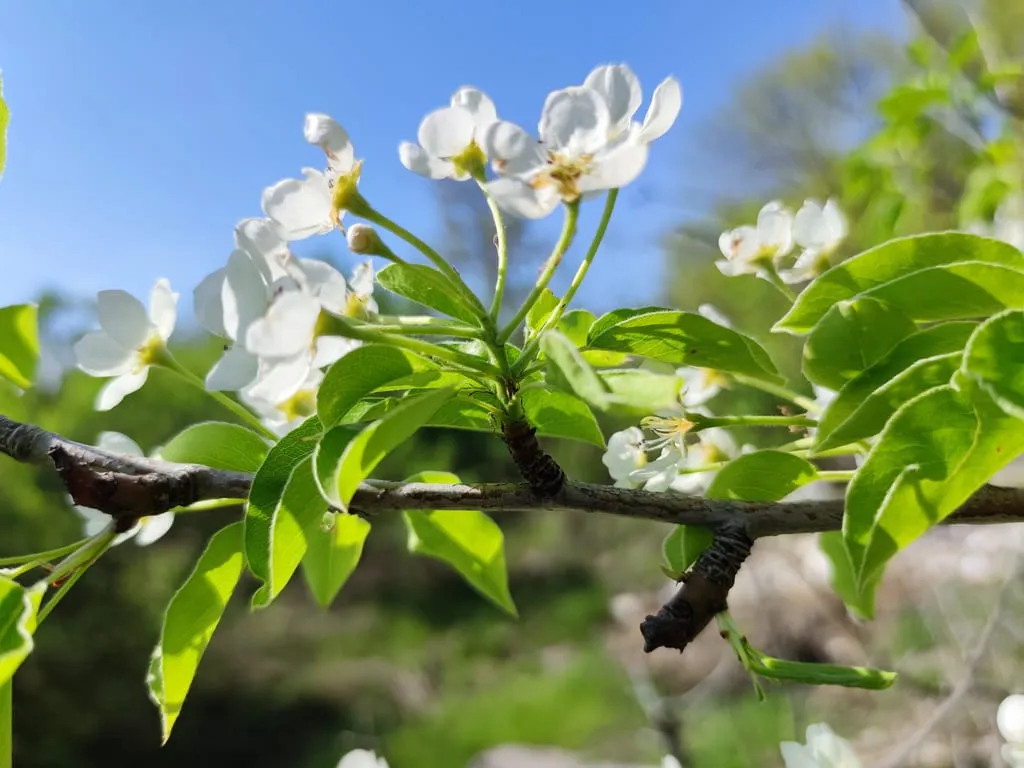
fruit tree in zone 8a
Growing pear in zone 8a
Pyrus communis
- Zone
- 8a 10°F to 15°F
- Growing season
- 240 days
- Chill needed
- 600 to 900 below 45°F
- Suitable varieties
- 2
- Days to harvest
- 115 to 165
The verdict
Zone 8a sits at the warm edge of pear's viable range, and chill-hour accumulation is the deciding factor. Most pear varieties require 600 to 900 chill hours (hours below 45°F), and zone 8a typically accumulates somewhere in the 400 to 700-hour range depending on elevation, proximity to the coast, and year-to-year winter variation. That overlap is real but narrow.
Moonglow and Kieffer are the practical choices here. Kieffer is notably heat-tolerant and performs reliably in warm climates, though the fruit quality is considered utilitarian rather than exceptional. Moonglow is a better-eating variety that sits at the lower end of the chill-hour requirement and tends to hold up reasonably well. Higher-chill varieties common in zone 6 or 7 plantings (Bartlett, Bosc, Anjou) are poor fits and will underperform in most zone 8a winters. Growers in the warmest parts of the zone should check local chill-hour records before planting rather than relying on zone averages.
Recommended varieties for zone 8a
2 cultivars suited to this zone, with disease-resistance and zone-fit annotations.
| Variety | Notes | Zone fit | Disease resistance |
|---|---|---|---|
| Moonglow fits zone 8a | Mild, sweet, soft and juicy when ripe; good fresh and for canning. Fire-blight resistant. Often planted as the pollinator for Magness. | |
|
| Kieffer fits zone 8a | Crisp, gritty, mildly sweet, yellow-skinned; a tough cooking and canning pear, not great fresh. Holds shape in preserves and pear butter. Productive in heat. | |
|
Critical timing for zone 8a
Pear trees in zone 8a typically break dormancy and begin blooming in late February to mid-March, earlier than in cooler zones. The 240-day growing season provides ample time for fruit development, but early bloom creates real frost exposure risk. A late frost in late February or early March, which zone 8a can see, is capable of damaging open blossoms and reducing or eliminating the season's crop.
Harvest timing depends on the variety. Moonglow typically ripens in late July to August. Kieffer runs later, often September into October. Both are harvested before fully ripe and allowed to ripen off the tree, which is standard practice for pears. The long warm season in zone 8a supports full sugar development, which is a genuine advantage for late-ripening varieties like Kieffer.
Common challenges in zone 8a
- ▸ Insufficient chill hours for some apple varieties
- ▸ Pierce's disease in grapes
- ▸ Heat stress on cool-season crops
Disease pressure to watch for
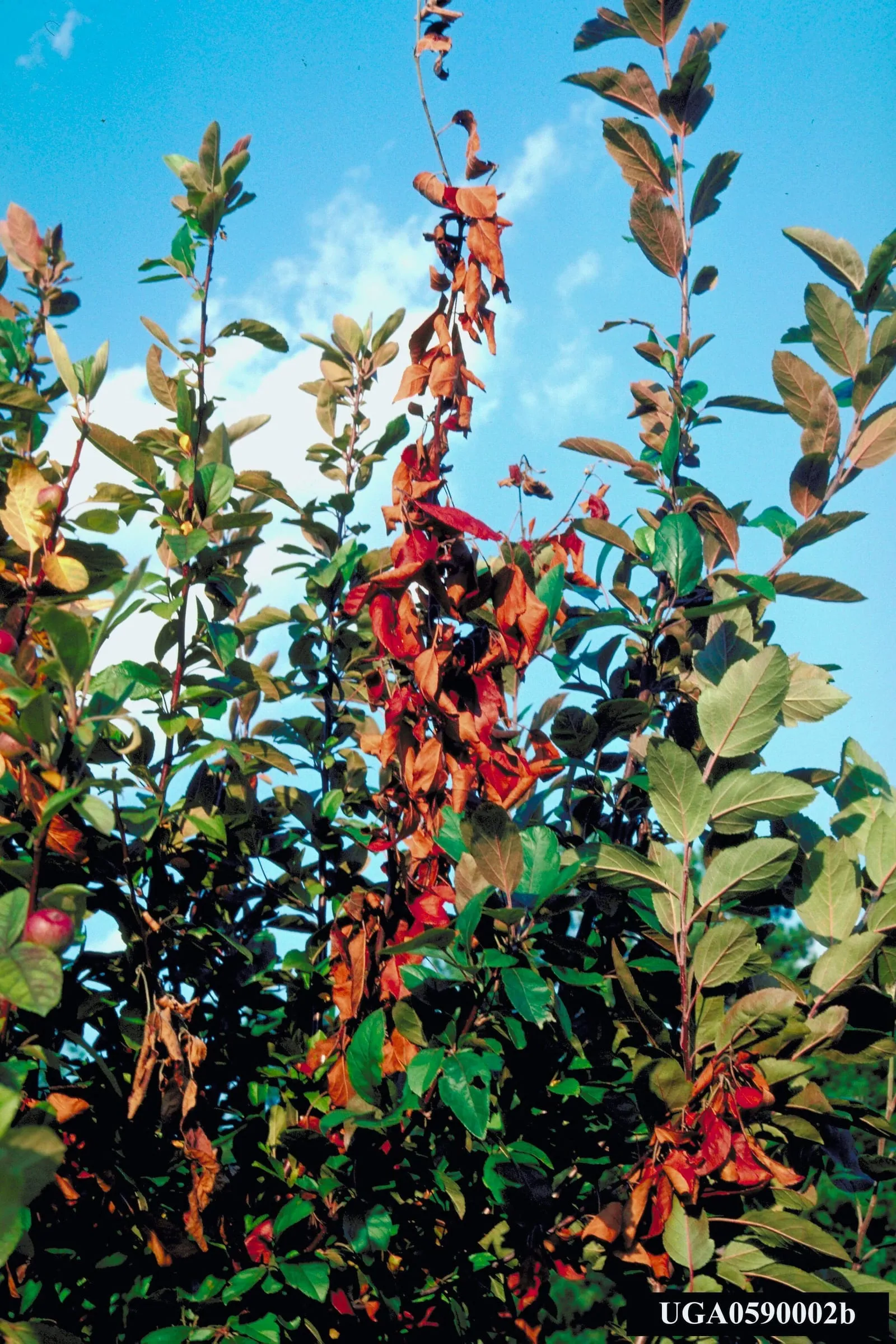
Erwinia amylovora
Devastating bacterial disease that can kill trees rapidly. Most severe in warm wet springs.
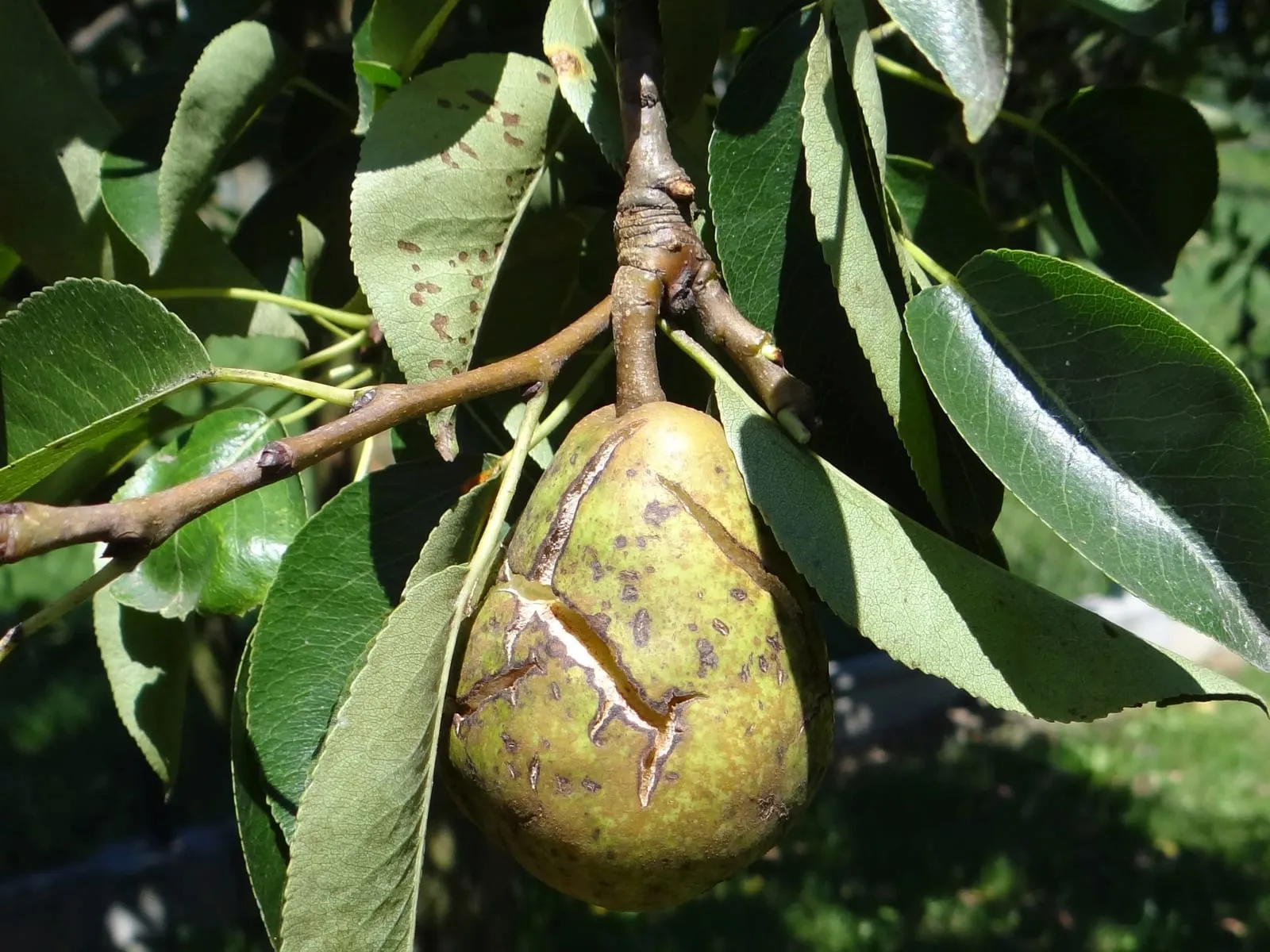
Venturia pyrina
Fungal disease similar to apple scab but specific to pear, causing leaf and fruit lesions.
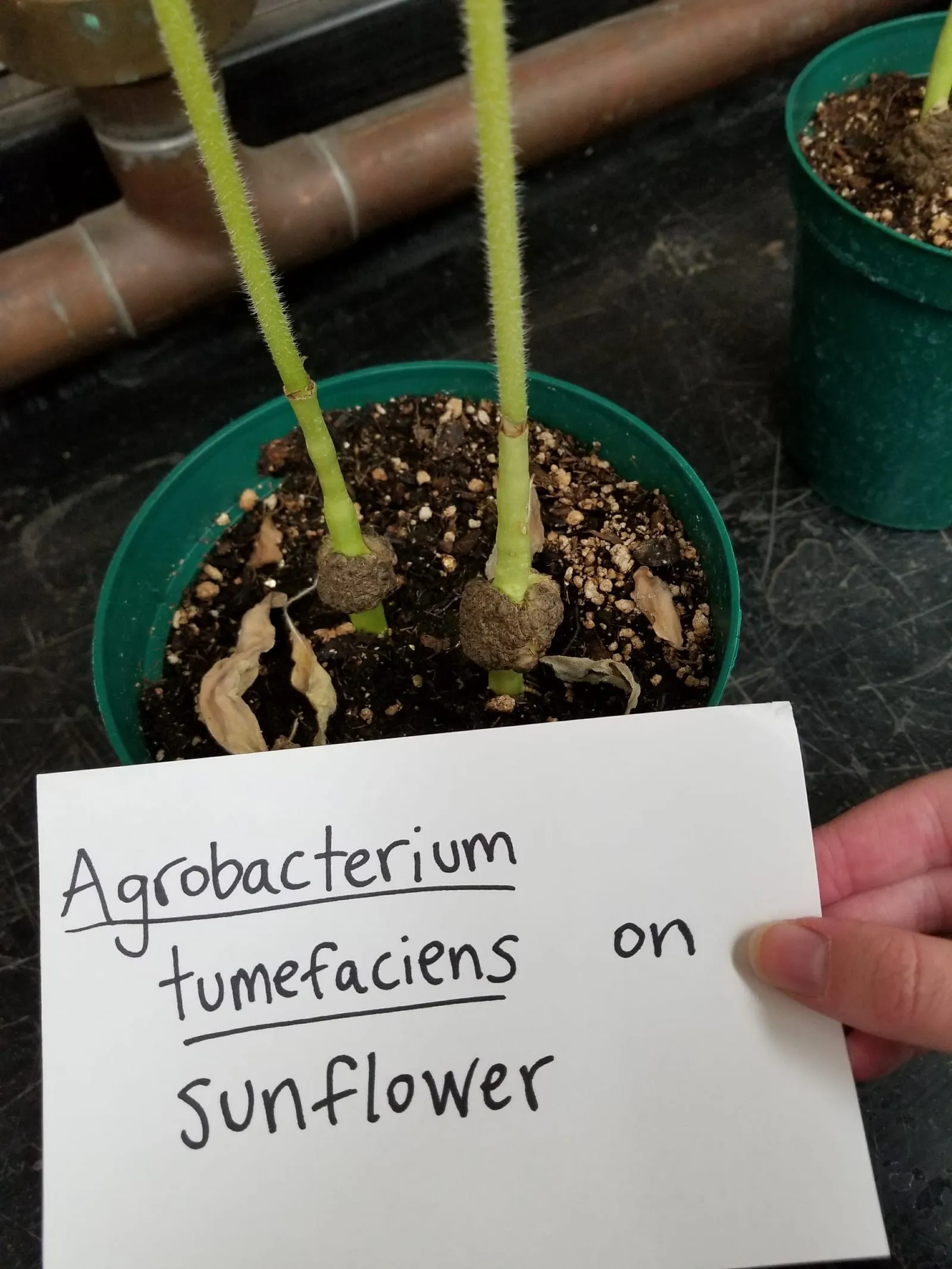
Agrobacterium tumefaciens
Soil-borne bacterium that enters plants through wounds and induces tumor-like galls on roots, crown, and lower stems. Galls reduce vigor and shorten plant lifespan; on Rubus the disease is often fatal.
Modified care for zone 8a
Fire blight is the primary disease concern in zone 8a, and the warm, humid springs typical of many zone 8a regions create favorable conditions for bacterial spread during bloom. Copper-based sprays applied at early bloom and repeated after rain events are a standard management approach. Kieffer carries moderate fire blight resistance; Moonglow is more susceptible. Removing infected wood promptly, sterilizing pruning tools between cuts, and avoiding excess nitrogen fertilization (which promotes the succulent growth blight targets) are all worth the effort here.
Pear scab is a secondary concern. It responds well to the same copper programs used for fire blight management, so separate spray applications are generally not required.
In zone 8a's warmest pockets, summer heat stress can affect fruit sizing and skin finish on Moonglow. Consistent irrigation during fruit swell, particularly in July and August, reduces this. Kieffer is substantially more heat-tolerant and typically needs less intervention.
Frequently asked questions
- Can you grow European pears in zone 8a?
Most European pear varieties need 700 to 900 chill hours and are poorly matched to zone 8a winters. Moonglow is a partial exception with lower chill requirements and acceptable eating quality. Asian pears generally have lower chill requirements and are worth considering as an alternative or complement.
- Why does Kieffer pear show up so often in zone 8a recommendations?
Kieffer is a hybrid with Asian pear genetics, which gives it heat tolerance, low chill-hour requirements (around 350 hours), and solid fire blight resistance. The trade-off is fruit quality, which is coarse-textured and better suited to canning or preserves than fresh eating.
- How serious is fire blight for zone 8a pear growers?
Serious. Warm temperatures and spring rainfall create near-ideal infection conditions during bloom. A single unmanaged infection can spread rapidly and kill entire scaffold limbs or young trees. Preventive copper sprays during bloom and rigorous pruning of infected wood are not optional in this zone.
- When should pears be harvested in zone 8a?
Pears are picked before fully ripe and ripened indoors. In zone 8a, Moonglow typically reaches harvest maturity in late July to August; Kieffer in September to October. The test is pressure: the flesh near the stem should yield slightly to thumb pressure, and seeds should be brown.
+−
+−
+−
+−
Pear in adjacent zones
Image: "Груша обыкновенная", by Vasily Moryashkin, via iNaturalist, licensed under CC-BY Source.
Related