USDA hardiness zone
Zone 3a
Far-north growing zone with very short summers and severe winter cold.
On the zone ramp
- Lowest winter temp
- -40°F to -35°F USDA boundary
- Growing season
- 90 days
- Avg chill hours
- ~1300 below 45°F
- Hardiness rank
- 5 of 26 cold side
- Compatible crops
- 30
- Sample region
- Interior Alaska
Growing in zone 3a
Zone 3a is one of the most demanding growing environments in the contiguous United States and Alaska. Winter minimum temperatures routinely fall between -40°F and -35°F, and the growing season averages around 90 days, roughly June through August in most locations. Interior Alaska, northern Minnesota, and northern North Dakota make up the bulk of zone 3a territory.
The binding constraints here are season length and winter cold, in that order. Many crops that tolerate cold winters simply cannot mature before the first fall frost arrives. Fruit trees face an additional hurdle: most standard varieties require a longer frost-free window than zone 3a reliably provides, and bloom times that align with spring weather elsewhere are routinely wiped out by late frosts in June.
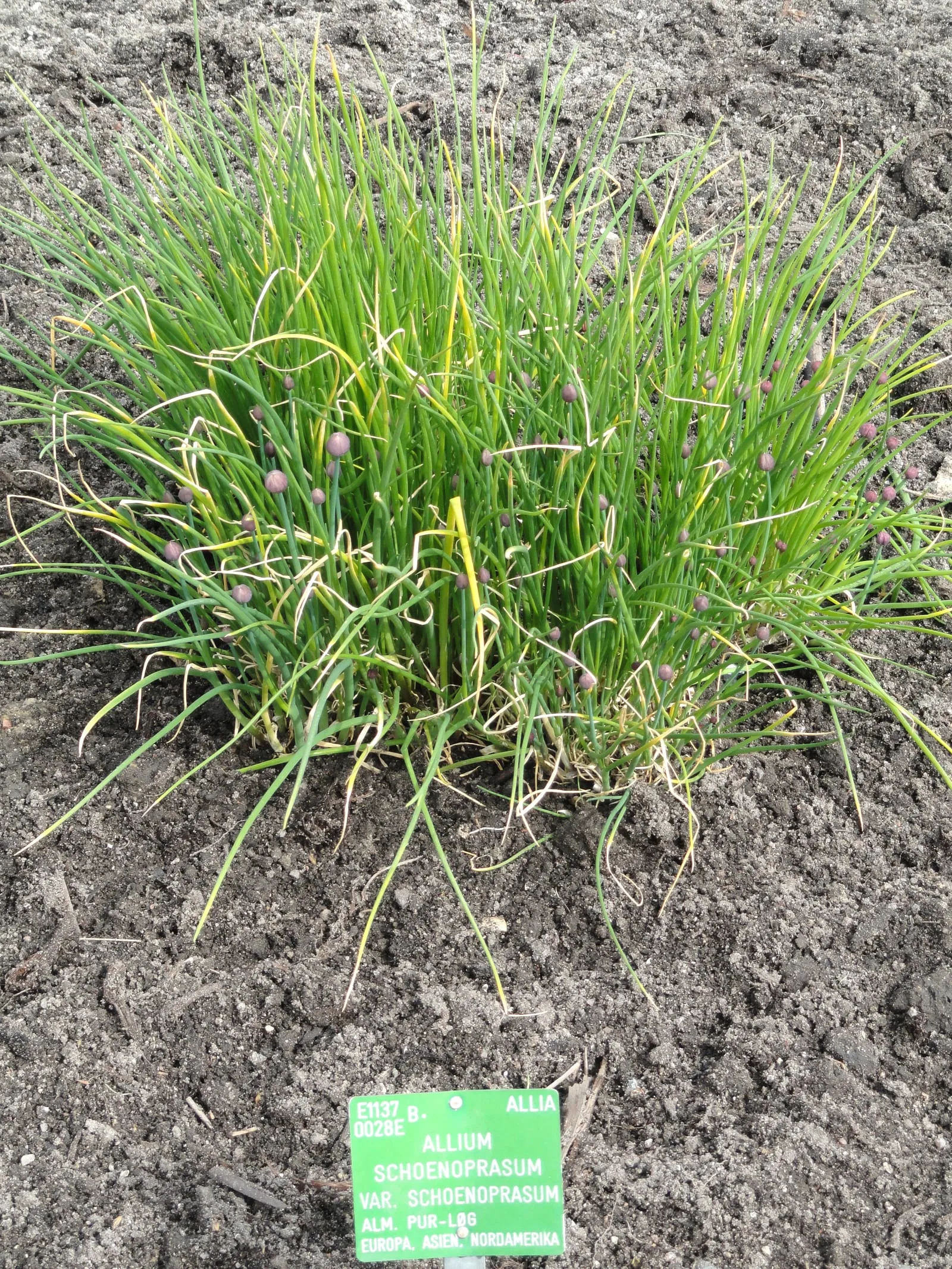
What does thrive? Cold-hardy apple varieties bred specifically for northern climates are the standout tree fruit option. Hardy perennials like chives, rhubarb, and cold-hardy currants and gooseberries handle zone 3a winters reliably. Annual vegetables with short days-to-maturity form the backbone of zone 3a kitchen gardens: radishes, spinach, lettuce, kale, and early-maturing determinate tomatoes started indoors 8 to 10 weeks before transplant.
Frost timing in zone 3a
Last spring frost in zone 3a typically falls between late May and mid-June, depending on location and elevation. First fall frost often arrives in late August or early September, compressing the frost-free window to 80 to 100 days in most years, with some sites averaging fewer.
For vegetable growers, the fall frost date sets a hard harvest deadline. For fruit growers, the spring date is the more consequential number. Most fruit trees bloom in April or May across warmer zones, well before zone 3a is reliably frost-free. A late frost after bloom kills the flowers before pollination, eliminating the entire fruit crop for that year regardless of whether the trees themselves survive the winter.
Varieties bred for northern climates address this in two ways: delayed bloom time and rapid fruit development after pollination. Apple varieties like Haralson and Norland were selected for exactly this combination. Standard commercial varieties bred for zones 5 through 7 are generally unsuitable in zone 3a, not because the trees die, but because their bloom timing does not align with the frost calendar.
Common challenges
- ▸ Very short growing season
- ▸ Late spring frosts
- ▸ Limited fruit-tree options
- ▸ Heavy mulching required
Best practices
Heavy mulching is not optional in zone 3a. Applying 8 to 12 inches of straw, wood chips, or shredded leaves over root zones before the ground freezes prevents soil heave and protects shallow-rooted perennials through -40°F winters. Pull mulch back from crowns gradually in spring to avoid crown rot as temperatures rise.
Season extension pays outsized dividends at these latitudes. Cold frames, low tunnels, and simple plastic row covers can add 3 to 4 weeks to the effective growing season, enough to make the difference between a full harvest and a failed crop for short-season vegetables. Starting transplants indoors 8 to 10 weeks before last frost is standard practice, not a precaution.
Variety selection is the highest-leverage decision a zone 3a grower makes. Choosing a variety rated for zone 4 when zone 3 options exist is a predictable failure mode. For apples specifically, varieties developed by the University of Minnesota and Agriculture and Agri-Food Canada breeding programs carry decades of zone 3 performance data behind them, which commercial nursery catalogs often do not.
What to grow in zone 3a
30 crops from our database fit zone 3a, grouped by type. Click through for zone-specific variety recommendations.
Berries
12 crops
 zone 3a
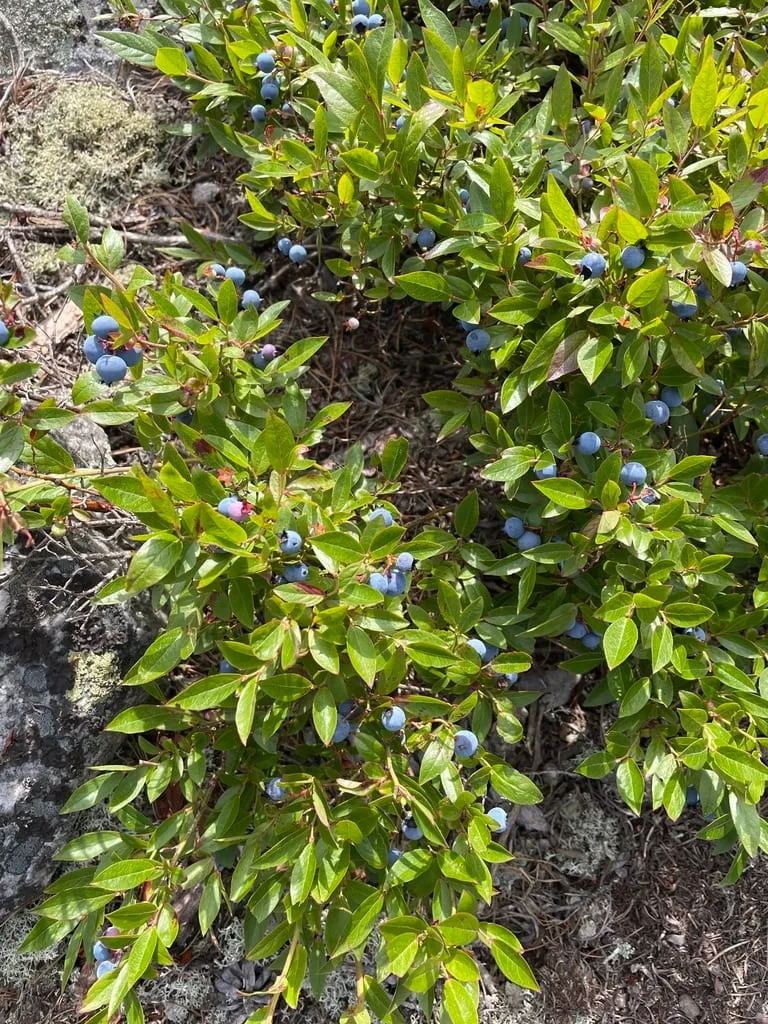
 Lowbush Blueberry
Vaccinium angustifolium
zones 3a–6b
 zone 3a
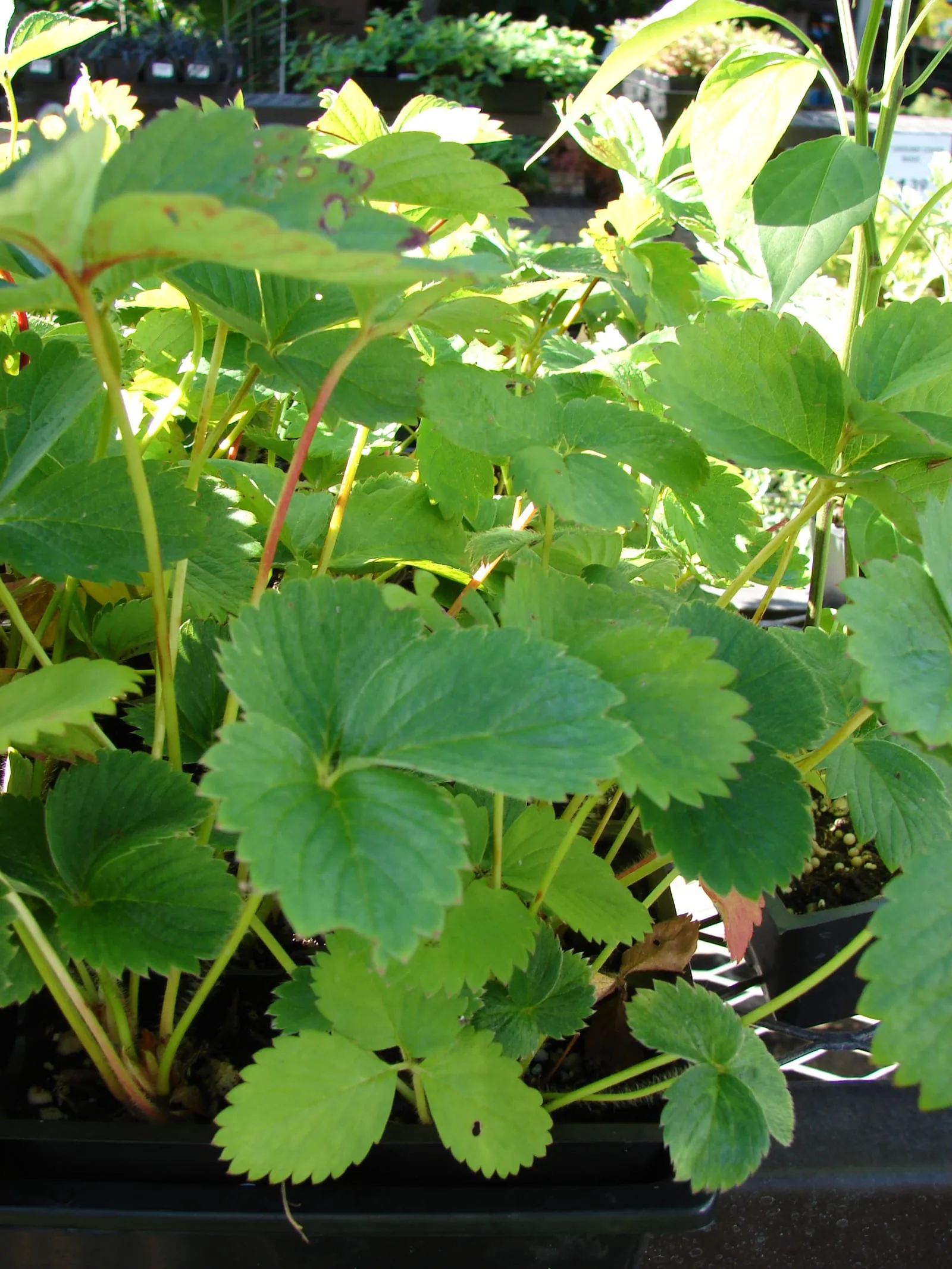
 June-Bearing Strawberry
Fragaria x ananassa
zones 3a–8b
 zone 3a
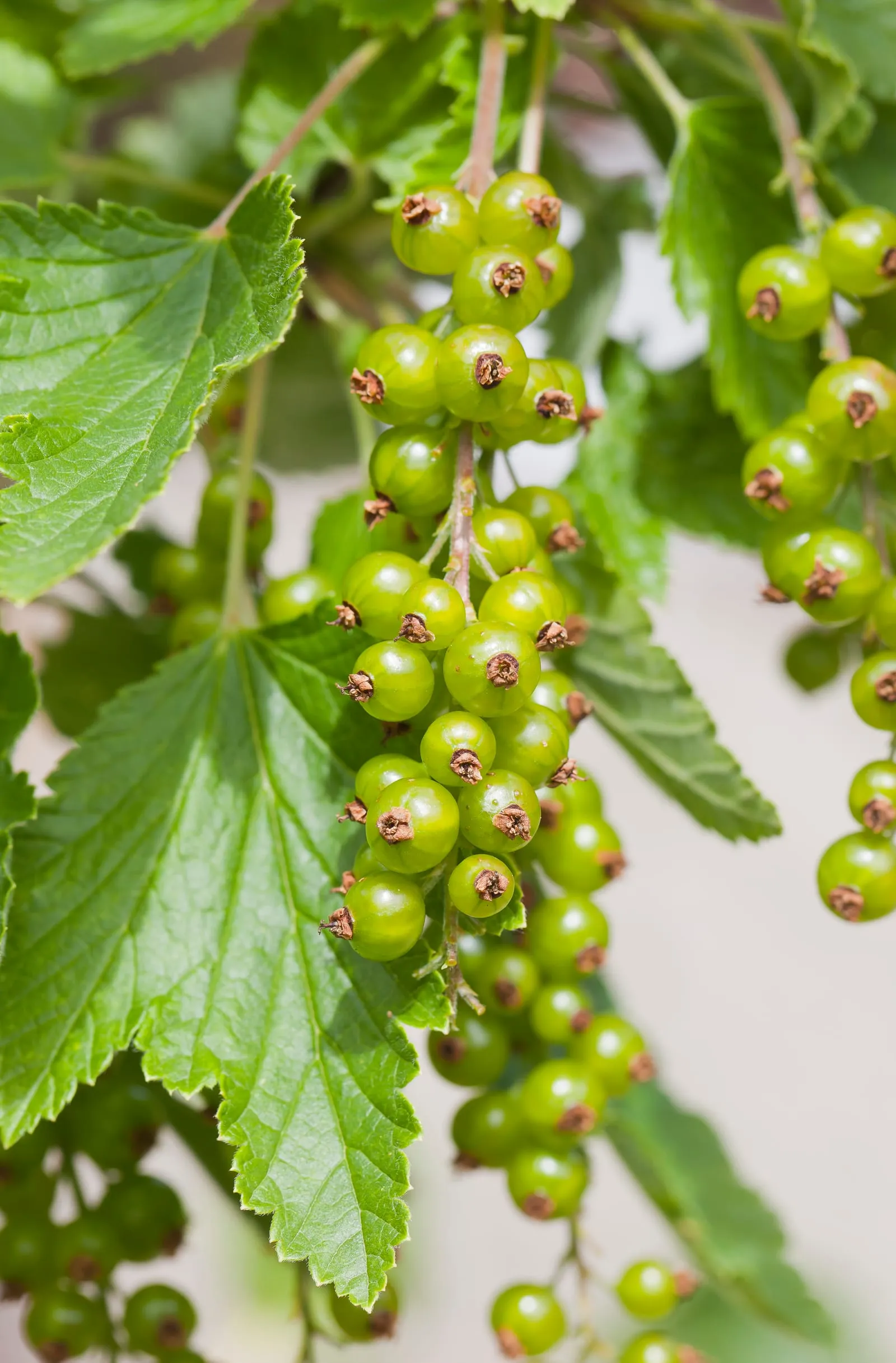
 Red Currant
Ribes rubrum
zones 3a–7a
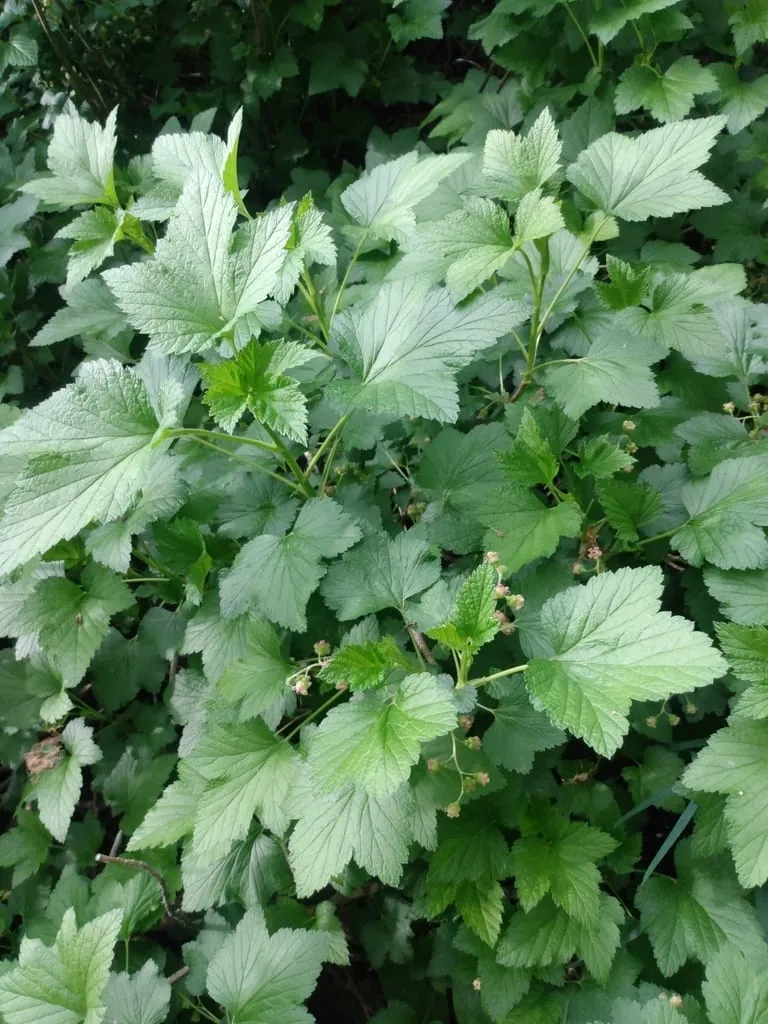 zone 3a
 Black Currant
Ribes nigrum
zones 3a–7a
zone 3a White Currant
Ribes rubrum
zones 3a–7a
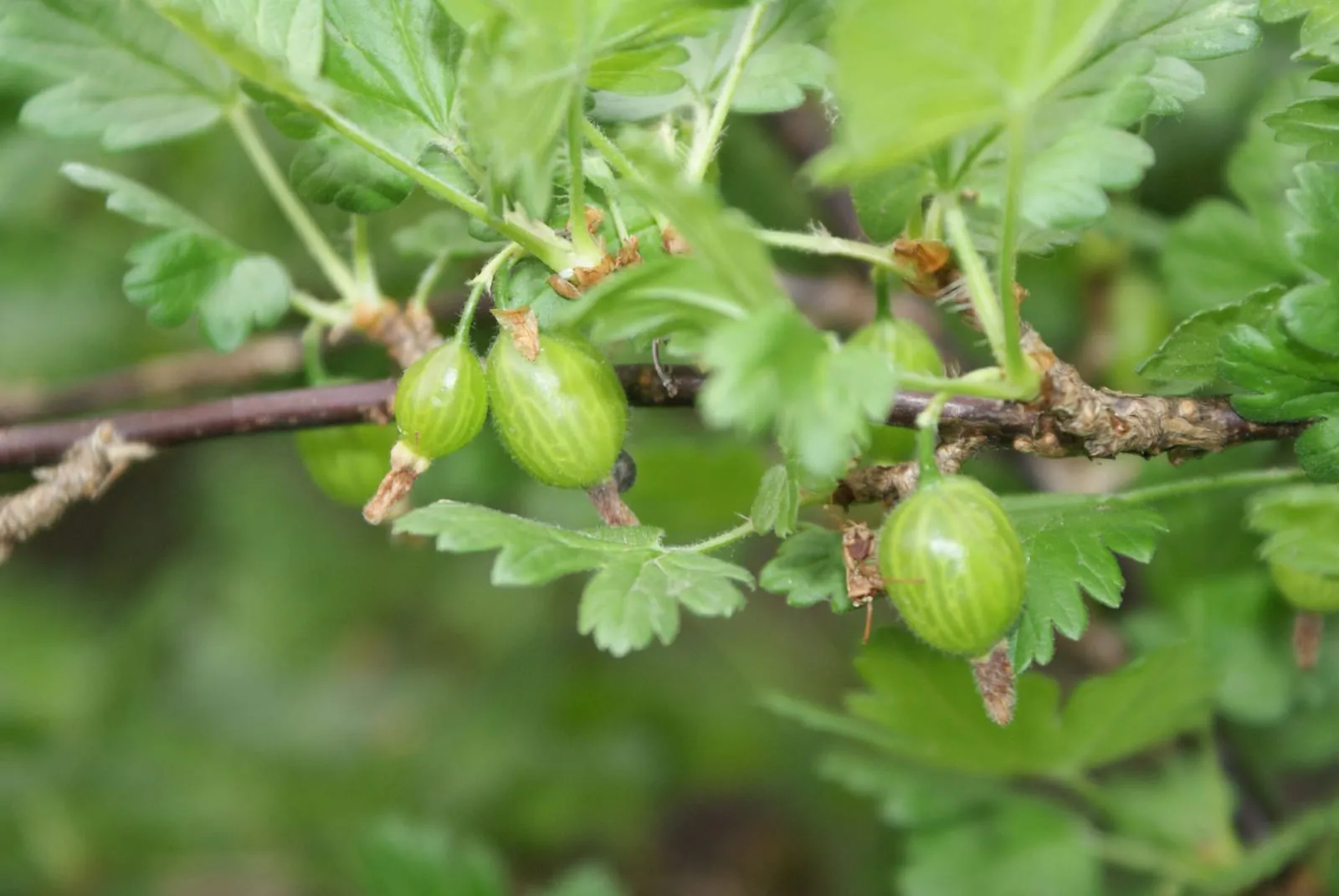 zone 3a
 Gooseberry
Ribes uva-crispa
zones 3a–7b
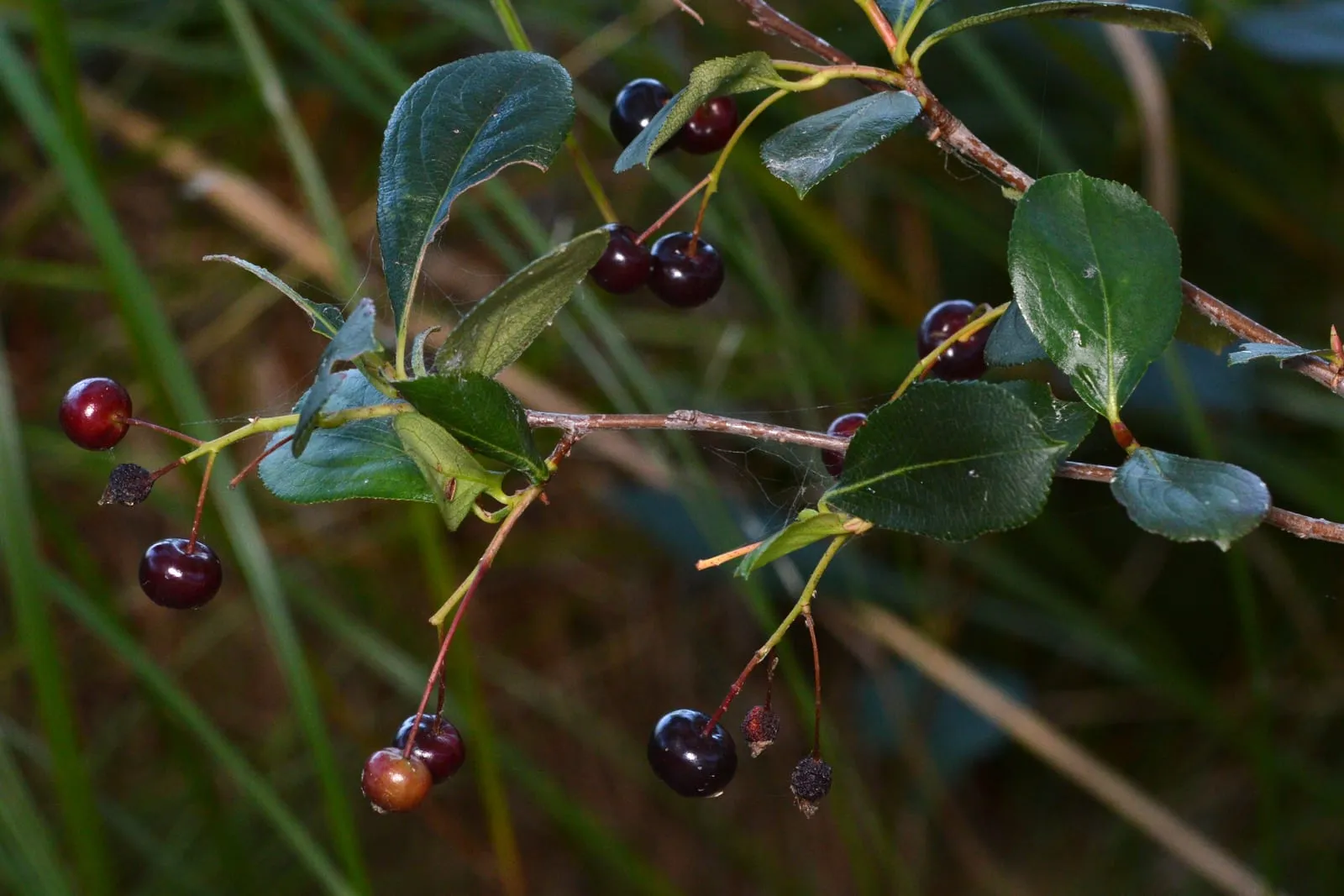 zone 3a
 Aronia (Black Chokeberry)
Aronia melanocarpa
zones 3a–8a
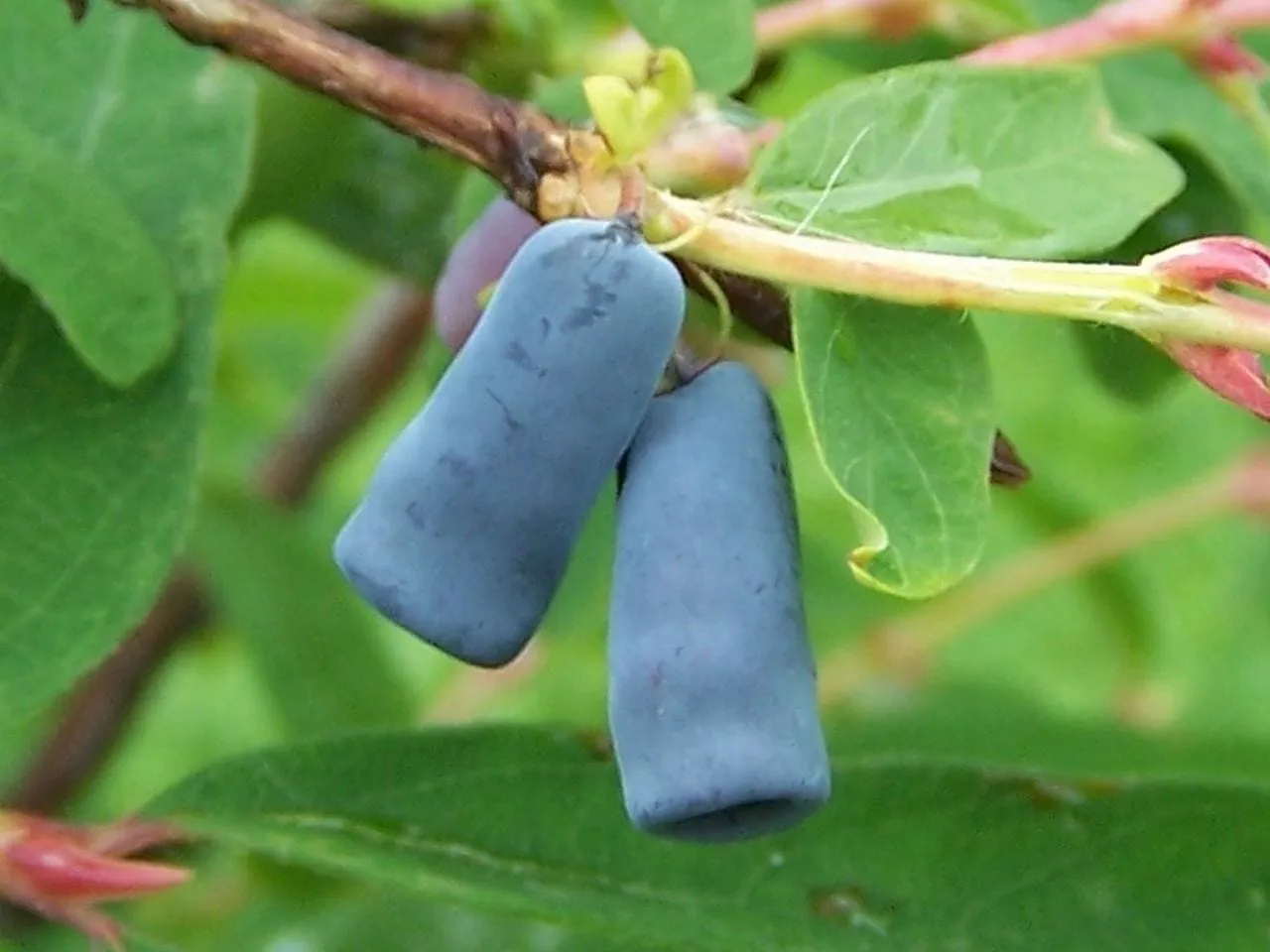 zone 3a
 Honeyberry (Haskap)
Lonicera caerulea
zones 3a–7a
 zone 3a
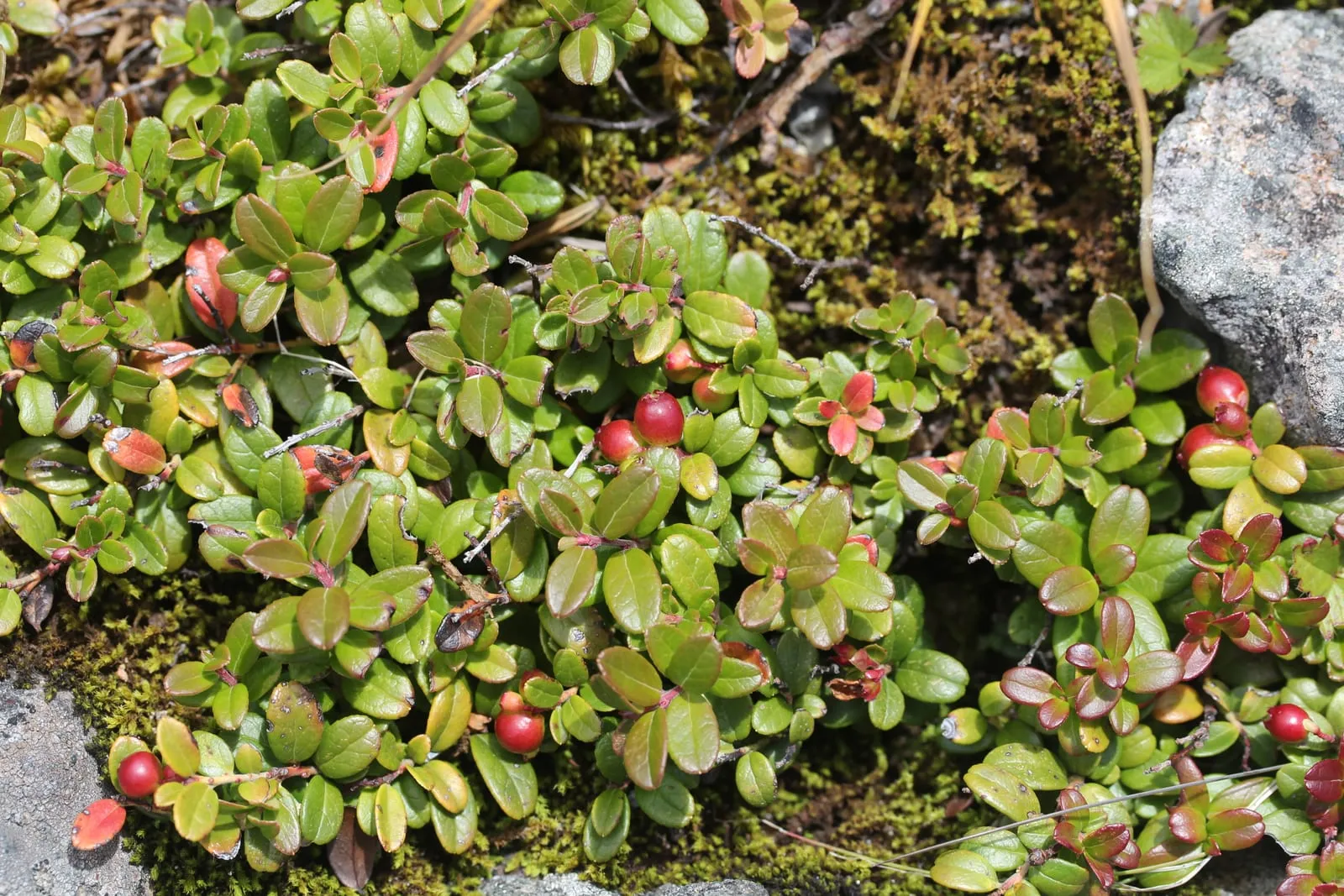
 Lingonberry
Vaccinium vitis-idaea
zones 3a–7a
 zone 3a
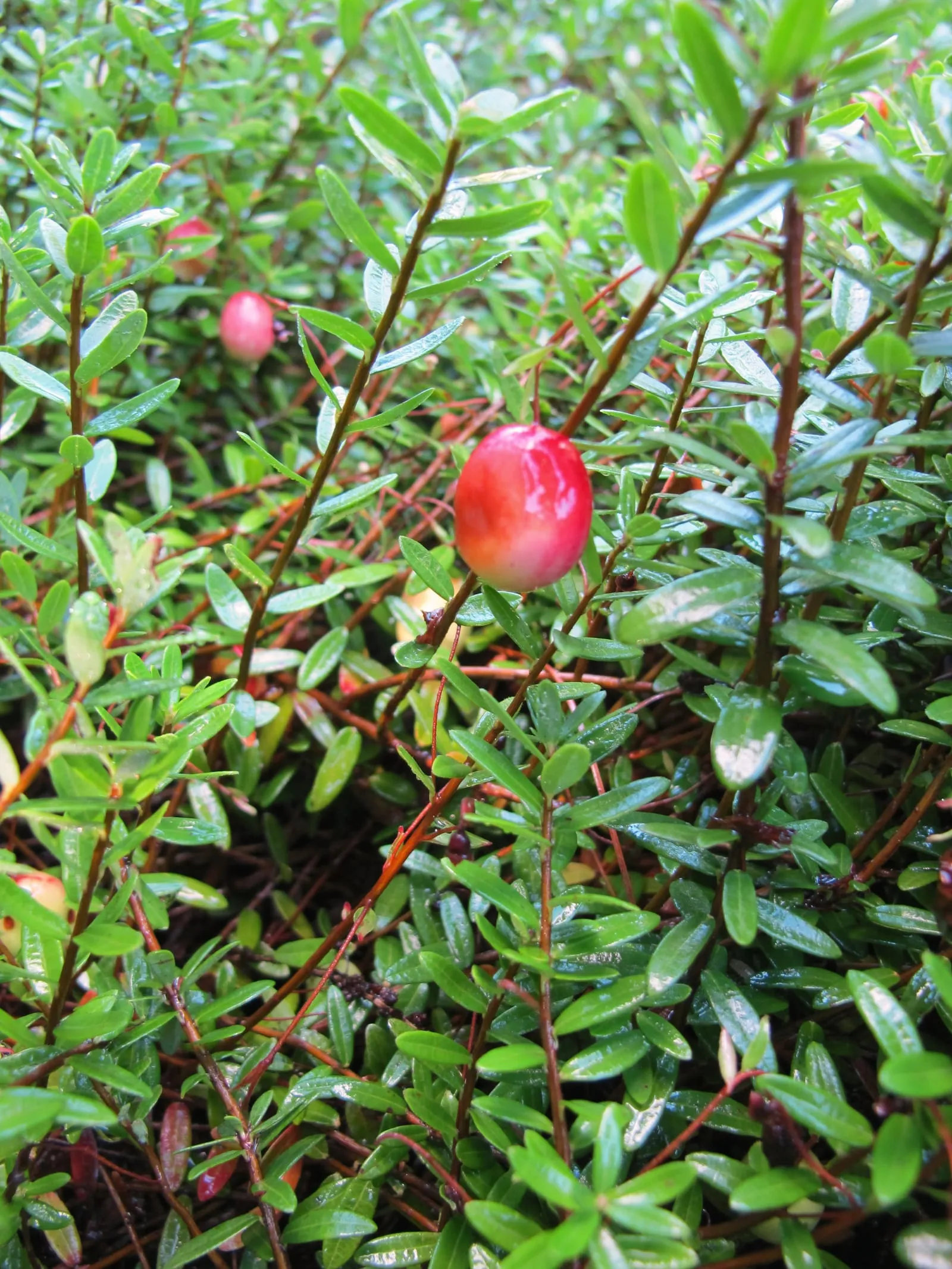
 Cranberry
Vaccinium macrocarpon
zones 3a–7a
 zone 3a
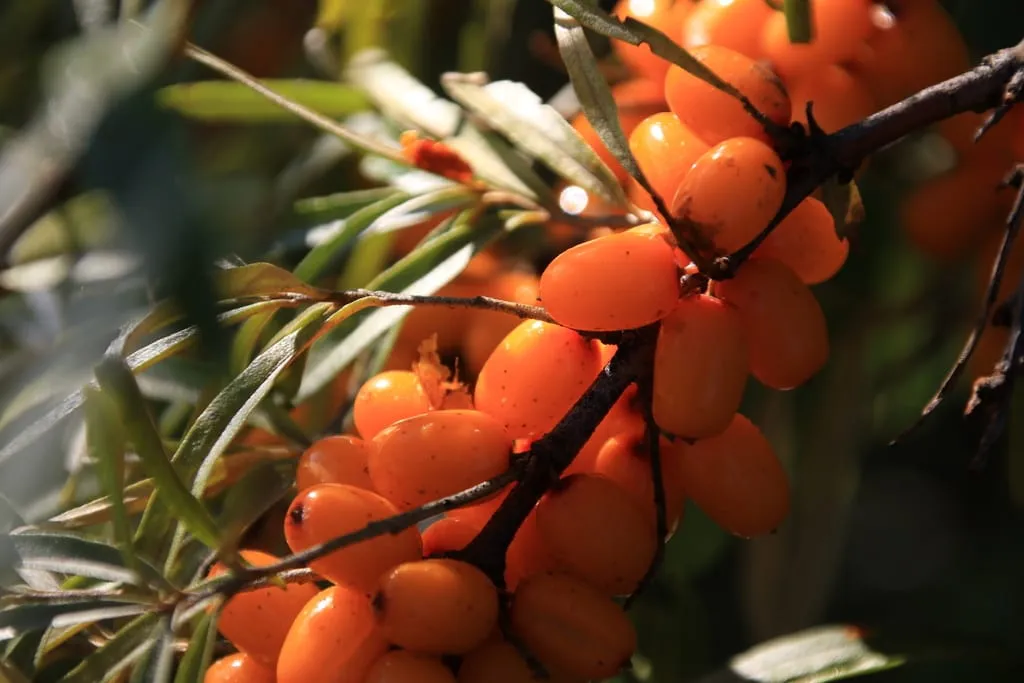
 Sea Buckthorn
Hippophae rhamnoides
zones 3a–7a
 zone 3a
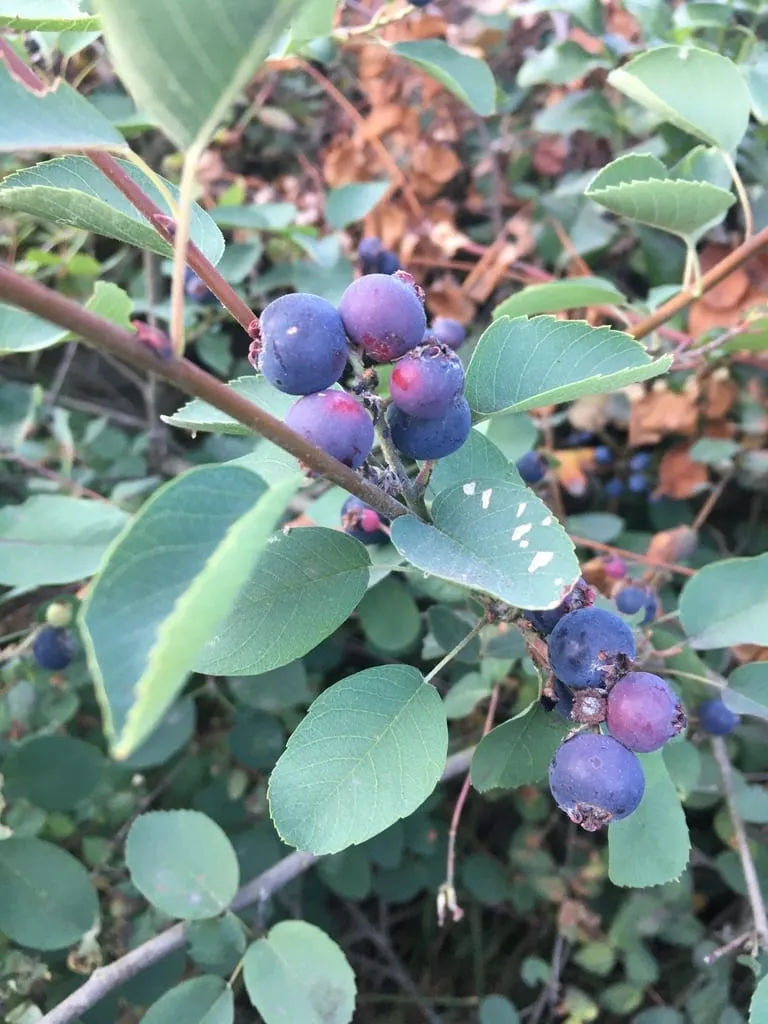
 Saskatoon (Serviceberry)
Amelanchier alnifolia
zones 3a–7a
Vegetables
16 crops
 zone 3a
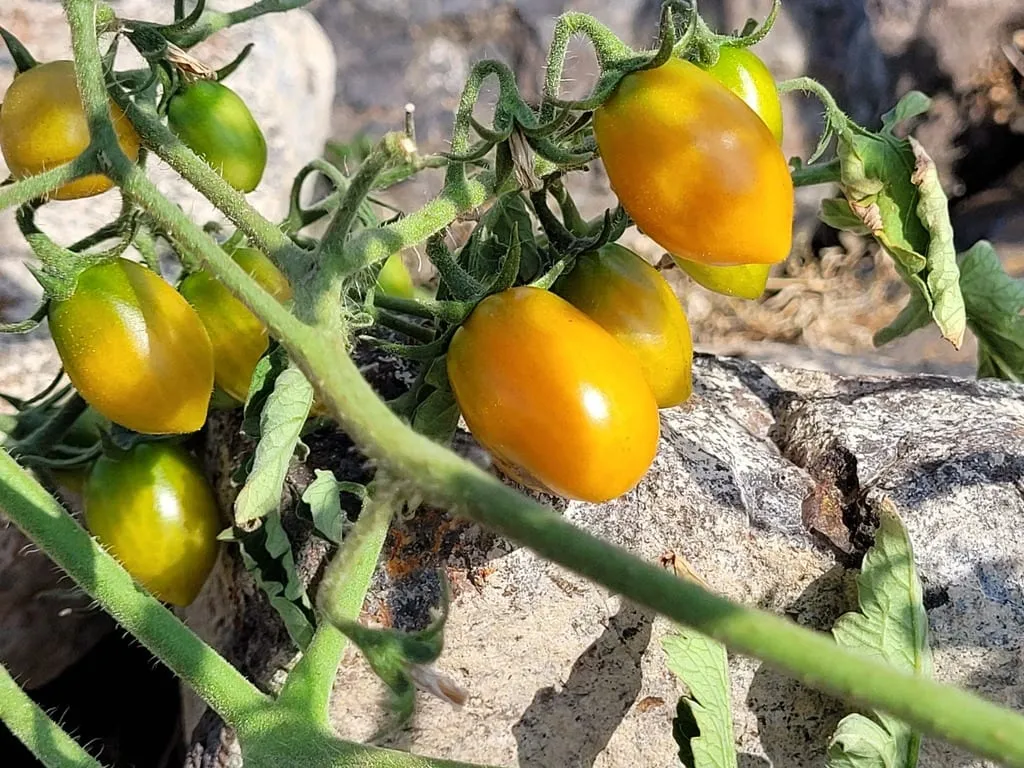
 Tomato
Solanum lycopersicum
zones 3a–10b
 zone 3a
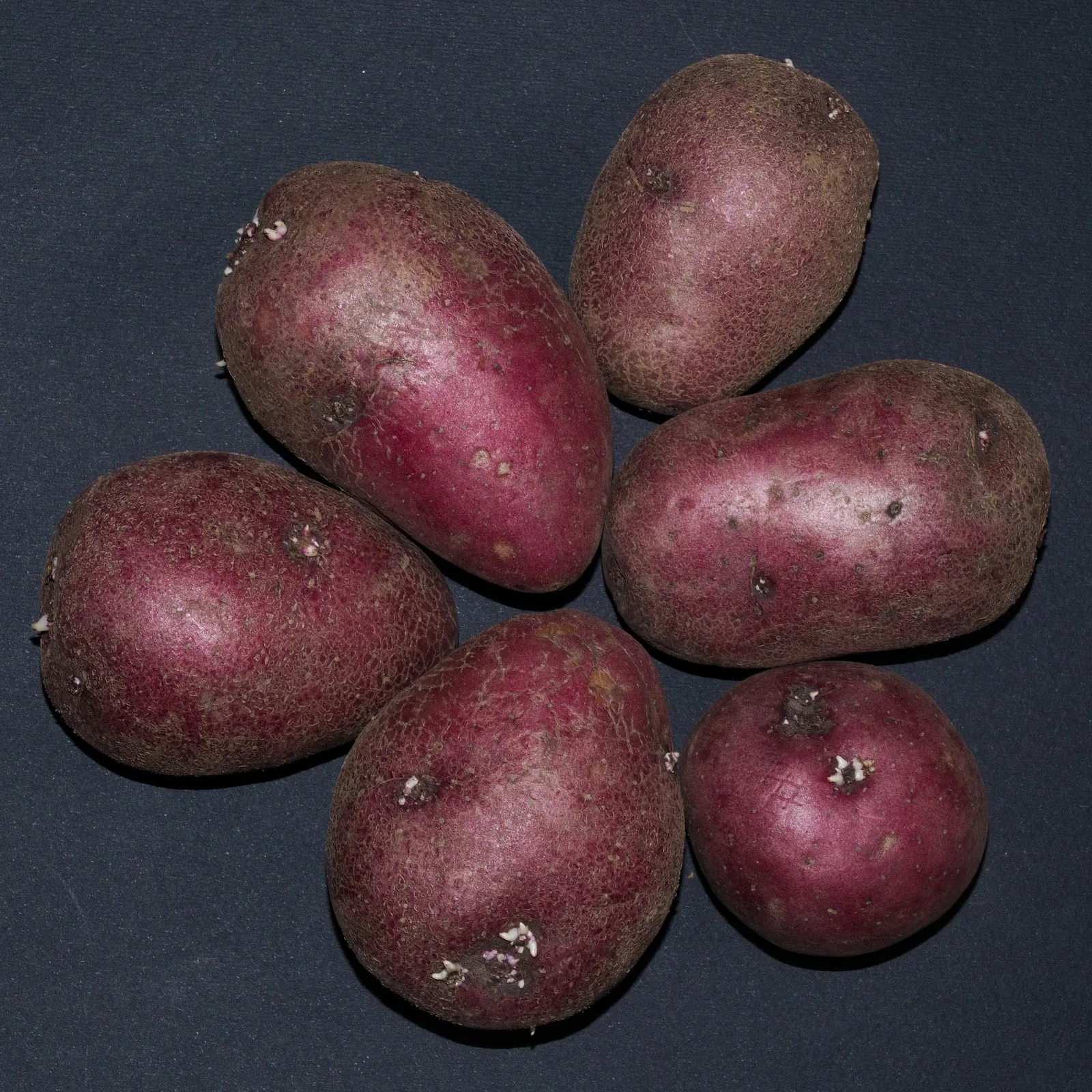
 Potato
Solanum tuberosum
zones 3a–9a
 zone 3a
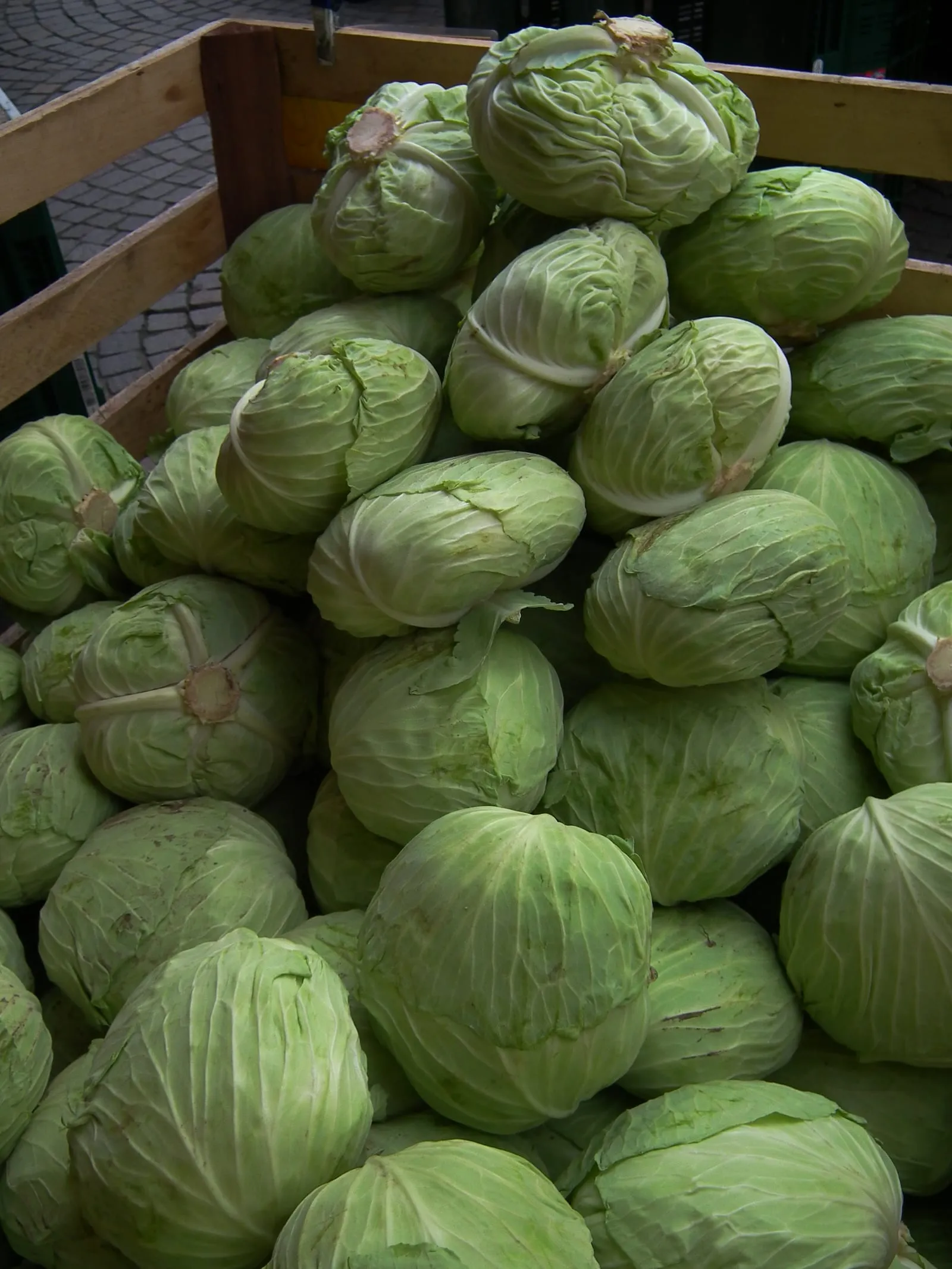
 Cabbage
Brassica oleracea var. capitata
zones 3a–9b
 zone 3a
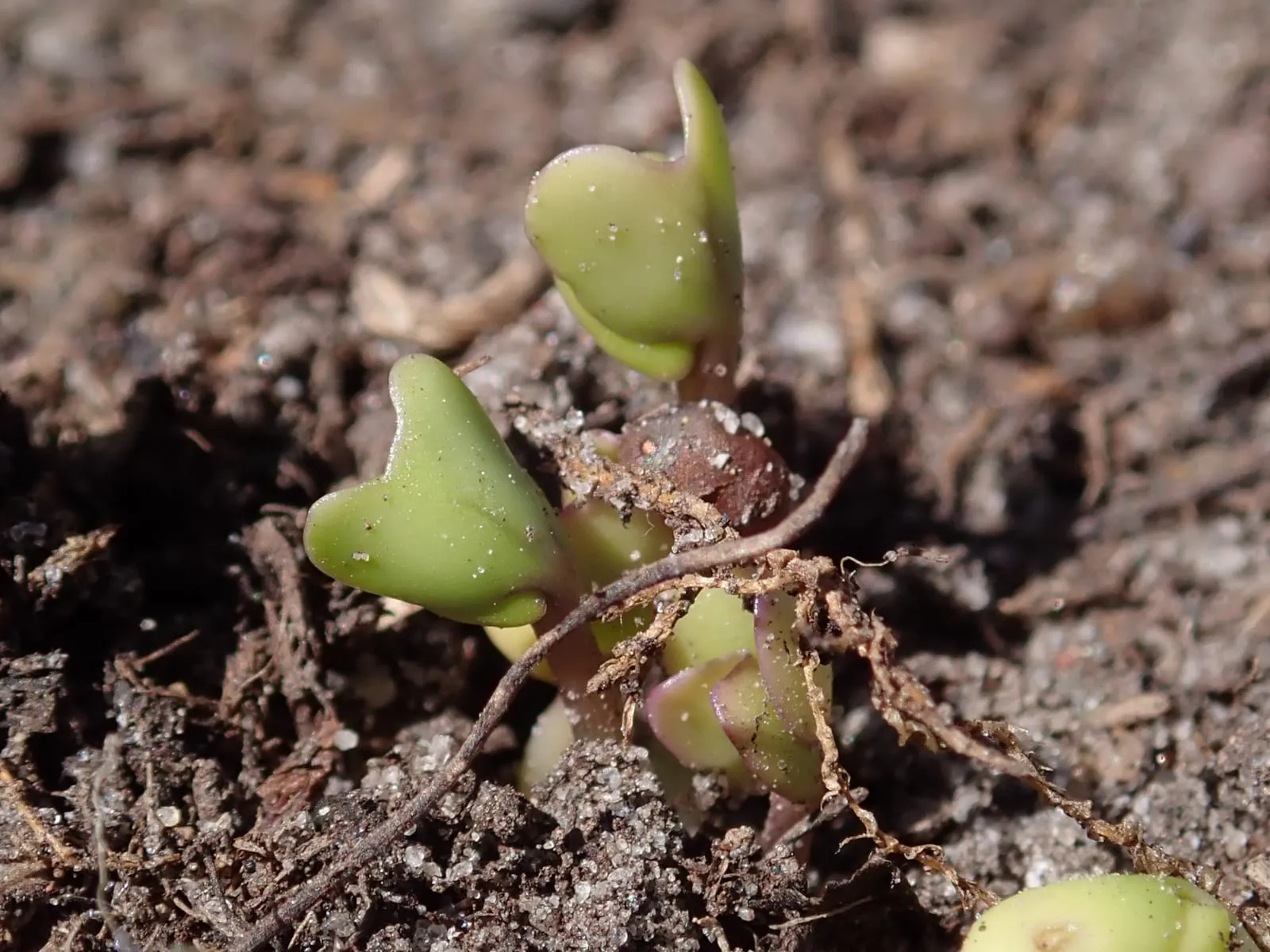
 Broccoli
Brassica oleracea var. italica
zones 3a–9a
 zone 3a
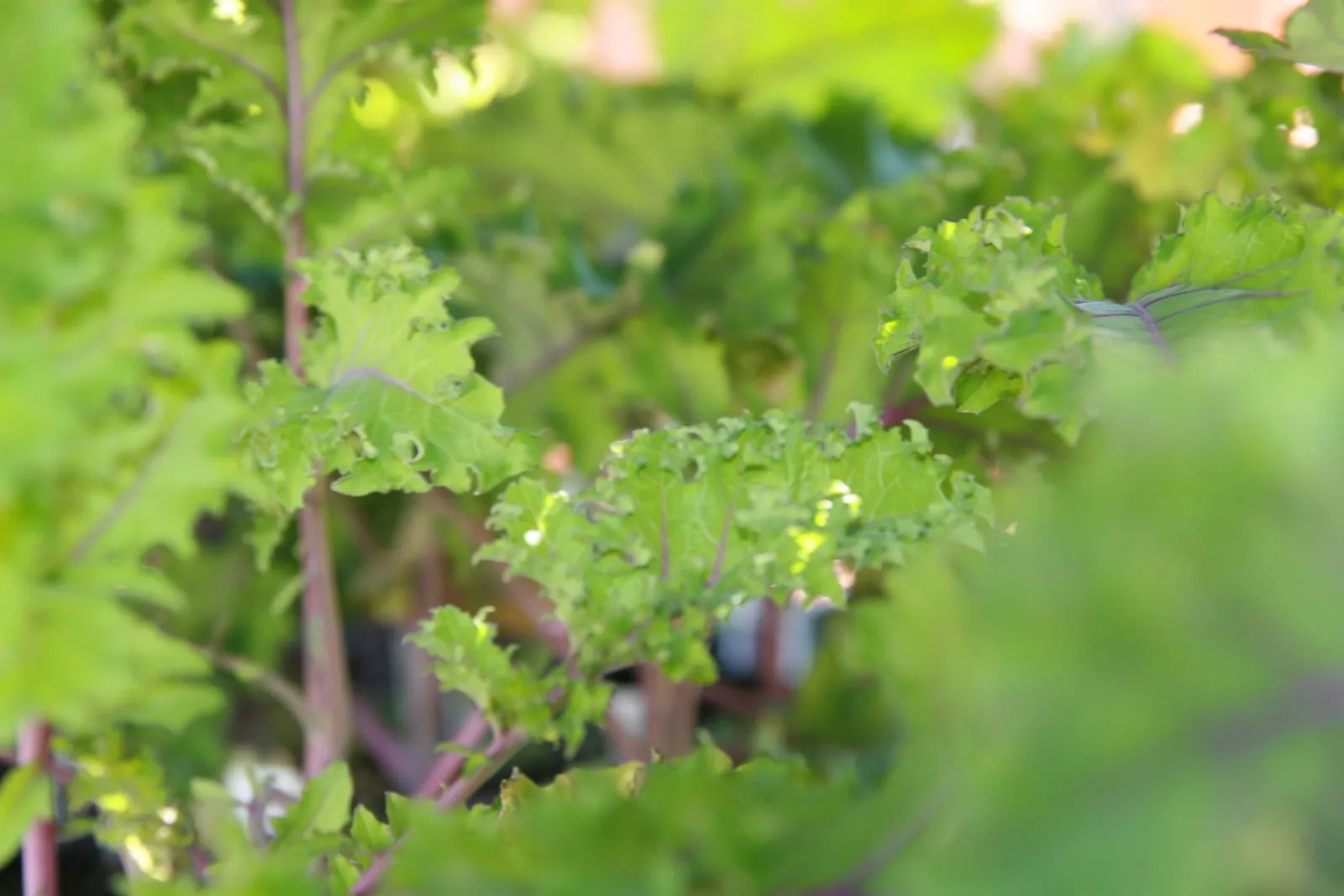
 Kale
Brassica oleracea var. acephala
zones 3a–9b
 zone 3a
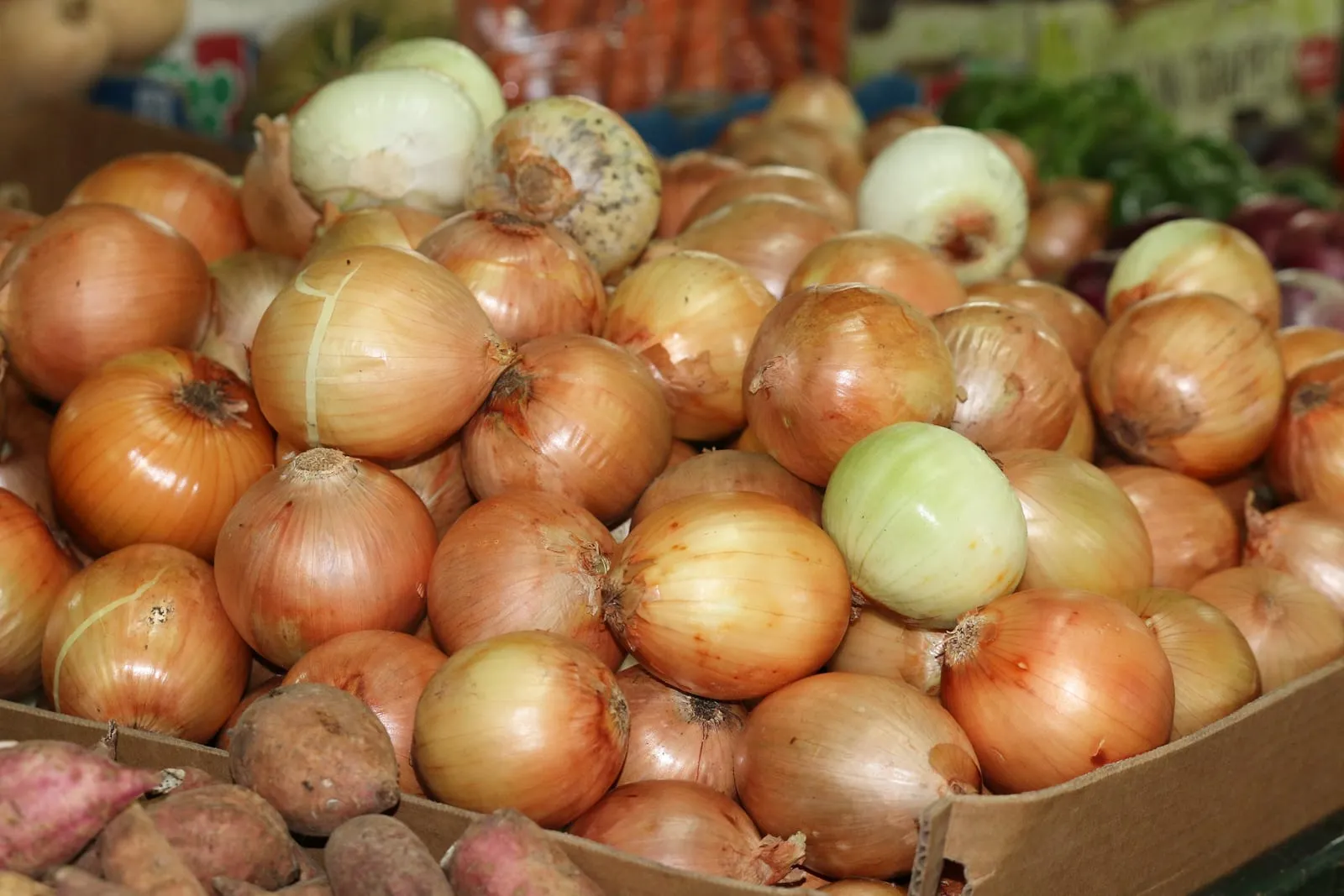
 Onion
Allium cepa
zones 3a–9b
 zone 3a
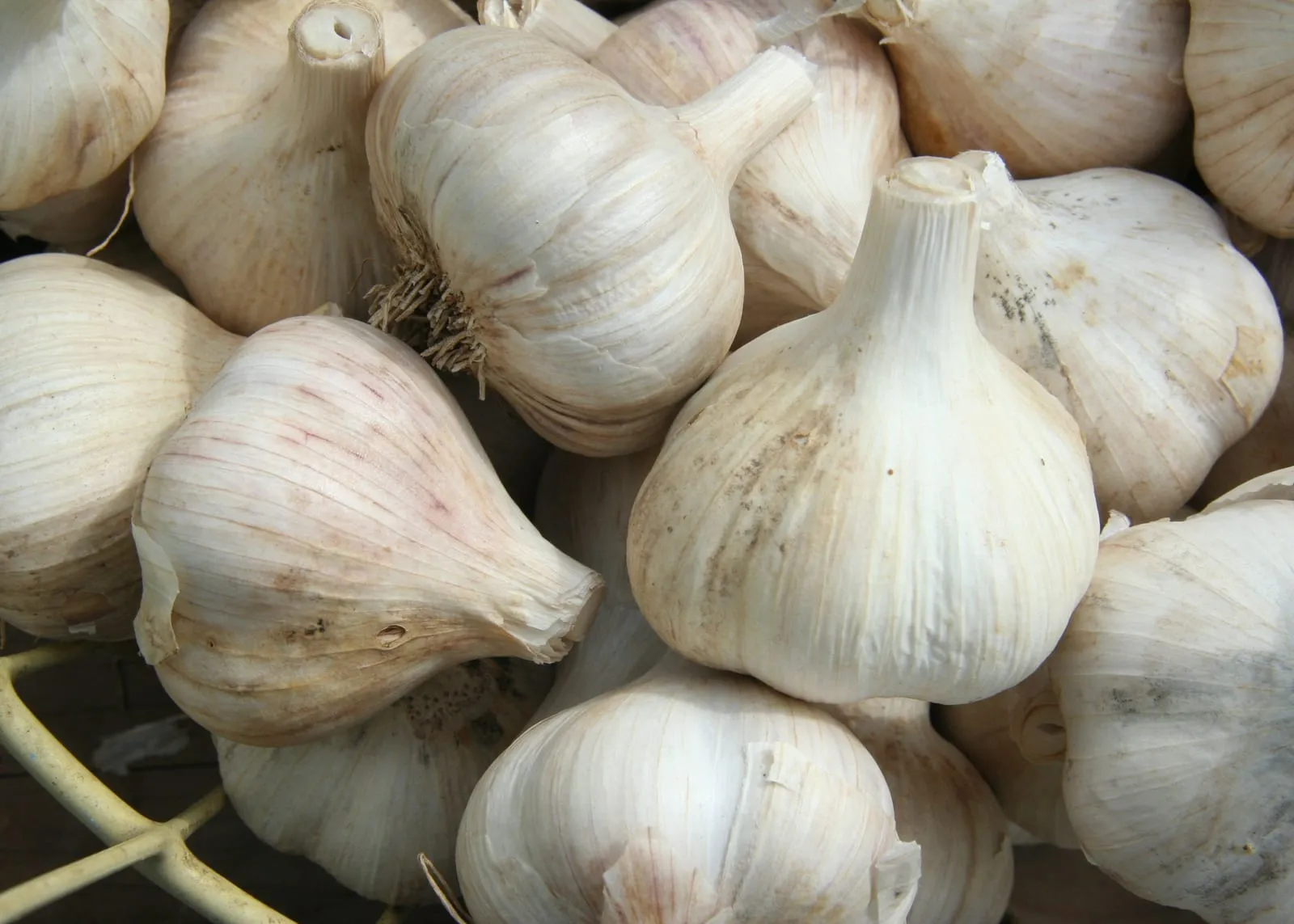
 Garlic
Allium sativum
zones 3a–9a
 zone 3a
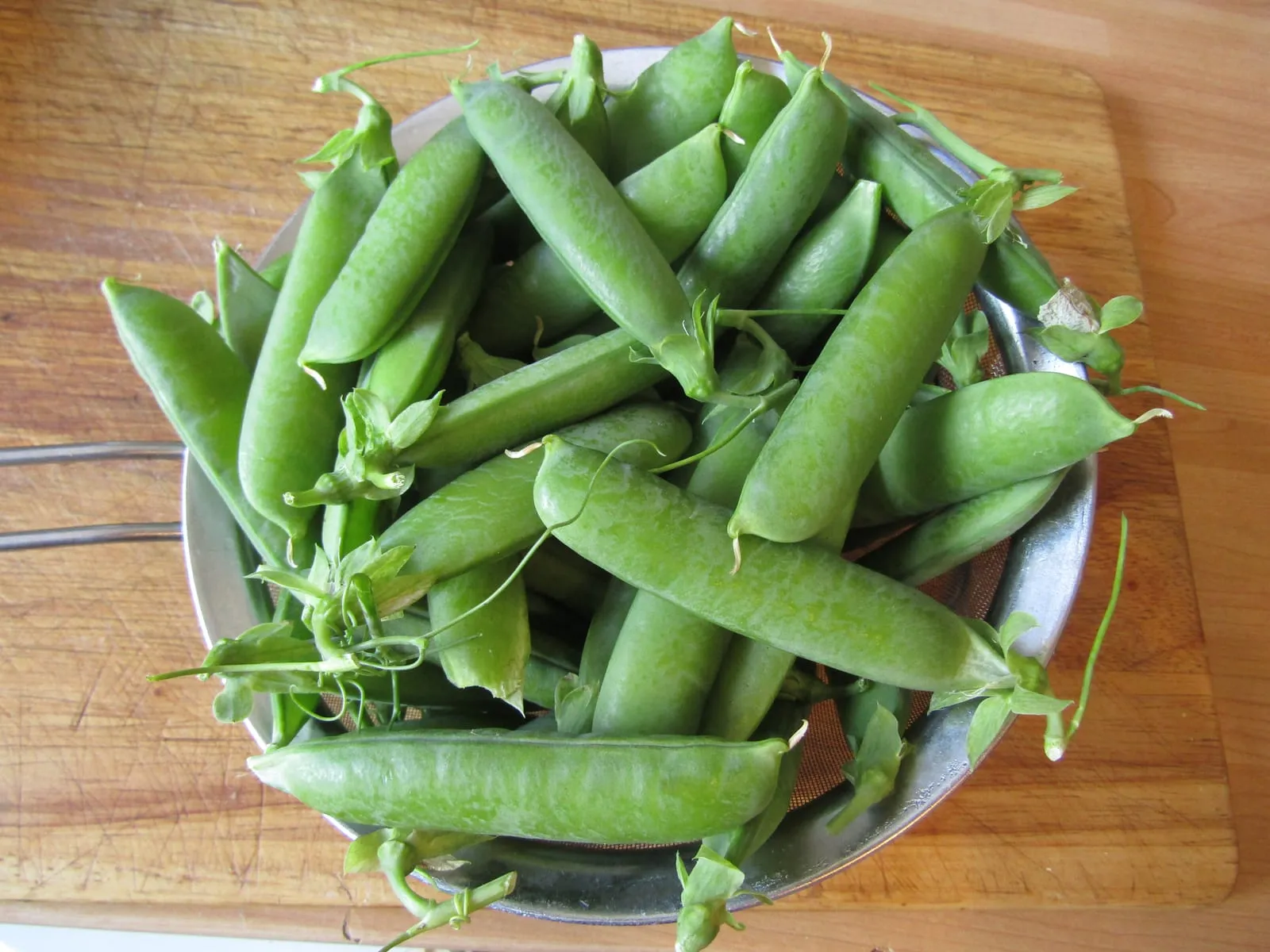
 Pea
Pisum sativum
zones 3a–8b
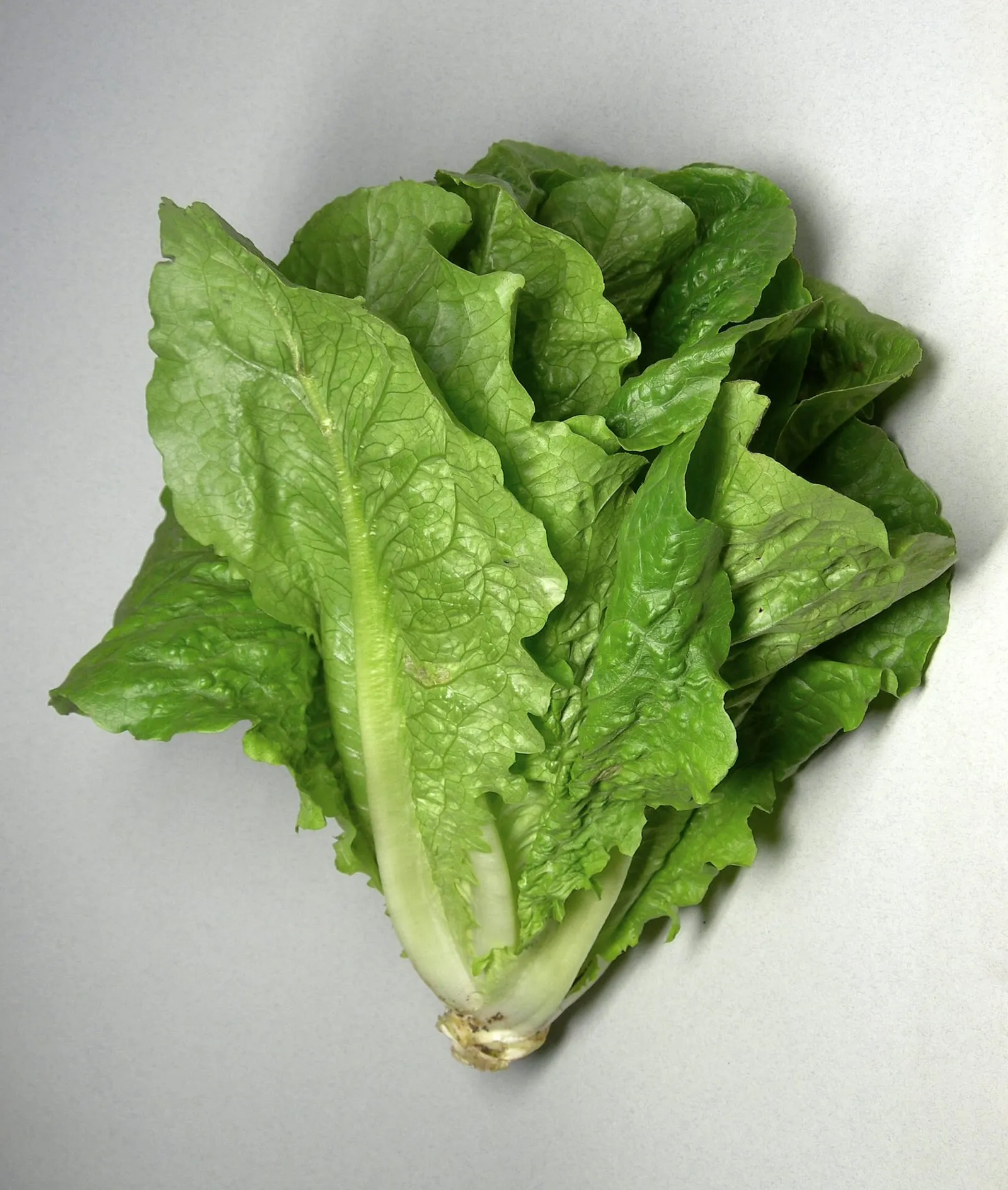 zone 3a
 Lettuce
Lactuca sativa
zones 3a–9b
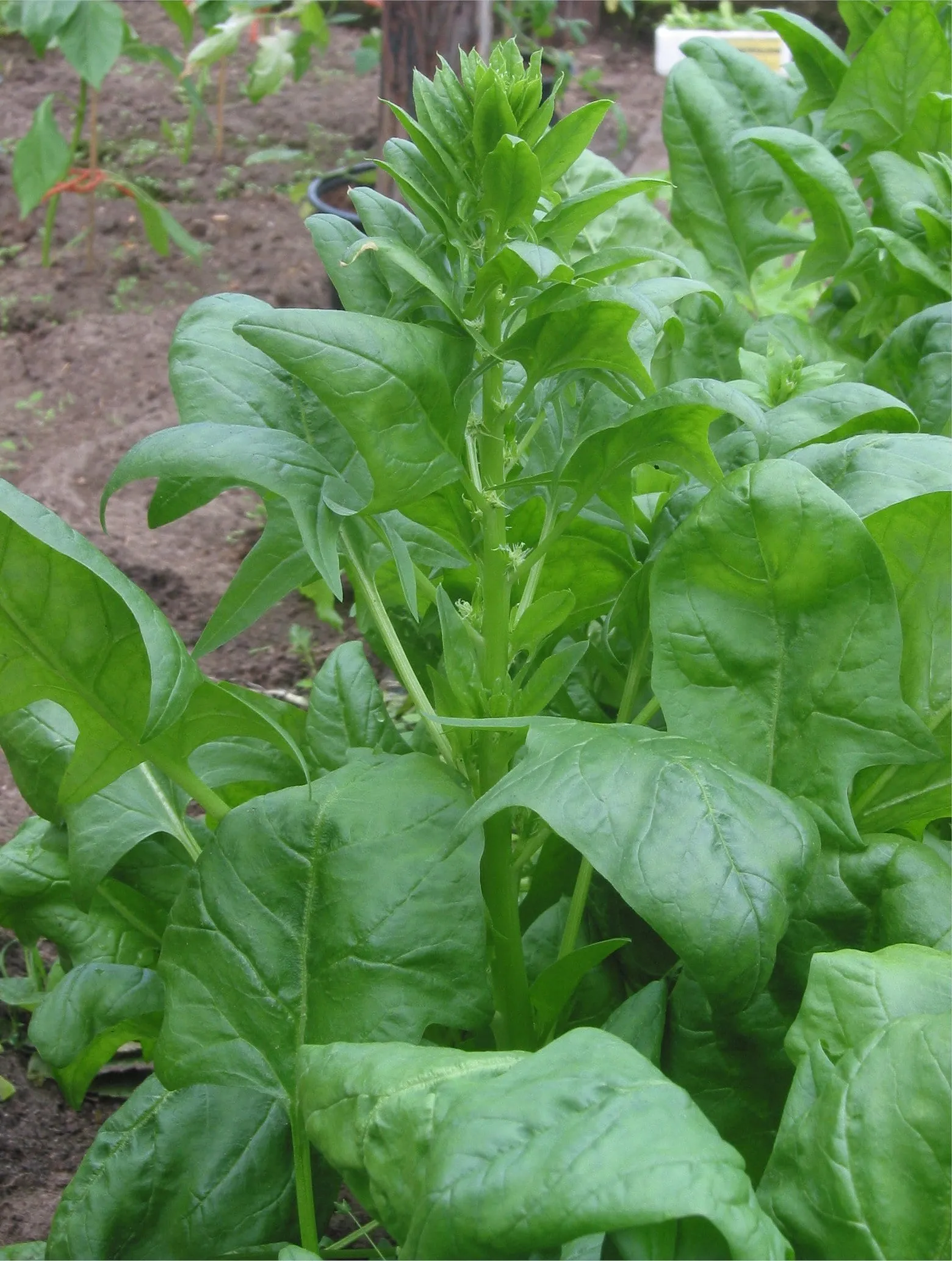 zone 3a
 Spinach
Spinacia oleracea
zones 3a–9a
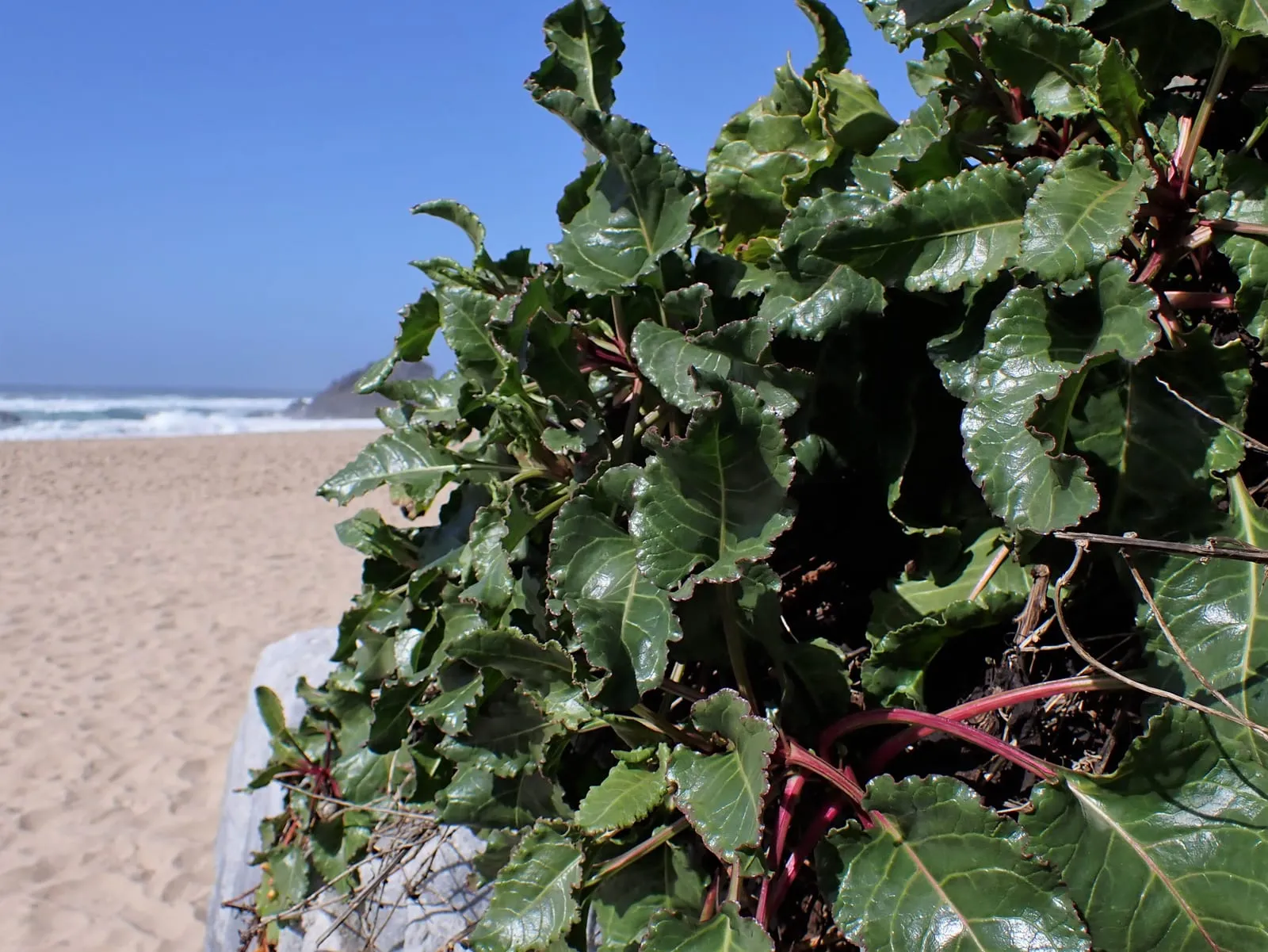 zone 3a
 Swiss Chard
Beta vulgaris subsp. vulgaris
zones 3a–9b
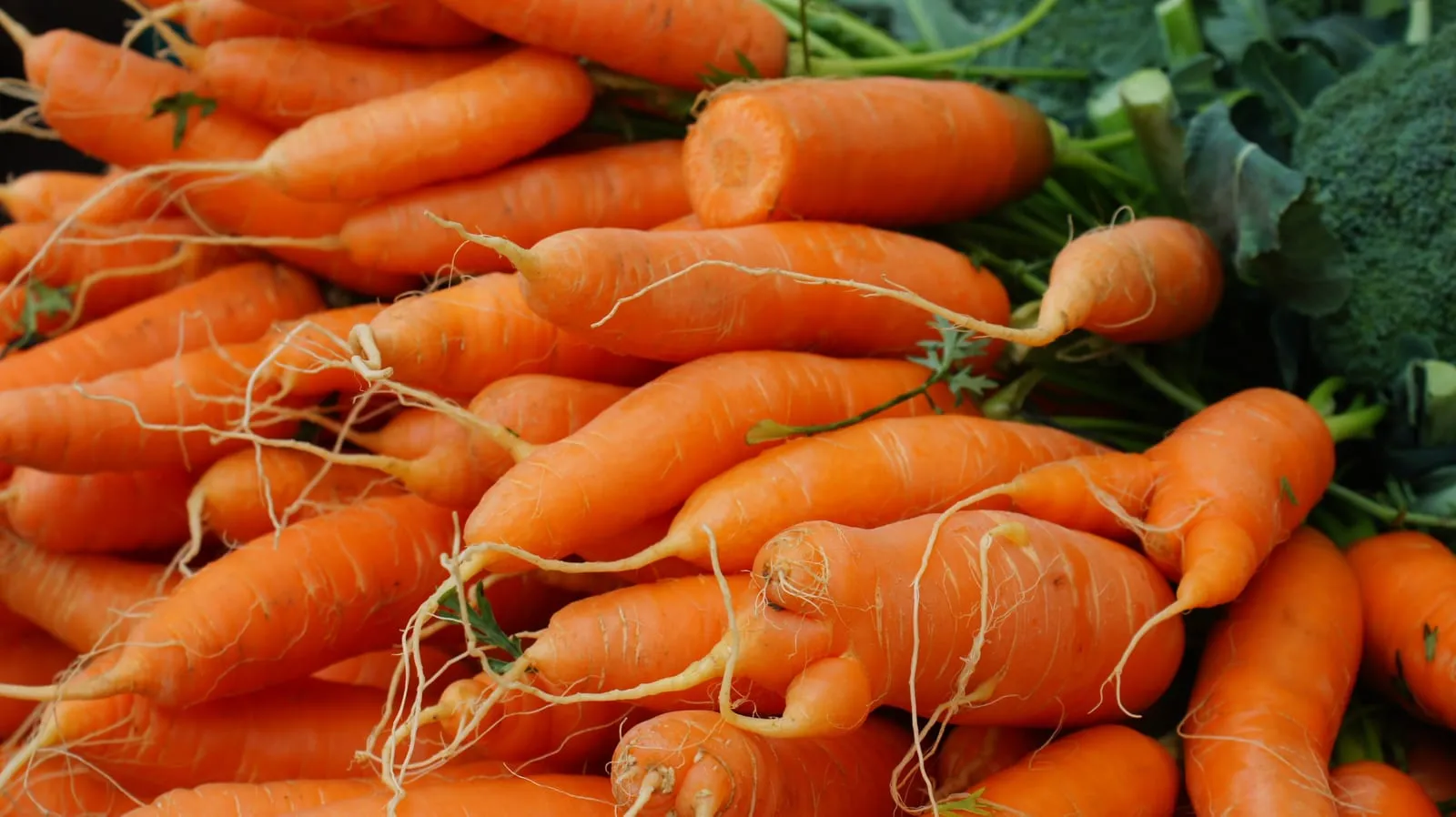 zone 3a
 Carrot
Daucus carota subsp. sativus
zones 3a–9a
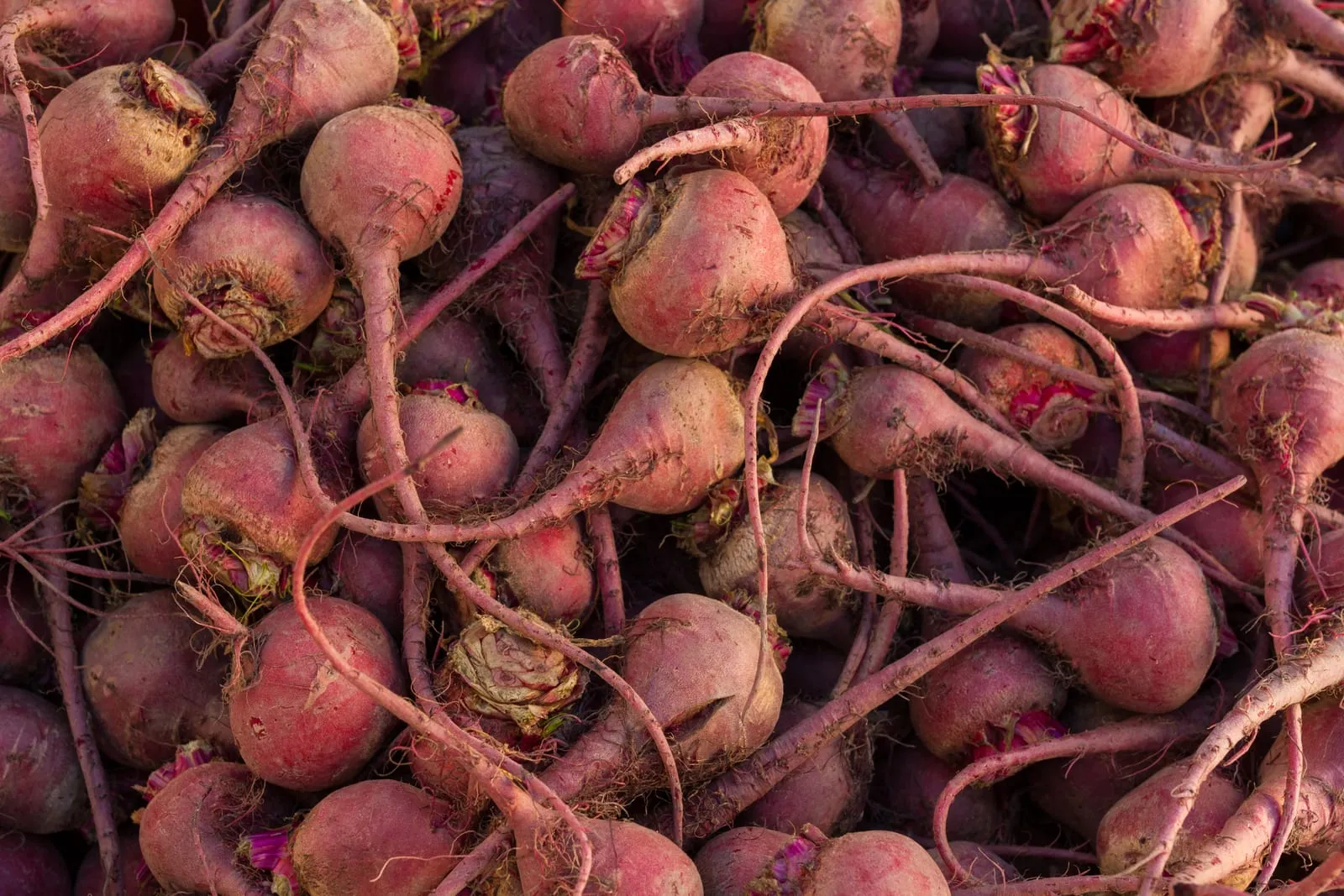 zone 3a
 Beet
Beta vulgaris
zones 3a–9a
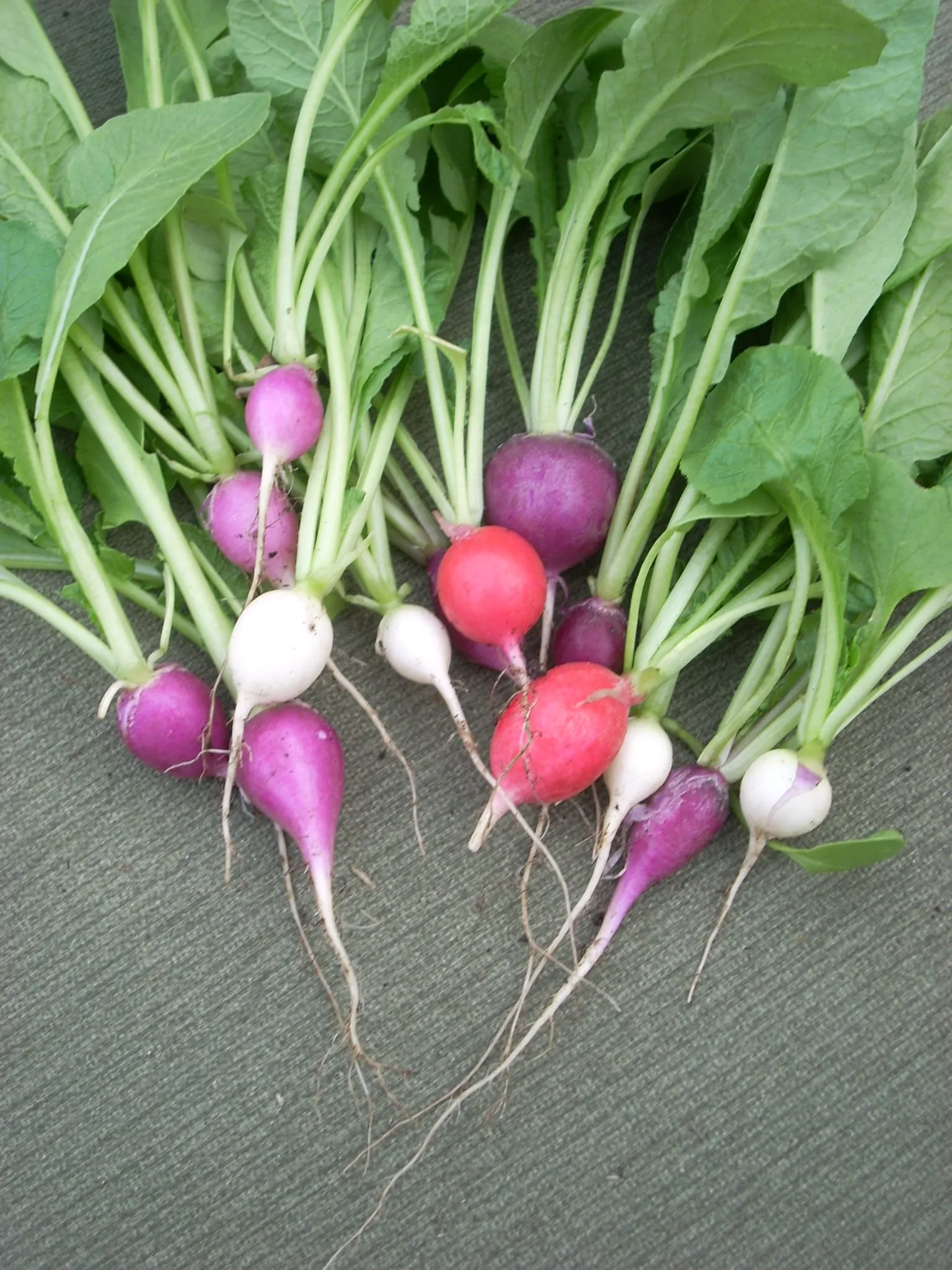 zone 3a
 Radish
Raphanus sativus
zones 3a–9a
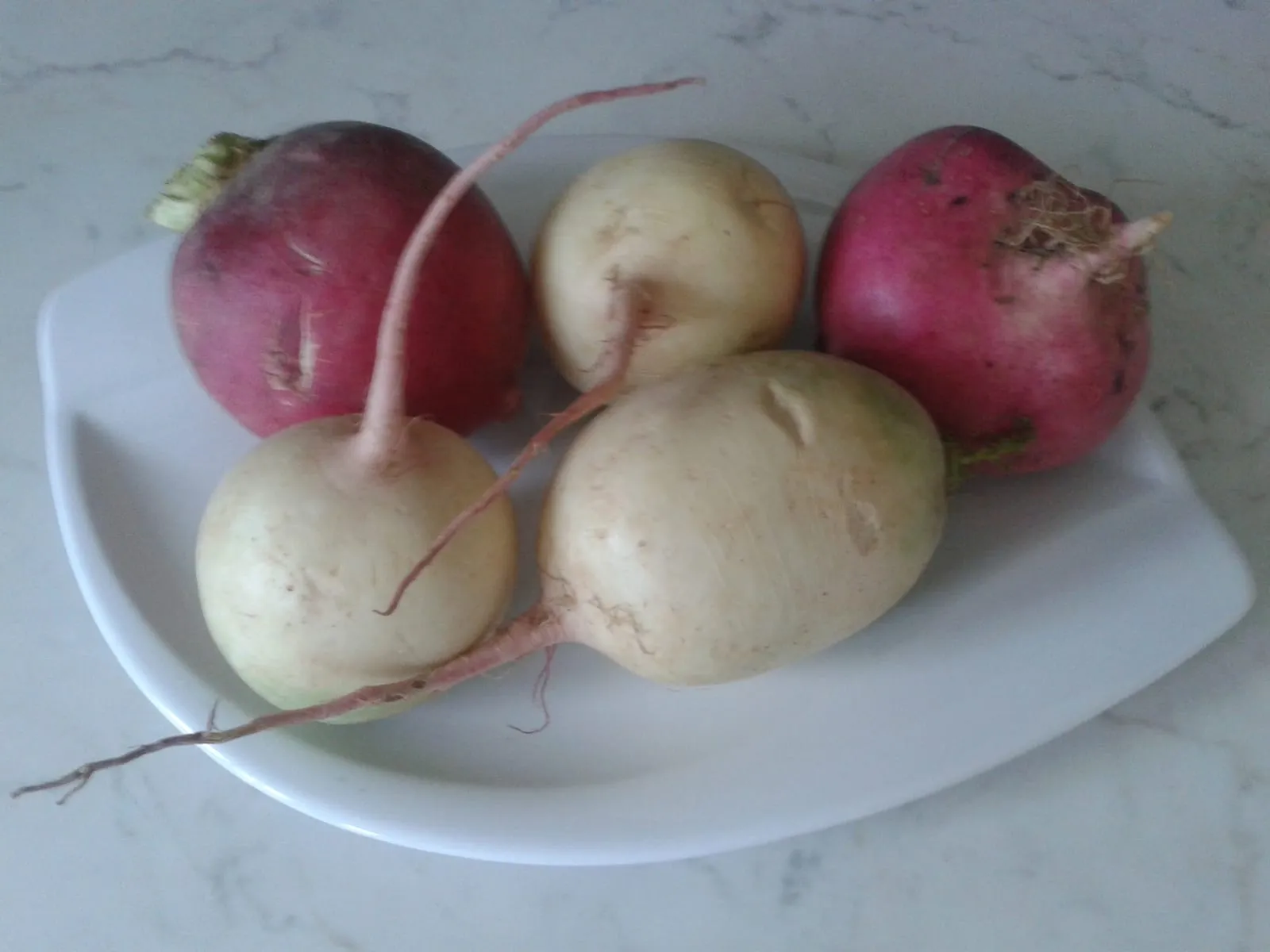 zone 3a
 Turnip
Brassica rapa subsp. rapa
zones 3a–8b
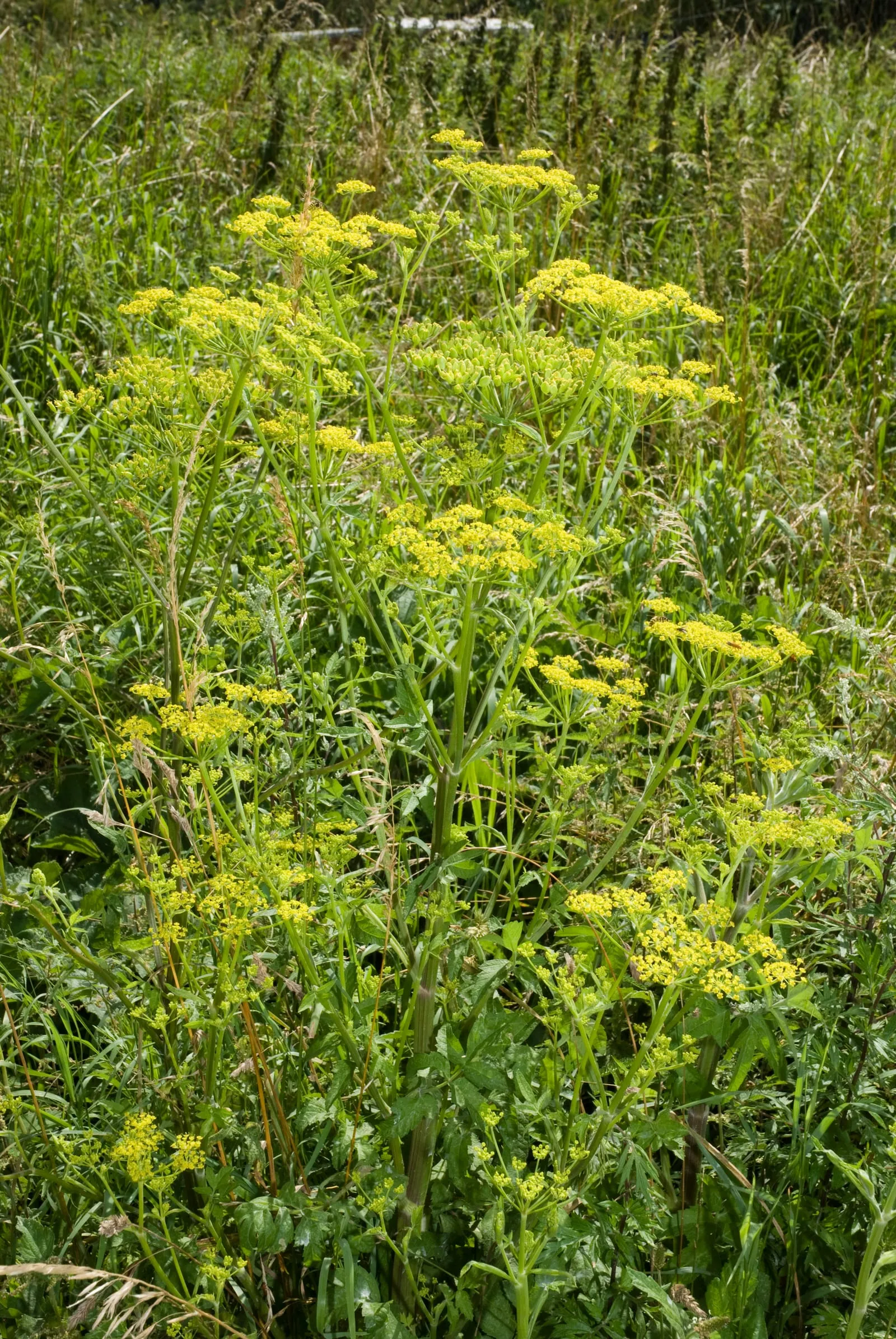 zone 3a
 Parsnip
Pastinaca sativa
zones 3a–8a
When to plant
Planting calendar for zone 3a
Year-view of seed starting, transplanting, planting, pruning, fertilizing, harvest, and pest-watch windows based on the average frost timing for zone 3a.
Week ? · loading
This week in zone 3a
Quiet week in zone 3a. this week is a good time to step back and plan ahead.
Nothing critical on the calendar this week.
132 bars · 30 crops
Calendar logic combines NOAA frost normals with crop-specific timing data. Local microclimate and weather always overrules the calendar; use this as a starting point.
Frequently asked questions
- Can fruit trees survive zone 3a winters?
A small selection of cold-hardy apple varieties can survive zone 3a winters, including Haralson, Norland, and Goodland. Standard commercial apple varieties are generally unsuitable. Peaches, sweet cherries, and most pears are not reliably hardy at -40°F minimums. Juneberries (Amelanchier) and cold-hardy currants and gooseberries are more dependable choices for fruit production in zone 3a.
- What vegetables grow well in zone 3a?
Short-season vegetables that mature in 60 days or fewer are the most reliable: radishes, lettuce, spinach, kale, Swiss chard, and turnips. Determinate tomatoes and early-maturing sweet corn can succeed with indoor transplant starts. Rhubarb and hardy perennial herbs like chives perform year after year without replanting.
- How late can the last spring frost be in zone 3a?
Last spring frost in zone 3a can fall as late as mid-June in some locations, particularly in northern Minnesota and interior Alaska. Most zone 3a growers plan transplant dates around a late-May to early-June window and use row covers to push that date earlier when conditions allow.
- What mulch depth is needed to overwinter perennials in zone 3a?
8 to 12 inches of organic mulch applied over root zones before the ground freezes is the standard recommendation for zone 3a. Strawberry crowns and other low-growing perennials benefit from mulch applied directly over the crowns once plants are dormant. Remove mulch from crowns gradually in spring to avoid rot as temperatures climb.
- Can tomatoes be grown successfully in zone 3a?
Tomatoes are possible with indoor transplant starts 8 to 10 weeks before last frost, combined with short-season determinate varieties rated at 65 days to maturity or fewer. Wall-O-Waters or low tunnels extend the season at both ends. Large indeterminate varieties rarely produce well before first fall frost in a 90-day window.
- Which berry crops are reliable in zone 3a?
Juneberries (serviceberries, Amelanchier species), cold-hardy currants, and gooseberries are the most dependable small fruit options in zone 3a. Some strawberry varieties rated for zone 3 perform well with adequate snow cover or mulch. Day-neutral strawberries are generally more reliable than June-bearing types given the compressed season length.
+−
+−
+−
+−
+−
+−
Related