fruit tree in zone 3a
Growing apple in zone 3a
Malus domestica
- Zone
- 3a -40°F to -35°F
- Growing season
- 90 days
- Chill needed
- 400 to 1000 below 45°F
- Suitable varieties
- 0
- Days to harvest
- 120 to 200
The verdict
Zone 3a presents a specific challenge for apple growers: not cold hardiness, but time. Chill hour requirements for apple range from 400 to 1000 hours depending on variety, and zone 3a winters meet the upper end of that range without difficulty. The binding constraint is the 90-day growing season. Standard mid-season and late-season varieties cannot ripen fruit before the first hard fall frost. Only varieties bred specifically for very short seasons, typically developed through northern university breeding programs, are viable candidates.
This is a marginal zone for apples in terms of variety selection, not winter survival. The tree itself can overwinter in zone 3a temperatures (-40 to -35°F) if properly hardened and sited. The fruit often cannot mature. Growers should treat any season with fewer than 80 frost-free days as a significant partial-loss risk and select only the shortest-season varieties available.
Critical timing for zone 3a
Last frost in zone 3a typically falls in late May to mid-June, varying considerably by local topography and elevation. Apple bloom follows bud break by days to a week, placing open blossoms squarely in the window of late-frost risk. A frost event during open bloom can eliminate the year's crop entirely, and in zone 3a this is not a rare scenario.
For early-ripening varieties, harvest targets late August through mid-September. This gives a working window of roughly 60 to 75 days between bloom completion and the first fall frost, a margin thin enough that a cold August or an early September frost meaningfully affects fruit maturity. Growers in zone 3a should track degree-day accumulations after bud break rather than relying on calendar dates alone.
Common challenges in zone 3a
- ▸ Very short growing season
- ▸ Late spring frosts
- ▸ Limited fruit-tree options
- ▸ Heavy mulching required
Disease pressure to watch for
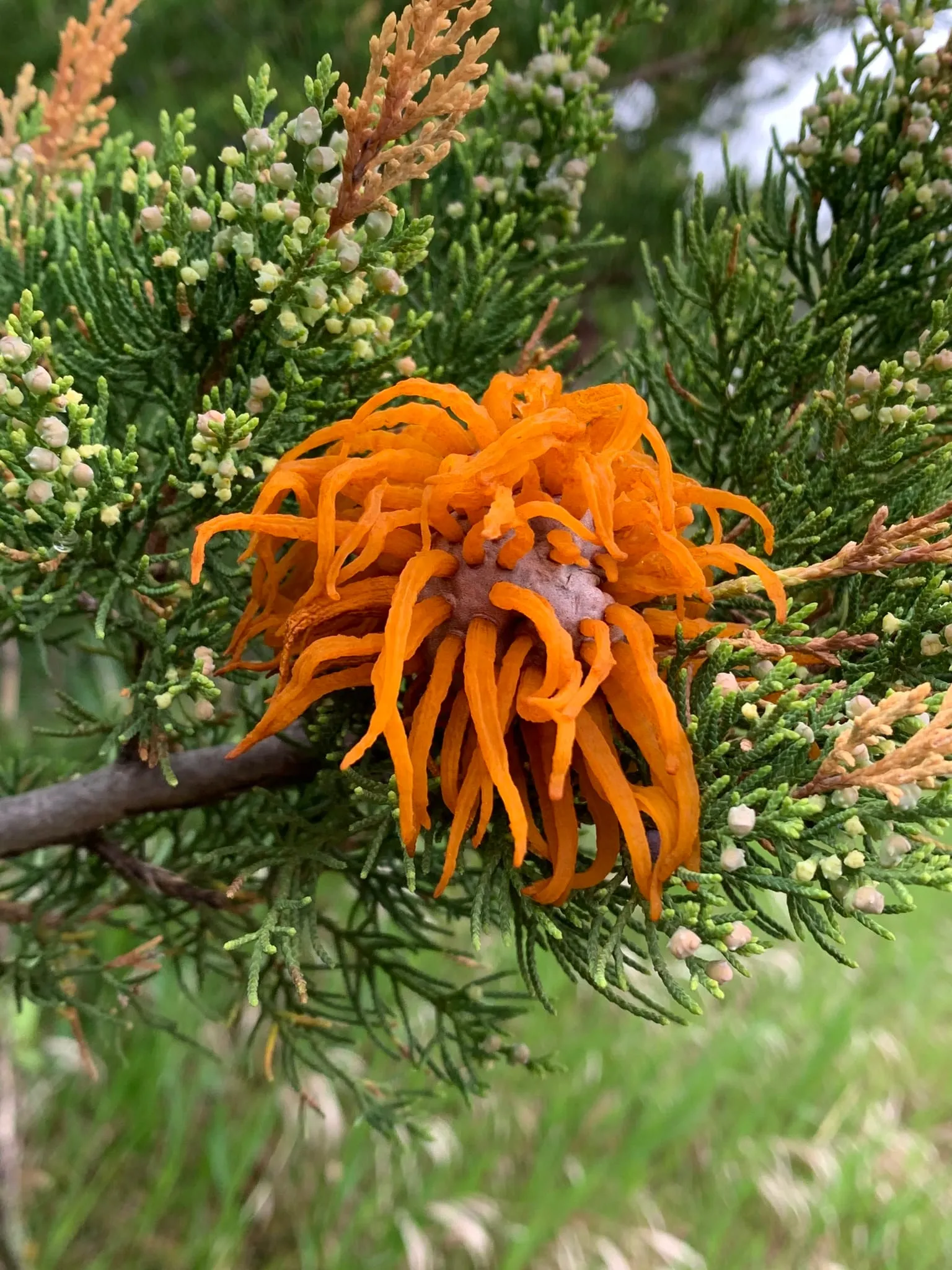
Gymnosporangium juniperi-virginianae
Two-host fungal disease alternating between apple and eastern red cedar. Severe pressure in regions with abundant cedar.
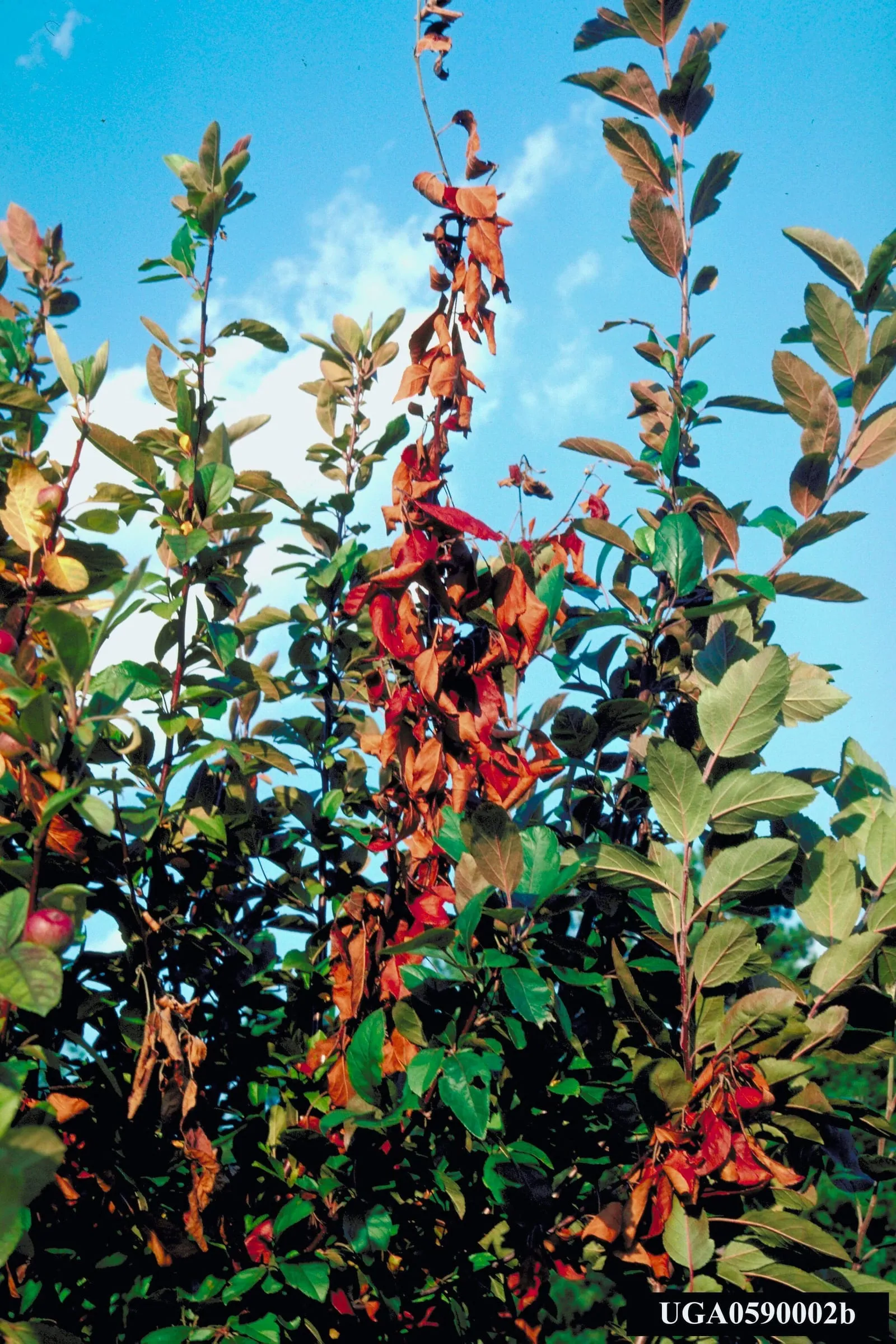
Erwinia amylovora
Devastating bacterial disease that can kill trees rapidly. Most severe in warm wet springs.
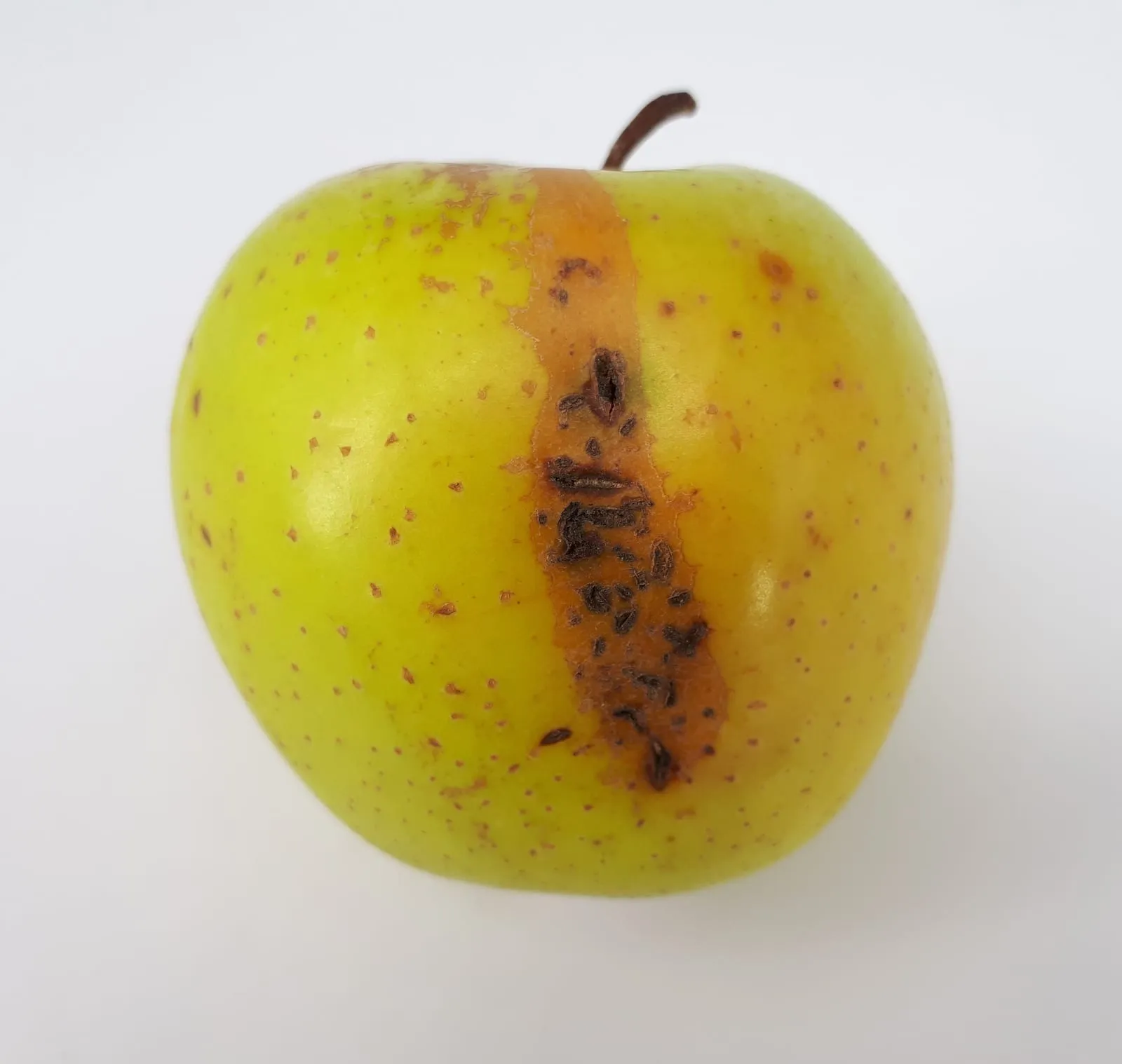
Venturia inaequalis
The most widespread apple disease in humid regions. Reduces fruit quality and defoliates trees.
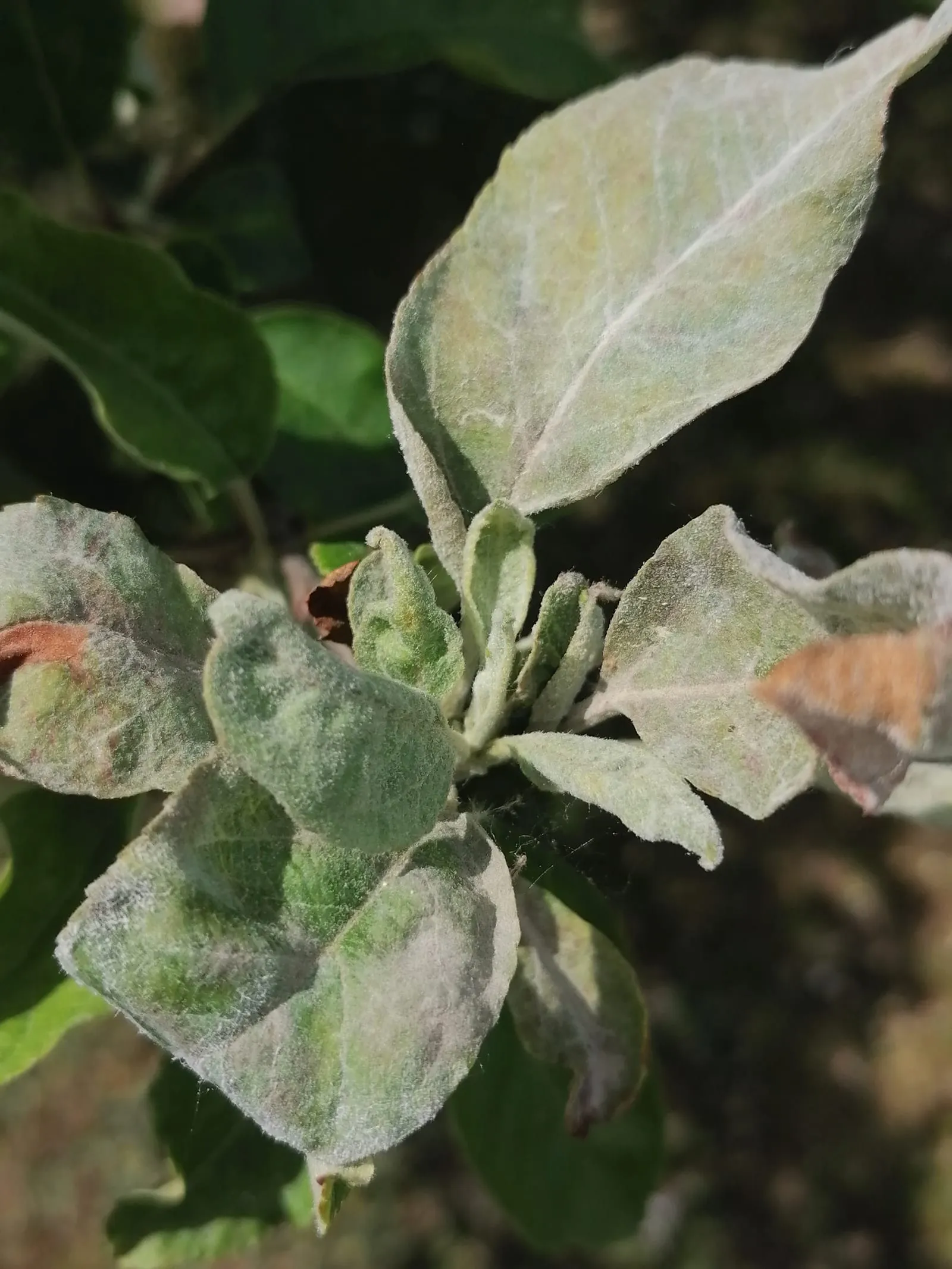
Podosphaera leucotricha
Surface-feeding fungal disease that distorts new growth and reduces yields.
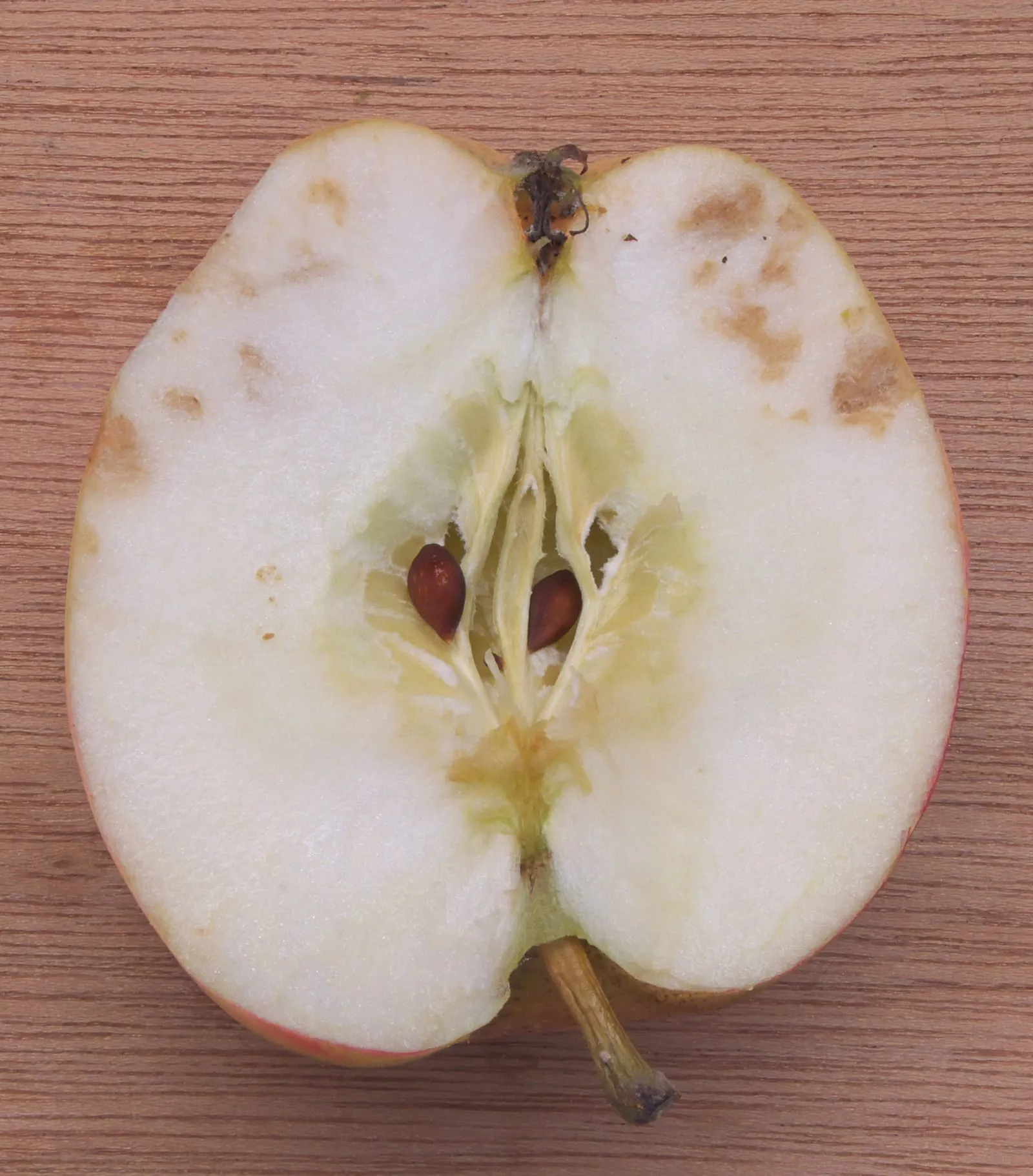
Physiological disorder
Damage from direct intense sun exposure on fruit or bark, particularly on plants suddenly exposed by pruning, defoliation, or hot weather. Distinct from sunburn (which is reversible).
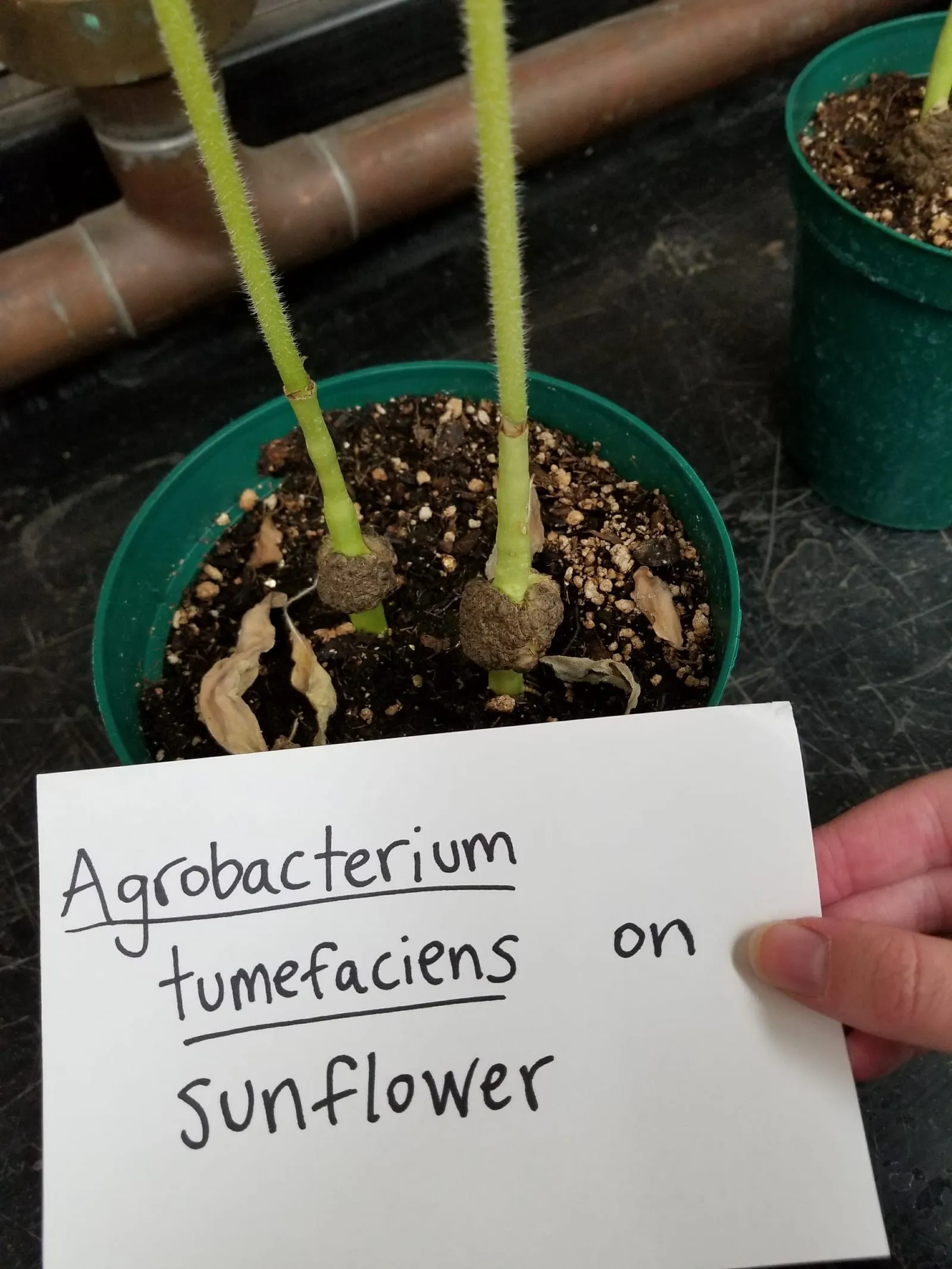
Agrobacterium tumefaciens
Soil-borne bacterium that enters plants through wounds and induces tumor-like galls on roots, crown, and lower stems. Galls reduce vigor and shorten plant lifespan; on Rubus the disease is often fatal.
Modified care for zone 3a
Heavy mulching is standard practice in zone 3a for two reasons: moderating spring soil temperature swings that trigger premature bud break, and protecting roots from the zone's extreme winter lows. A mulch layer of 4 to 6 inches around the drip line, kept back from the trunk to limit rot and rodent pressure, addresses both. Trunk wraps applied before winter reduce sunscald and bark splitting, which are common failure points at these temperatures.
Disease management in zone 3a requires calibrating spray timing carefully. Cedar apple rust, fire blight, apple scab, and powdery mildew are all present, but the compressed growing season limits both the spray window and the period of sustained disease pressure. Site selection for maximum southern exposure is not optional here; it meaningfully extends effective growing days and improves the odds of fruit reaching maturity before the season closes.
Apple in adjacent zones
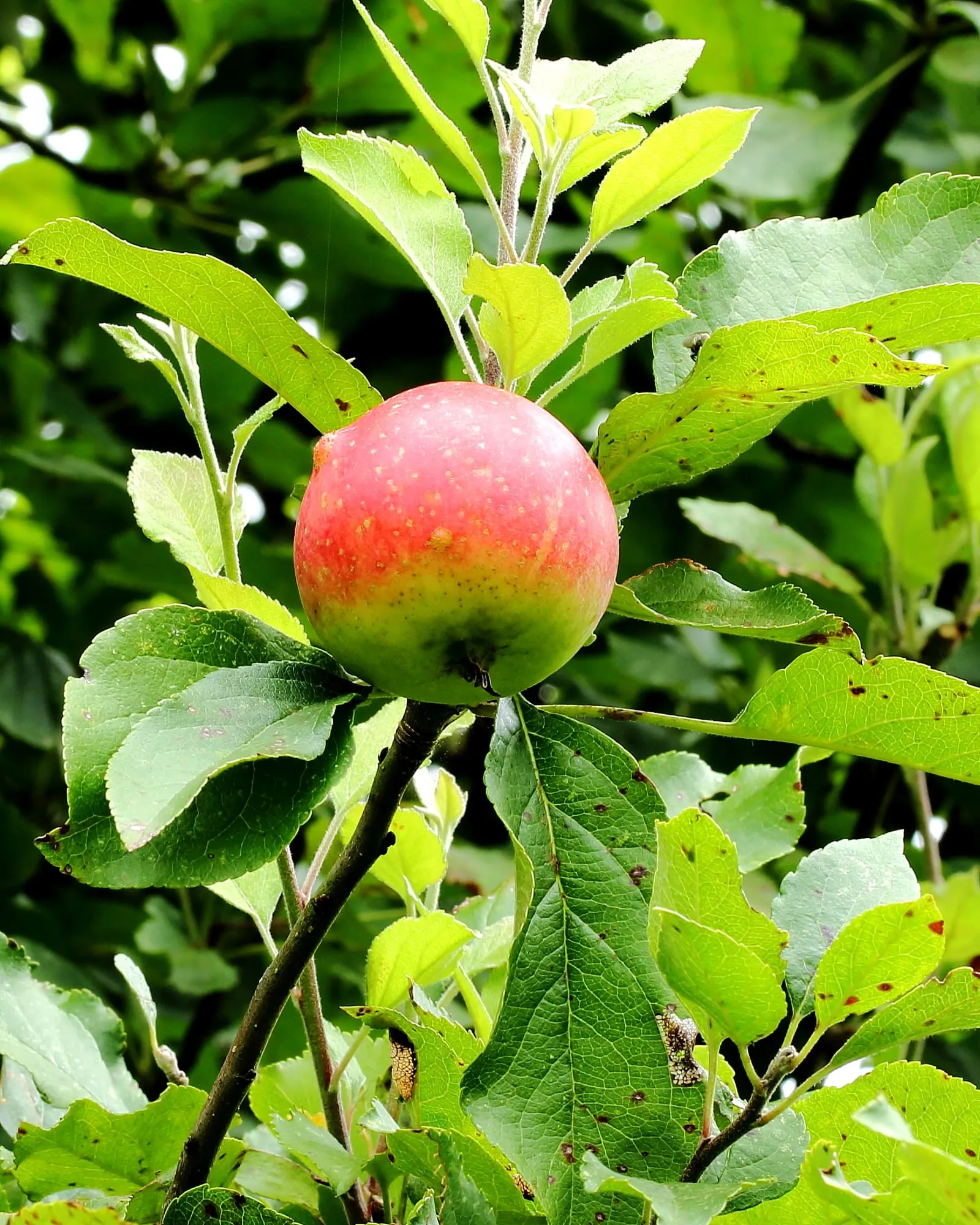
Image: "Malus domestica 'Stark's Earliest'. Locatie De Kruidhof 02", by Dominicus Johannes Bergsma, via Wikimedia Commons, licensed under CC-BY Source.

Related