USDA hardiness zone
Zone 3b
Cold continental zone where only the hardiest fruit varieties survive.
On the zone ramp
- Lowest winter temp
- -35°F to -30°F USDA boundary
- Growing season
- 100 days
- Avg chill hours
- ~1300 below 45°F
- Hardiness rank
- 6 of 26 cold side
- Compatible crops
- 52
- Sample region
- Northern Maine
Growing in zone 3b
Zone 3b covers some of the coldest inhabited growing regions in the contiguous United States, where winter lows routinely fall between -35 and -30°F. Northern Maine, Upper Michigan, and central North Dakota share a compressed frost-free window of roughly 100 days. That constraint governs every planting decision: what to attempt, when to start seeds indoors, and whether a given perennial will survive to produce a second season.
Fruit tree options are severely limited. Among the standard orchard crops, only apples offer genuinely cold-hardy candidates for zone 3b, and even within that genus, variety and rootstock selection are not optional steps. Stone fruits, pears, and tender tree fruits cannot reliably survive the temperature extremes or ripen a crop within the available season.
Annual vegetables are more tractable but still constrained. Cool-season crops, including brassicas, root vegetables, and leafy greens, perform reliably and tolerate light frosts at both ends of the season. Warm-season crops like tomatoes and peppers require fast-maturing varieties or dedicated season-extension infrastructure to ripen before early fall frost arrives.
Wind exposure compounds the cold in ways that minimum temperature numbers understate. Winter desiccation, where woody plants lose moisture through bark and buds while the soil is frozen solid, is responsible for a substantial share of perennial losses in this zone, sometimes more than the coldest temperatures themselves.
Frost timing in zone 3b
Last spring frost in zone 3b typically falls between late May and early June, depending on local elevation, topography, and proximity to large bodies of water. First fall frost arrives correspondingly early, often between late August and mid-September. The effective frost-free period of around 100 days is shorter than most standard variety descriptions assume.
For fruit growers, the spring frost date carries more weight than the fall date. Blossom damage is the primary season-to-season production risk: a single late-May frost can eliminate an entire apple crop from a tree that survived the winter without meaningful injury. Varieties that bloom later in the season reduce this exposure without eliminating it. The Minnesota-bred cold-hardy apple cultivars, developed specifically for short-season climates, tend to bloom later than standard commercial varieties, which offers a partial hedge.
Fall frost timing matters primarily for ripening. Varieties need to reach harvest maturity before the first killing frost. Short-season apple selections that ripen 90 to 110 days after bloom are better matched to zone 3b than mid- or late-season types bred for longer growing seasons.
Common challenges
- ▸ Short season
- ▸ Winter desiccation
- ▸ Site selection critical for fruit trees
Best practices
Select sites that shed cold air. Cold air is denser than warm air and flows downhill into low-lying areas on still, clear nights. South- or southeast-facing slopes with open downhill drainage see meaningfully fewer late-spring and early-fall frost events than flat ground or depressions just a short distance away. Near sizable lakes or rivers, the moderating thermal effect can extend the frost-free window by a week or more at the margins.
Install windbreaks before planting perennials. A conifer windbreak on the north and northwest side of an orchard or perennial bed reduces winter desiccation risk substantially. The windbreak should be tall enough to redirect prevailing winds well above the canopy, and positioned far enough away that it does not cast significant shade during the 100-day growing window. Allow two to three years for the windbreak to establish before planting frost-sensitive perennials in its lee.
Apply variety discipline without exception. Using apple varieties rated to zone 4 or zone 5 because they are more widely available is among the most common and costly errors in zone 3b. Repeated winter injury to trunks and graft unions, rather than outright tree death, degrades productivity year over year. Source varieties with documented zone 3 ratings from nurseries with cold-climate trial data, such as those affiliated with University of Minnesota or Cornell AgriTech programs.
What to grow in zone 3b
52 crops from our database fit zone 3b, grouped by type. Click through for zone-specific variety recommendations.
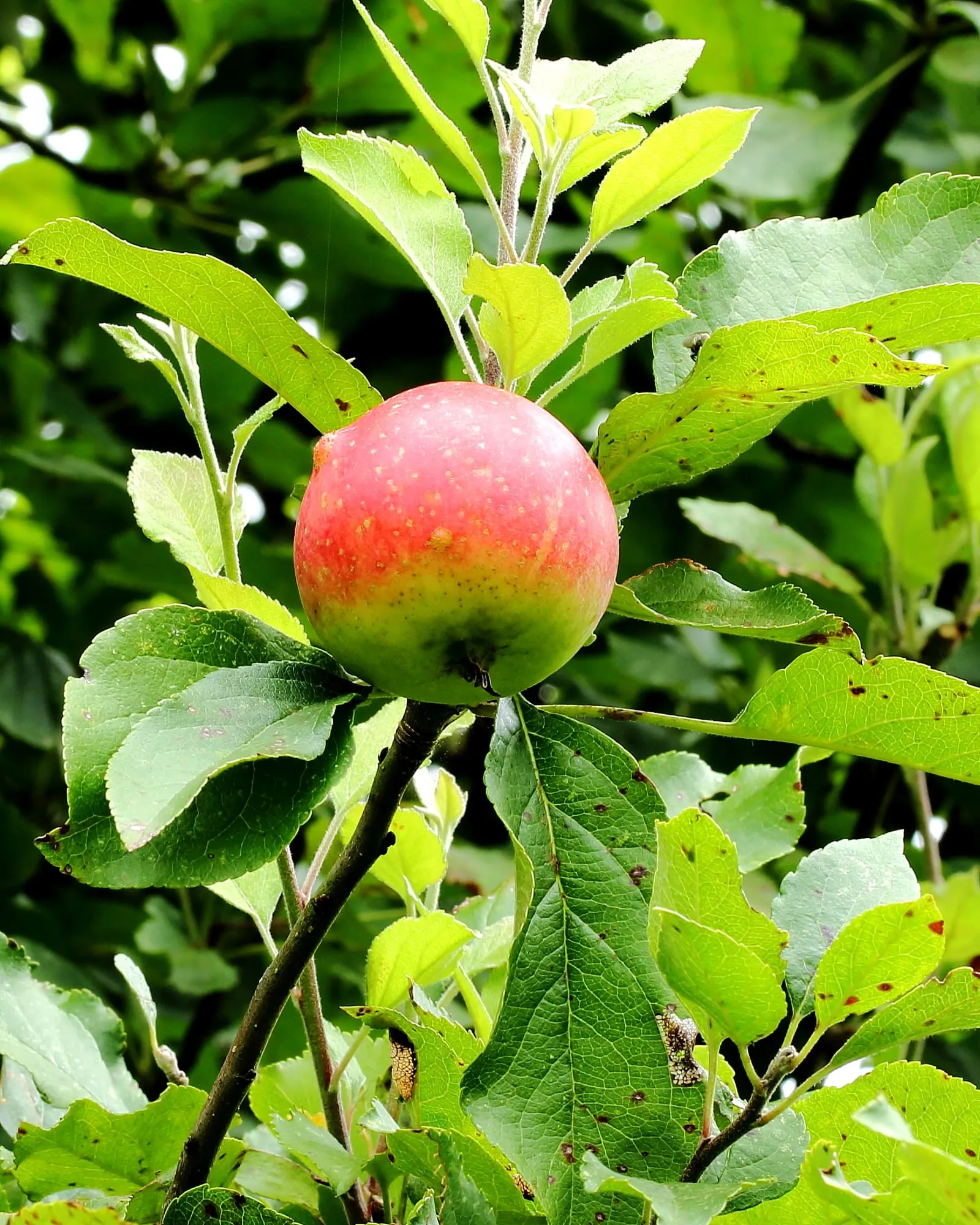
Berries
17 crops
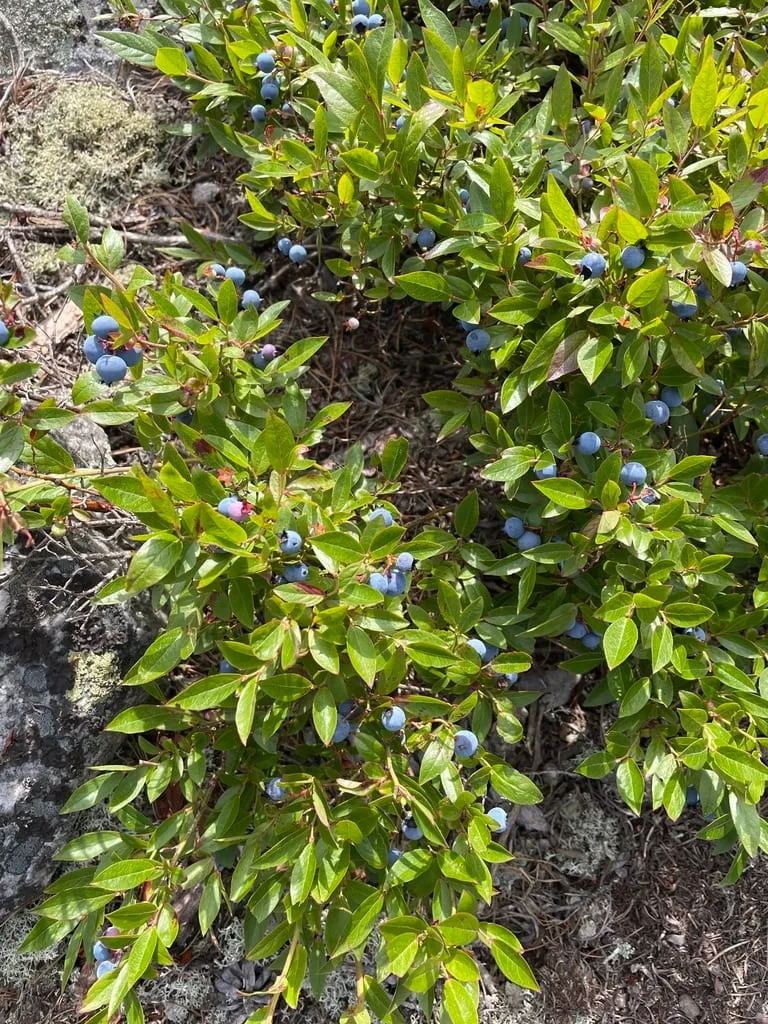 zone 3b
 Lowbush Blueberry
Vaccinium angustifolium
zones 3a–6b
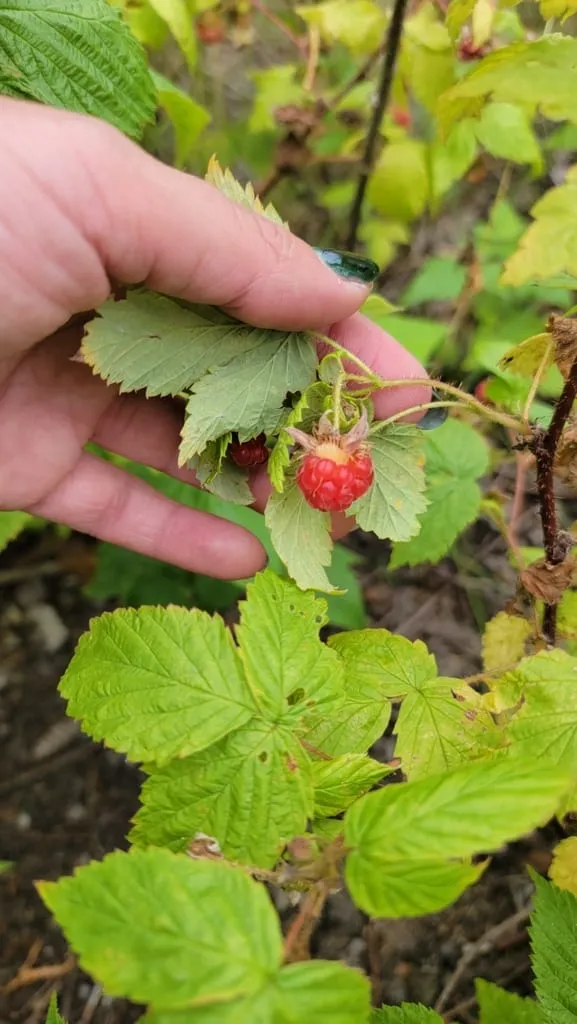 zone 3b
 Red Raspberry
Rubus idaeus
zones 3b–8a
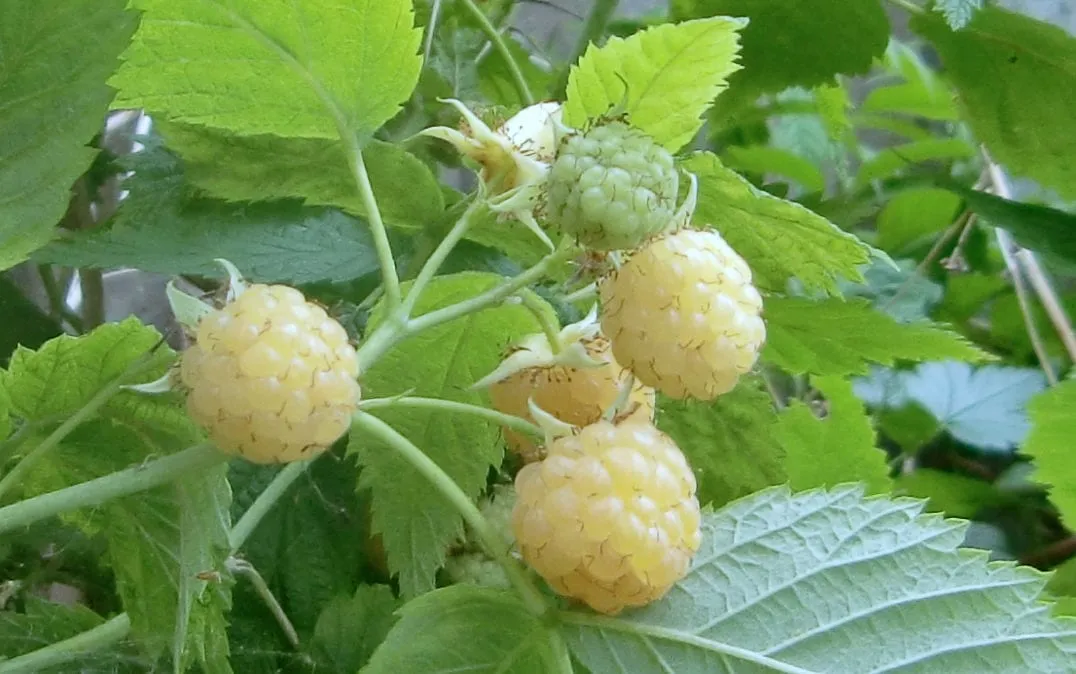 zone 3b
 Yellow Raspberry
Rubus idaeus
zones 3b–8a
 zone 3b
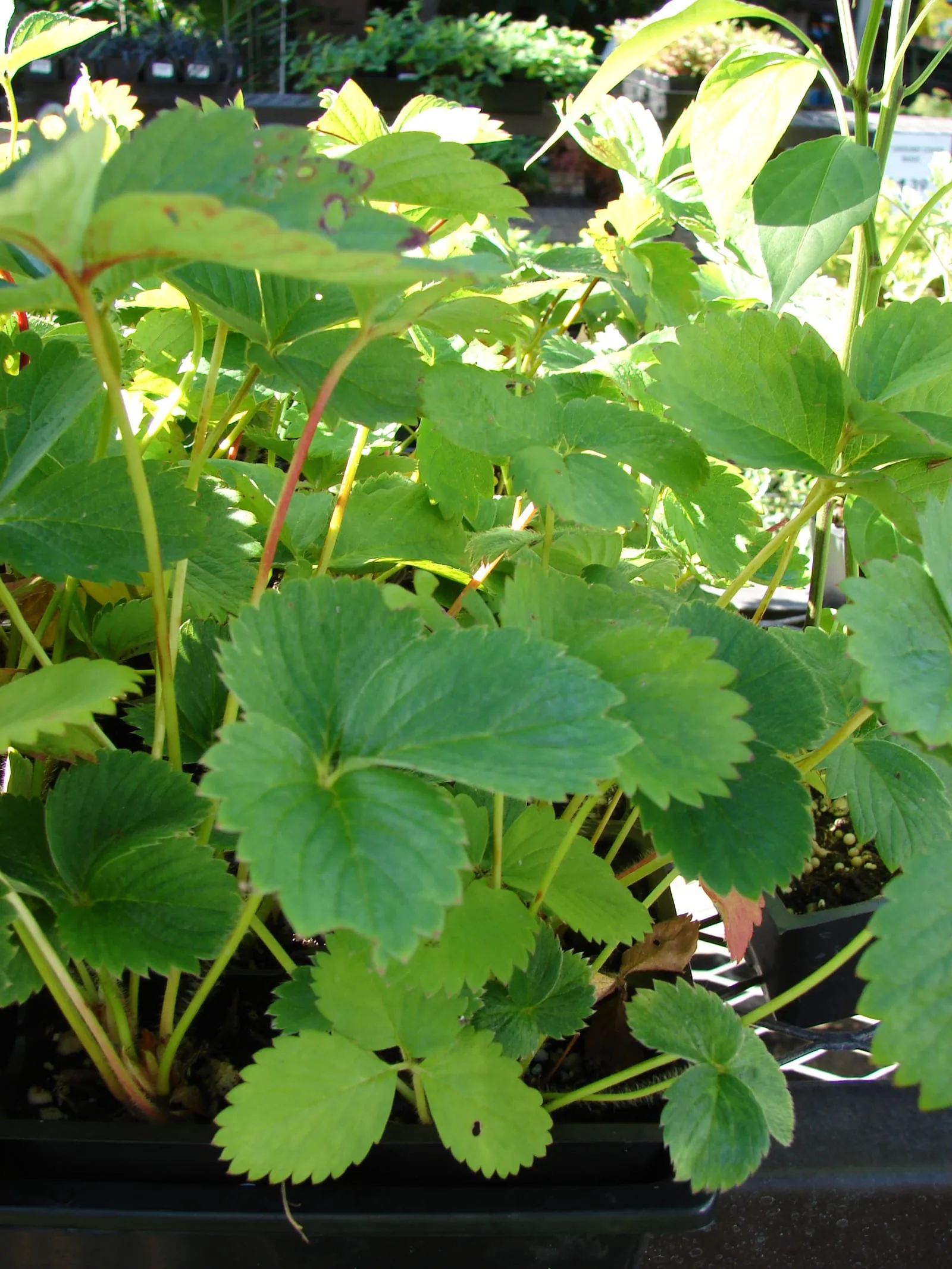
 June-Bearing Strawberry
Fragaria x ananassa
zones 3a–8b
zone 3b Everbearing Strawberry
Fragaria x ananassa
zones 3b–9a
 zone 3b
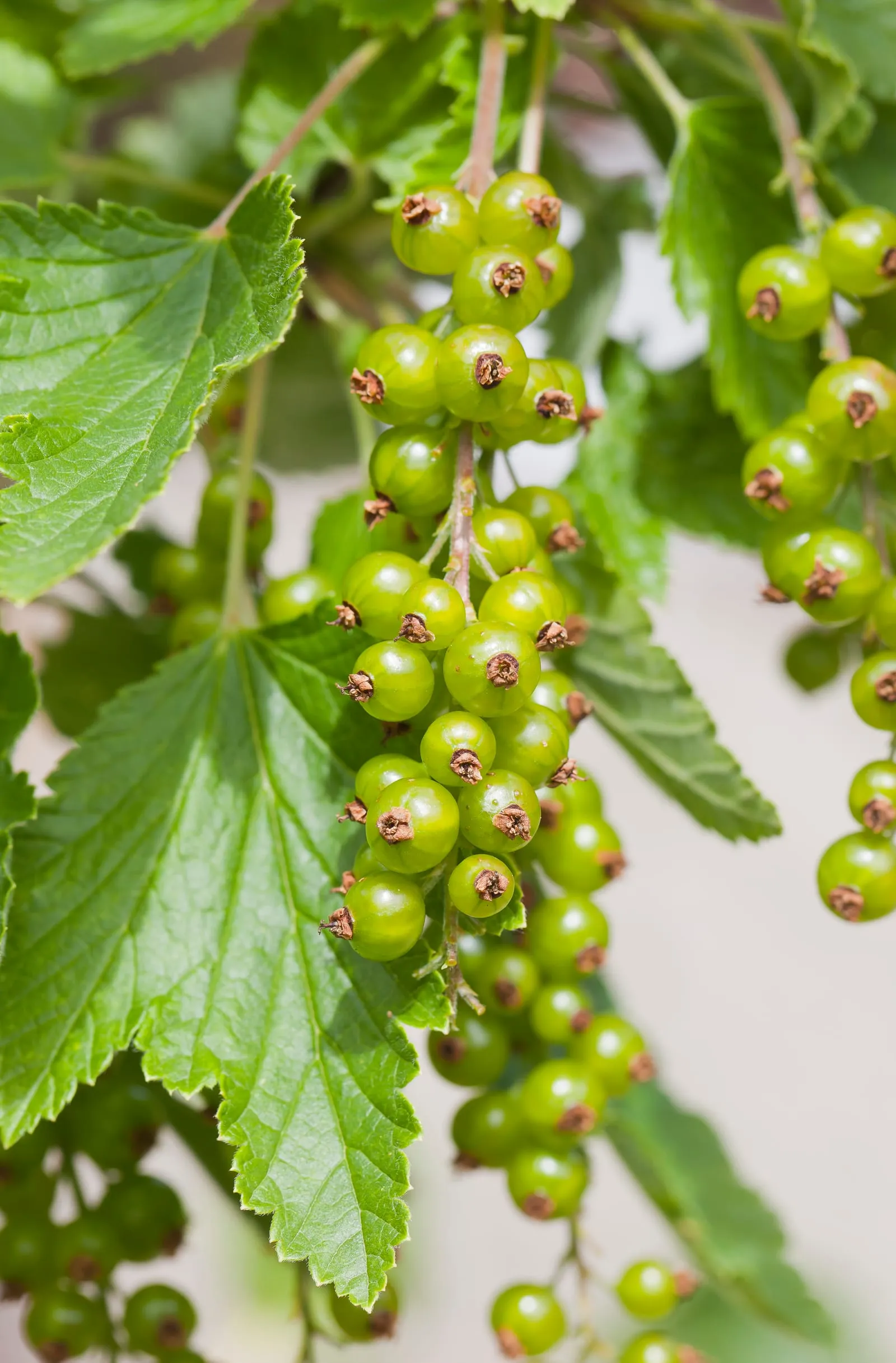
 Red Currant
Ribes rubrum
zones 3a–7a
 zone 3b
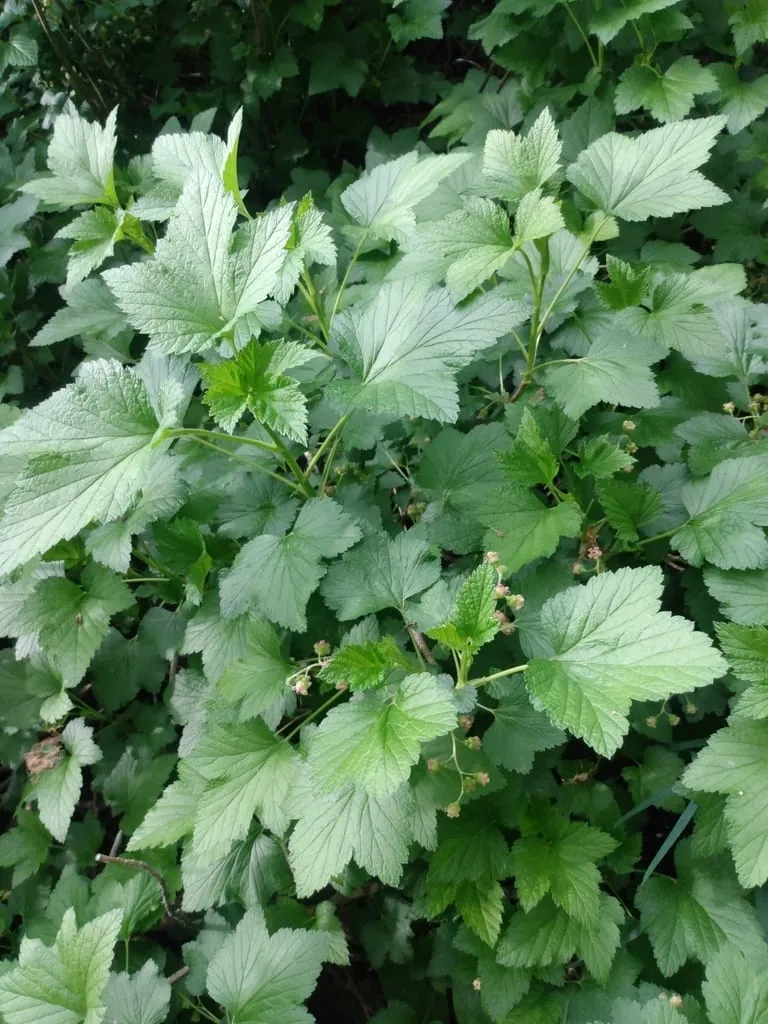
 Black Currant
Ribes nigrum
zones 3a–7a
zone 3b White Currant
Ribes rubrum
zones 3a–7a
 zone 3b
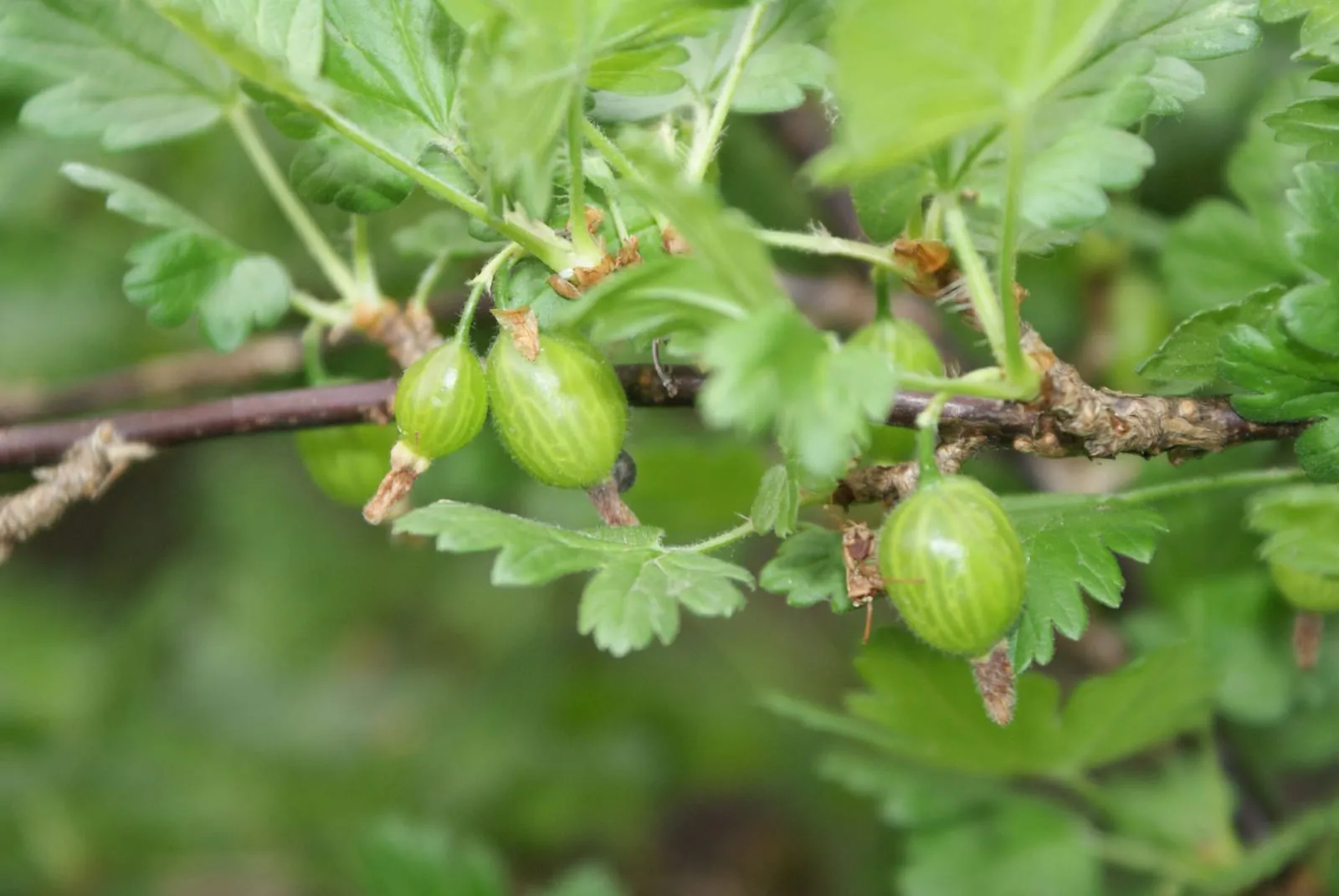
 Gooseberry
Ribes uva-crispa
zones 3a–7b
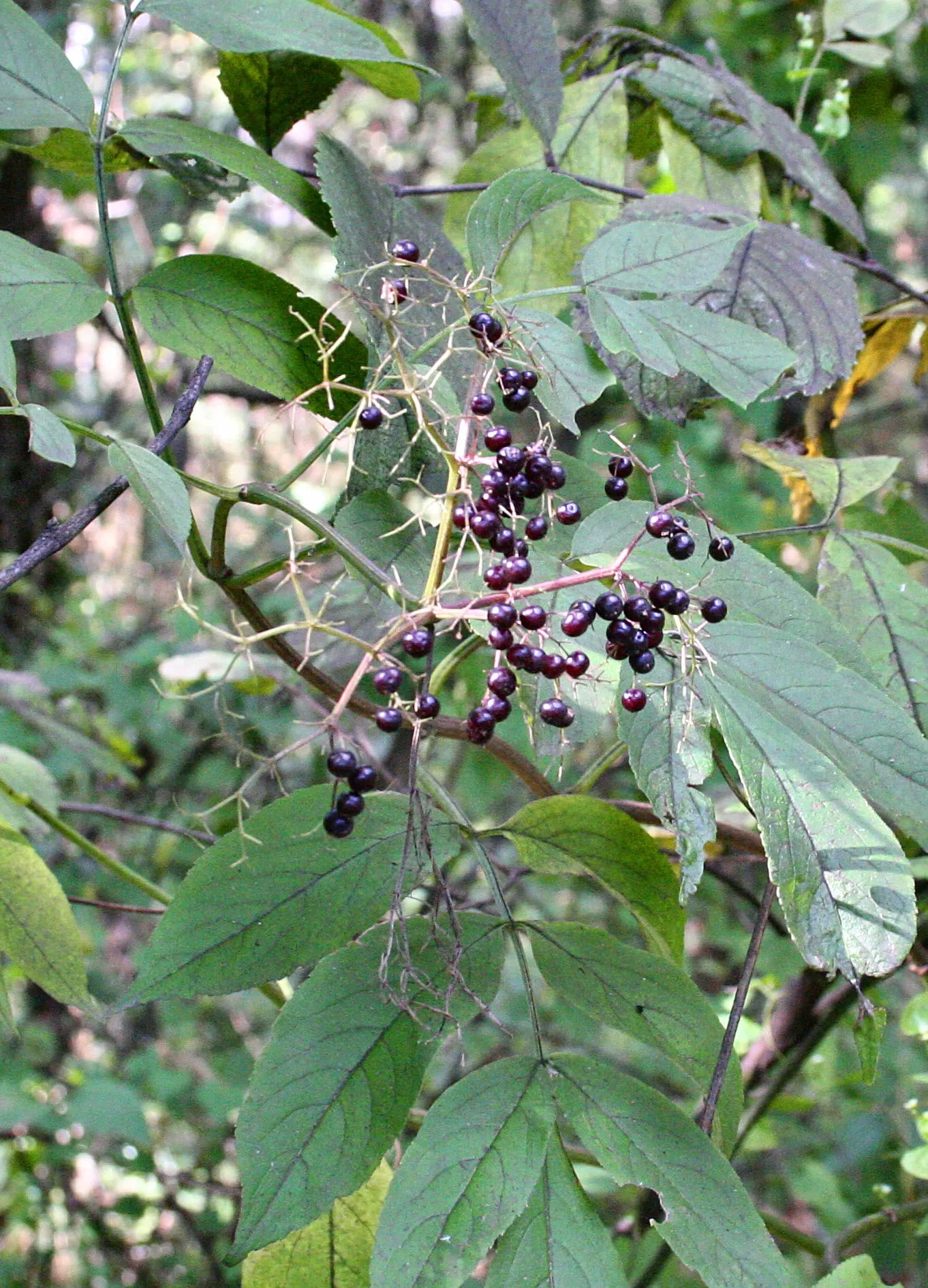 zone 3b
 Elderberry
Sambucus canadensis
zones 3b–9a
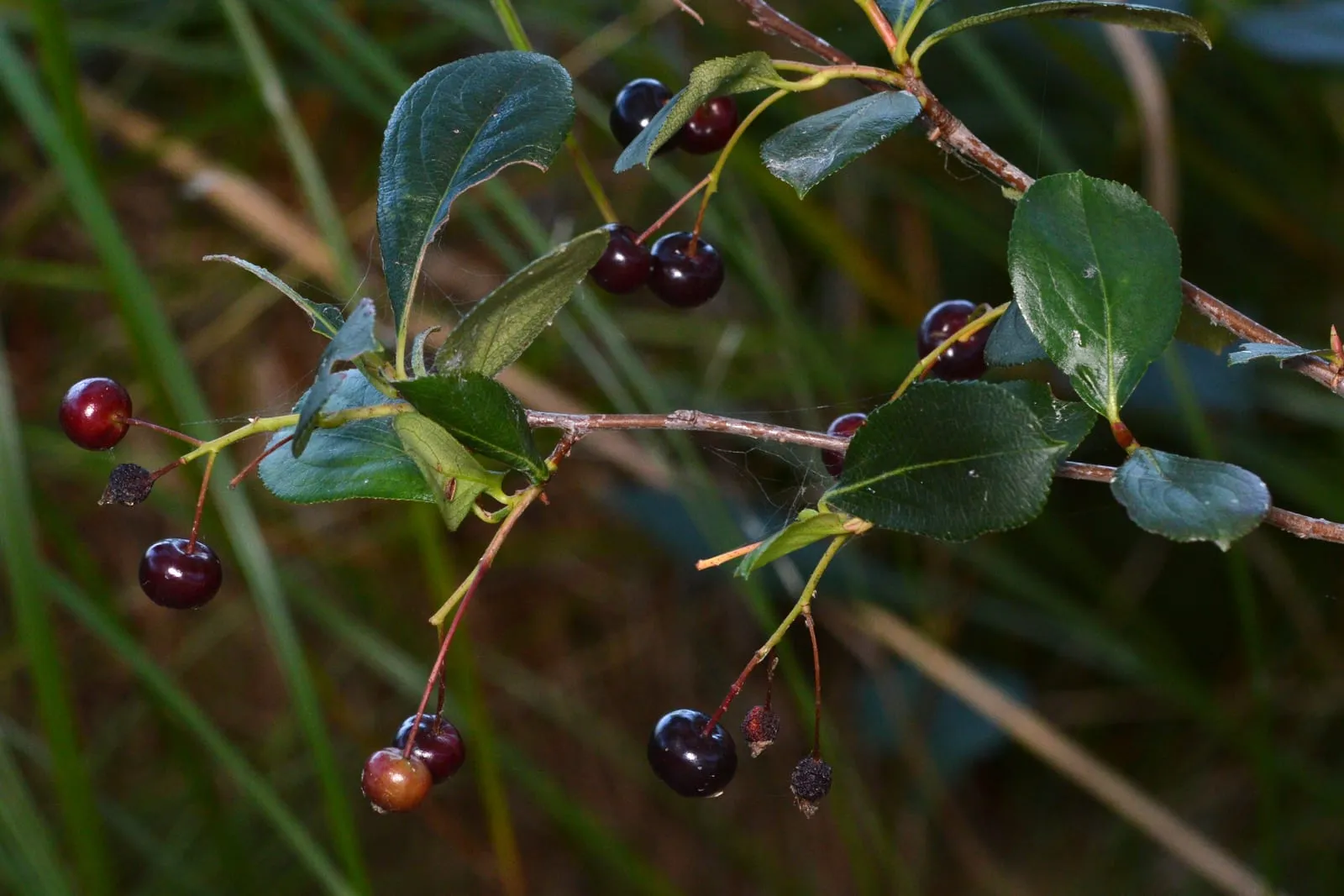 zone 3b
 Aronia (Black Chokeberry)
Aronia melanocarpa
zones 3a–8a
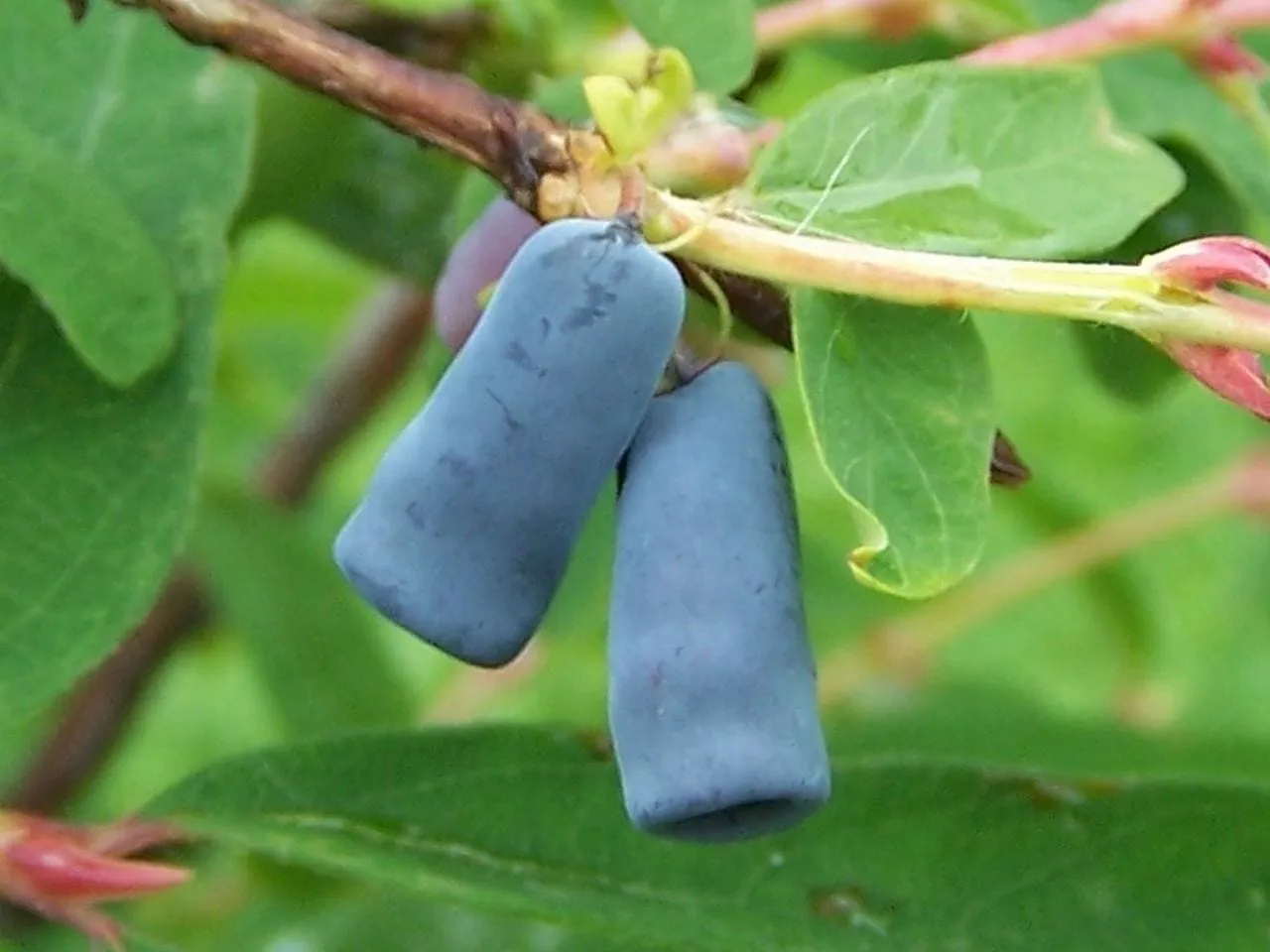 zone 3b
 Honeyberry (Haskap)
Lonicera caerulea
zones 3a–7a
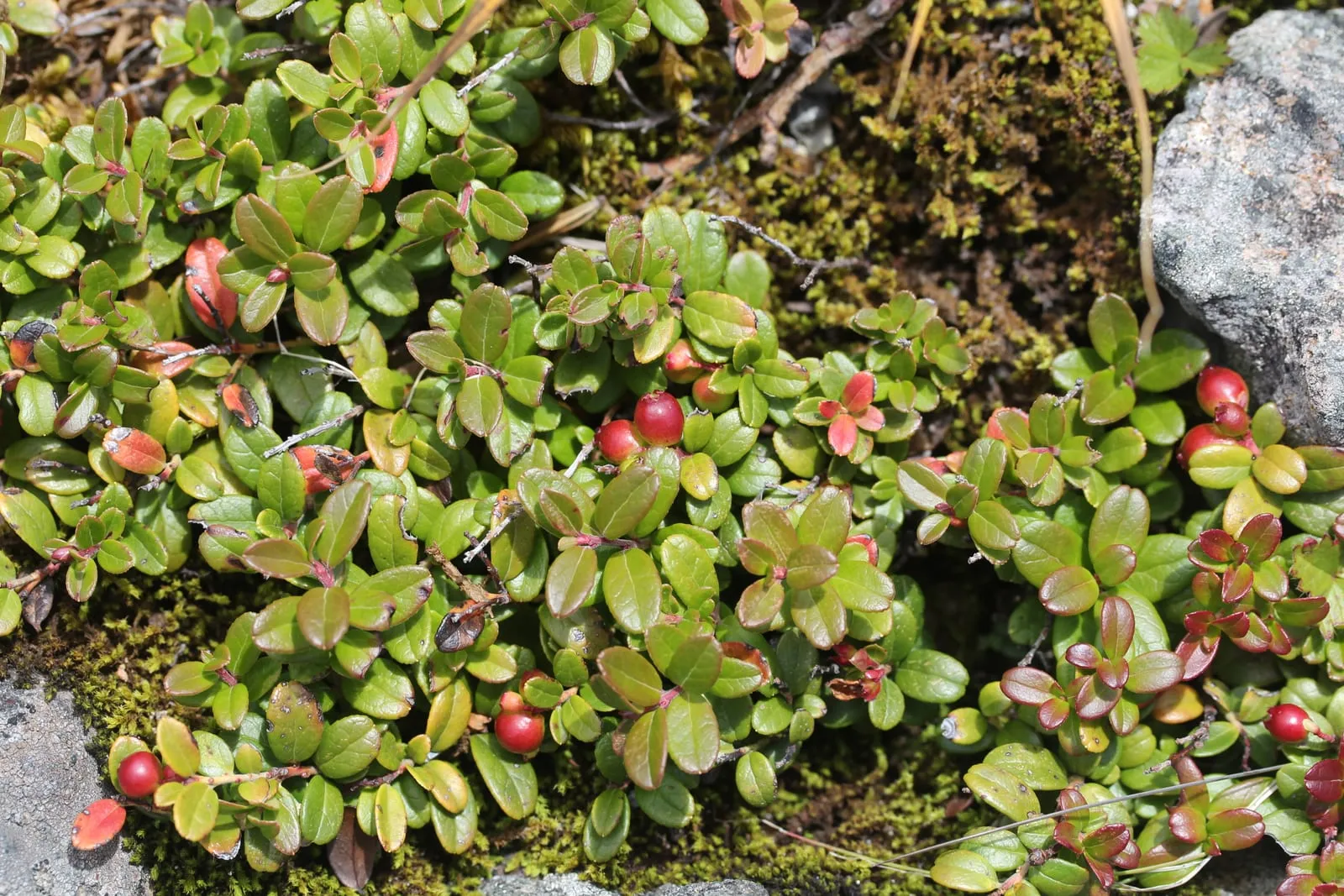 zone 3b
 Lingonberry
Vaccinium vitis-idaea
zones 3a–7a
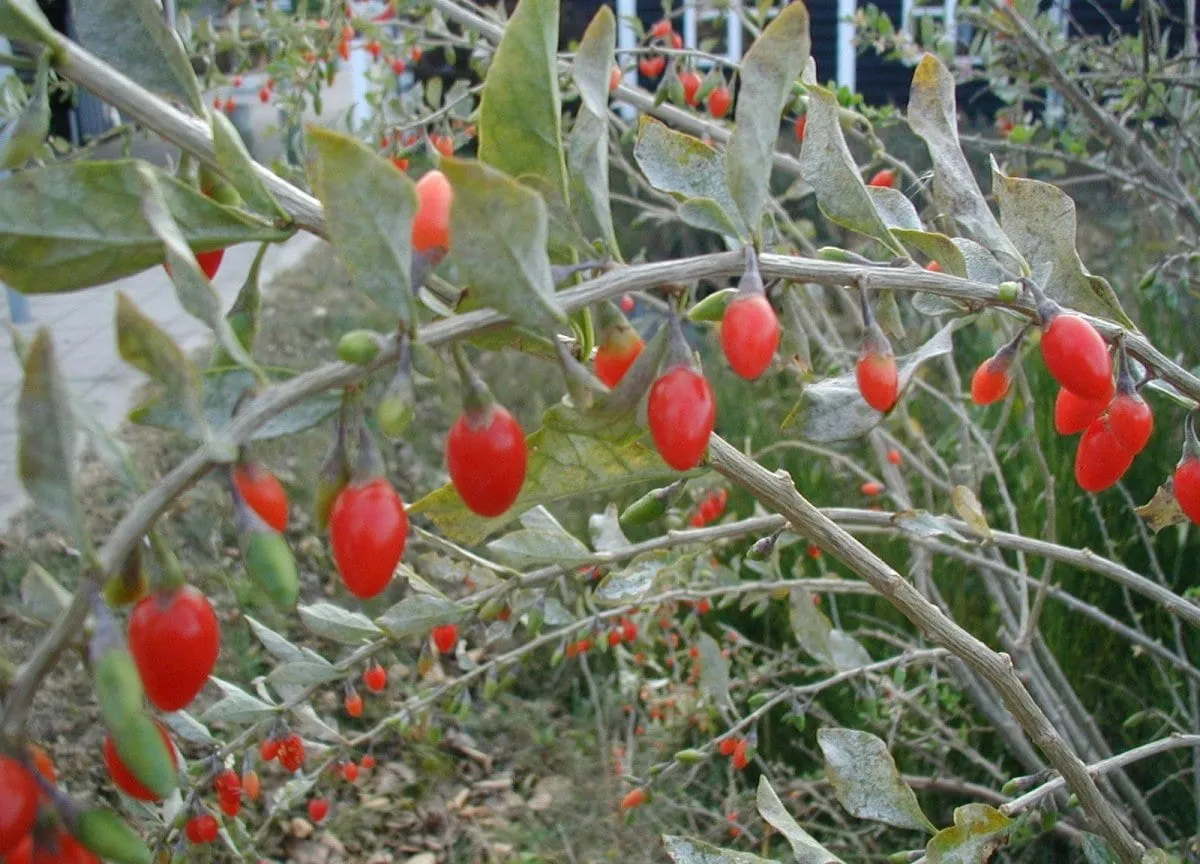 zone 3b
 Goji Berry
Lycium barbarum
zones 3b–10a
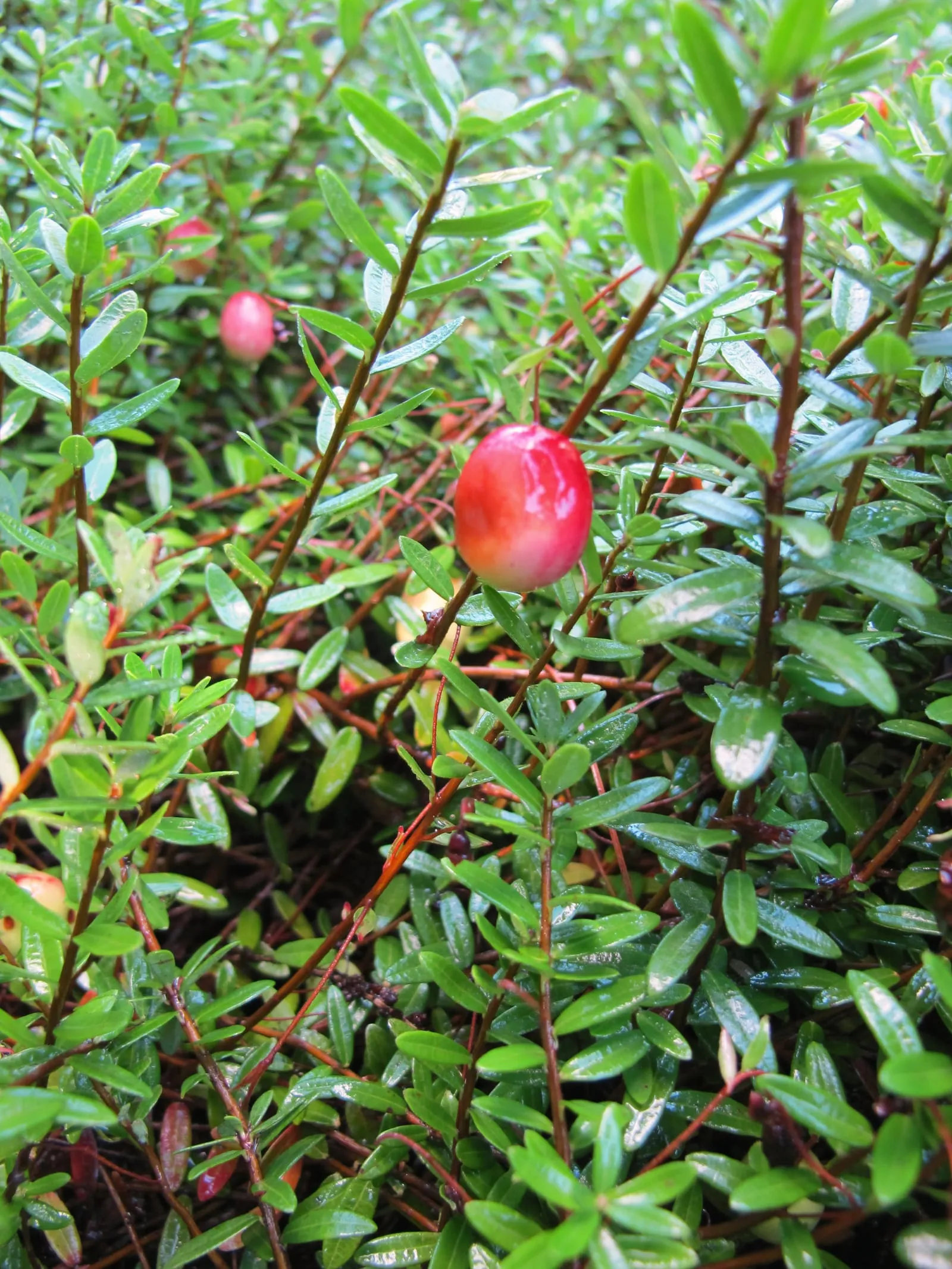 zone 3b
 Cranberry
Vaccinium macrocarpon
zones 3a–7a
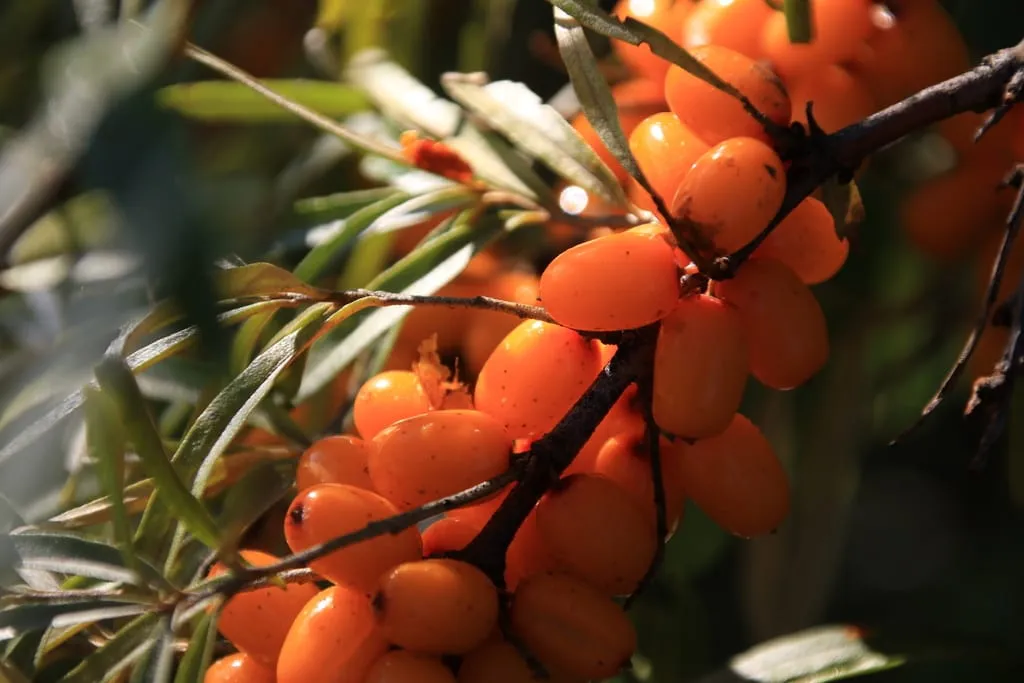 zone 3b
 Sea Buckthorn
Hippophae rhamnoides
zones 3a–7a
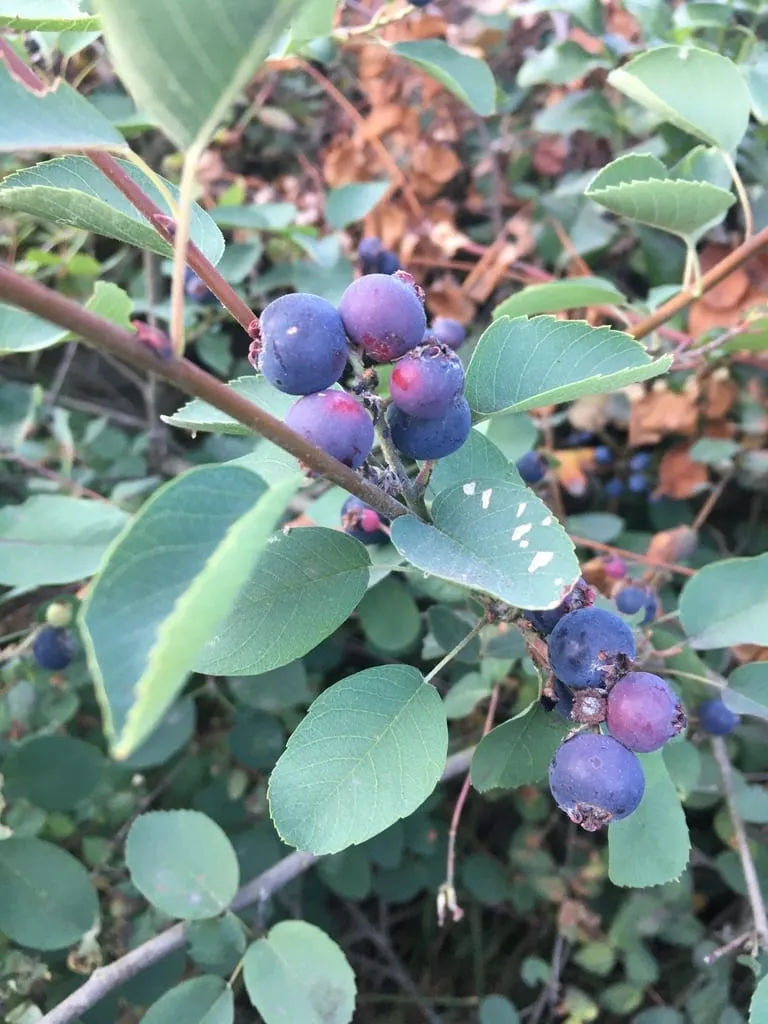 zone 3b
 Saskatoon (Serviceberry)
Amelanchier alnifolia
zones 3a–7a
Vegetables
29 crops
 zone 3b
 Tomato
Solanum lycopersicum
zones 3a–10b
 zone 3b
 Potato
Solanum tuberosum
zones 3a–9a
 zone 3b
 Cabbage
Brassica oleracea var. capitata
zones 3a–9b
 zone 3b
 Broccoli
Brassica oleracea var. italica
zones 3a–9a
 zone 3b
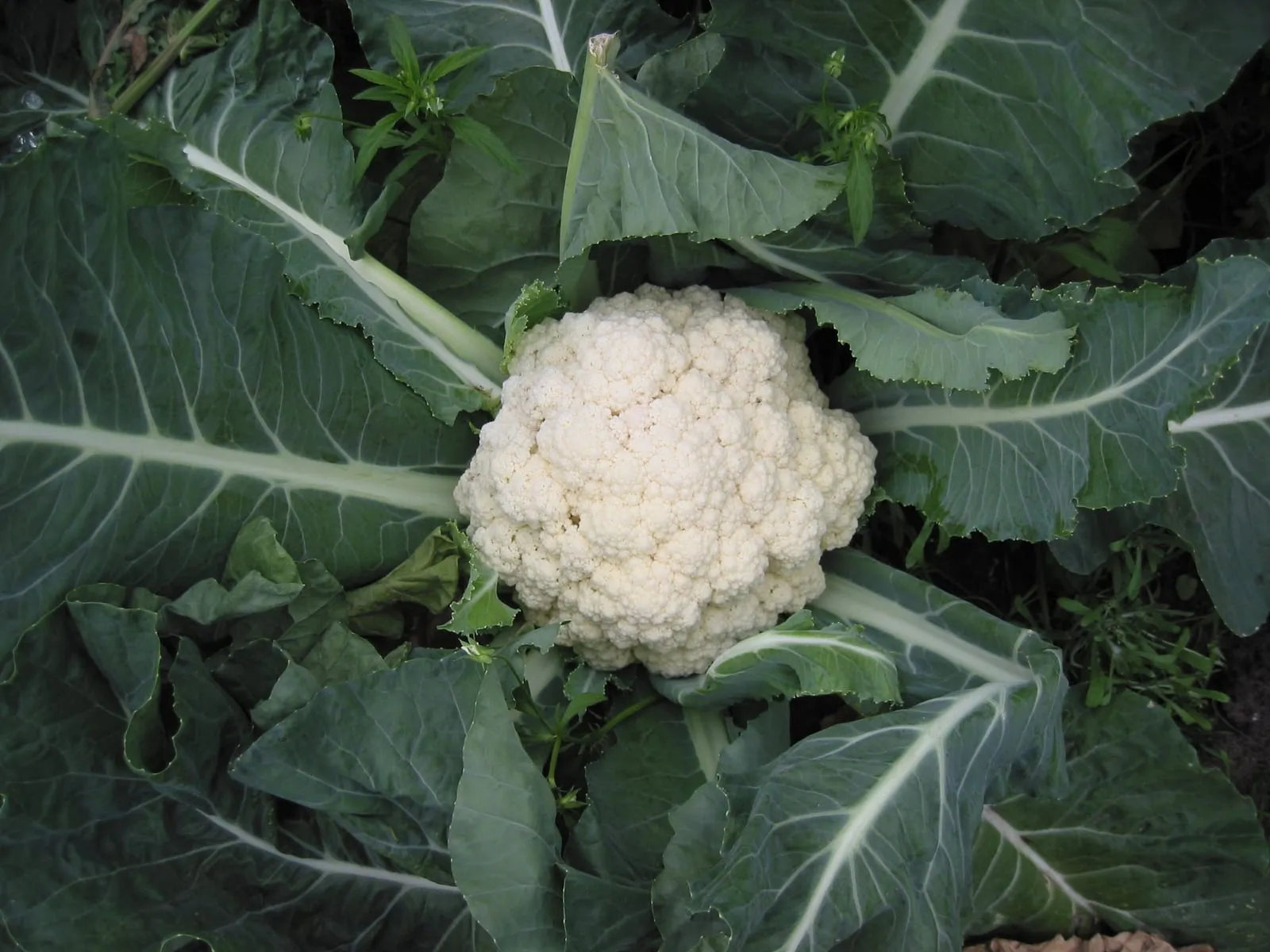
 Cauliflower
Brassica oleracea var. botrytis
zones 3b–9a
 zone 3b
 Kale
Brassica oleracea var. acephala
zones 3a–9b
 zone 3b
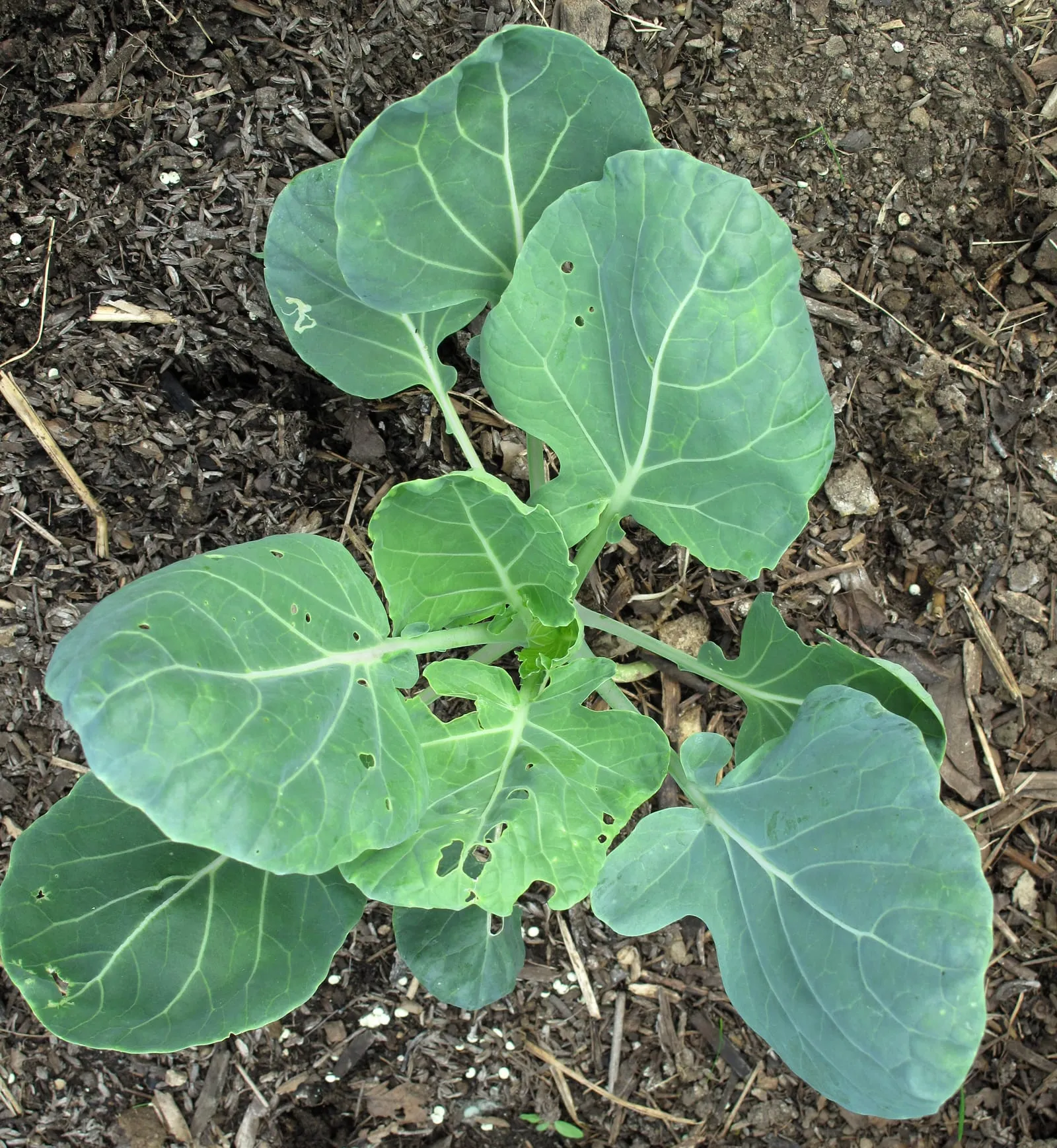
 Brussels Sprouts
Brassica oleracea var. gemmifera
zones 3b–8a
 zone 3b
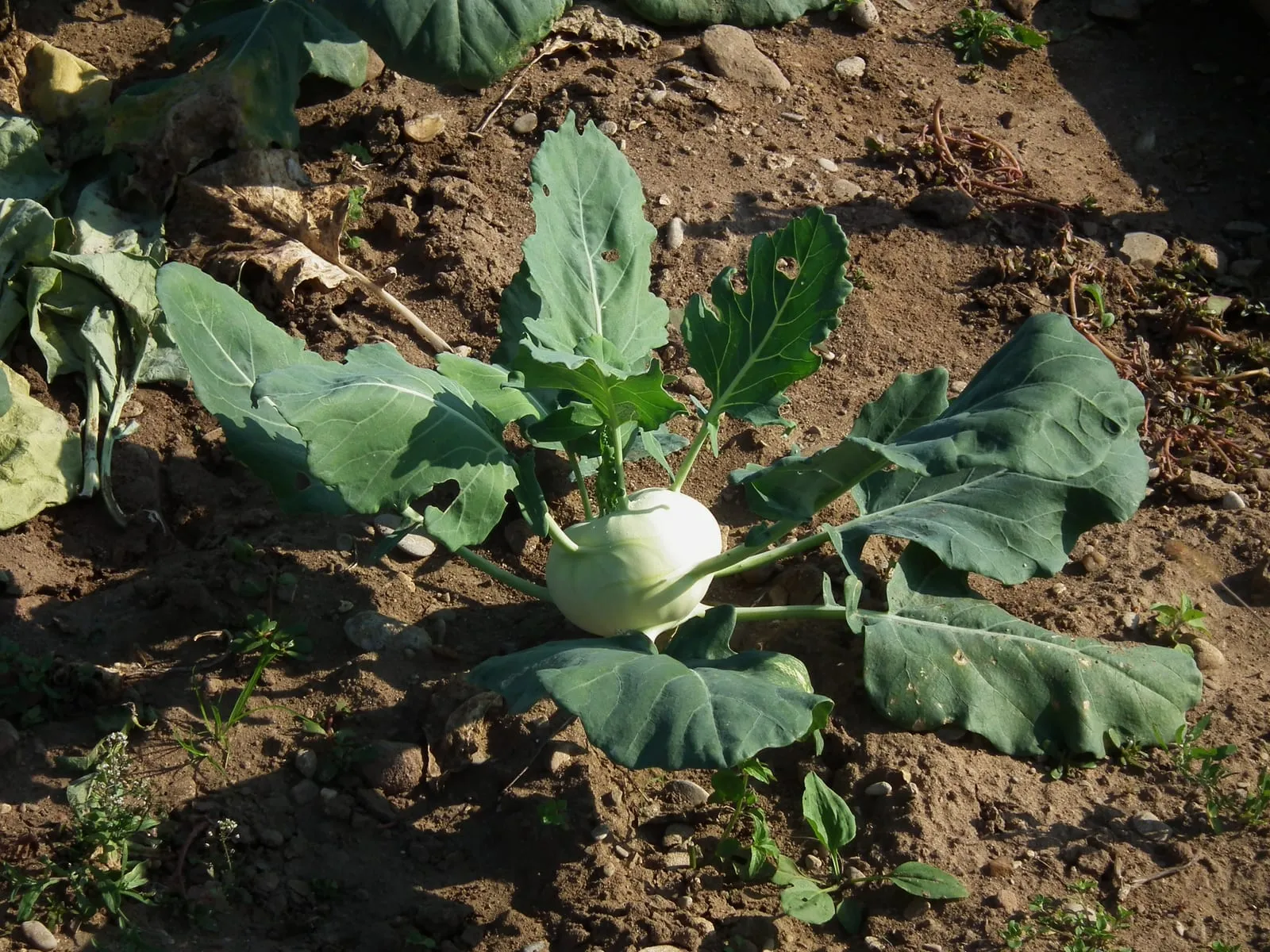
 Kohlrabi
Brassica oleracea var. gongylodes
zones 3b–8a
 zone 3b
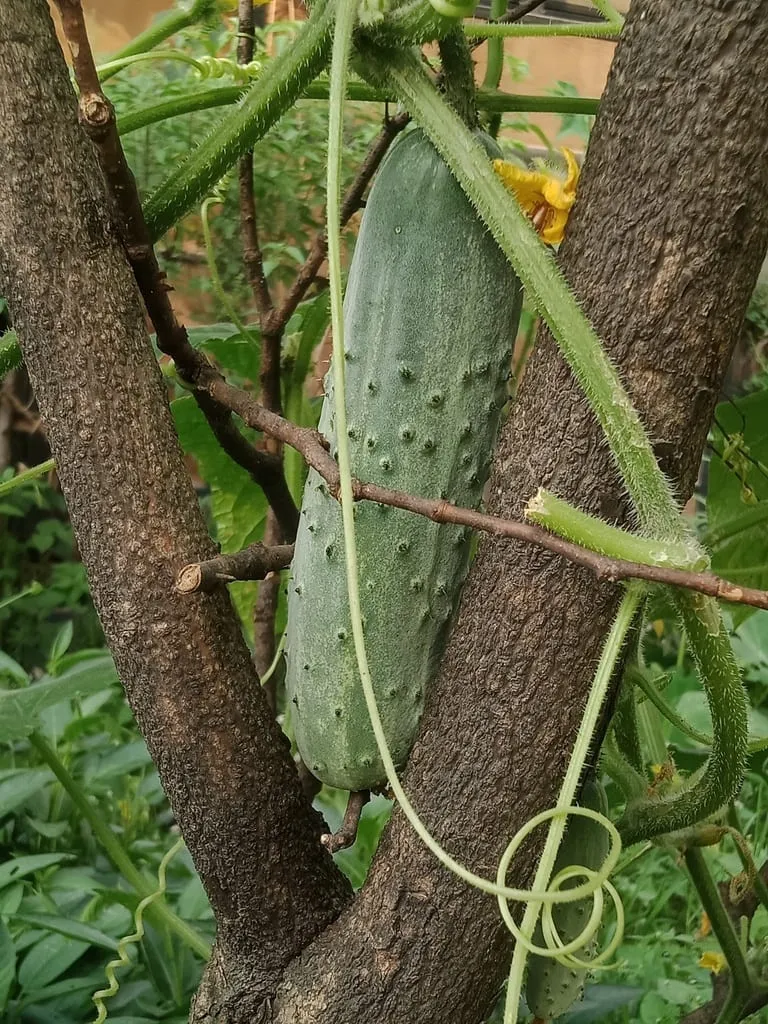
 Cucumber
Cucumis sativus
zones 3b–10a
 zone 3b
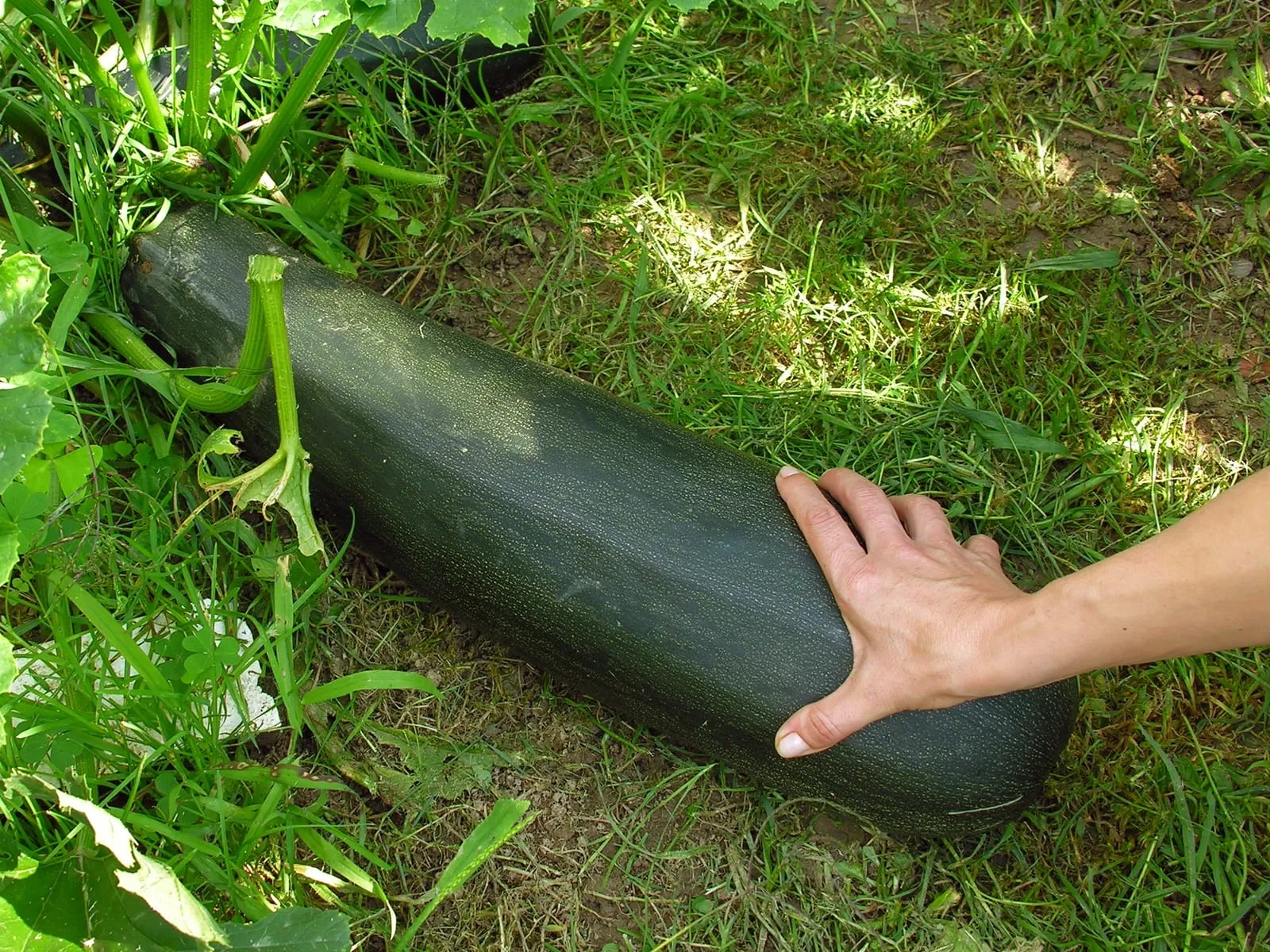
 Summer Squash
Cucurbita pepo
zones 3b–10a
 zone 3b
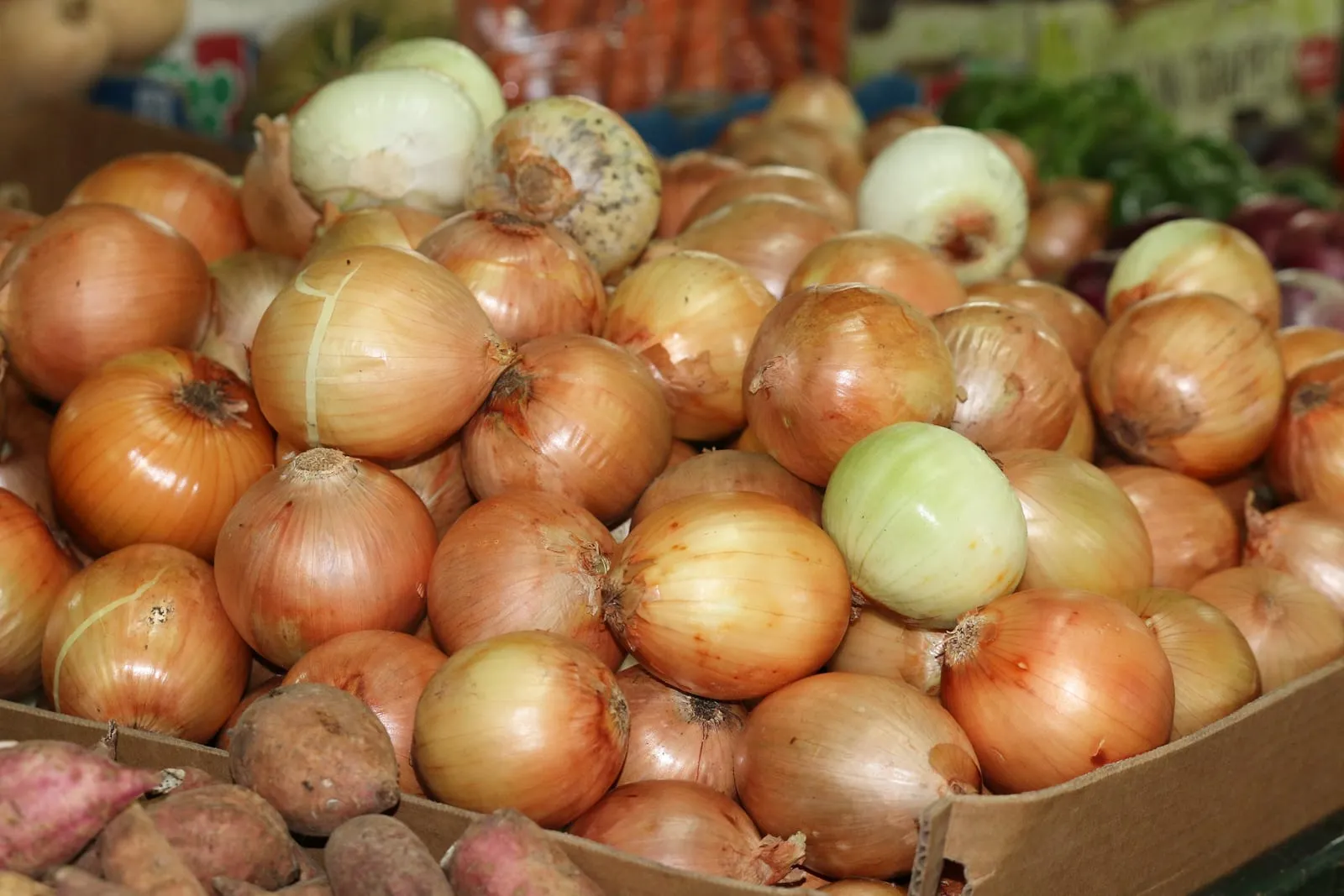
 Onion
Allium cepa
zones 3a–9b
 zone 3b
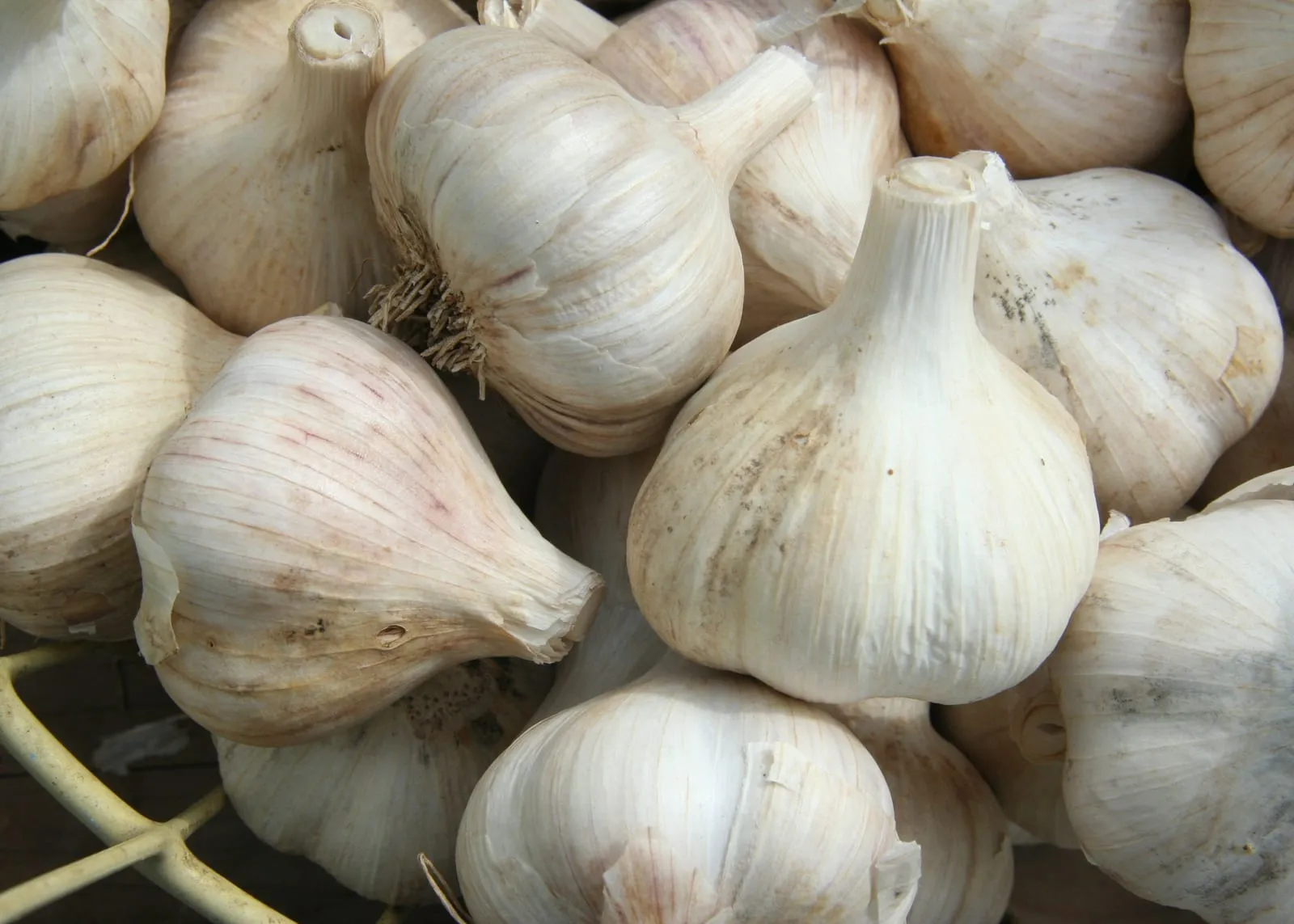
 Garlic
Allium sativum
zones 3a–9a
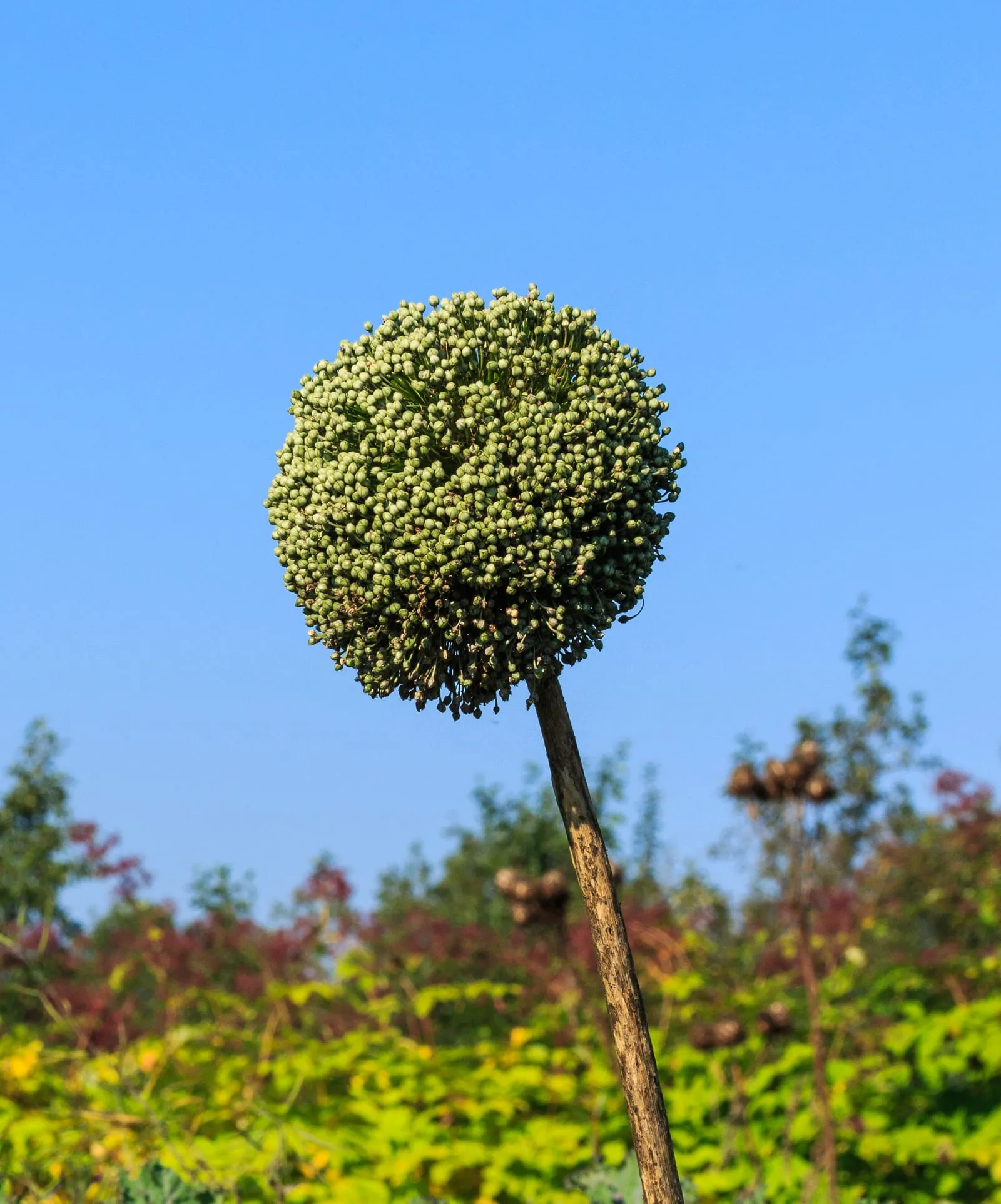 zone 3b
 Leek
Allium ampeloprasum
zones 3b–8b
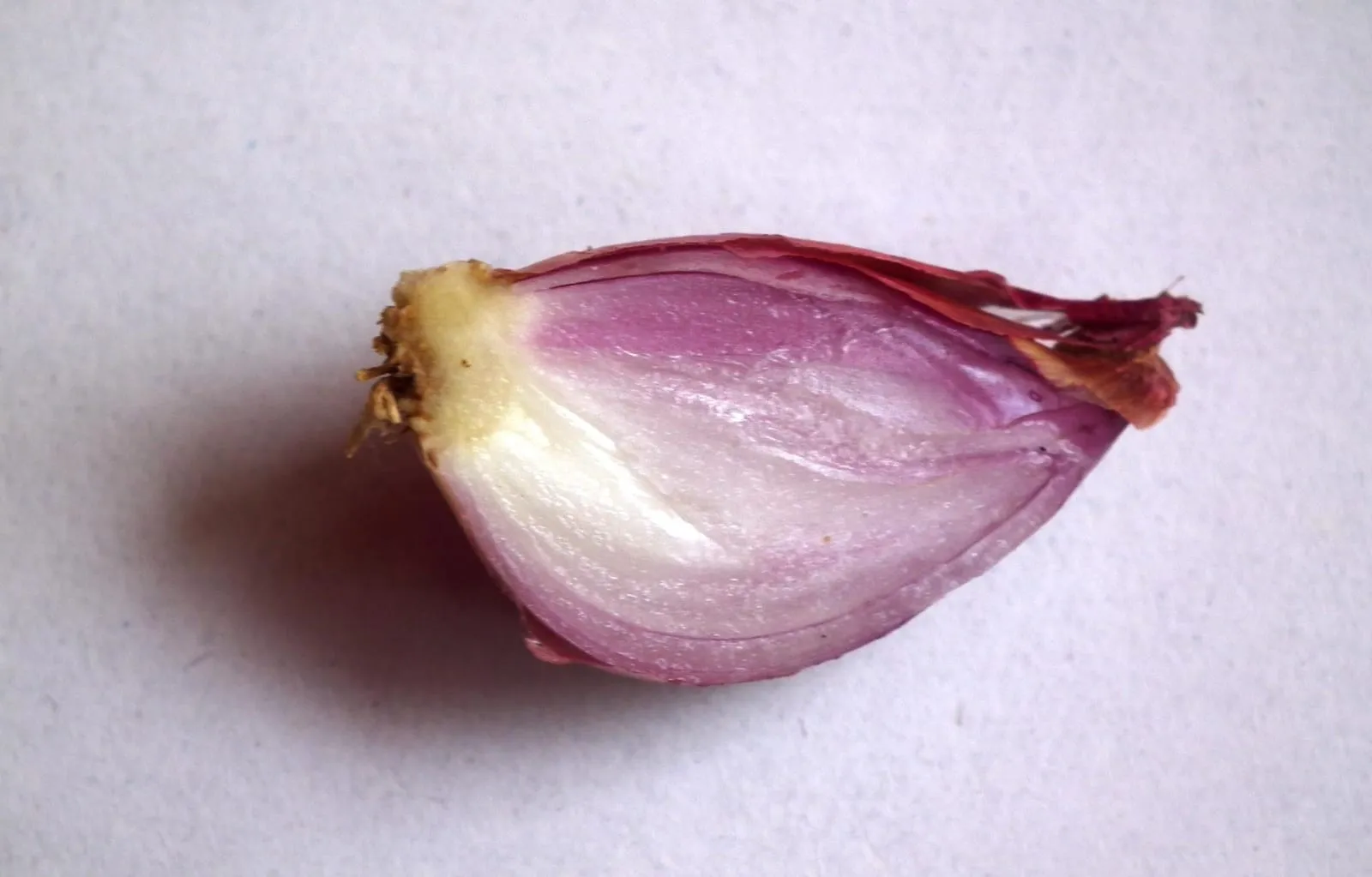 zone 3b
 Shallot
Allium cepa var. aggregatum
zones 3b–8a
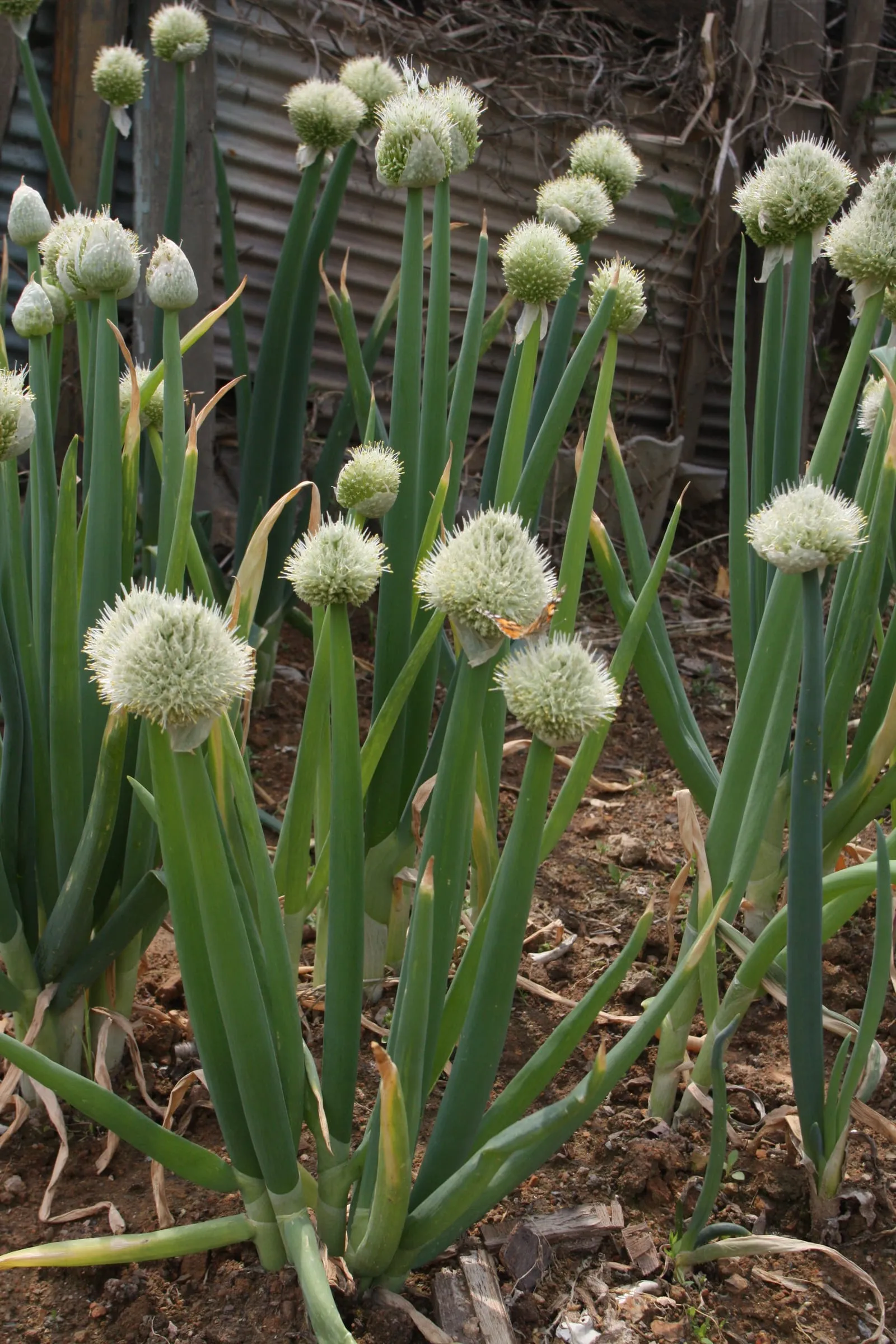 zone 3b
 Scallion (Bunching Onion)
Allium fistulosum
zones 3b–9b
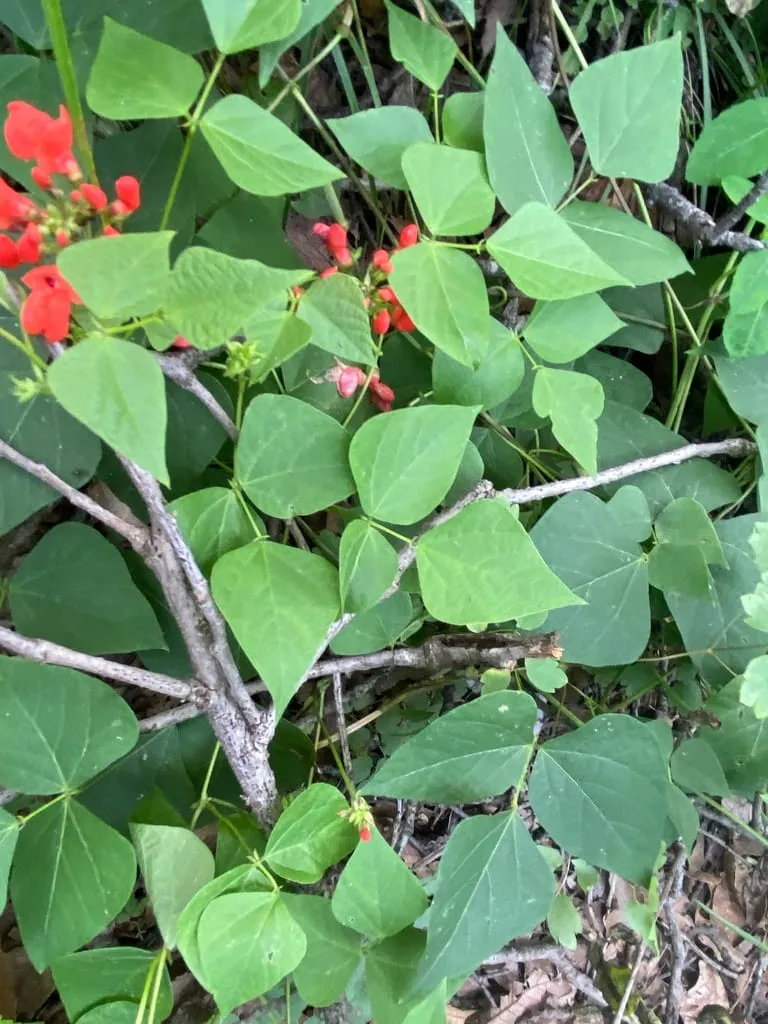 zone 3b
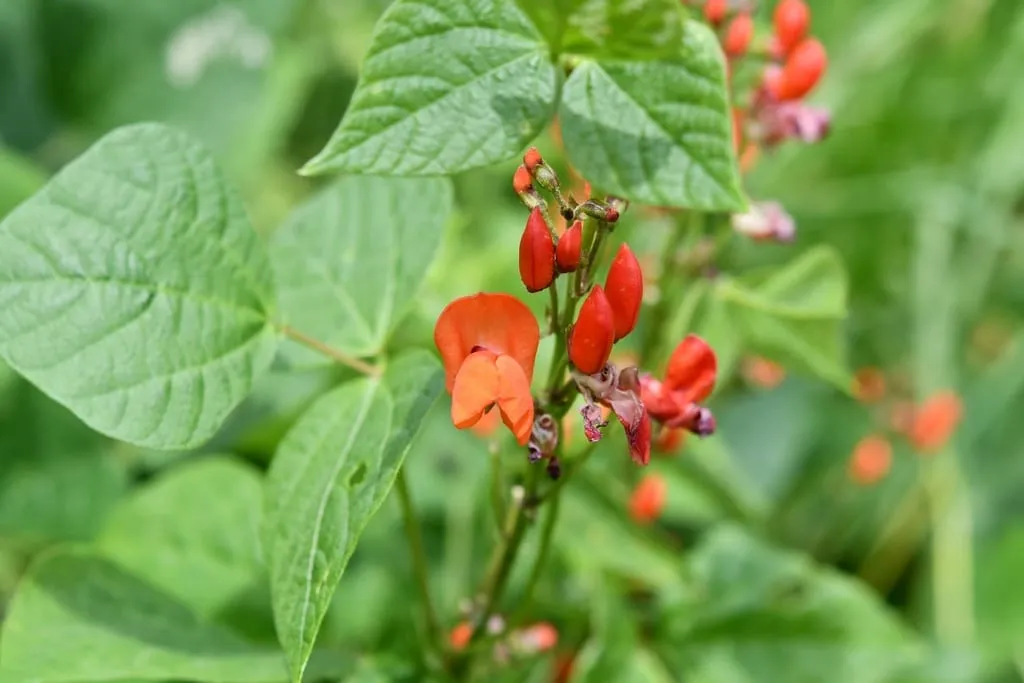
 Bush Bean
Phaseolus vulgaris
zones 3b–9a
 zone 3b
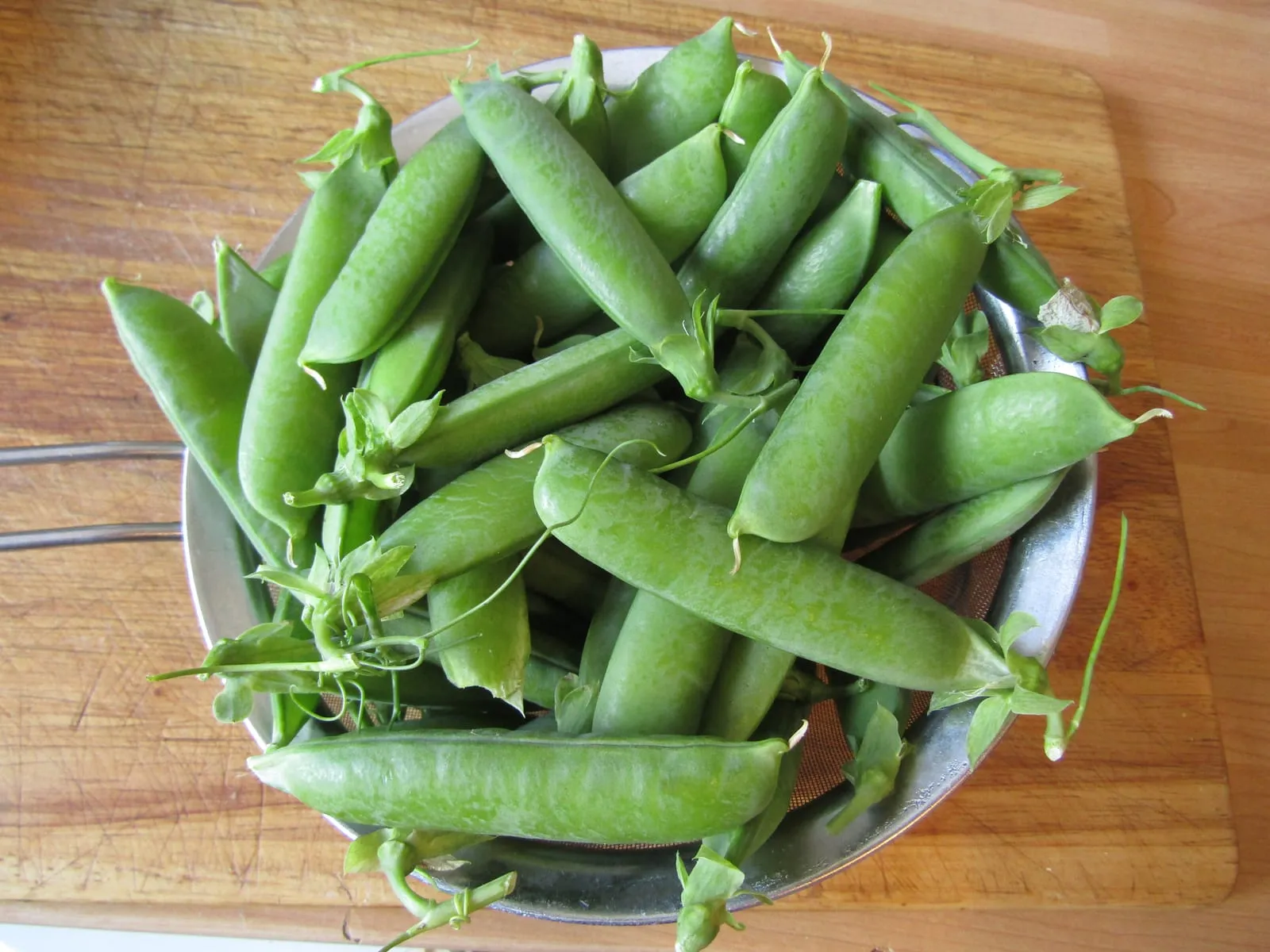
 Pole Bean
Phaseolus vulgaris
zones 3b–9a
 zone 3b
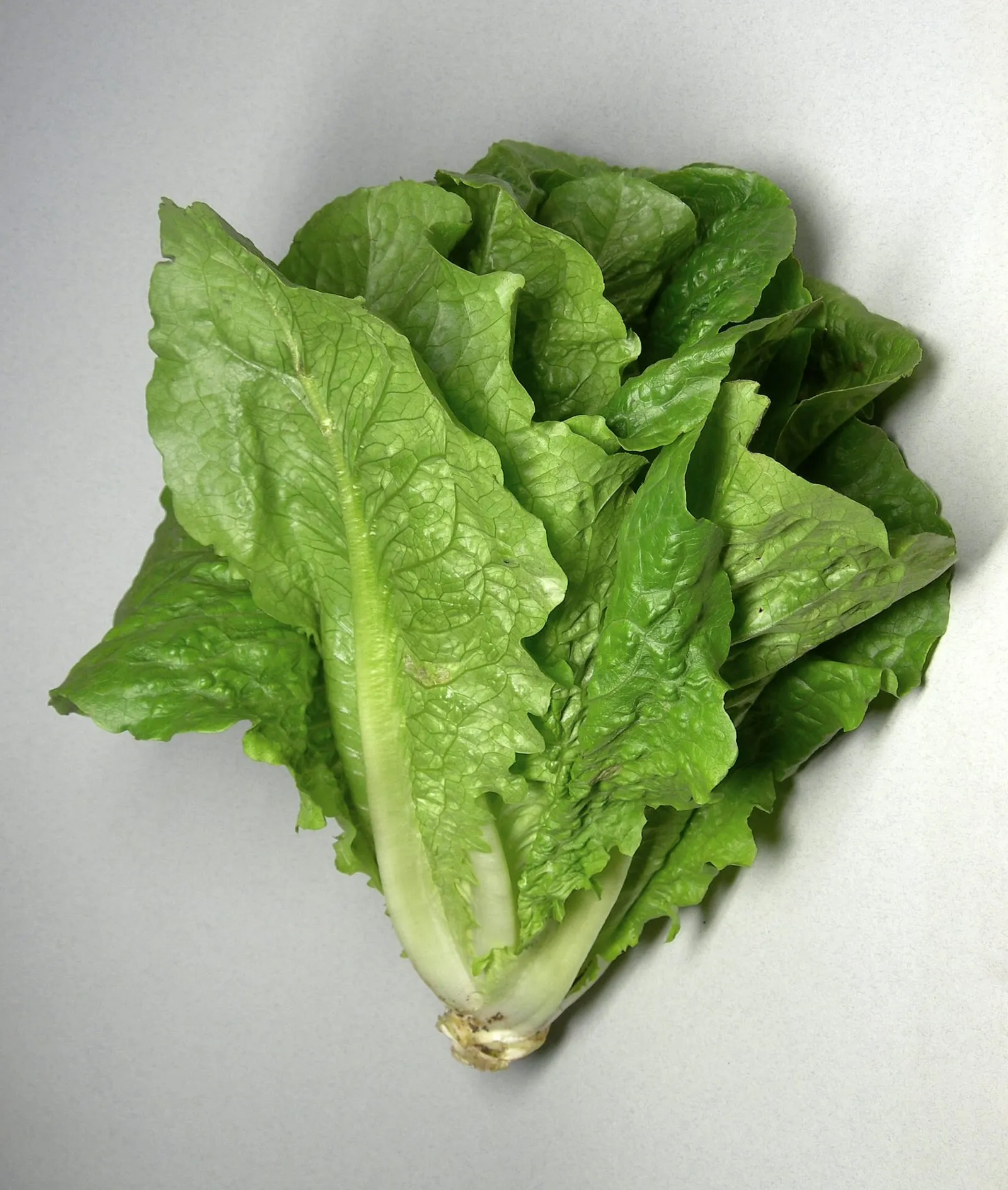
 Pea
Pisum sativum
zones 3a–8b
 zone 3b
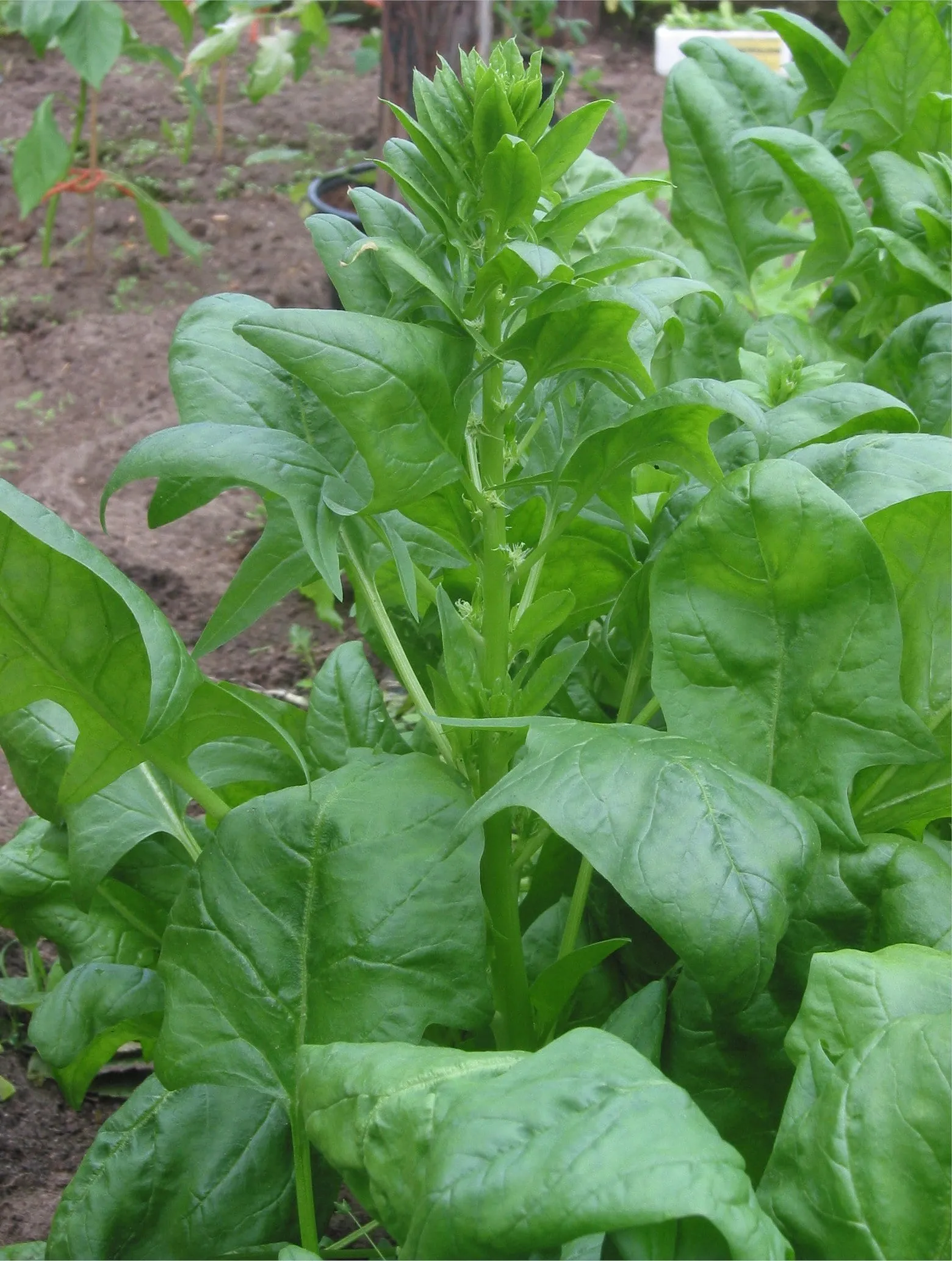
 Lettuce
Lactuca sativa
zones 3a–9b
 zone 3b
 Spinach
Spinacia oleracea
zones 3a–9a
 zone 3b
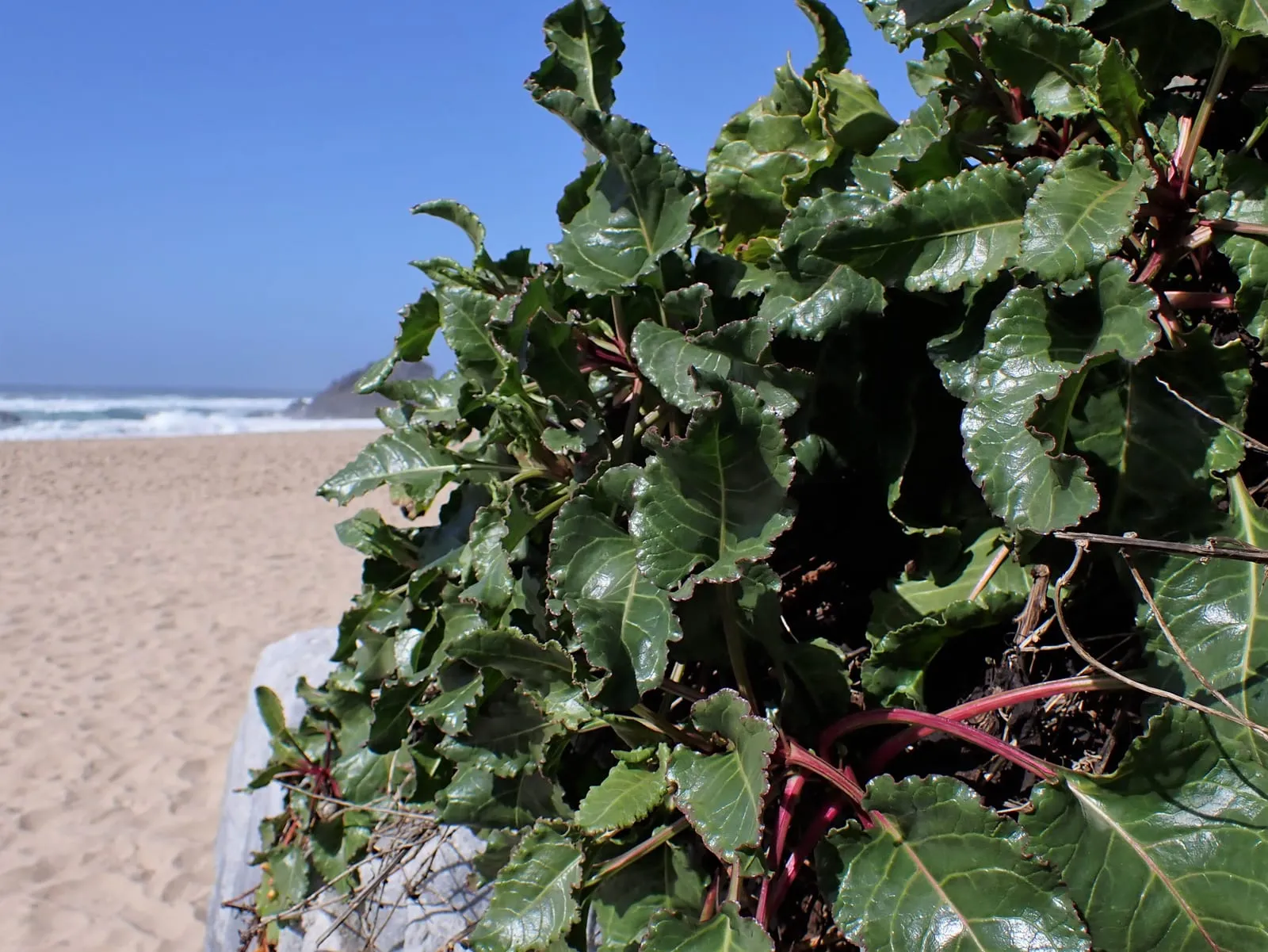
 Swiss Chard
Beta vulgaris subsp. vulgaris
zones 3a–9b
 zone 3b
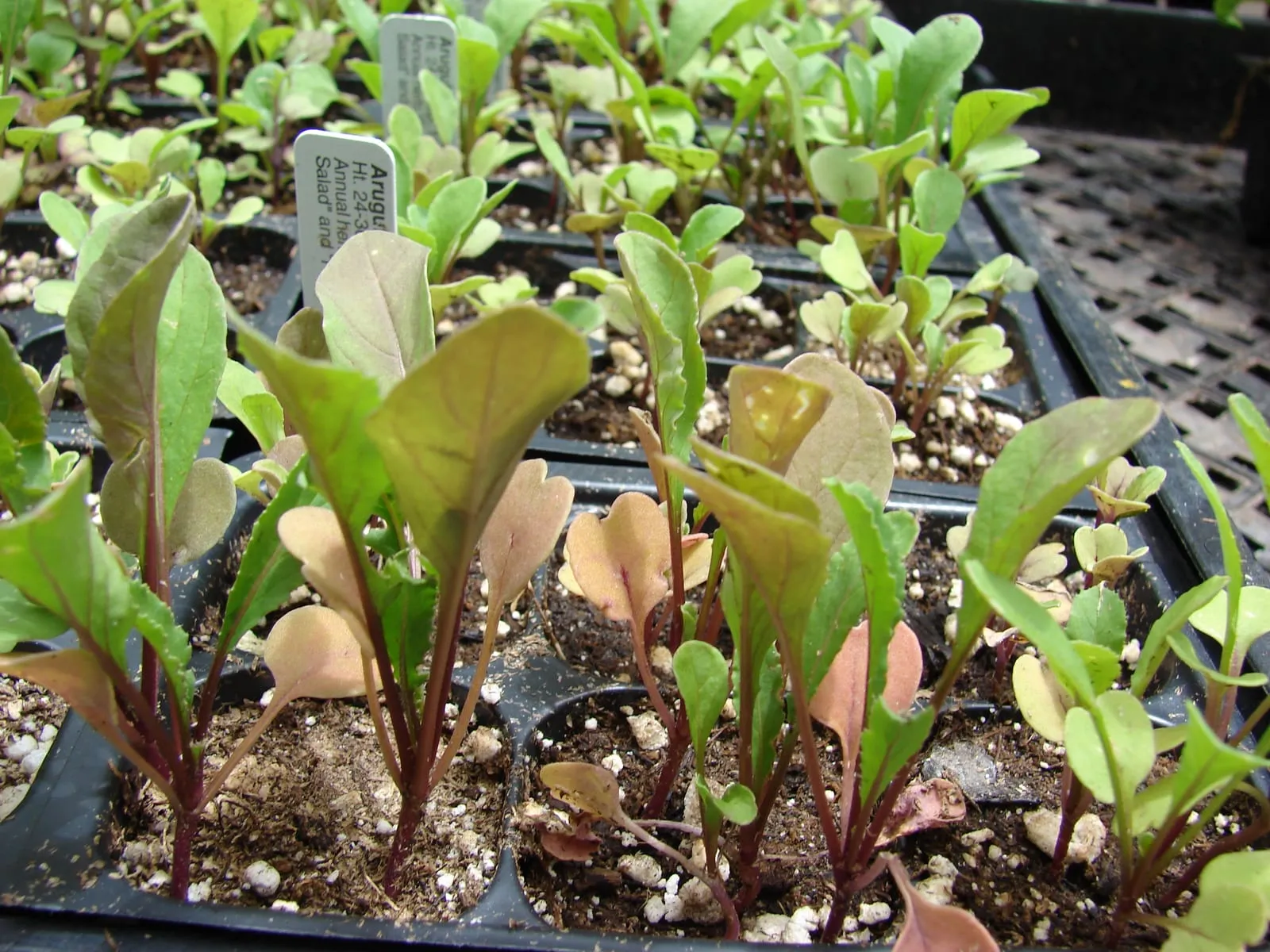
 Arugula
Eruca vesicaria
zones 3b–9a
 zone 3b
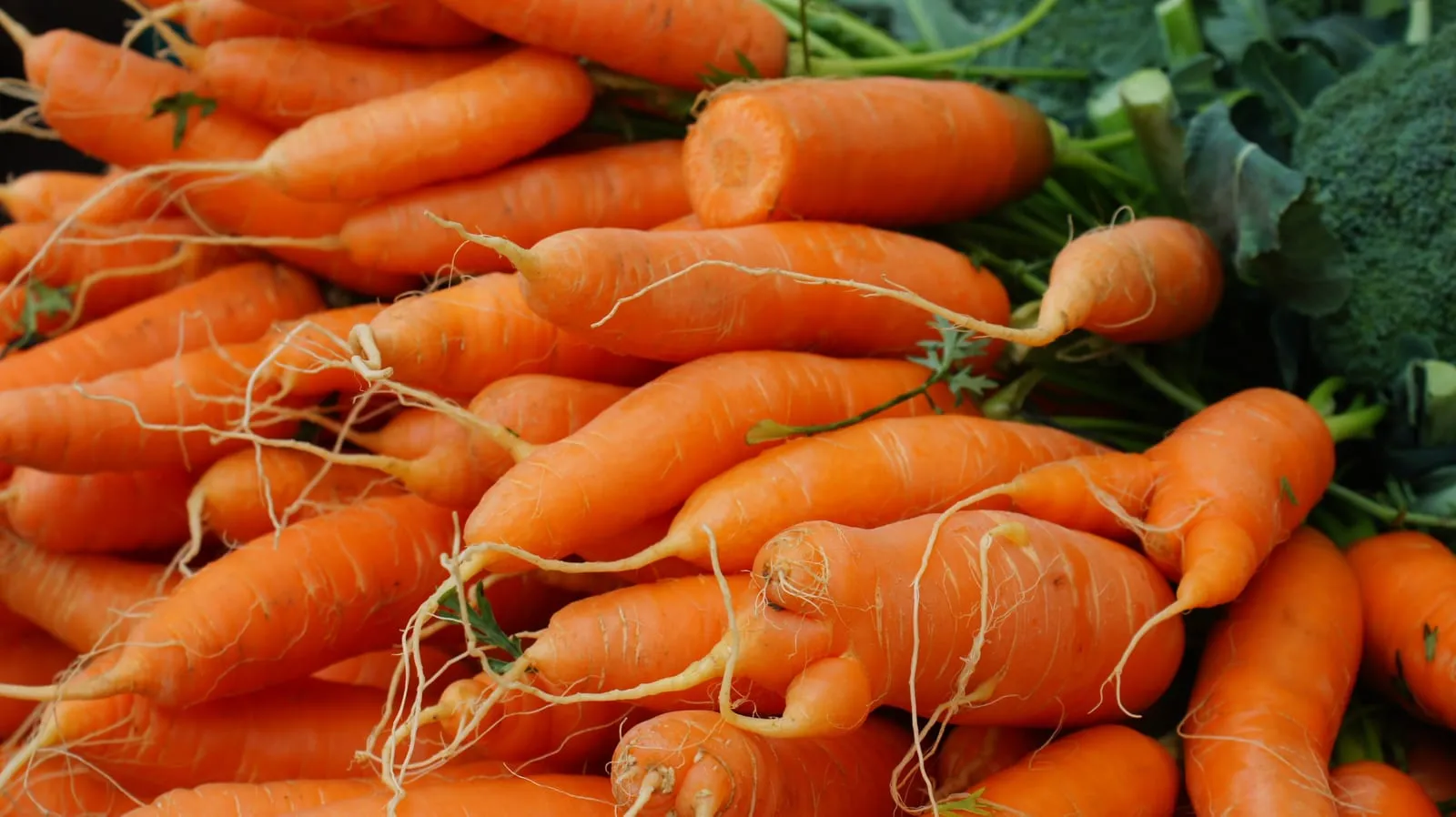
 Carrot
Daucus carota subsp. sativus
zones 3a–9a
 zone 3b
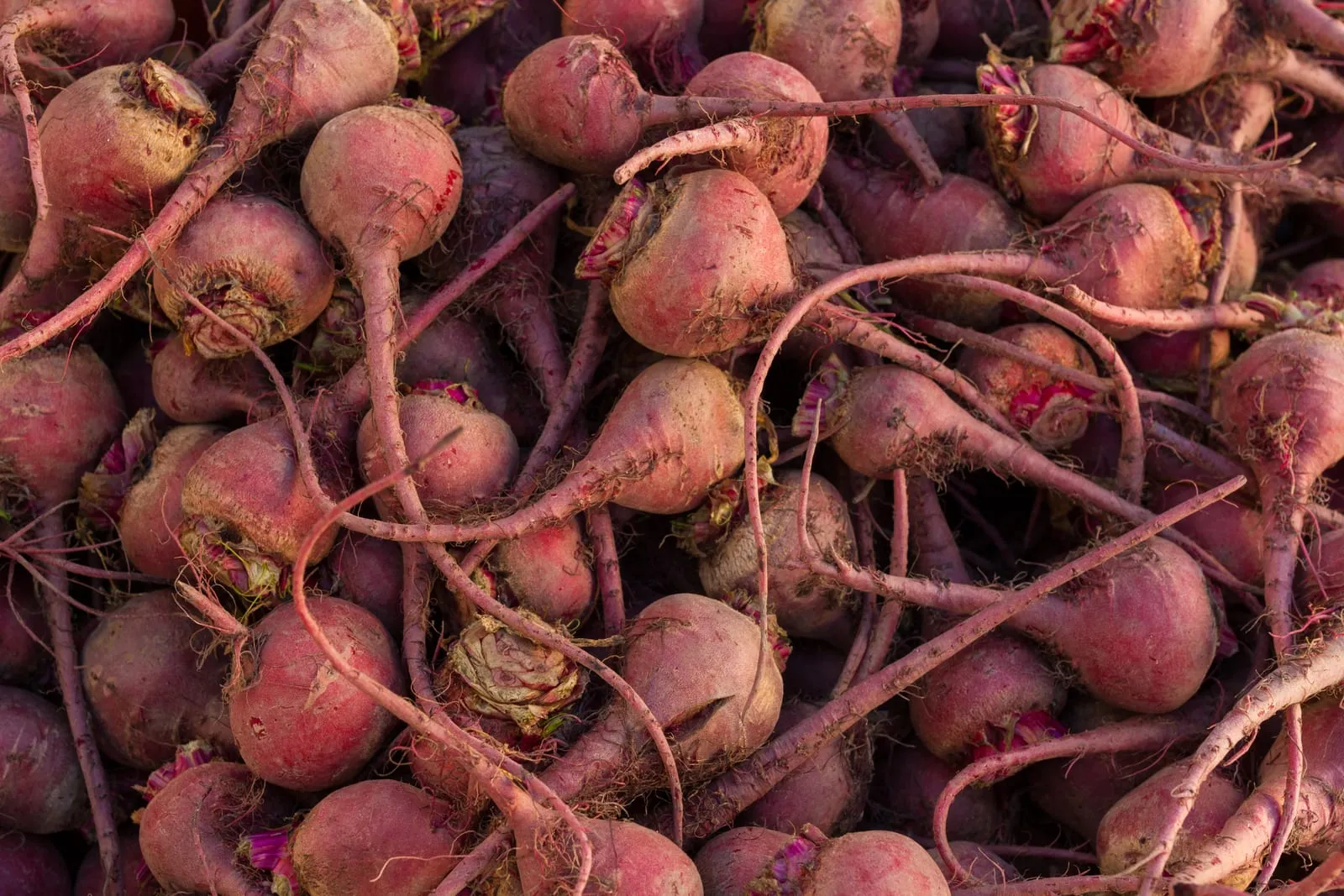
 Beet
Beta vulgaris
zones 3a–9a
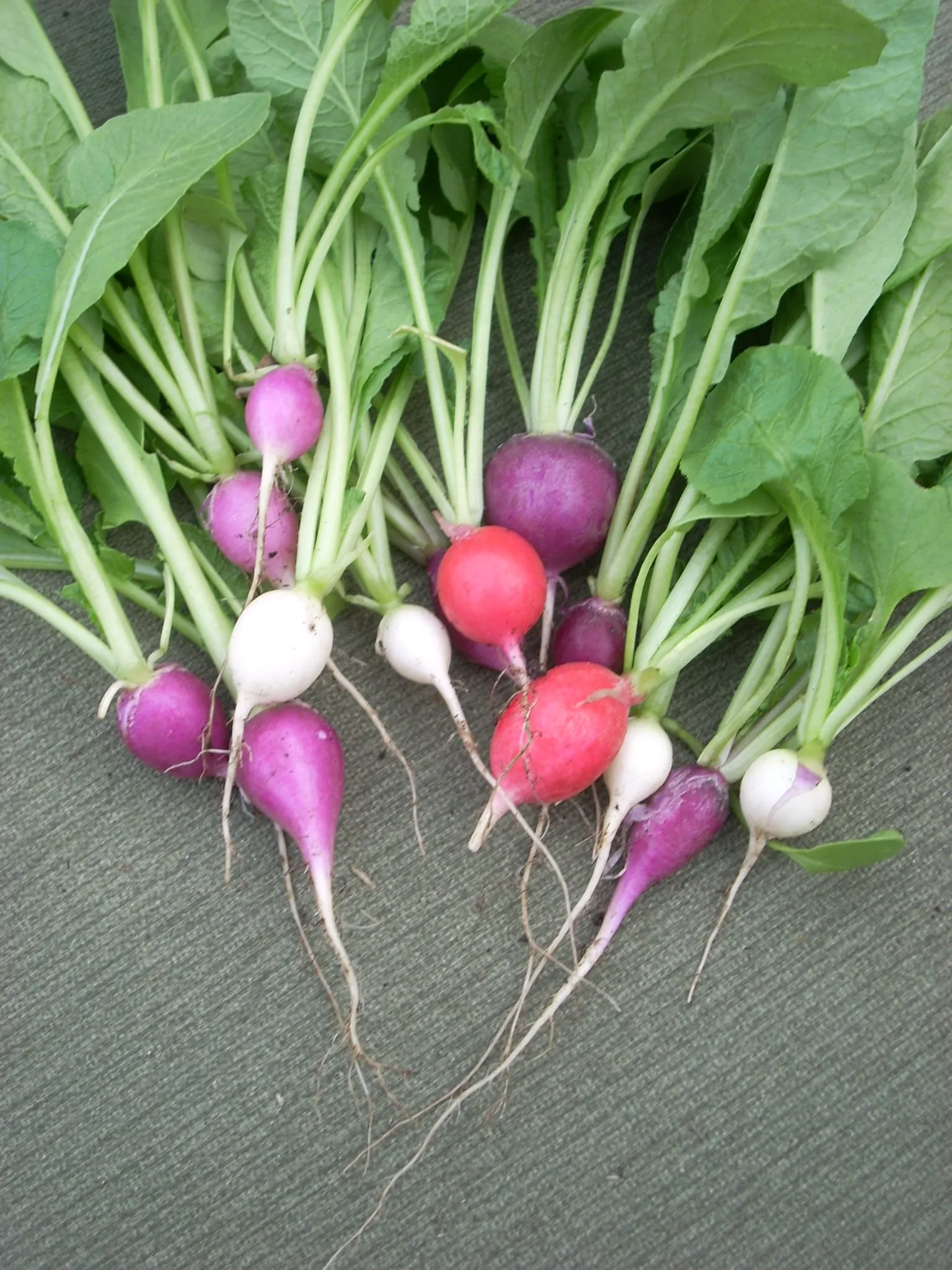 zone 3b
 Radish
Raphanus sativus
zones 3a–9a
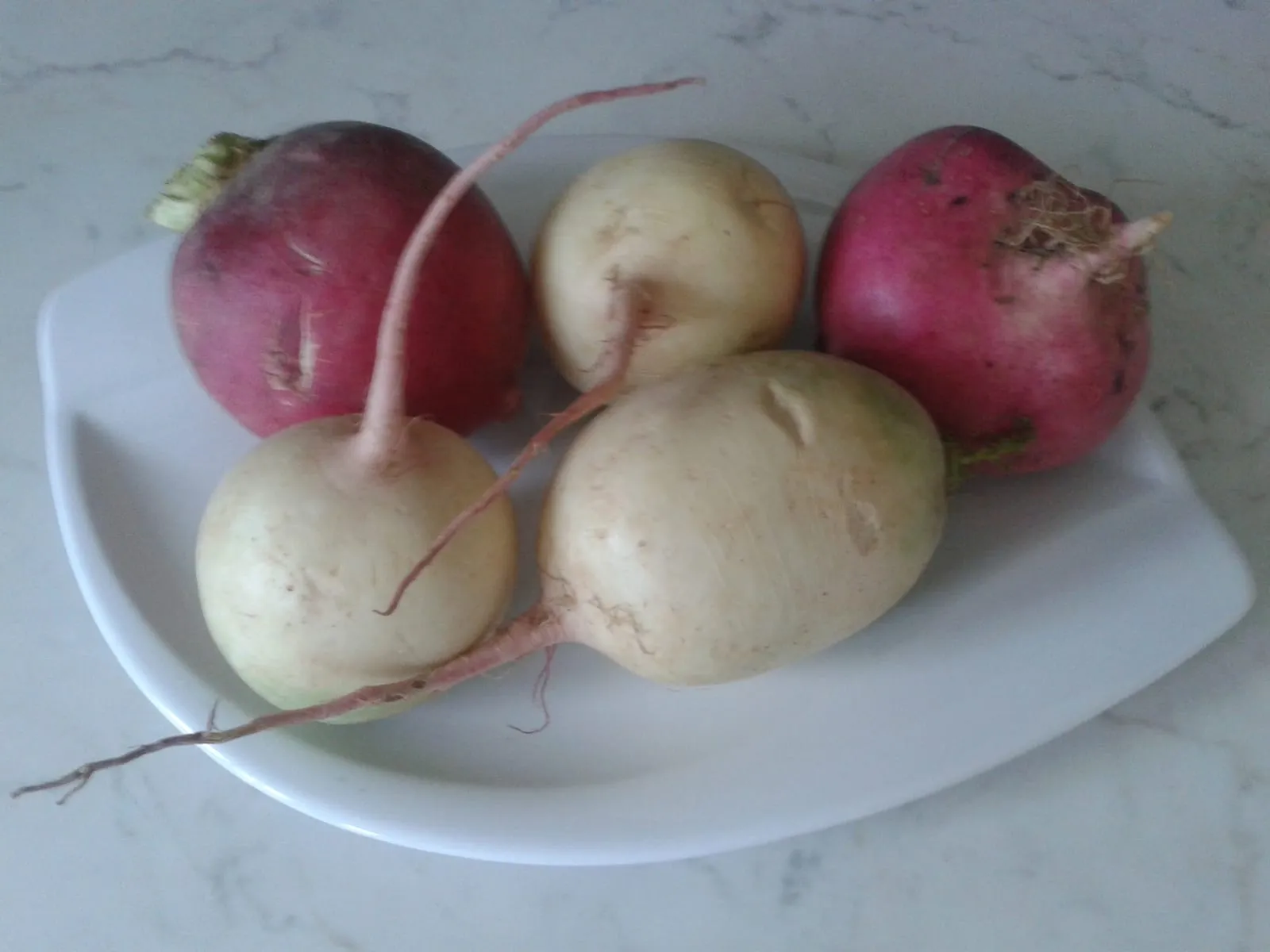 zone 3b
 Turnip
Brassica rapa subsp. rapa
zones 3a–8b
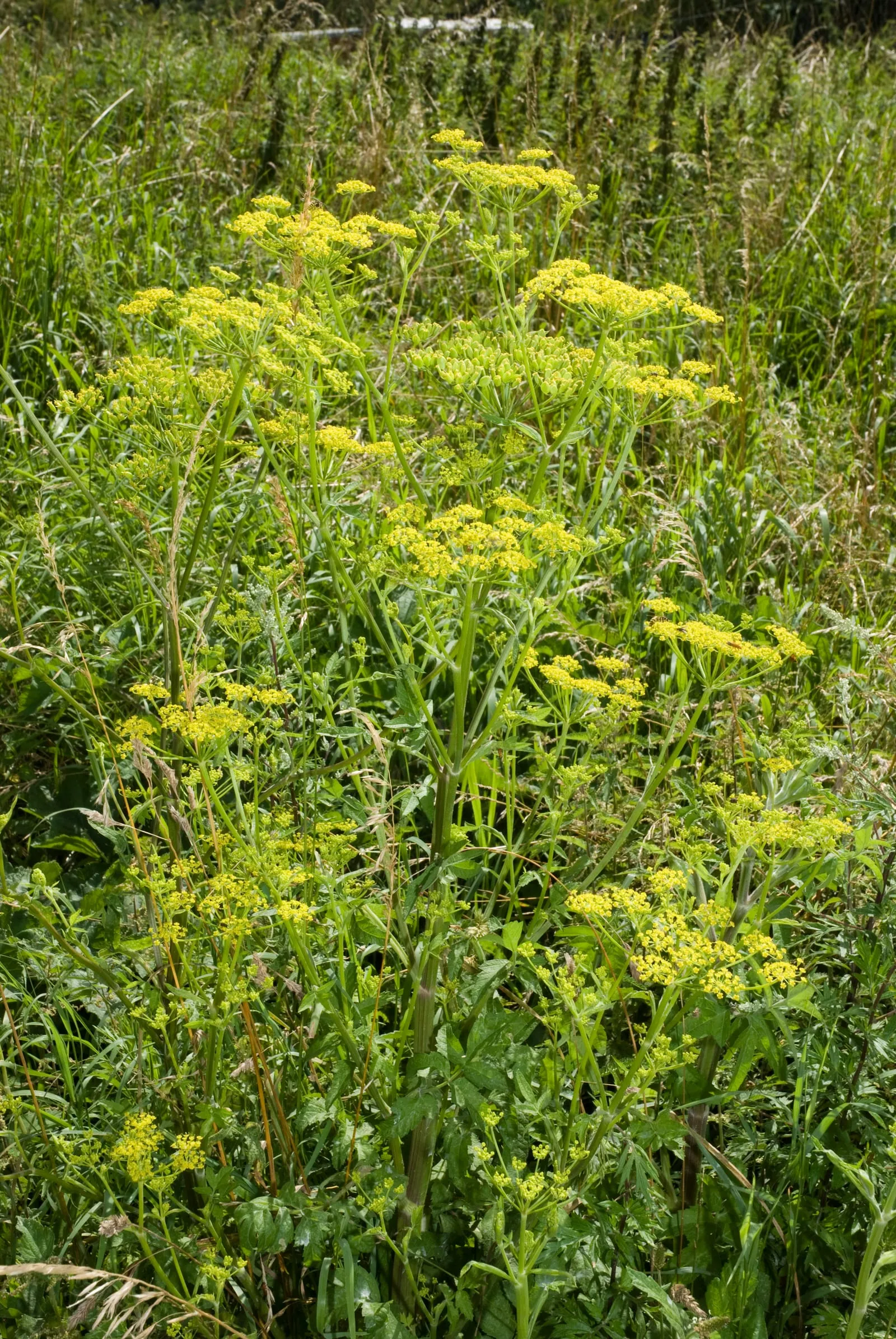 zone 3b
 Parsnip
Pastinaca sativa
zones 3a–8a
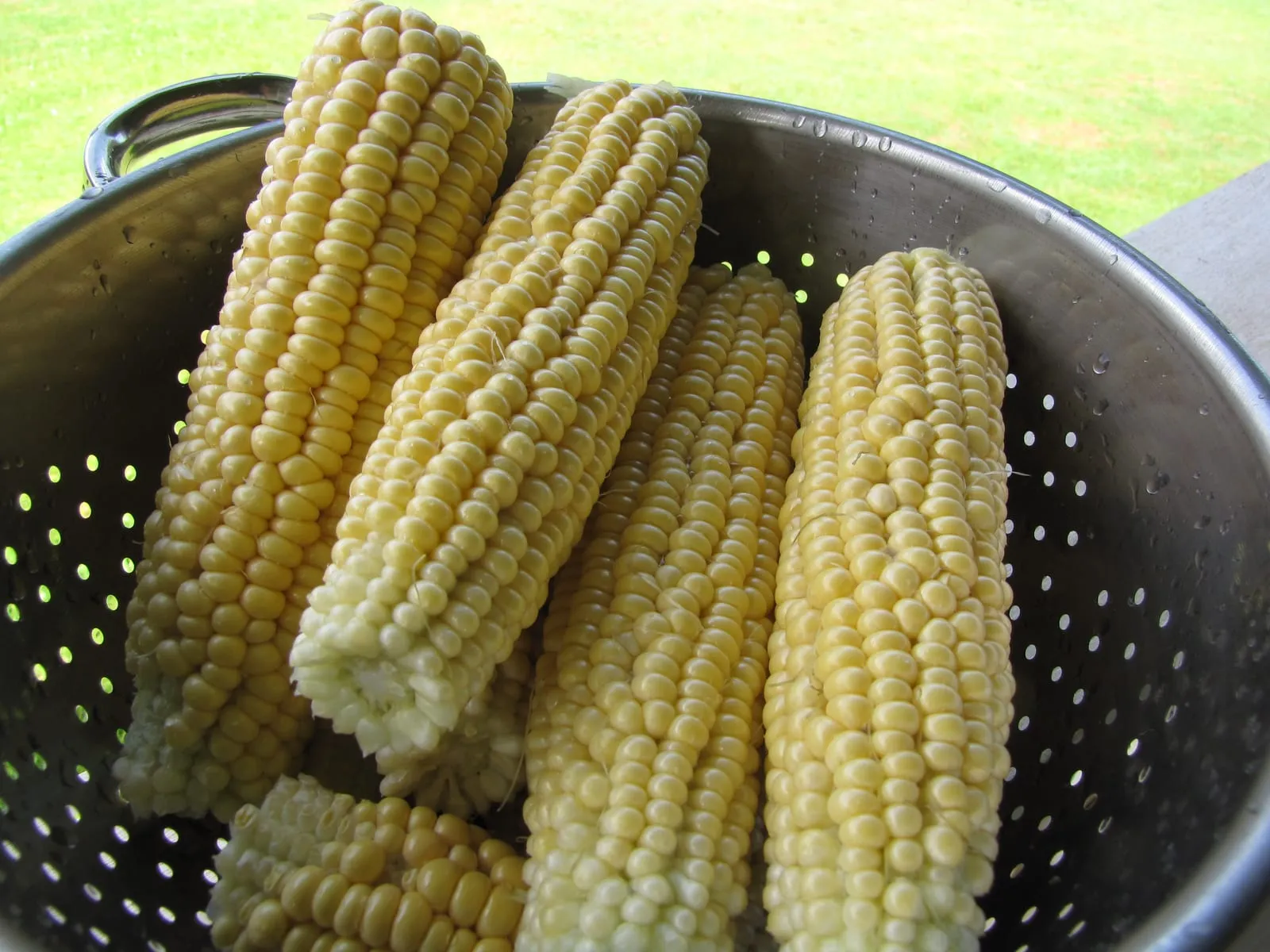 zone 3b
 Sweet Corn
Zea mays var. saccharata
zones 3b–9a
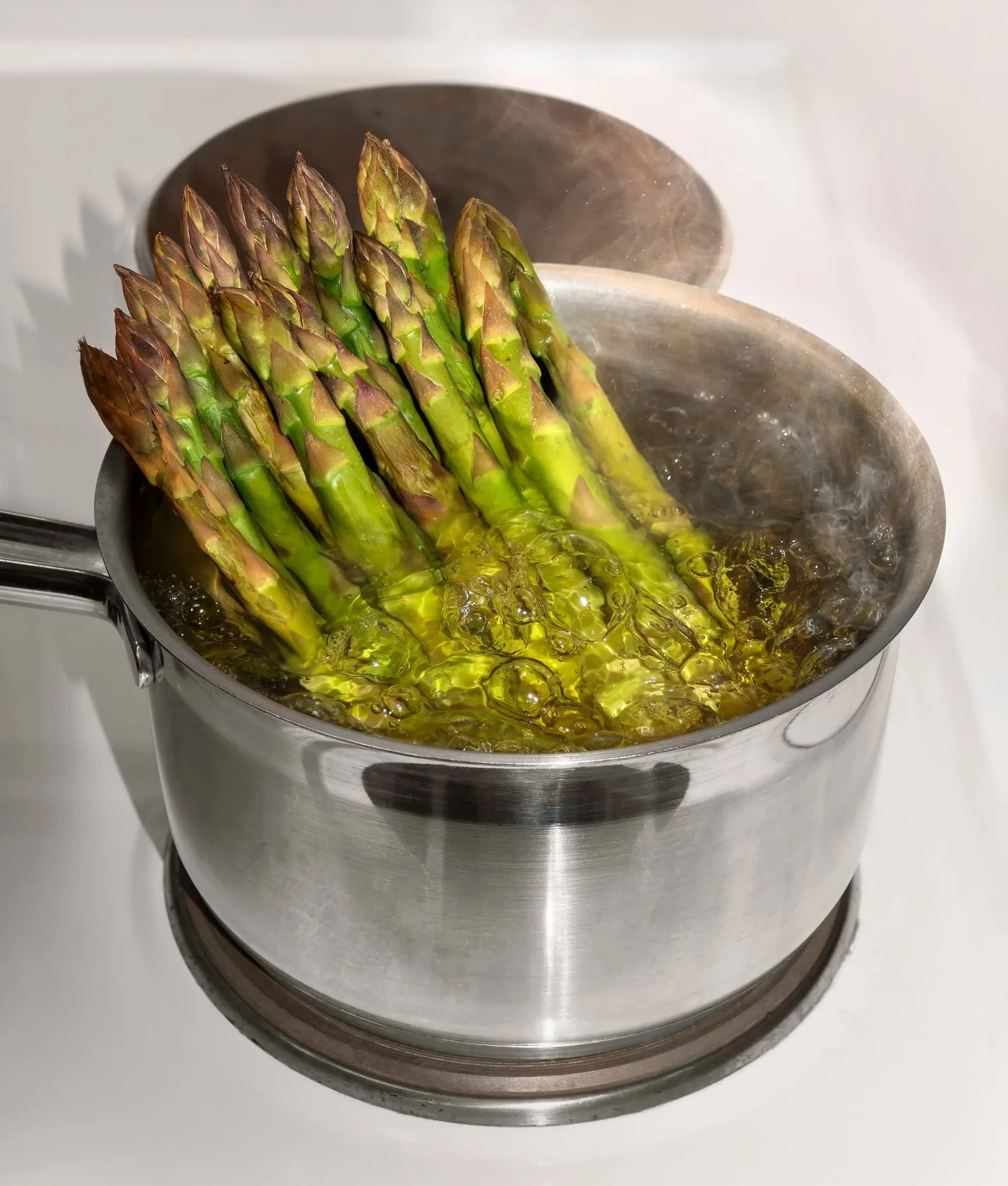 zone 3b
 Asparagus
Asparagus officinalis
zones 3b–8b
When to plant
Planting calendar for zone 3b
Year-view of seed starting, transplanting, planting, pruning, fertilizing, harvest, and pest-watch windows based on the average frost timing for zone 3b.
Week ? · loading
This week in zone 3b
Quiet week in zone 3b. this week is a good time to step back and plan ahead.
Nothing critical on the calendar this week.
222 bars · 52 crops
Calendar logic combines NOAA frost normals with crop-specific timing data. Local microclimate and weather always overrules the calendar; use this as a starting point.
Frequently asked questions
- Can any fruit trees survive zone 3b winters?
Apple trees are the most reliable option, provided varieties are specifically rated for zone 3 cold, and rootstocks are matched accordingly. Most stone fruits (peach, plum, sweet cherry) and standard pear varieties do not tolerate -35°F winters or cannot ripen a crop in a 100-day season. Half-high blueberries developed by the University of Minnesota extend to zone 3 with adequate site preparation.
- Which apple varieties are rated for zone 3b?
Haralson (University of Minnesota, rated zone 3), Honeycrisp (zone 3-8), and several other Minnesota Agricultural Experiment Station introductions are among the well-documented choices. Avoid varieties rated zone 4 or warmer sold by general-catalog nurseries; the rating gap is enough to cause chronic winter injury at -35°F lows.
- Can I grow tomatoes in zone 3b?
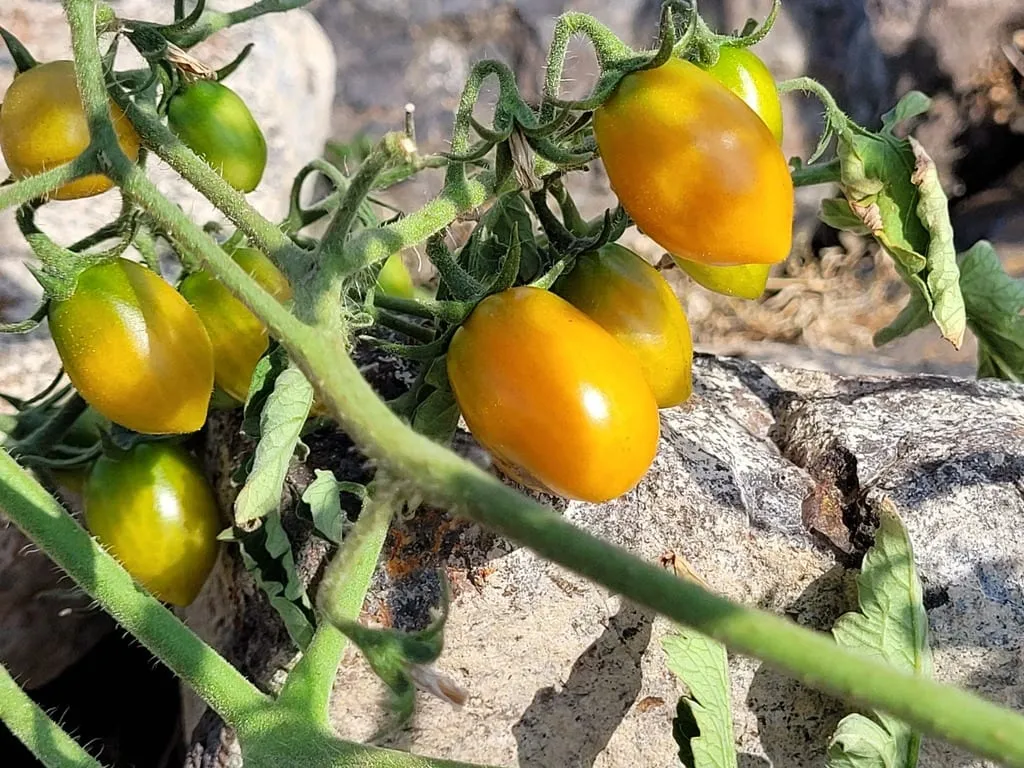
Yes, with two requirements: choose varieties that reach maturity in 70 days or fewer from transplant, and start seeds indoors 8 to 10 weeks before the last expected frost. Wall-of-water season extenders and black plastic mulch improve soil temperature and can add two to three weeks of effective growing time. Mid-season and paste varieties that need 80 or more days are a gamble in most zone 3b locations.
- Does winter desiccation cause as much damage as low temperatures in zone 3b?
For young woody plants, desiccation is often the more visible killer. When the soil freezes before plants are fully dormant, or when late-winter sun warms stems while the ground remains frozen, plants cannot replace moisture lost through bark and buds. Anti-desiccant sprays on young conifers and anti-transpirant coatings on grafted fruit trees in their first two winters can reduce losses meaningfully.
- Can garlic overwinter reliably in zone 3b?
Hardneck garlic overwinters well in zone 3b with one adjustment: apply 4 to 6 inches of straw mulch after the soil has frozen, typically in November. Mulching before freeze-up can delay dormancy and leave roots vulnerable. Remove mulch in early spring as soon as consistent overnight temperatures stay above 20°F to prevent crown rot.
- What cool-season vegetables are most reliable in zone 3b's short season?
Kale, spinach, carrots, turnips, and beets are among the best performers. They tolerate light frost and can be direct-seeded as soon as soil is workable in May. Carrots and beets sown in late June for a fall harvest often size up well before the first fall frost arrives in late August or September, making succession planting practical even in a 100-day window.
+−
+−
+−
+−
+−
+−
Related