fruit tree in zone 5a
Growing sour cherry in zone 5a
Prunus cerasus
- Zone
- 5a -20°F to -15°F
- Growing season
- 150 days
- Chill needed
- 700 to 1000 below 45°F
- Suitable varieties
- 2
- Days to harvest
- 60 to 75
The verdict
Zone 5a is a reliable growing zone for sour cherry, not a marginal one. Sour cherry varieties require between 700 and 1,000 chill hours (hours at or below 45°F) to break dormancy and flower normally. Zone 5a winters routinely deliver 1,200 to 1,500 chill hours across most locations, which means the crop is never undersatisfied. Both Montmorency and North Star, the two varieties best matched to this region, are cold-hardy to zone 4, so winter temperatures down to -20°F pose no meaningful threat to established trees.
The 150-day growing season comfortably fits sour cherry's bloom-to-harvest window, which runs roughly 60 to 70 days from petal fall to ripe fruit. Growers in zone 5a are working near the crop's historical center of production in the upper Midwest and Great Lakes region. The constraints in this zone are not cold tolerance or season length; they are late-spring frost timing and summer disease pressure.
Recommended varieties for zone 5a
2 cultivars suited to this zone, with disease-resistance and zone-fit annotations.
| Variety | Notes | Zone fit | Disease resistance |
|---|---|---|---|
| Montmorency fits zone 5a | Tart, bright red, juicy; the classic American pie cherry, defines the flavor of cherry pie, jam, and juice. Self-fertile, no pollinator needed. | | none noted |
| North Star fits zone 5a | Tart, dark red, juicy with rich flavor; pies, preserves, juice. Compact dwarf tree (8-12 ft), self-fertile, very cold-hardy. | | none noted |
Critical timing for zone 5a
Sour cherry blooms early in the orchard calendar, typically from mid-April to early May in zone 5a, depending on location and the previous winter's warmth. That window collides directly with the zone's late frost risk: last frost dates in zone 5a range from late April to mid-May in many areas. A hard frost at or below 28°F during full bloom can destroy most of a crop.
Harvest follows bloom by 60 to 70 days, placing ripe Montmorency fruit in late June to mid-July and North Star slightly later. The 150-day growing season means there is adequate warmth after harvest to harden wood before fall, which matters for tree health heading into the next winter. Growers should track local frost date data for their specific zip code, since frost timing varies meaningfully within the zone.
Common challenges in zone 5a
- ▸ Fire blight in pears
- ▸ Cedar-apple rust
- ▸ Late spring frosts
Disease pressure to watch for
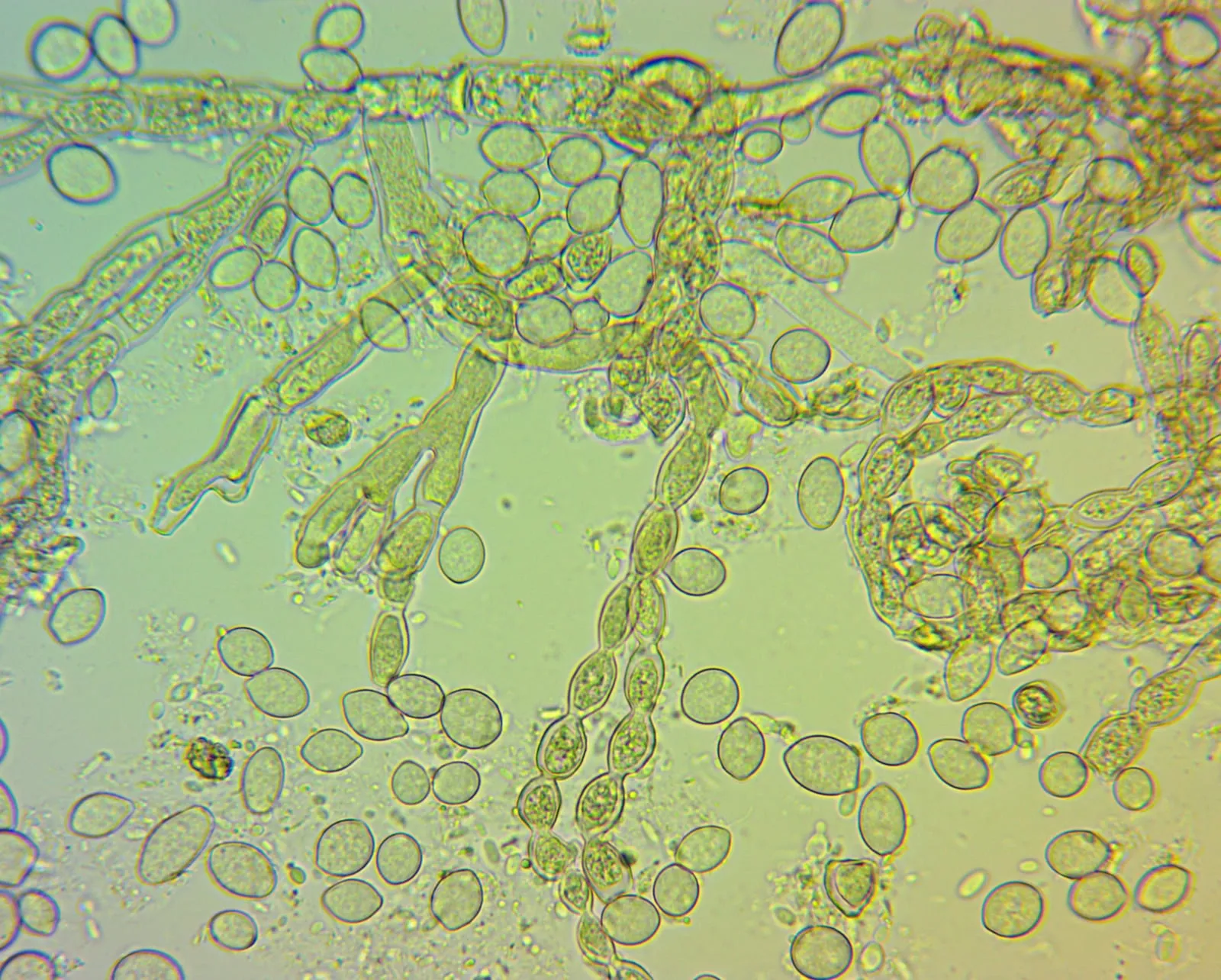
Monilinia fructicola
The most damaging stone-fruit and almond disease, causing blossom blight and fruit rot.
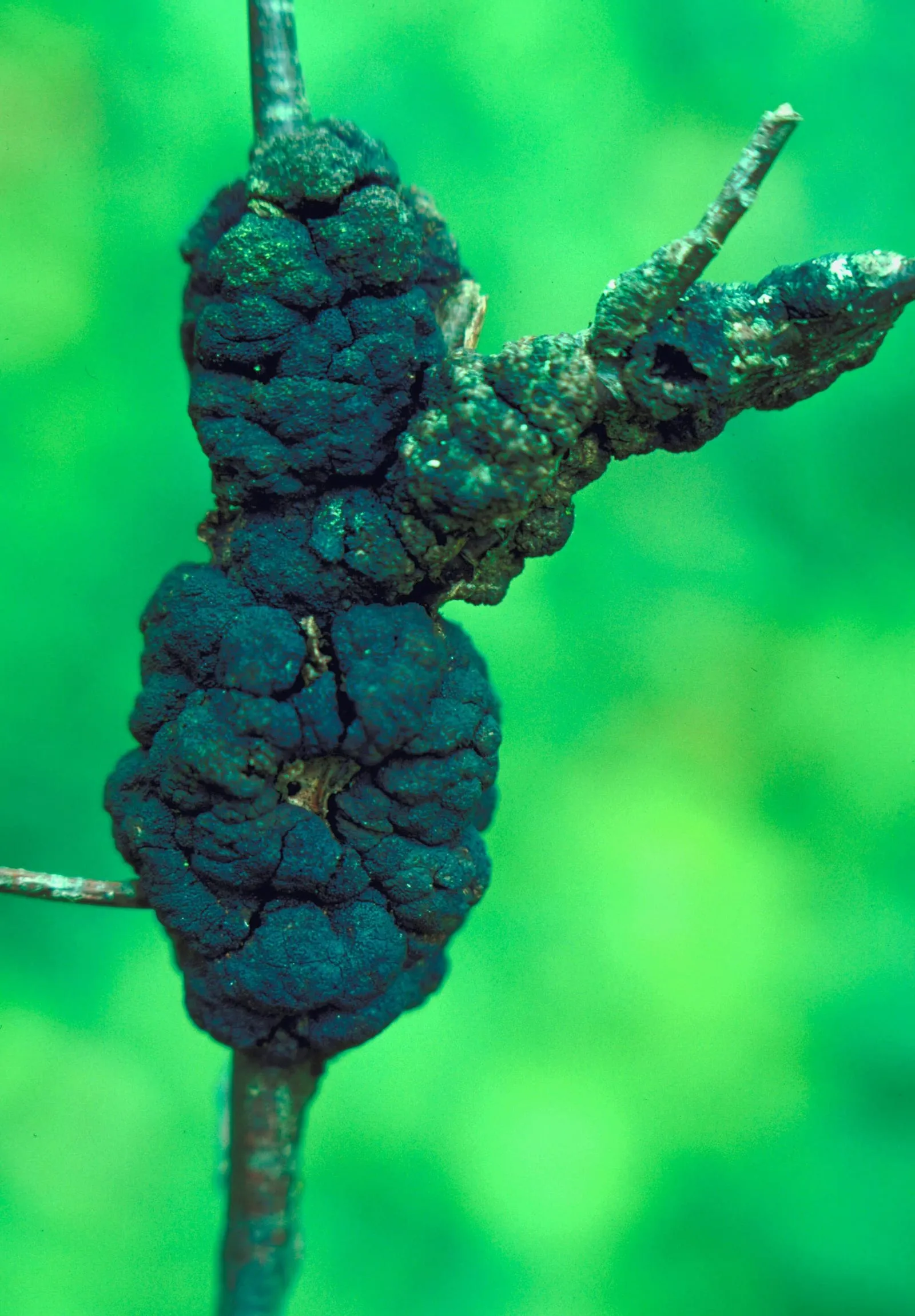
Apiosporina morbosa
Fungal disease producing characteristic black warty galls on plum and cherry branches.
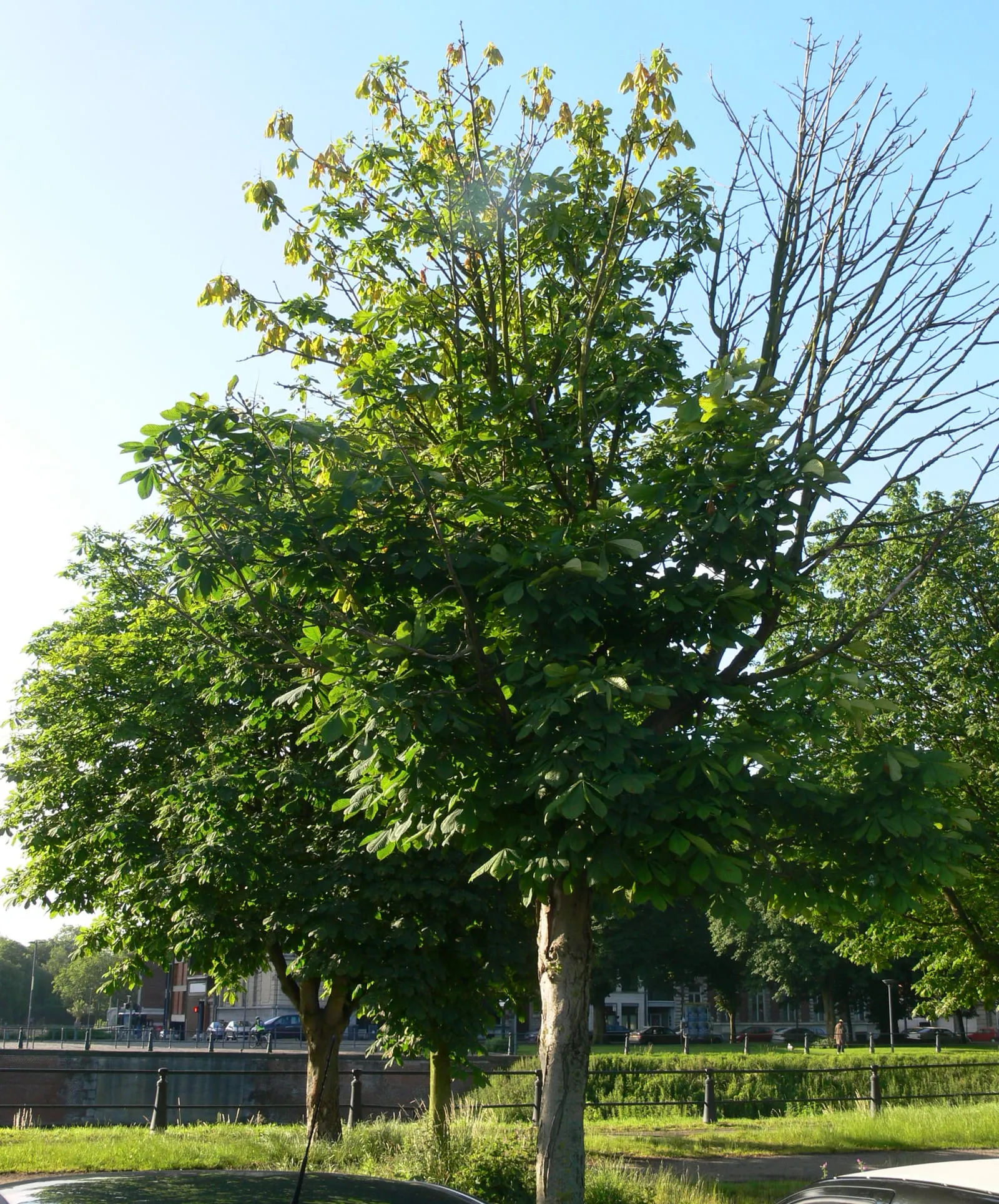
Pseudomonas syringae
Bacterial disease causing limb dieback and gummosis, particularly damaging in wet cool springs.
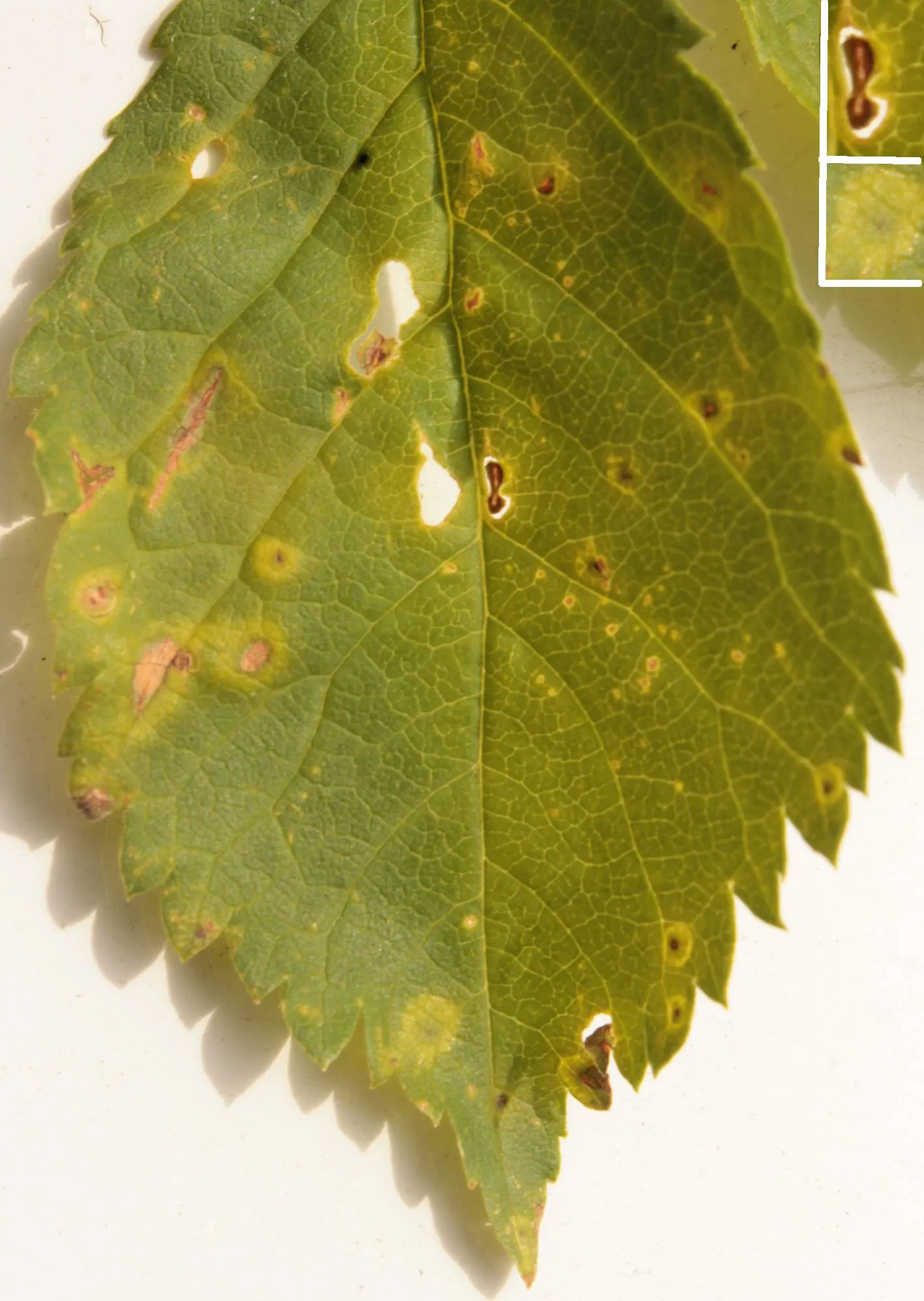
Blumeriella jaapii
Defoliating fungal disease that weakens trees over consecutive seasons.
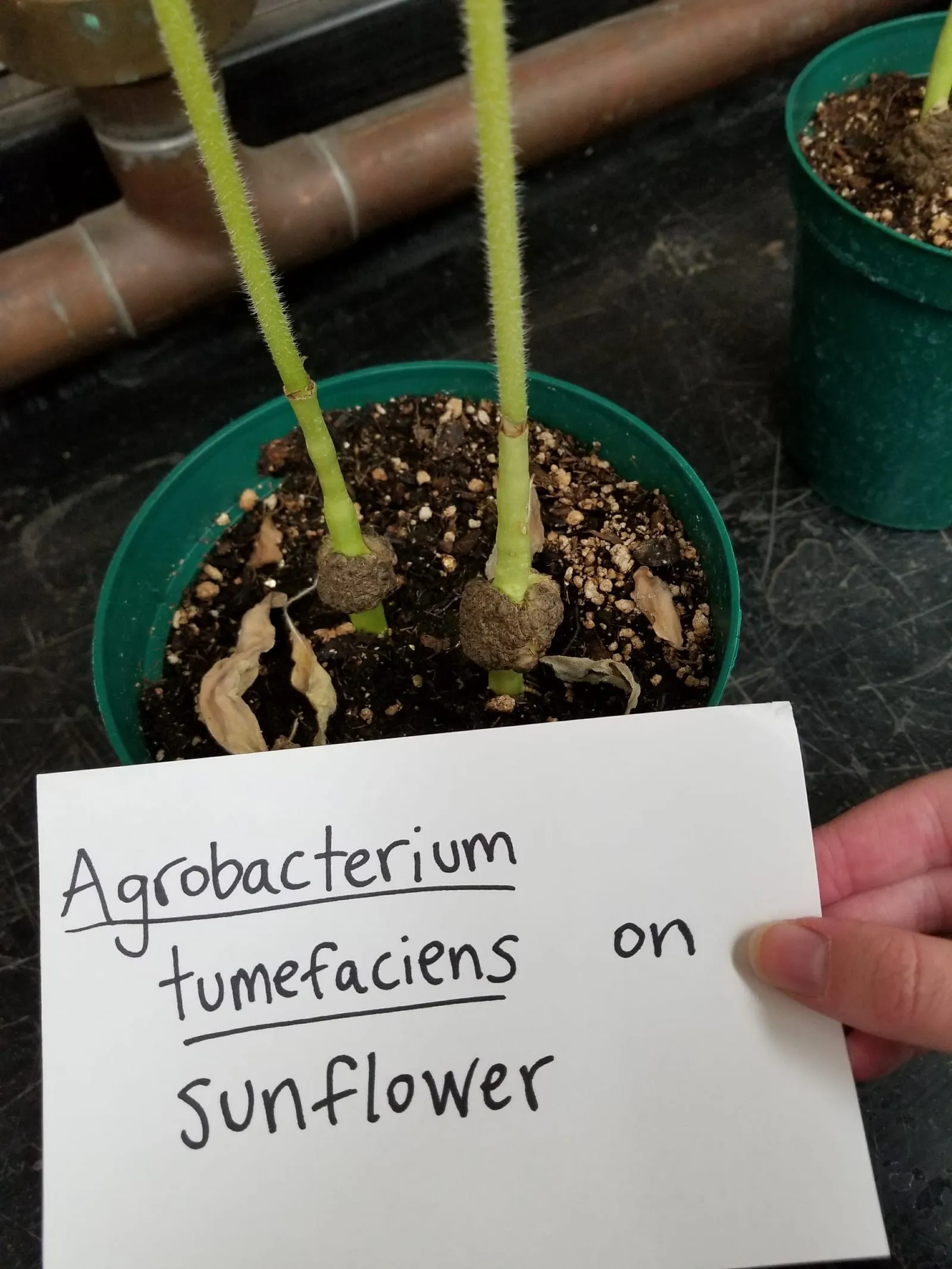
Agrobacterium tumefaciens
Soil-borne bacterium that enters plants through wounds and induces tumor-like galls on roots, crown, and lower stems. Galls reduce vigor and shorten plant lifespan; on Rubus the disease is often fatal.
Modified care for zone 5a
The primary adjustments for zone 5a involve frost protection at bloom and disciplined fungicide timing for brown rot and cherry leaf spot.
Late spring frosts during bloom are the single largest yield risk. Where feasible, site selection on elevated ground or near large bodies of water reduces frost exposure. Overhead irrigation as a frost protection method is used in commercial orchards but is rarely practical at home scale.
Cherry leaf spot (Blumeriella jaapii) thrives in the humid summers common across much of zone 5a. Unmanaged infections cause early defoliation, which weakens trees heading into winter. A two- to three-spray program beginning at petal fall, using copper- or myclobutanil-based products, significantly reduces infection pressure. Brown rot (Monilinia spp.) follows a similar spray calendar and is most aggressive during wet weather in the two weeks before harvest. Sanitation, removing mummified fruit, reduces inoculum for the following season.
Frequently asked questions
- Are sour cherries reliably winter-hardy in zone 5a?
Yes. Established sour cherry trees, particularly Montmorency and North Star, are cold-hardy to zone 4 and tolerate temperatures down to -20°F. Winter kill is rarely the limiting factor in zone 5a; late spring frosts during bloom are a more consistent yield threat.
- What is the typical harvest window for sour cherries in zone 5a?
Expect ripe fruit from late June through mid-July for most zone 5a locations. Montmorency tends to ripen a few days ahead of North Star. Exact timing shifts by a week or more depending on the warmth of spring and local frost dates.
- How do I protect sour cherry blooms from late spring frosts?
Site selection is the most reliable protection: elevated sites with good air drainage and proximity to large water bodies moderate frost risk. Covering small trees with frost cloth on forecast nights below 28°F helps. Full-scale frost protection with overhead irrigation is impractical for most home growers.
- Is cherry leaf spot a serious problem in zone 5a?
It can be. Cherry leaf spot thrives in wet summers and causes progressive defoliation from midsummer onward if left unmanaged. A petal-fall fungicide program using copper or myclobutanil reduces infection. Severe defoliation weakens trees and may reduce the following year's crop.
+−
+−
+−
+−
Sour Cherry in adjacent zones
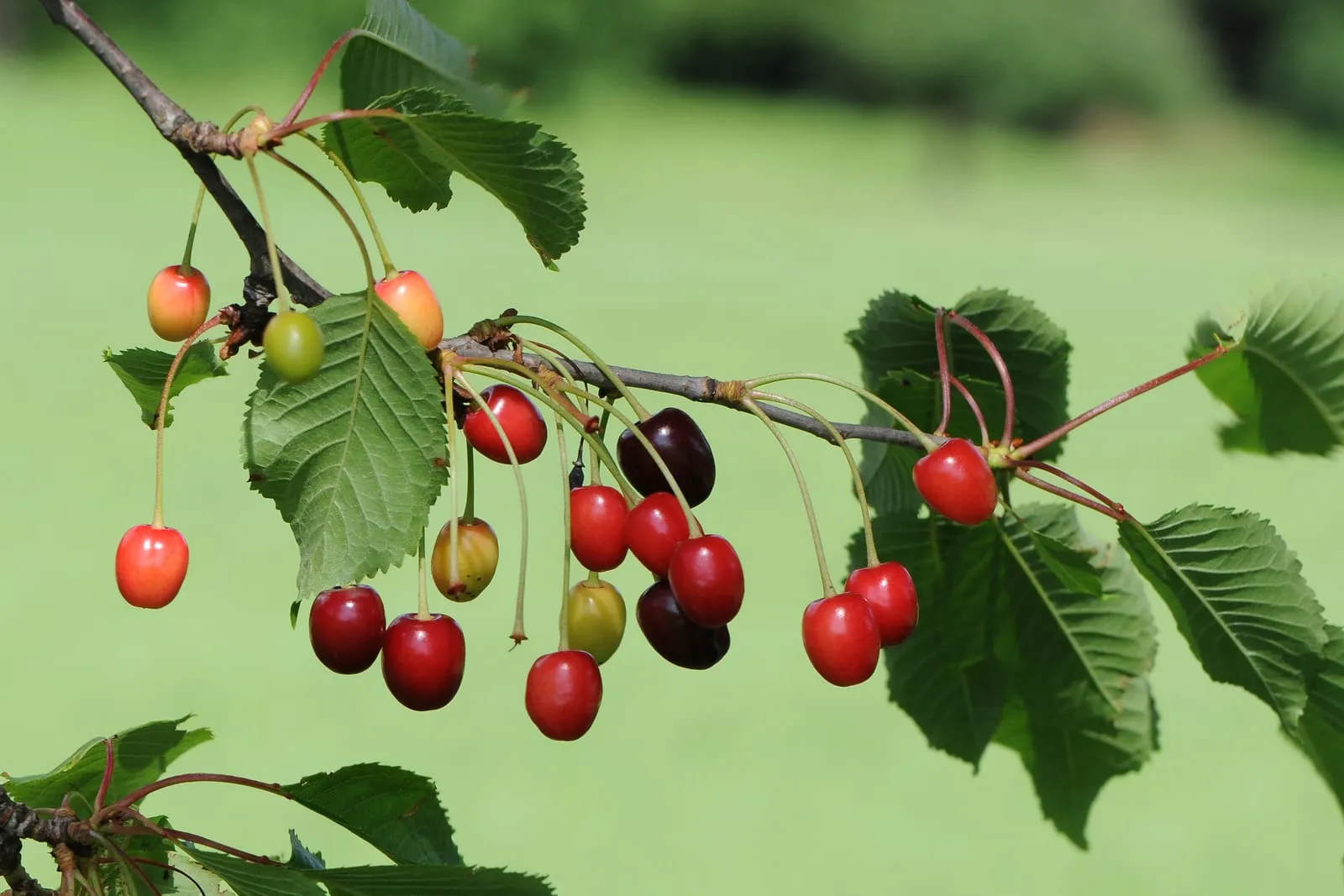
Image: "Sauerkirschenfrucht Prunus cerasus 2", by böhringer friedrich, via Wikimedia Commons, licensed under CC-BY Source.

Related