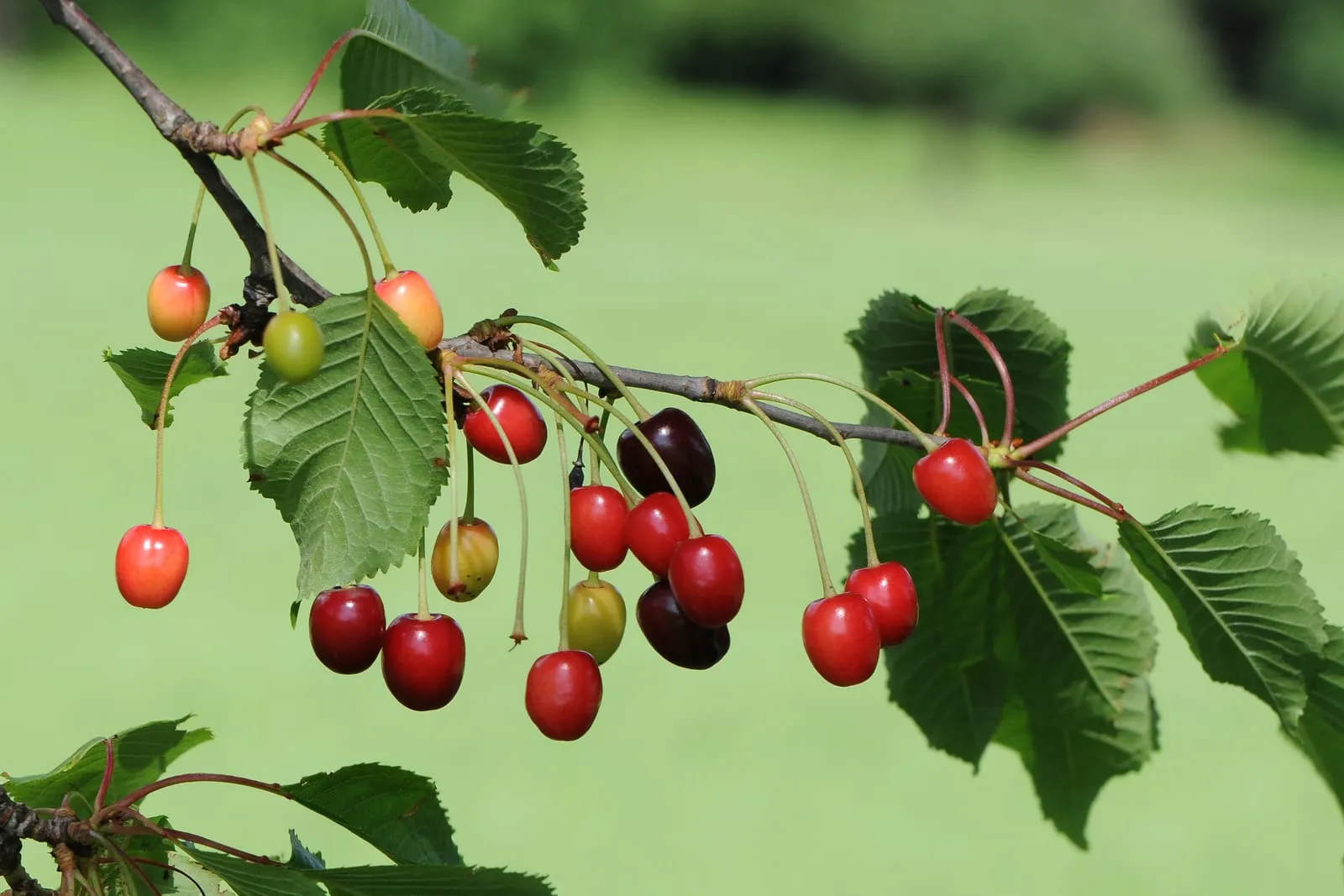
fruit tree in zone 4b
Growing sour cherry in zone 4b
Prunus cerasus
- Zone
- 4b -25°F to -20°F
- Growing season
- 130 days
- Chill needed
- 700 to 1000 below 45°F
- Suitable varieties
- 2
- Days to harvest
- 60 to 75
The verdict
Zone 4b is well within the preferred range for sour cherry, not a marginal case. The crop requires 700 to 1,000 chill hours (hours below 45°F), and zone 4b winters reliably deliver well above that threshold. The limiting factor here is not cold accumulation but cold hardiness and spring frost timing.
Montmorency, the dominant commercial and home-orchard variety, is rated to around -20°F, which puts it at the edge of zone 4b's winter minimums (-25 to -20°F). North Star is the safer choice for sites that see the colder end of that range: it was bred specifically for northern climates and carries better hardiness than Montmorency. Growers in exposed or low-lying sites should lean toward North Star, while sheltered spots with good air drainage can succeed with either variety.
The 130-day growing season is sufficient for sour cherry harvest, which typically completes well before the first fall frost in this zone.
Recommended varieties for zone 4b
2 cultivars suited to this zone, with disease-resistance and zone-fit annotations.
| Variety | Notes | Zone fit | Disease resistance |
|---|---|---|---|
| Montmorency fits zone 4b | Tart, bright red, juicy; the classic American pie cherry, defines the flavor of cherry pie, jam, and juice. Self-fertile, no pollinator needed. | | none noted |
| North Star fits zone 4b | Tart, dark red, juicy with rich flavor; pies, preserves, juice. Compact dwarf tree (8-12 ft), self-fertile, very cold-hardy. | | none noted |
Critical timing for zone 4b
Sour cherry bloom in zone 4b generally falls between late April and mid-May, depending on site elevation, air drainage, and how quickly temperatures rise after snowmelt. The zone's average last frost often arrives in the same window, which creates a recurring collision between open flowers and damaging cold.
Harvest for Montmorency and North Star typically runs mid-July to early August in zone 4b conditions. The 130-day growing season provides adequate ripening time, but late springs can compress the interval between bloom and the first fall frost. Growers should track bloom dates over several seasons and note which years frost damage reduced fruit set, since site-specific frost pocket behavior varies considerably within any zone designation.
Common challenges in zone 4b
- ▸ Spring frost timing
- ▸ Apple scab pressure
- ▸ Cane berry winter dieback
Disease pressure to watch for
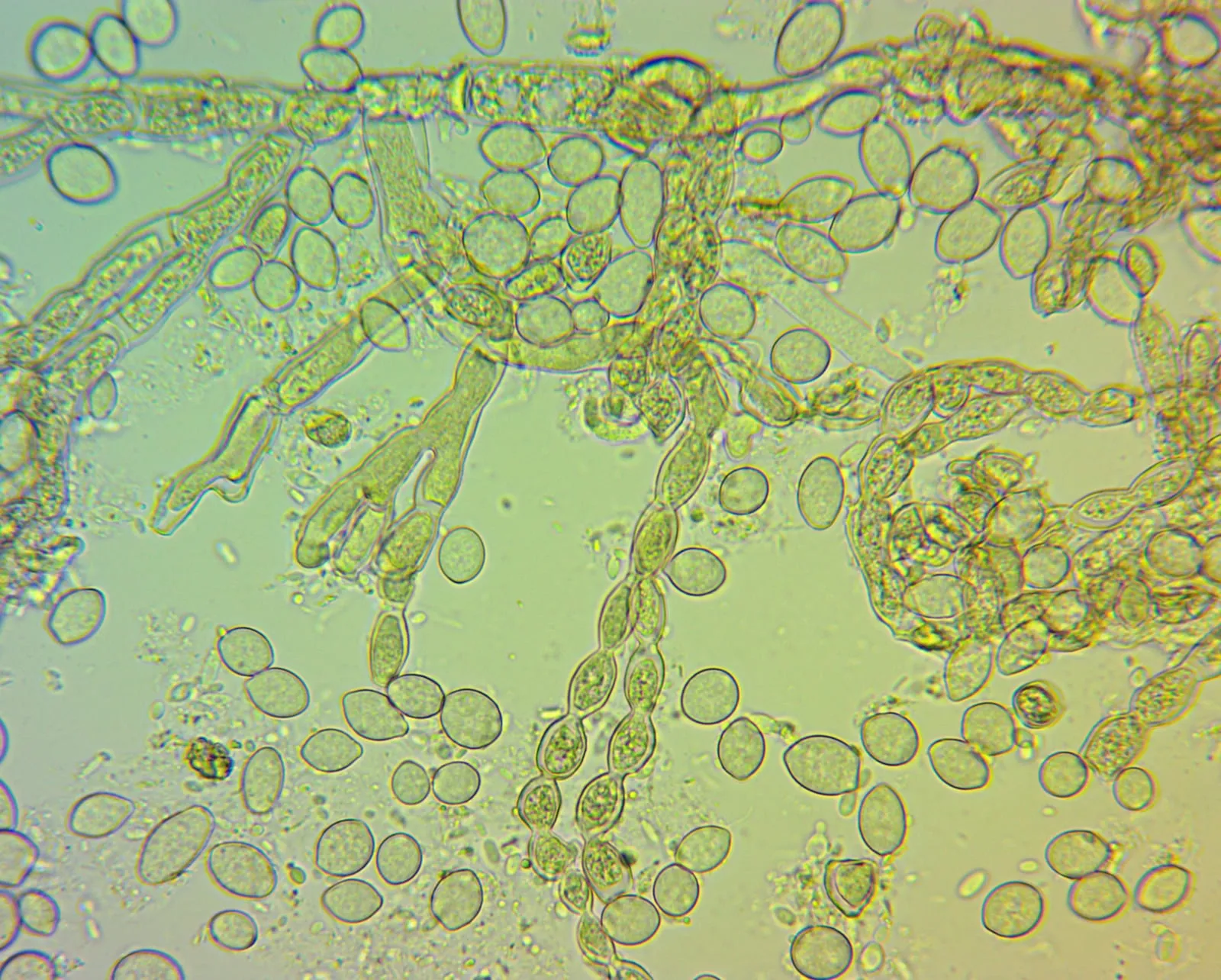
Monilinia fructicola
The most damaging stone-fruit and almond disease, causing blossom blight and fruit rot.
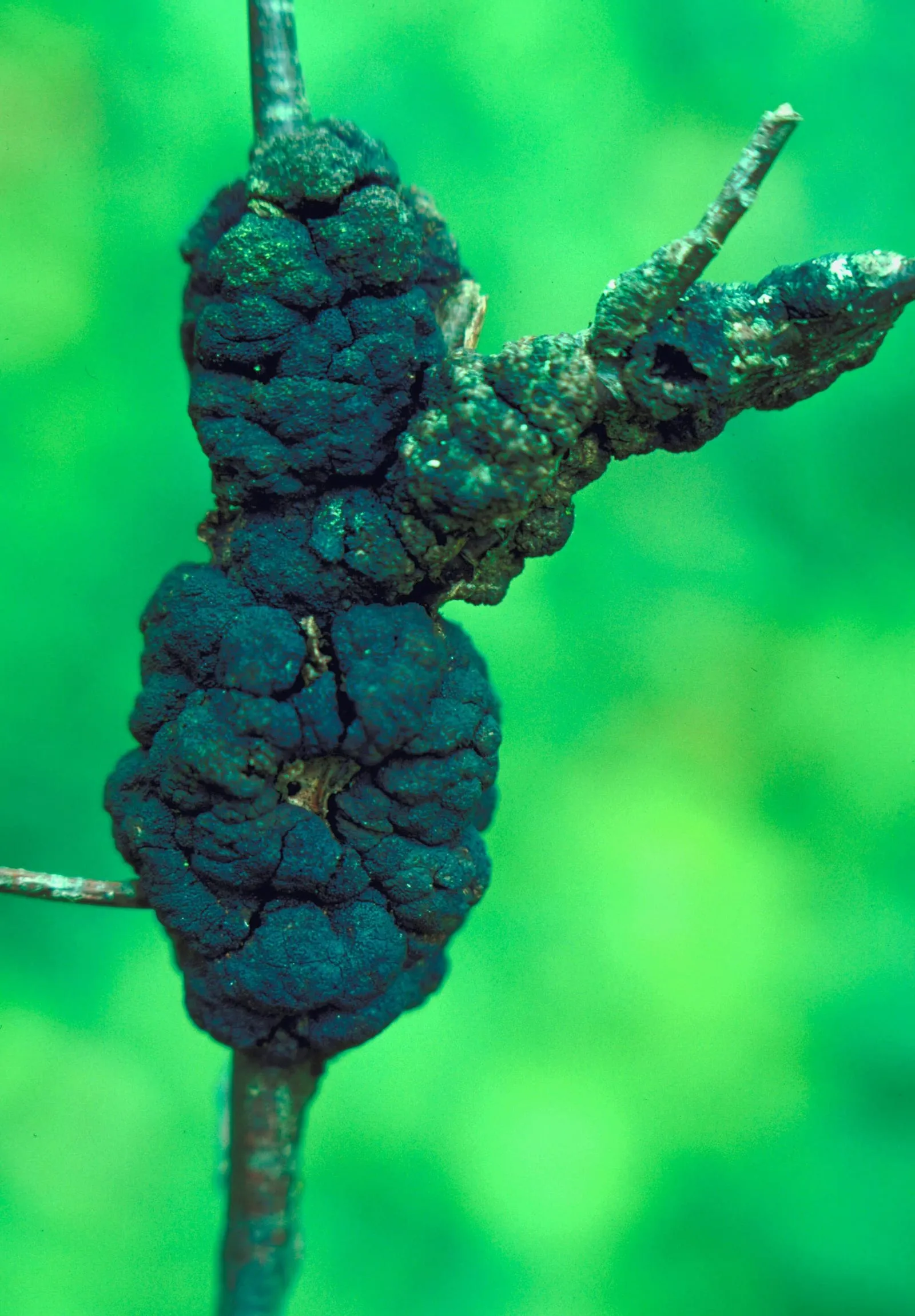
Apiosporina morbosa
Fungal disease producing characteristic black warty galls on plum and cherry branches.
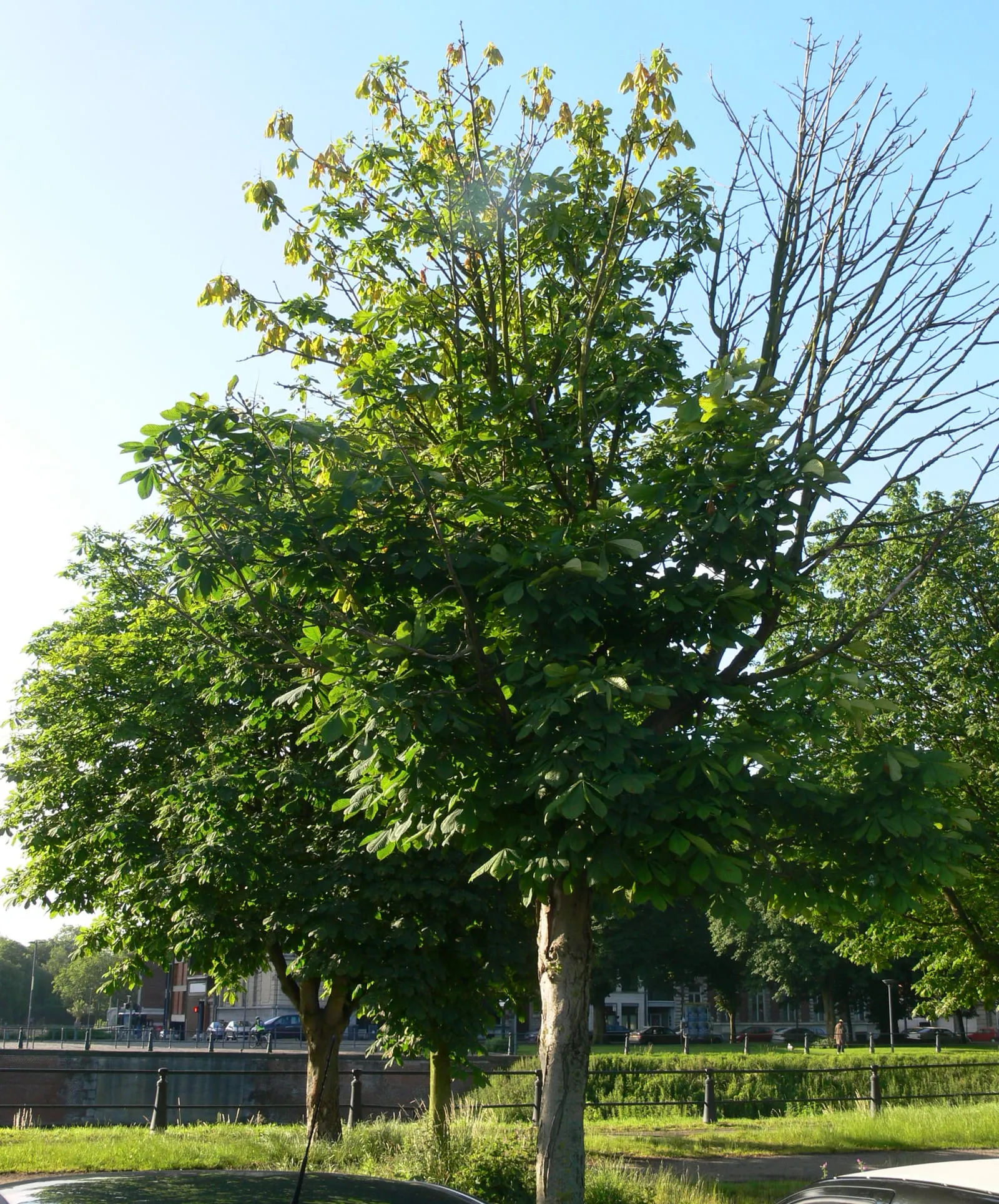
Pseudomonas syringae
Bacterial disease causing limb dieback and gummosis, particularly damaging in wet cool springs.
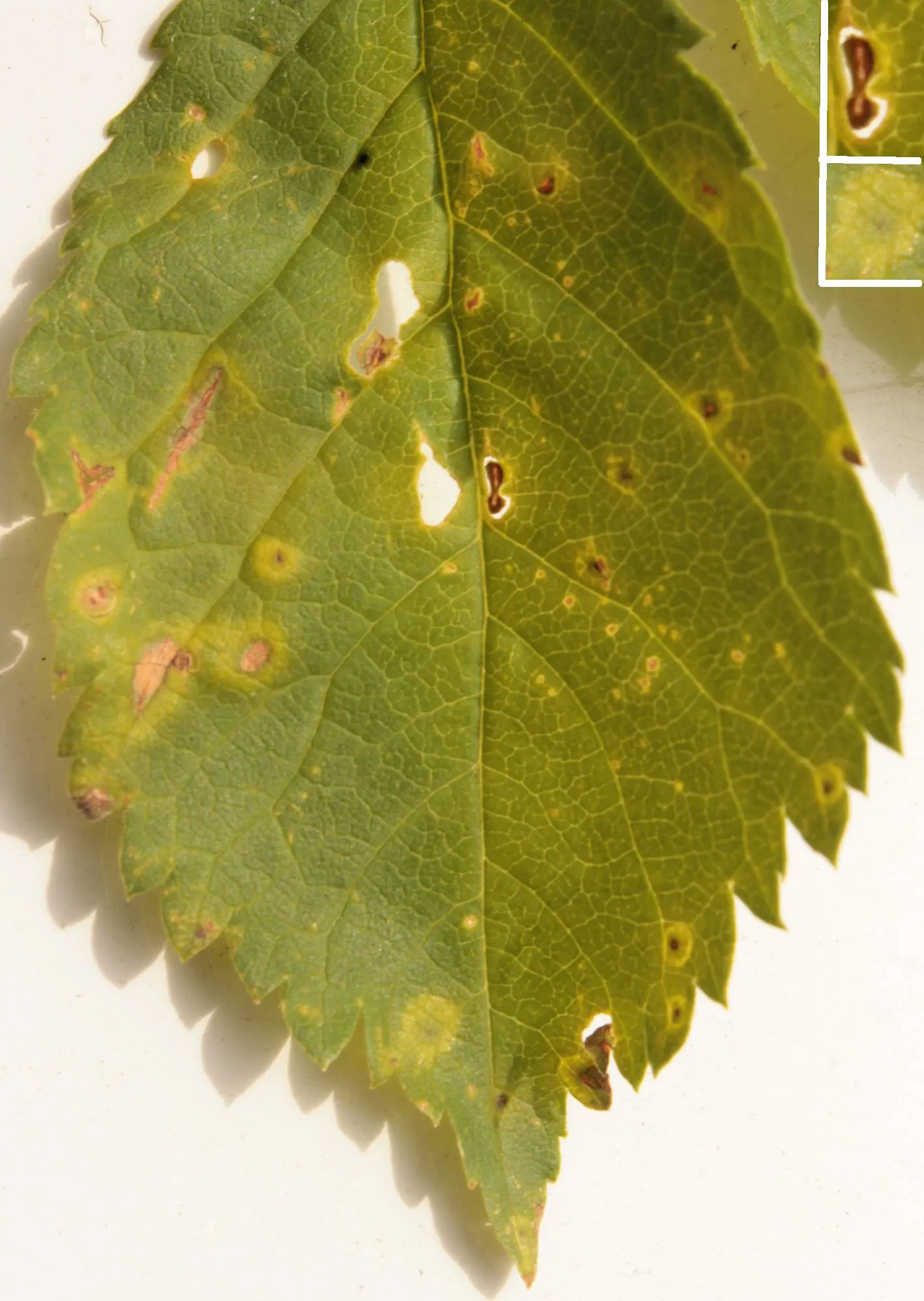
Blumeriella jaapii
Defoliating fungal disease that weakens trees over consecutive seasons.
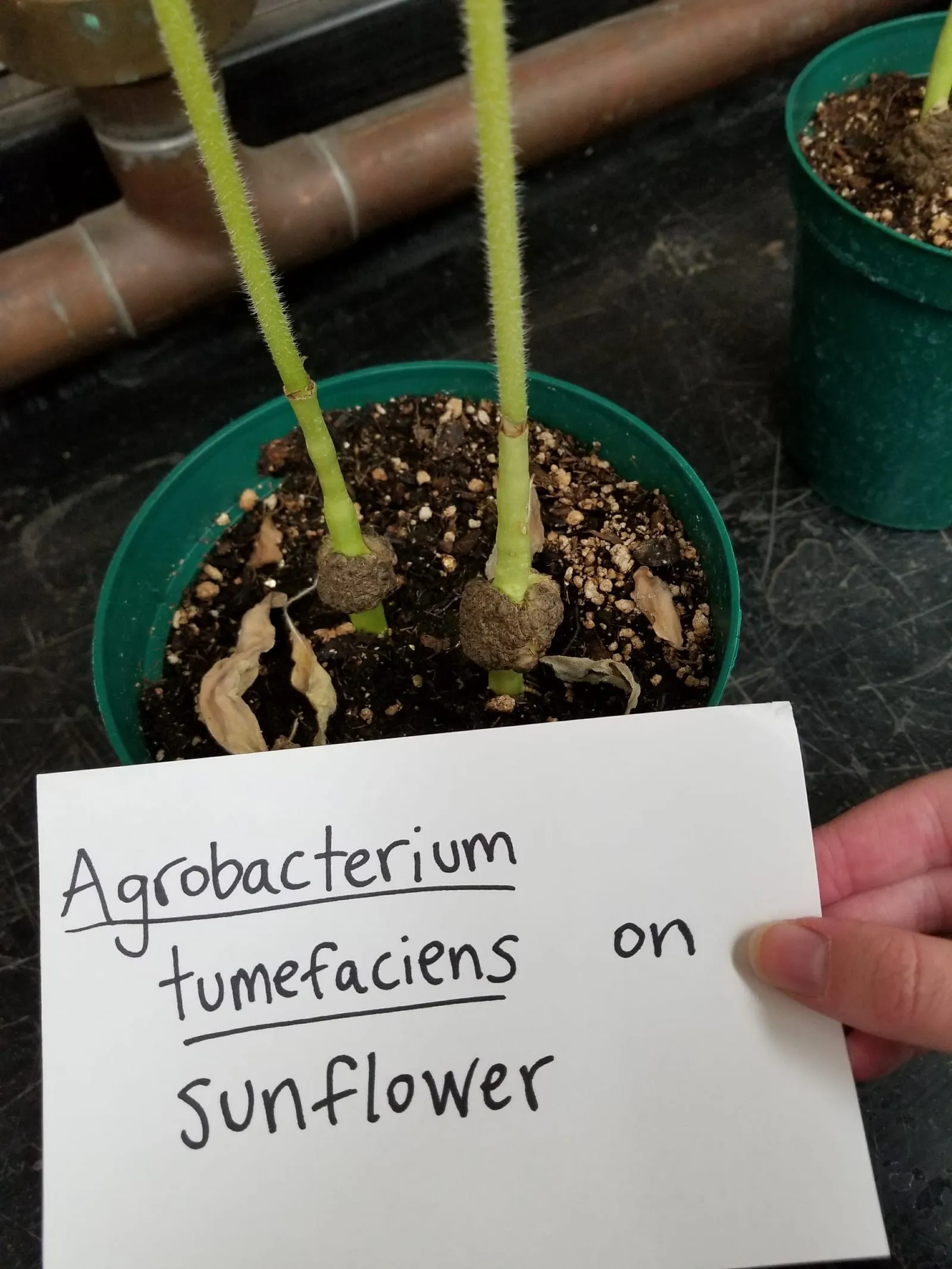
Agrobacterium tumefaciens
Soil-borne bacterium that enters plants through wounds and induces tumor-like galls on roots, crown, and lower stems. Galls reduce vigor and shorten plant lifespan; on Rubus the disease is often fatal.
Modified care for zone 4b
The primary adjustments in zone 4b center on site selection and spray timing. Planting on a slight slope or elevated ground improves cold-air drainage and meaningfully reduces frost interception during the bloom window. Low spots that collect cold air on still nights can lose a full crop even in years when nearby sites escape damage.
Cherry leaf spot, caused by Blumeriella jaapii, is the more consistent disease threat in humid zone 4b summers; brown rot pressure rises during warm, wet periods near harvest. A fungicide program that covers the period from petal fall through mid-summer is standard in the upper Midwest and northern regions with similar climates. Defoliation from cherry leaf spot weakens trees over multiple seasons, so this is not a disease to manage passively.
For Montmorency on exposed sites, wrapping the lower trunk with tree wrap before freeze-up and removing it in early spring reduces the risk of frost cracking and sunscald, both of which are more common at the cold edge of a variety's rated range.
Frequently asked questions
- Is Montmorency or North Star better for zone 4b?
North Star offers better cold hardiness and is the lower-risk choice for exposed or low-lying sites in zone 4b. Montmorency can succeed in sheltered locations with good air drainage, but it sits near its hardiness limit when temperatures drop to -25°F.
- Will late spring frosts damage sour cherry bloom in zone 4b?
Yes, this is a real and recurring risk. Sour cherry blooms in late April to mid-May in zone 4b, overlapping with the last frost window. Site selection on elevated ground with good cold-air drainage reduces exposure, but some years will see partial or full bloom loss regardless of variety.
- How serious is cherry leaf spot in zone 4b?
Serious enough to warrant a consistent fungicide program from petal fall through mid-summer. Repeated defoliation weakens trees and reduces the following year's fruit set. The disease is manageable but not something to ignore in humid summers.
- Does zone 4b get enough chill hours for sour cherry?
Zone 4b accumulates chill hours well above the 700 to 1,000 hours sour cherry requires. Insufficient chill is not a concern here. The operative risks are winter cold at the hardiness limit for some varieties and spring frost during bloom.
+−
+−
+−
+−
Sour Cherry in adjacent zones
Image: "Sauerkirschenfrucht Prunus cerasus 2", by böhringer friedrich, via Wikimedia Commons, licensed under CC-BY Source.

Related