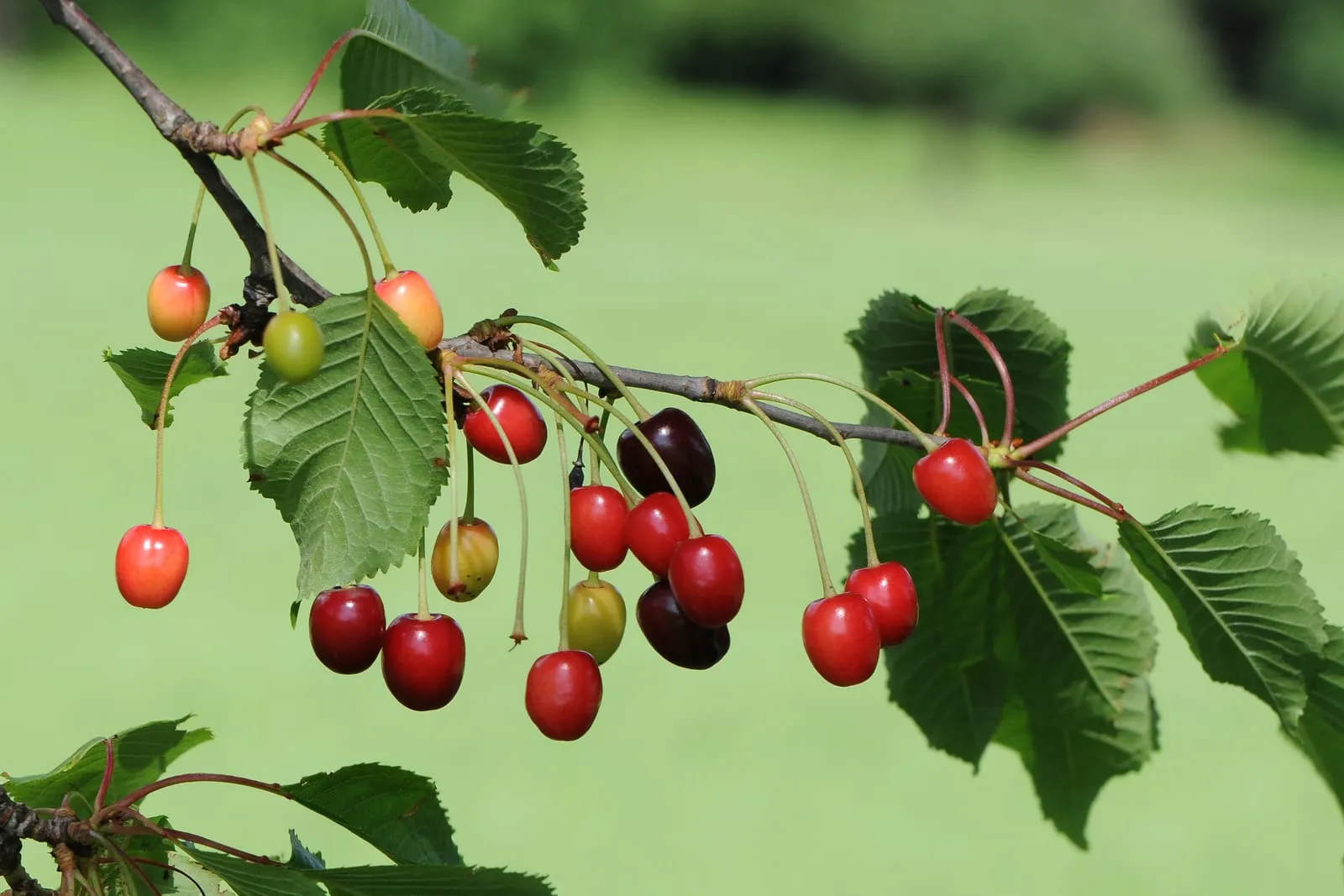
fruit tree in zone 4a
Growing sour cherry in zone 4a
Prunus cerasus
- Zone
- 4a -30°F to -25°F
- Growing season
- 120 days
- Chill needed
- 700 to 1000 below 45°F
- Suitable varieties
- 2
- Days to harvest
- 60 to 75
The verdict
Zone 4a is a reliable fit for sour cherry, not a marginal one. With minimum temperatures between -30°F and -25°F, the zone tests the cold-hardiness of most stone fruits, but both Montmorency and North Star carry sufficient dormancy tolerance to survive those extremes without significant trunk or crown damage under normal conditions.
The chill-hour picture is favorable. Sour cherry requires 700 to 1000 hours below 45°F, and zone 4a winters routinely deliver well above that threshold. Insufficient chilling is rarely a concern here; the risk runs the other direction only in anomalous mild winters, which are uncommon at this latitude.
The 120-day growing season is tight but workable. Sour cherry matures faster than sweet cherry and generally sets fruit within that window. The real pressure in zone 4a is late spring frost intersecting with bloom, not season length.
Recommended varieties for zone 4a
2 cultivars suited to this zone, with disease-resistance and zone-fit annotations.
| Variety | Notes | Zone fit | Disease resistance |
|---|---|---|---|
| Montmorency fits zone 4a | Tart, bright red, juicy; the classic American pie cherry, defines the flavor of cherry pie, jam, and juice. Self-fertile, no pollinator needed. | | none noted |
| North Star fits zone 4a | Tart, dark red, juicy with rich flavor; pies, preserves, juice. Compact dwarf tree (8-12 ft), self-fertile, very cold-hardy. | | none noted |
Critical timing for zone 4a
In zone 4a, sour cherry bloom typically occurs in late April to early May, depending on how quickly temperatures climb after snowmelt. This timing sits squarely within the zone's late-frost window: hard freezes can occur through mid-May in many parts of zone 4a, putting open blossoms at risk in years when the tree breaks dormancy early.
Harvest falls roughly 60 to 70 days after full bloom, placing the typical Montmorency harvest in mid- to late July. North Star tends to ripen slightly earlier. Both windows generally clear the first fall frost by a comfortable margin, so harvest timing is less of a concern than bloom-frost overlap in spring.
Common challenges in zone 4a
- ▸ Late frosts damage early bloomers
- ▸ Limited peach varieties
Disease pressure to watch for
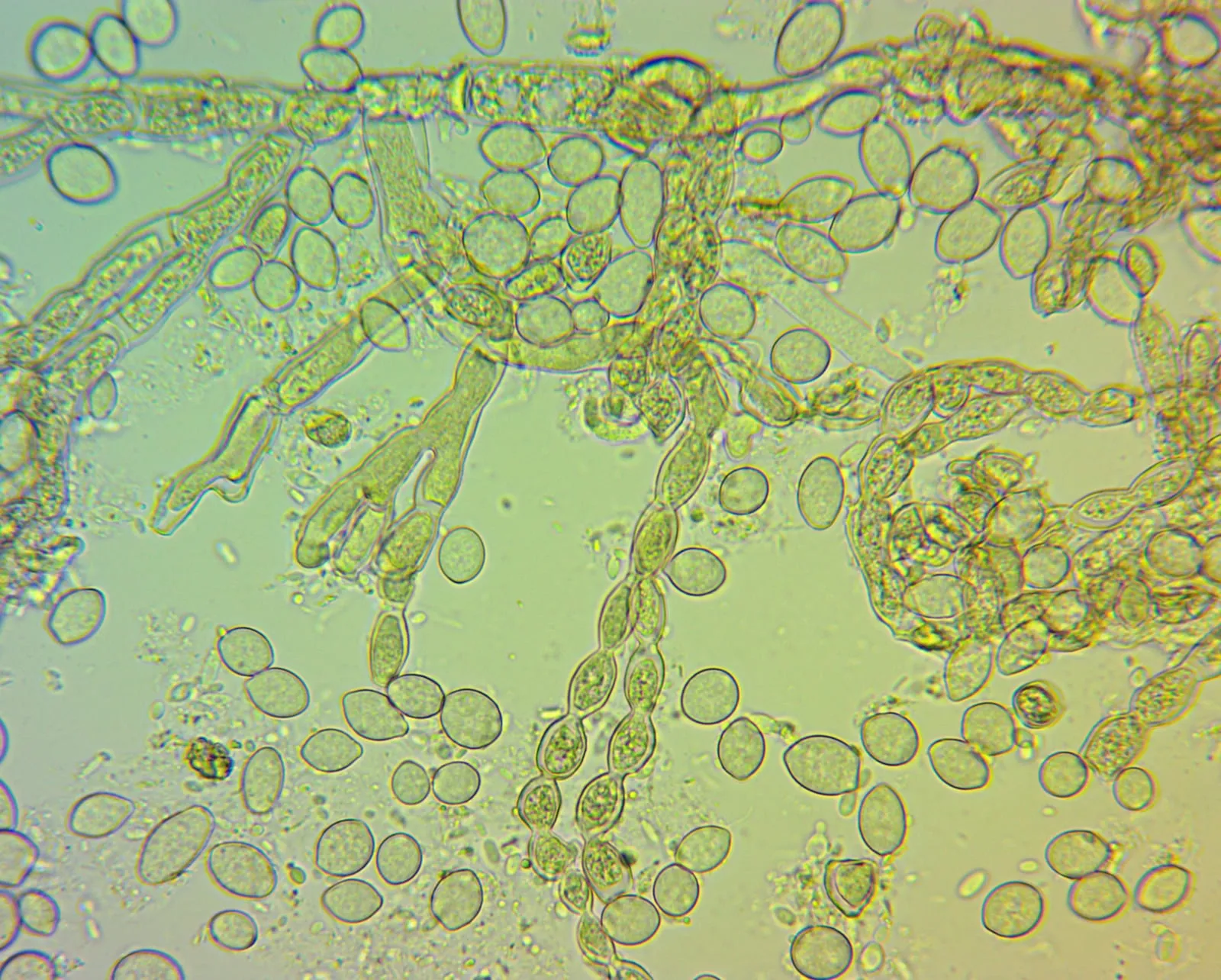
Monilinia fructicola
The most damaging stone-fruit and almond disease, causing blossom blight and fruit rot.
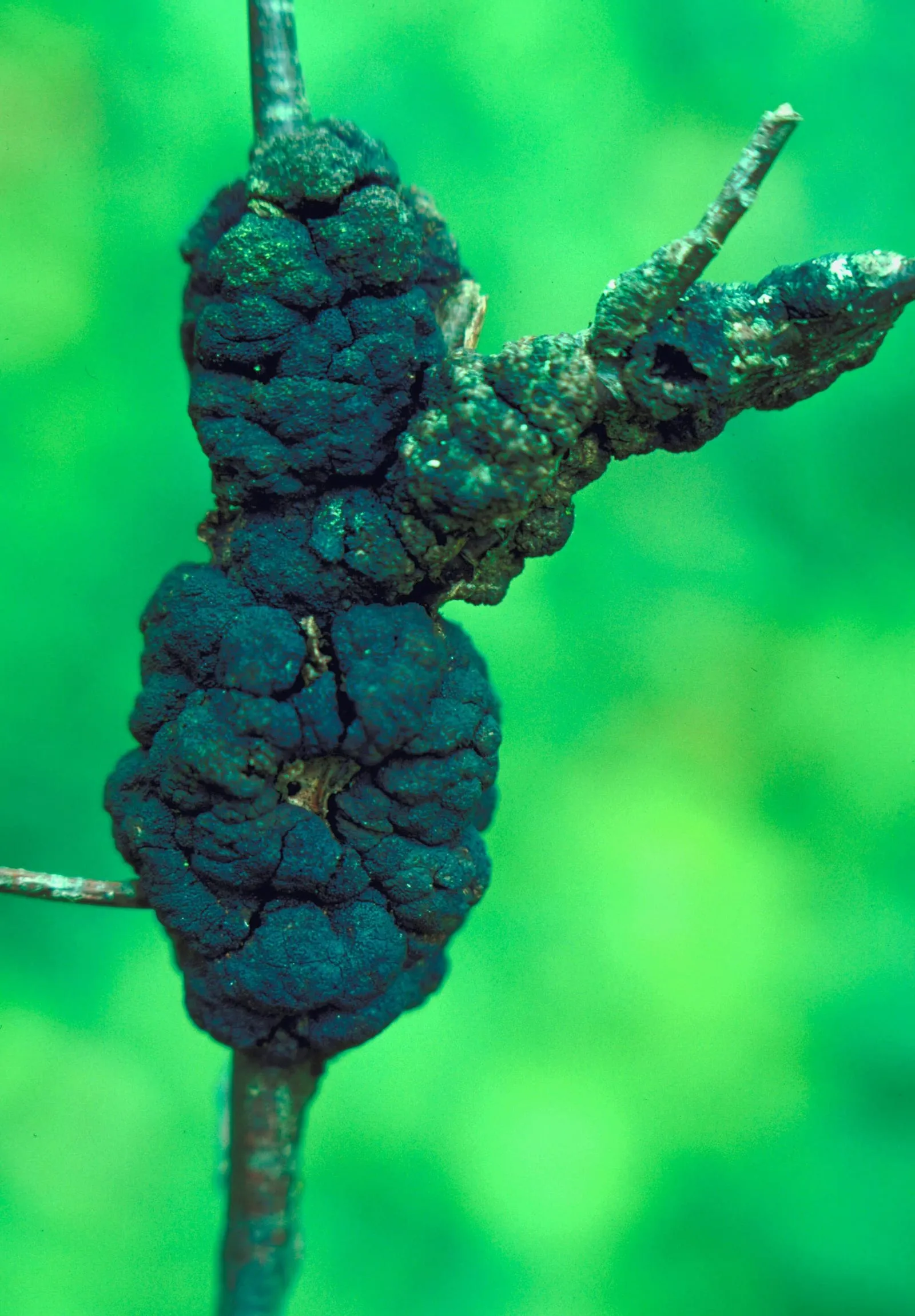
Apiosporina morbosa
Fungal disease producing characteristic black warty galls on plum and cherry branches.
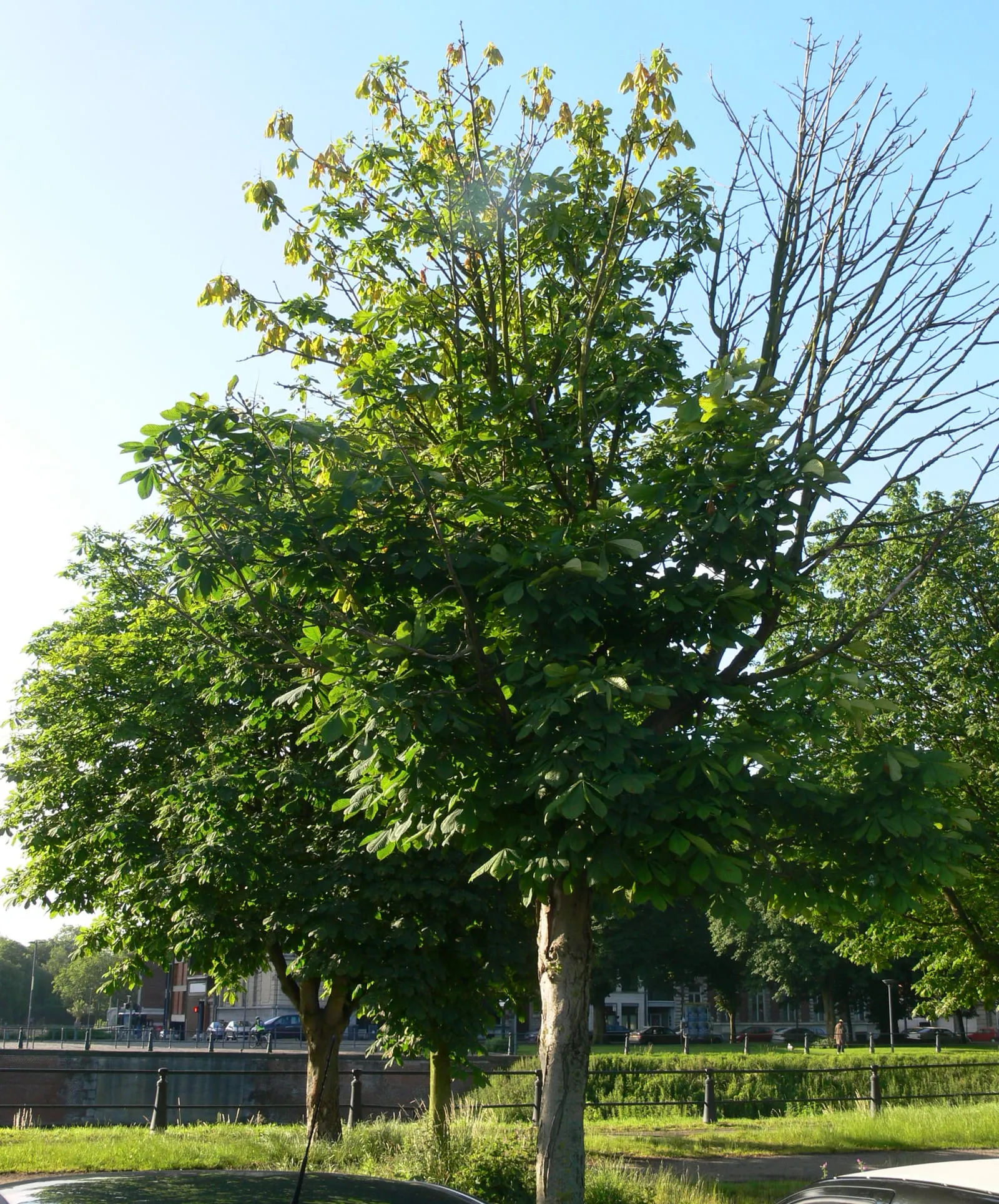
Pseudomonas syringae
Bacterial disease causing limb dieback and gummosis, particularly damaging in wet cool springs.
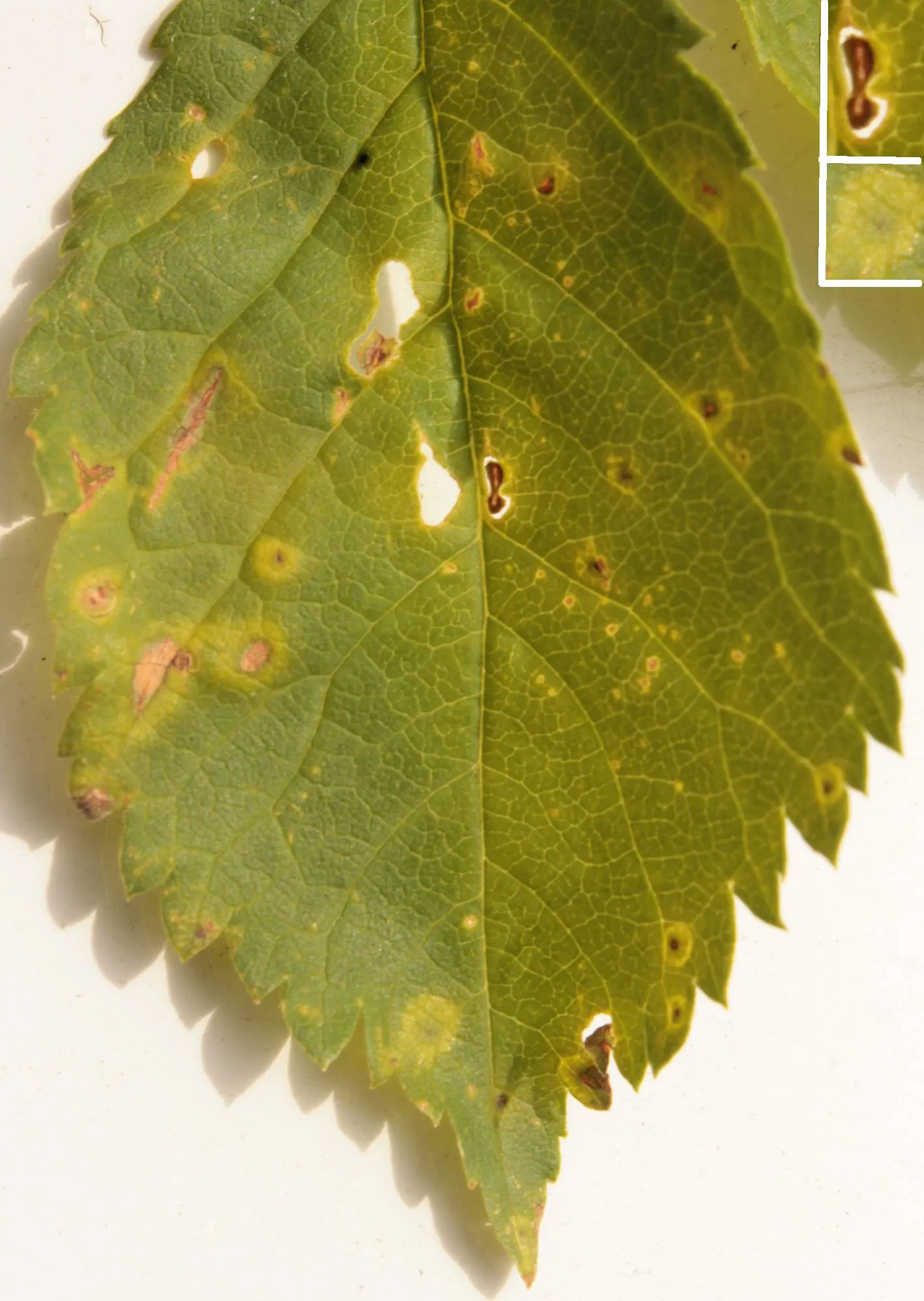
Blumeriella jaapii
Defoliating fungal disease that weakens trees over consecutive seasons.
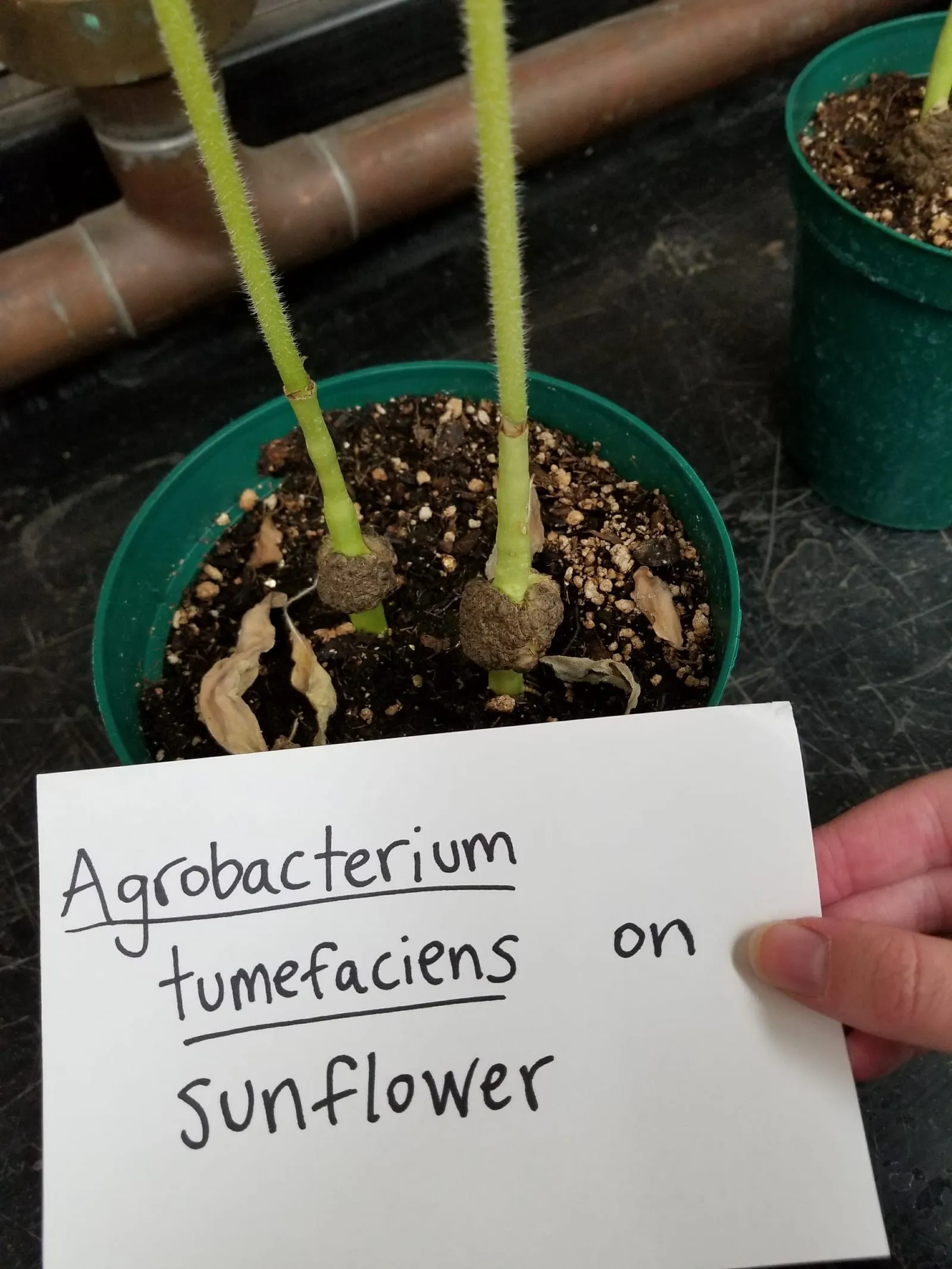
Agrobacterium tumefaciens
Soil-borne bacterium that enters plants through wounds and induces tumor-like galls on roots, crown, and lower stems. Galls reduce vigor and shorten plant lifespan; on Rubus the disease is often fatal.
Modified care for zone 4a
The primary adaptation in zone 4a is managing late-frost risk at bloom. Site selection matters more here than in warmer zones: a slope with good cold-air drainage, or a position near a south-facing windbreak, can shift effective bloom timing and reduce frost exposure. Overhead irrigation for frost protection is used on commercial operations in cold zones; for home growers, a single tree can be draped with frost cloth on nights forecast below 28°F during bloom.
Brown rot pressure tends to be lower in cool, dry zone 4a springs than in humid southern zones, but Cherry Leaf Spot remains an annual concern once the canopy closes. Removing fallen leaves and thinning for air circulation reduces inoculum load more reliably than a fixed spray schedule. Winter pruning should wait until late dormancy, closer to bud swell, to avoid leaving wounds exposed to the coldest temperatures of the season.
Frequently asked questions
- Will Montmorency sour cherry survive zone 4a winters?
Montmorency is rated hardy to approximately -40°F and handles zone 4a minimum temperatures without special protection under normal conditions. Extended wet-freeze cycles or early defoliation from disease can weaken cold hardiness, so keeping trees healthy through the season matters as much as variety selection.
- How many chill hours does sour cherry need, and does zone 4a deliver enough?
Sour cherry requires 700 to 1000 chill hours below 45°F. Zone 4a winters consistently exceed this range, often reaching 1,200 or more hours. Insufficient chilling is not a practical concern in zone 4a; most years provide ample dormancy satisfaction.
- What is the biggest risk to sour cherry in zone 4a?
Late spring frost during bloom is the primary yield threat. A single freeze below 28°F at full bloom can eliminate most of the crop. Site selection on well-drained, frost-resistant slopes and monitoring forecasts during late April and early May reduces but does not eliminate this risk.
+−
+−
+−
Sour Cherry in adjacent zones
Image: "Sauerkirschenfrucht Prunus cerasus 2", by böhringer friedrich, via Wikimedia Commons, licensed under CC-BY Source.

Related