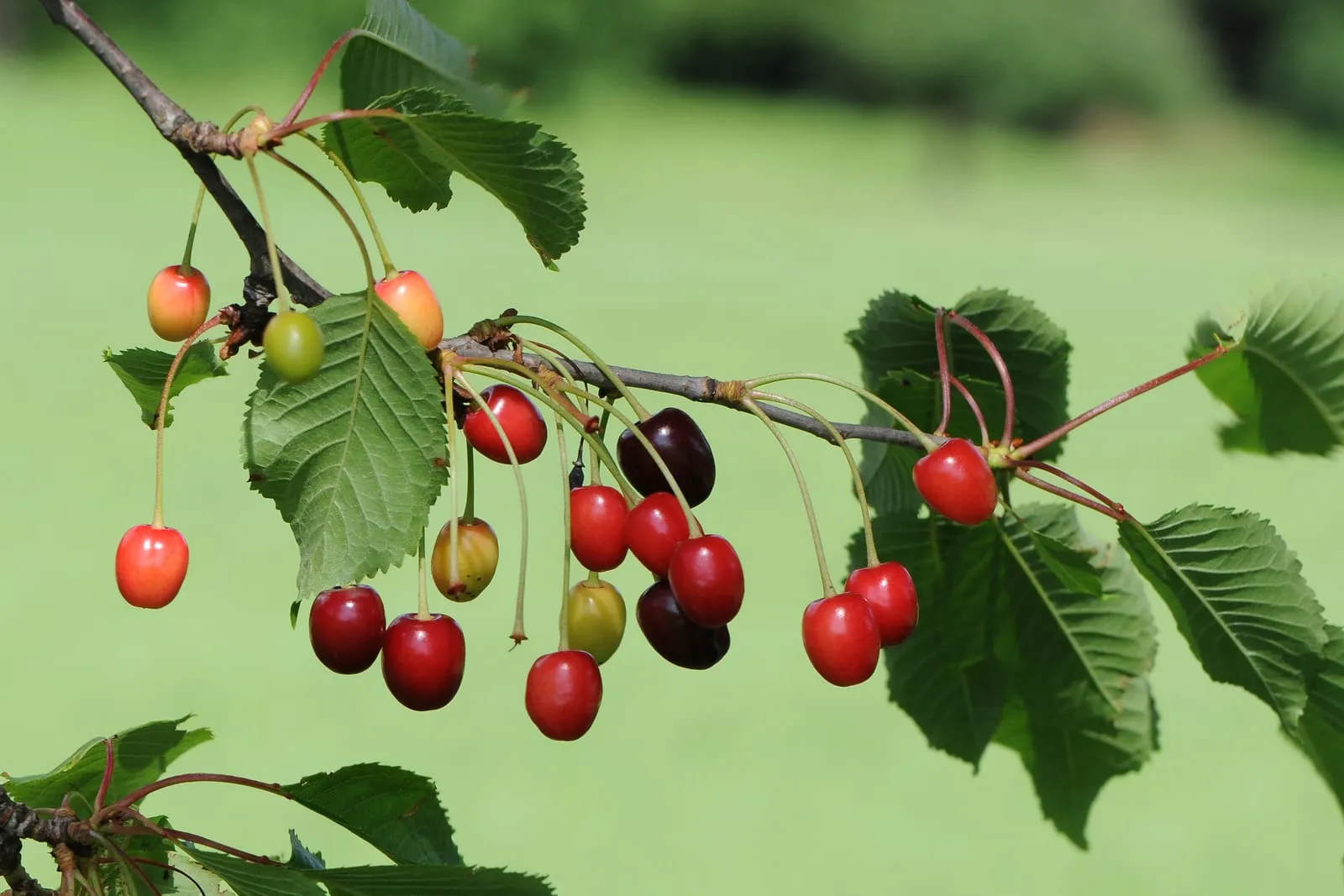
fruit tree in zone 5b
Growing sour cherry in zone 5b
Prunus cerasus
- Zone
- 5b -15°F to -10°F
- Growing season
- 165 days
- Chill needed
- 700 to 1000 below 45°F
- Suitable varieties
- 2
- Days to harvest
- 60 to 75
The verdict
Zone 5b is a genuine sweet spot for sour cherry, not a marginal case. Winter temperatures ranging from -15 to -10°F align well with the crop's hardiness, and the zone reliably delivers well above the 700-to-1000 chill-hour requirement that sour cherry needs to break dormancy properly. Most zone 5b locations accumulate 1,200 or more chilling hours below 45°F in a typical winter, meaning chill-hour deficit is rarely a concern here.
Montmorency and North Star, the two varieties best suited to this zone, are rated hardy to zone 4, so the cold is not a limiting factor. The 165-day growing season is sufficient for sour cherry to complete its fruit development cycle with margin to spare. The more meaningful constraints in zone 5b are spring frost timing at bloom and fungal disease pressure during wet seasons, not the basic cold tolerance of the tree.
Recommended varieties for zone 5b
2 cultivars suited to this zone, with disease-resistance and zone-fit annotations.
| Variety | Notes | Zone fit | Disease resistance |
|---|---|---|---|
| Montmorency fits zone 5b | Tart, bright red, juicy; the classic American pie cherry, defines the flavor of cherry pie, jam, and juice. Self-fertile, no pollinator needed. | | none noted |
| North Star fits zone 5b | Tart, dark red, juicy with rich flavor; pies, preserves, juice. Compact dwarf tree (8-12 ft), self-fertile, very cold-hardy. | | none noted |
Critical timing for zone 5b
Sour cherry bloom in zone 5b typically falls between late April and early May, depending on the specific site and year-to-year variation in winter warmth accumulation. The last frost in zone 5b averages late April to early May, which means the bloom window and the frost risk period overlap directly. Late-season frost events at or below 28°F can damage open flowers and reduce fruit set significantly.
Harvest for Montmorency in zone 5b generally runs mid-July to early August, roughly 60 to 75 days after full bloom. North Star matures a few days earlier in most seasons. Sites with cold air drainage, low-lying pockets, or proximity to large bodies of water will see measurable shifts from these averages.
Common challenges in zone 5b
- ▸ Plum curculio
- ▸ Codling moth
- ▸ Cedar-apple rust
Disease pressure to watch for
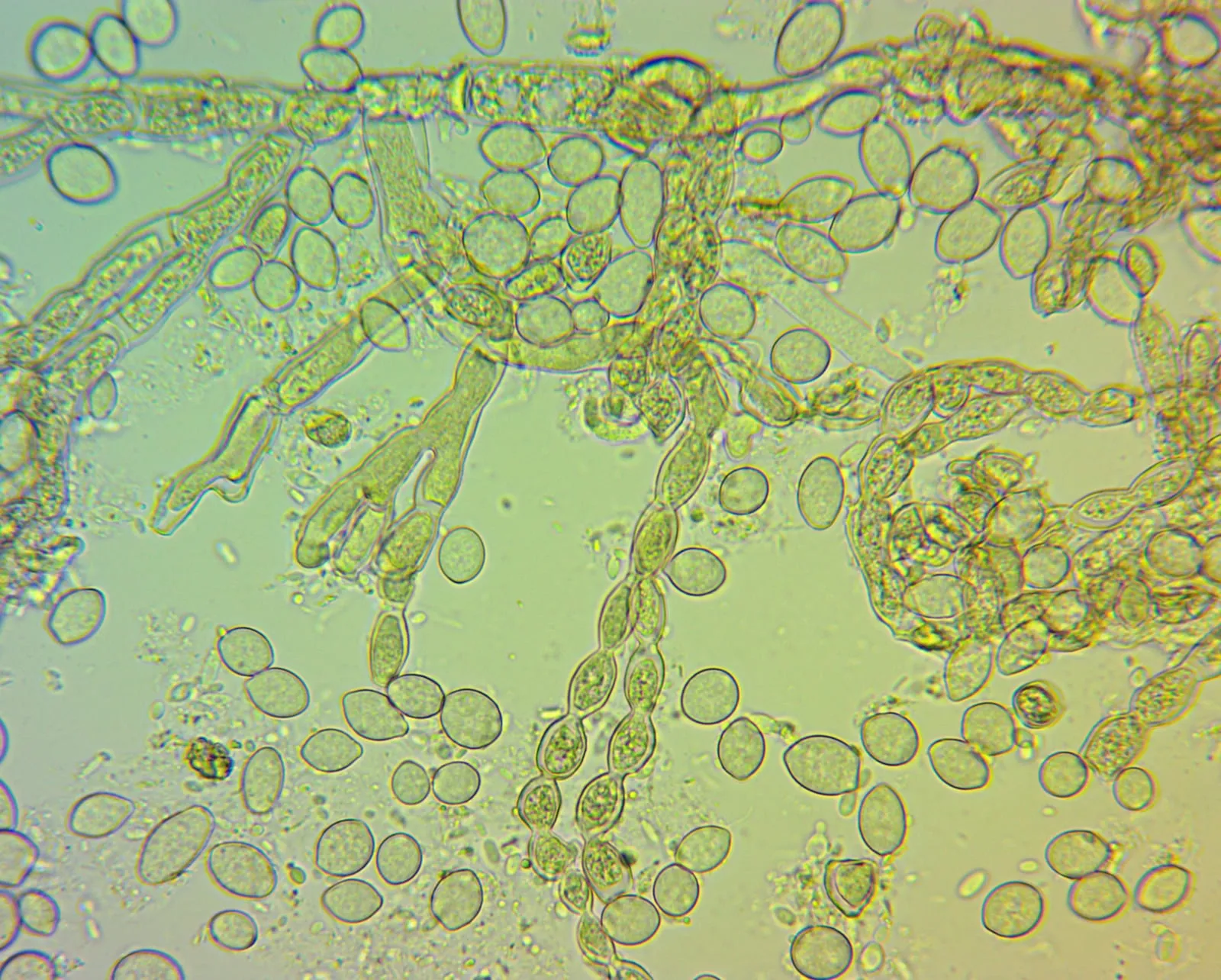
Monilinia fructicola
The most damaging stone-fruit and almond disease, causing blossom blight and fruit rot.
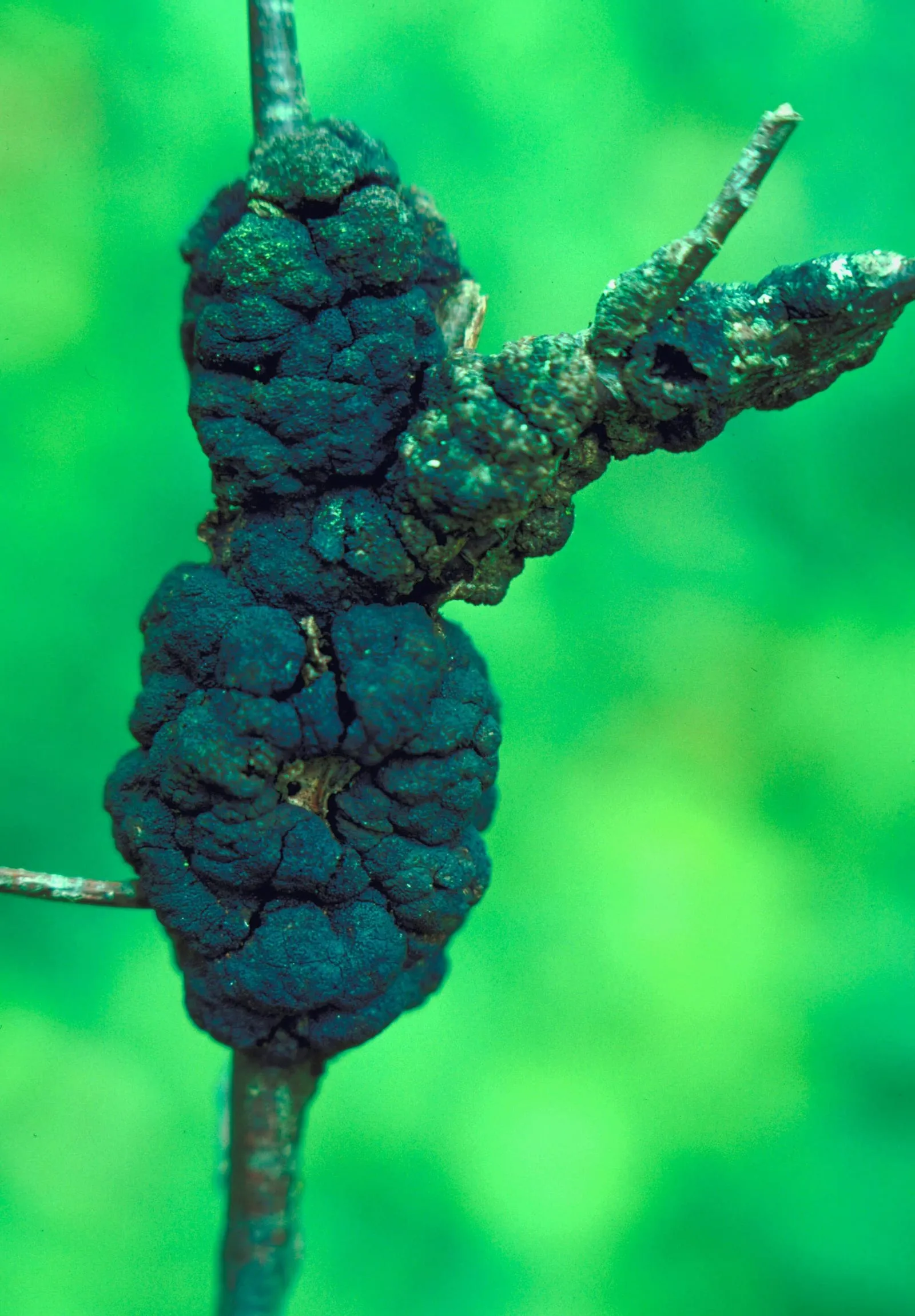
Apiosporina morbosa
Fungal disease producing characteristic black warty galls on plum and cherry branches.
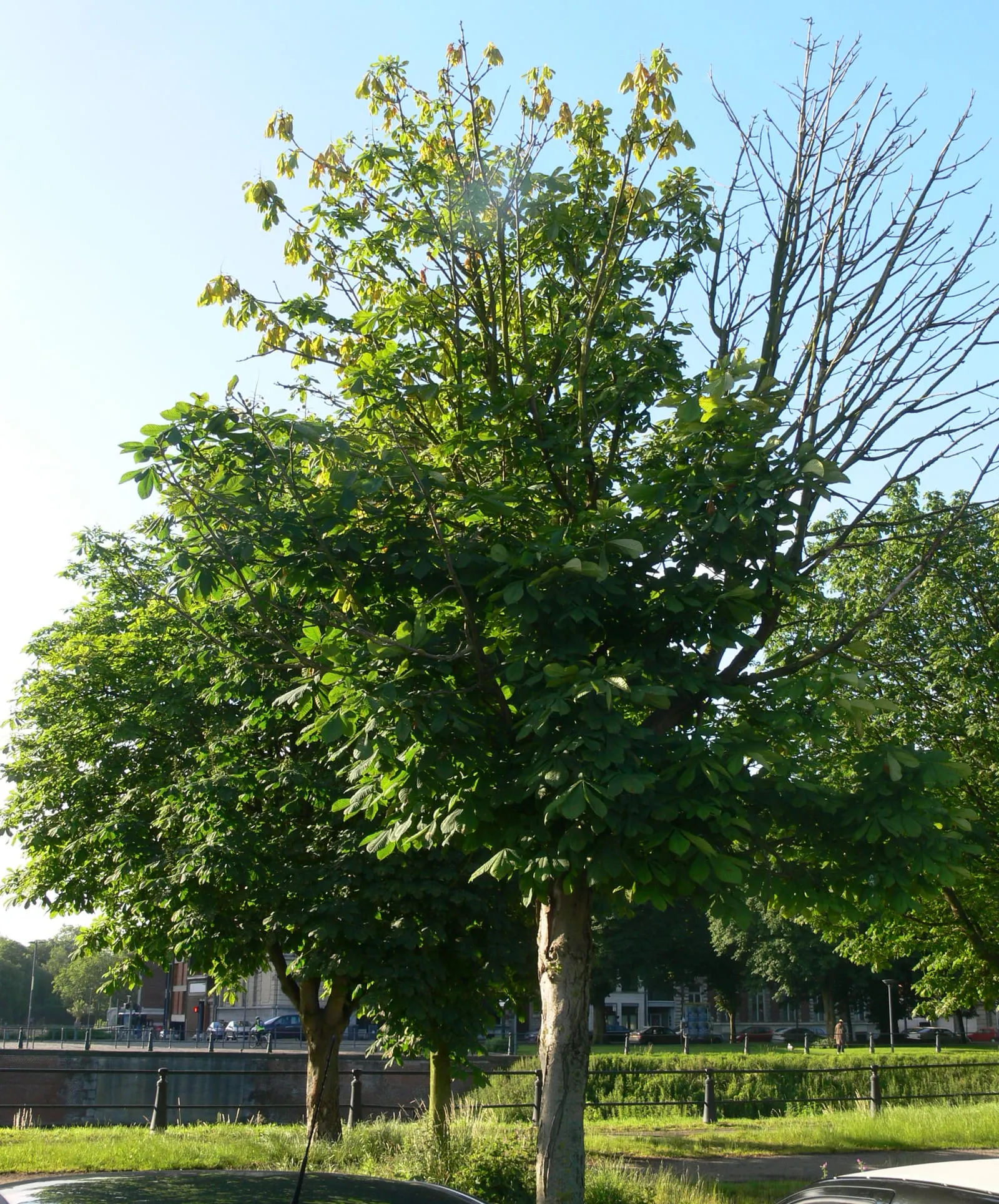
Pseudomonas syringae
Bacterial disease causing limb dieback and gummosis, particularly damaging in wet cool springs.
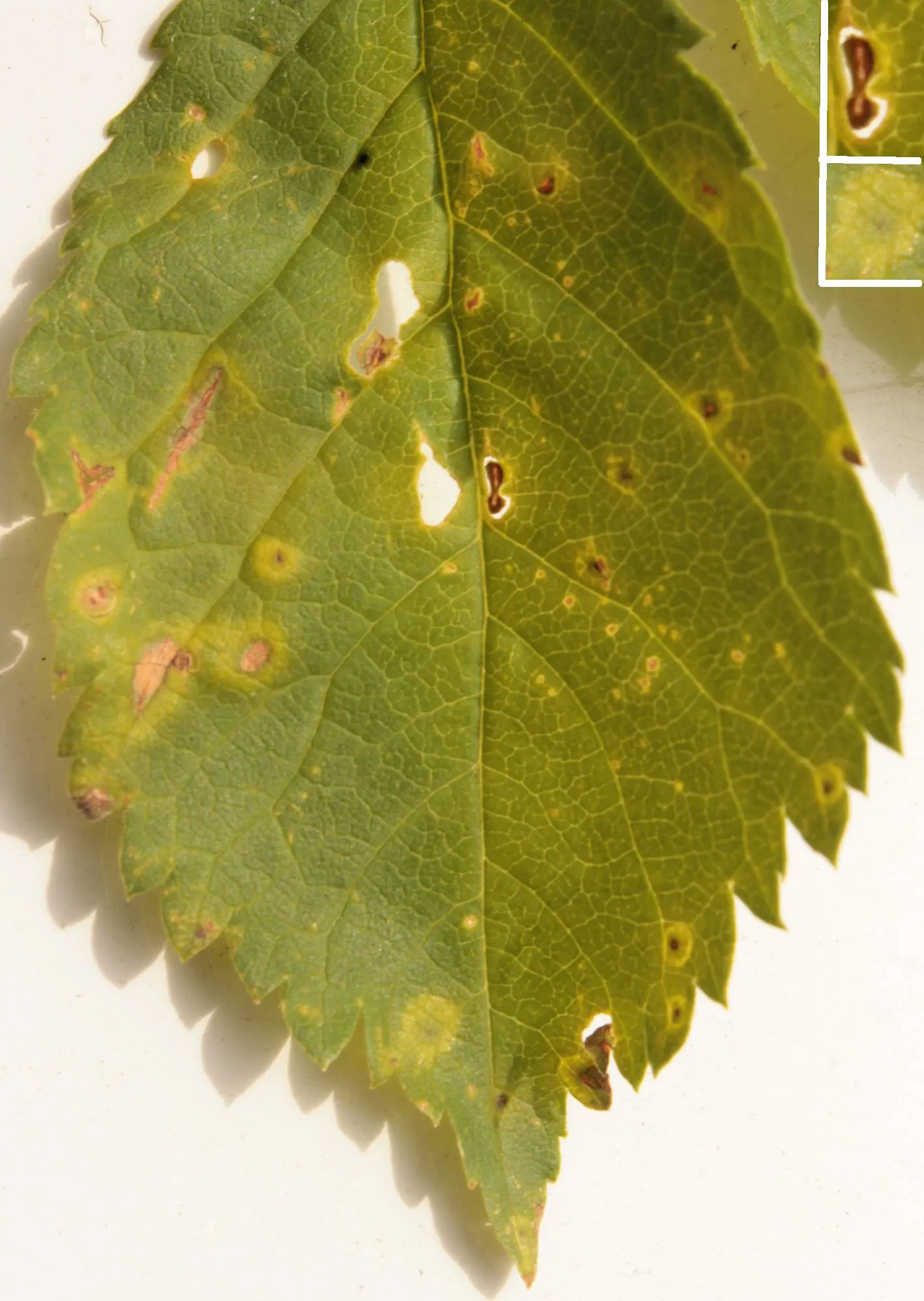
Blumeriella jaapii
Defoliating fungal disease that weakens trees over consecutive seasons.
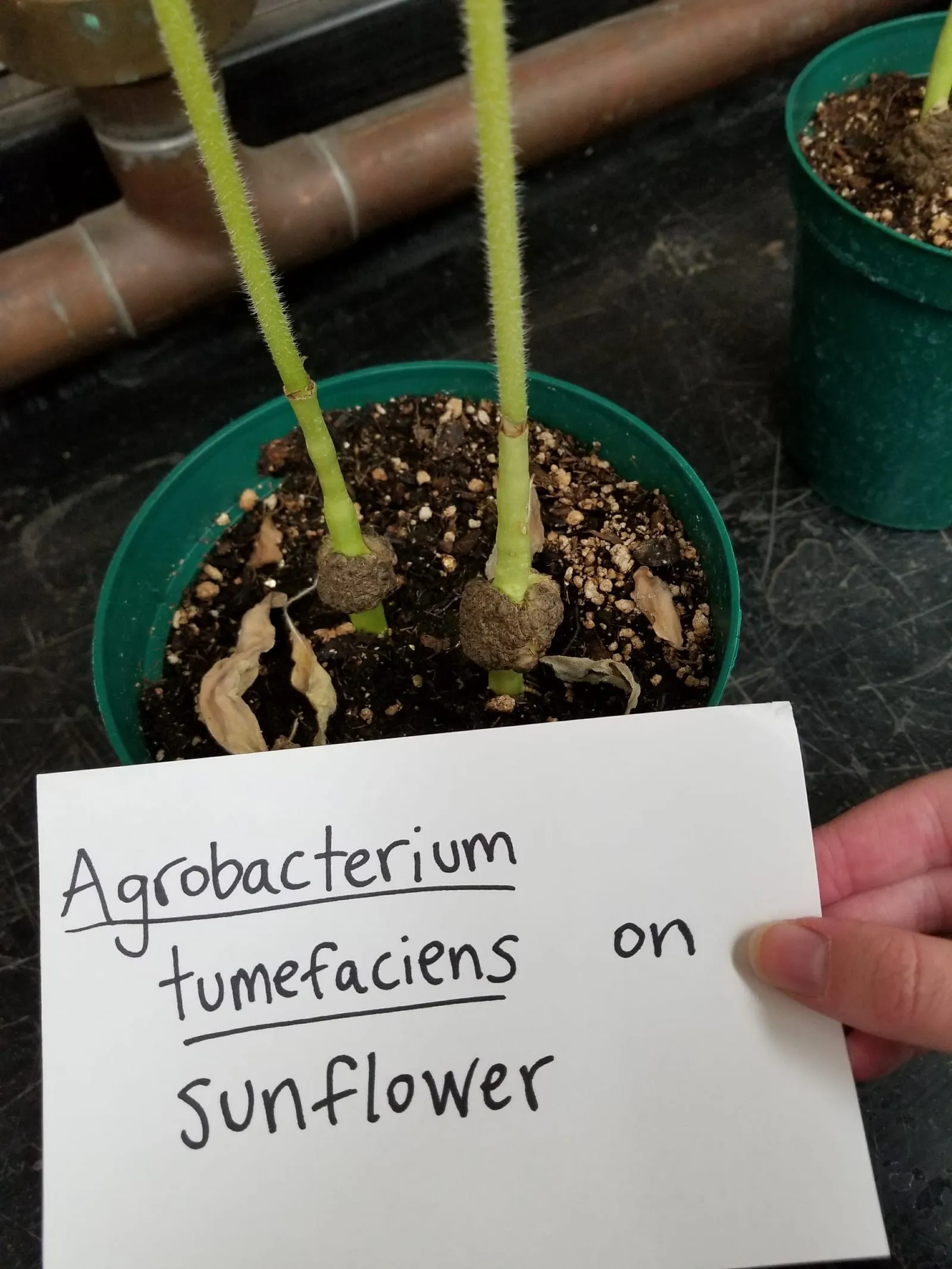
Agrobacterium tumefaciens
Soil-borne bacterium that enters plants through wounds and induces tumor-like galls on roots, crown, and lower stems. Galls reduce vigor and shorten plant lifespan; on Rubus the disease is often fatal.
Modified care for zone 5b
The main management adjustments in zone 5b center on fungal disease, not cold protection. Cherry leaf spot is the more persistent pressure, requiring a consistent fungicide program from petal fall through summer, particularly in years with frequent rain. Brown rot escalates quickly during warm, wet periods near harvest and warrants close monitoring from pit hardening onward.
Plum curculio is active during bloom and shortly after petal fall, which in zone 5b falls late April through May. Timing spray or organic deterrents to coincide with adult activity is more critical here than in warmer zones where the pest season extends longer. Winter protection for established Montmorency or North Star trees is generally unnecessary, as both handle zone 5b cold without wrapping or mounding.
Frequently asked questions
- Do sour cherries get enough chill hours in zone 5b?
Yes. Zone 5b typically accumulates well over 1,000 chill hours per winter, comfortably meeting the 700-to-1,000 hour requirement for most sour cherry varieties including Montmorency and North Star. Chill-hour deficit is not a realistic risk in this zone under normal conditions.
- What is the biggest threat to sour cherry fruit set in zone 5b?
Late spring frost during the bloom window, which typically falls late April to early May in zone 5b, is the most common cause of poor fruit set. Open flowers are damaged at temperatures at or below 28°F. Site selection on a slope or elevated ground with good cold air drainage reduces this risk.
- Which sour cherry variety performs better in zone 5b, Montmorency or North Star?
Both are well-matched to zone 5b. Montmorency produces heavier crops on a standard or semi-dwarf frame; North Star stays smaller, which can simplify netting and harvest. For growers with limited space or who want a self-contained tree, North Star is easier to manage without sacrificing hardiness.
+−
+−
+−
Sour Cherry in adjacent zones
Image: "Sauerkirschenfrucht Prunus cerasus 2", by böhringer friedrich, via Wikimedia Commons, licensed under CC-BY Source.

Related