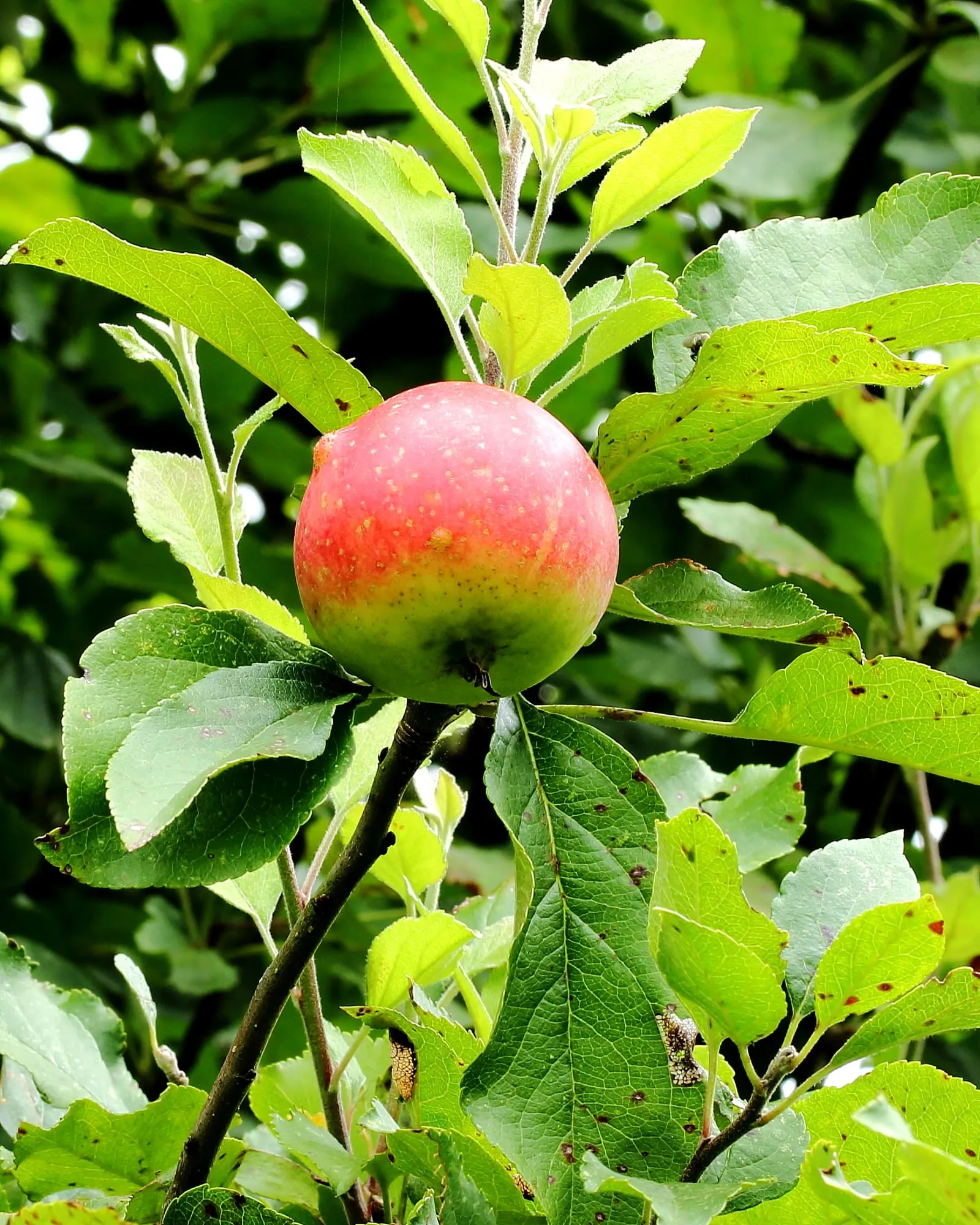
fruit tree in zone 5a
Growing apple in zone 5a
Malus domestica
- Zone
- 5a -20°F to -15°F
- Growing season
- 150 days
- Chill needed
- 400 to 1000 below 45°F
- Suitable varieties
- 5
- Days to harvest
- 120 to 200
The verdict
Zone 5a winters, with lows reaching -20 to -15°F, fall well within the cold-hardiness range of most commercial apple varieties. Rather than a marginal zone, zone 5a is a strong fit for apple production. The 150-day growing season is sufficient for a wide range of selections, from early-ripening choices like Williams Pride to mid-season varieties like Honeycrisp and Gala.
Chill hour accumulation is not a limiting factor here. Zone 5a reliably exceeds the 400 to 1,000-hour requirement for most apple cultivars, often by a considerable margin. The practical risks are late-spring frosts that can damage open blooms, and disease pressure from cedar-apple rust, fire blight, and apple scab. Variety selection shapes the workload considerably: Liberty, Enterprise, and Williams Pride carry meaningful disease resistance and tolerate the zone's conditions well, while Honeycrisp and Gala require more attentive spray programs.
Recommended varieties for zone 5a
5 cultivars suited to this zone, with disease-resistance and zone-fit annotations.
| Variety | Notes | Zone fit | Disease resistance |
|---|---|---|---|
| Honeycrisp fits zone 5a | Explosively crisp, juicy, sweet-tart with floral notes; the standout fresh-eating apple of the last 30 years. Excellent in lunch boxes, salads, and 6-month cold storage. Struggles in heat (bitter pit in zones 8+). | |
|
| Liberty fits zone 5a | Tart-sweet McIntosh-style flavor, juicy with crisp tender flesh; good fresh, excellent for sauce and pies. Top low-spray choice for the eastern US. | |
|
| Enterprise fits zone 5a | Sweet-tart, firm, complex flavor that improves in storage; late-season eating and cider apple, holds 5+ months in cold storage. Excellent low-spray choice. | |
|
| Gala fits zone 5a | Sweet, mild, juicy with thin skin; the classic kid-friendly snacking apple. Good fresh and in salads, less acid than older varieties so it browns quickly when cut. | | none noted |
| Williams Pride fits zone 5a | Sweet, juicy, slightly tart with rich flavor; one of the best early-season apples (ripens July). Eats fresh, doesn't store long. | |
|
Critical timing for zone 5a
Apple bloom in zone 5a typically opens in late April to early May, varying by variety and local microclimate. This window can overlap with the zone's last frost dates, which in colder pockets may fall as late as mid-May, putting developing blooms and fruitlets at risk in some years.
Harvest timing spreads across a long window. Williams Pride and other early-season varieties ripen by mid-August. Mid-season selections such as Honeycrisp and Gala are ready in September. Later varieties like Enterprise extend the harvest into October, comfortably within the 150-day growing season. Growers should track forecasts closely during bloom; a cold snap following an early warm spell that accelerates flower development is the scenario that causes the most damage.
Common challenges in zone 5a
- ▸ Fire blight in pears
- ▸ Cedar-apple rust
- ▸ Late spring frosts
Disease pressure to watch for
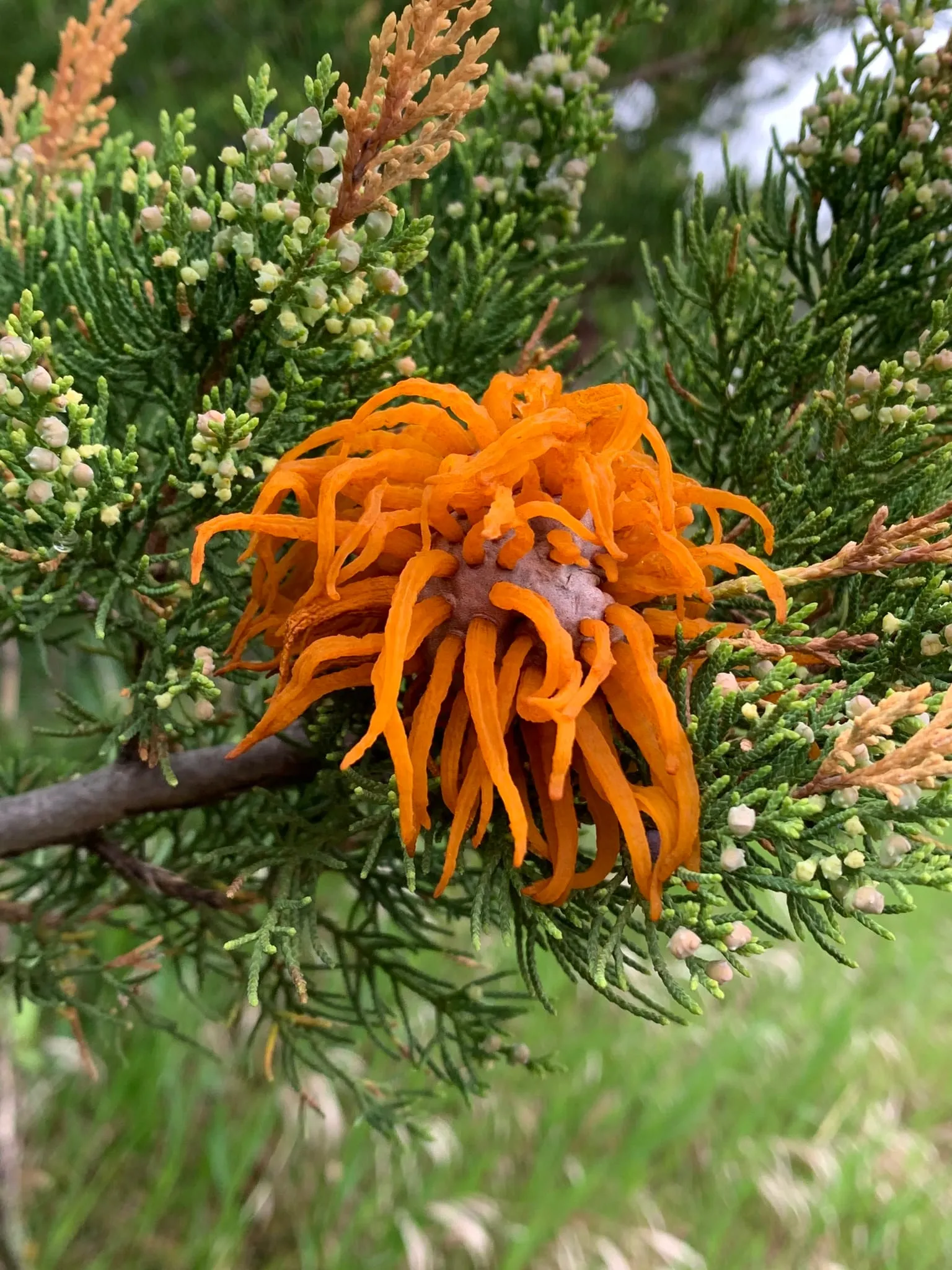
Gymnosporangium juniperi-virginianae
Two-host fungal disease alternating between apple and eastern red cedar. Severe pressure in regions with abundant cedar.
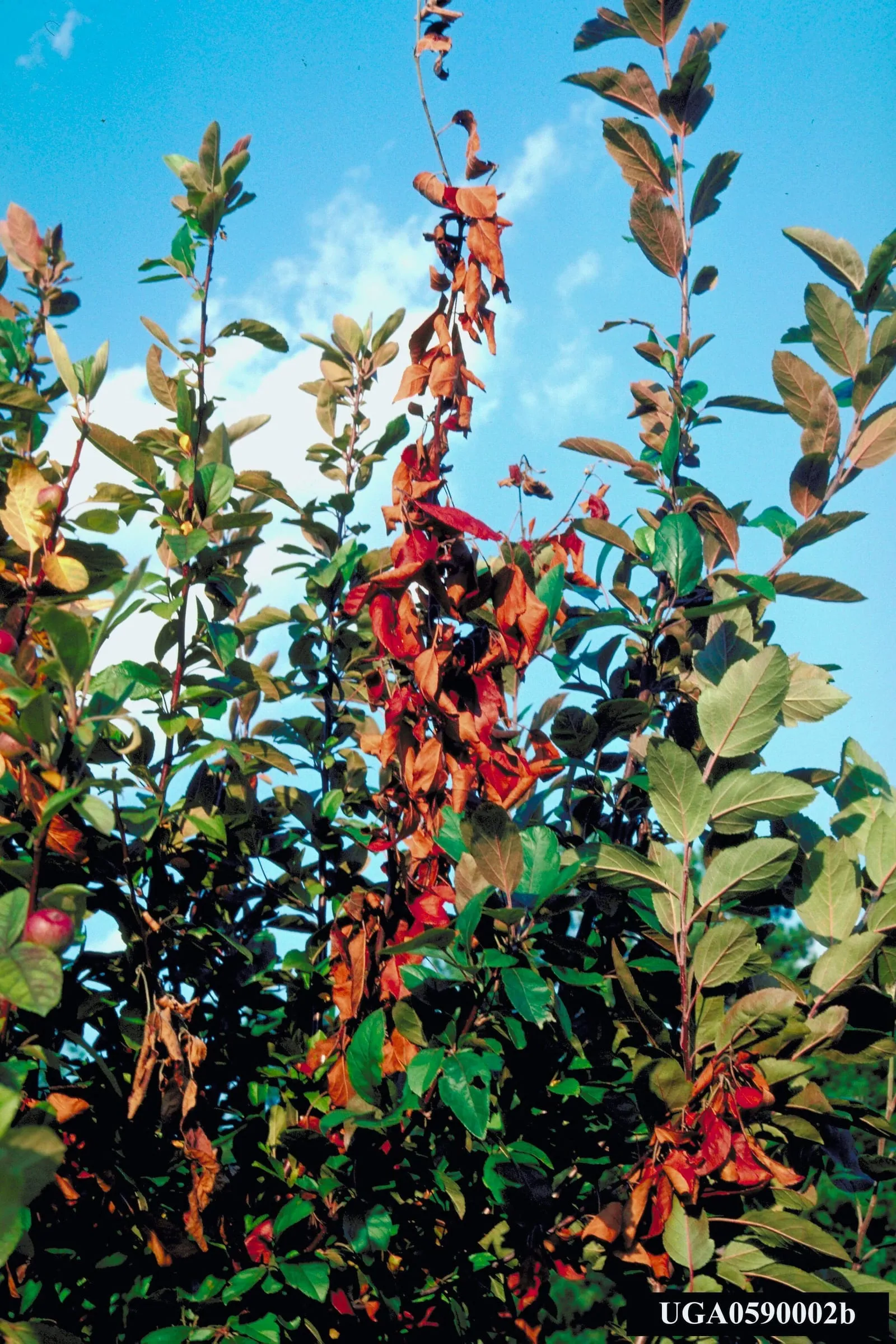
Erwinia amylovora
Devastating bacterial disease that can kill trees rapidly. Most severe in warm wet springs.
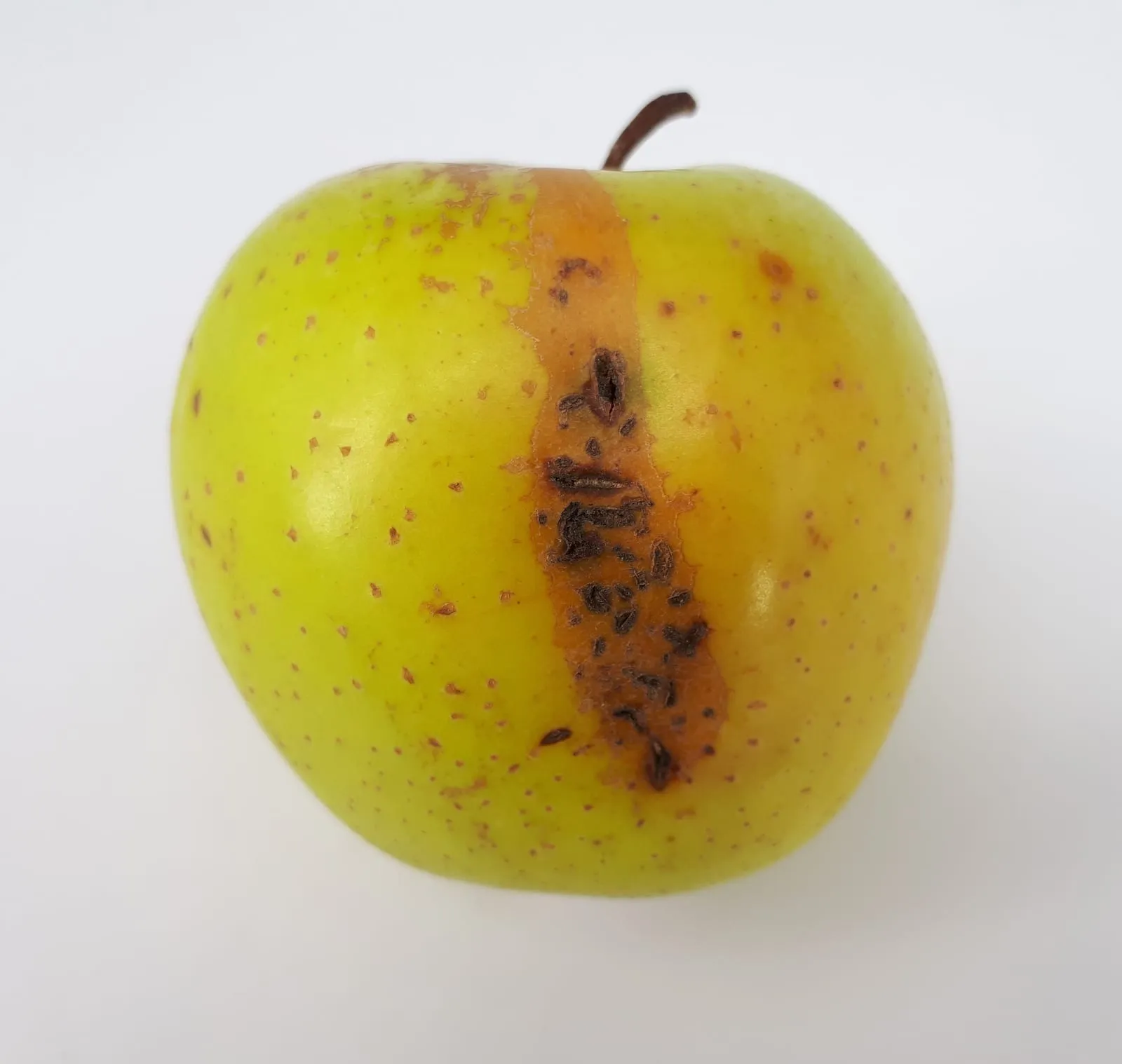
Venturia inaequalis
The most widespread apple disease in humid regions. Reduces fruit quality and defoliates trees.
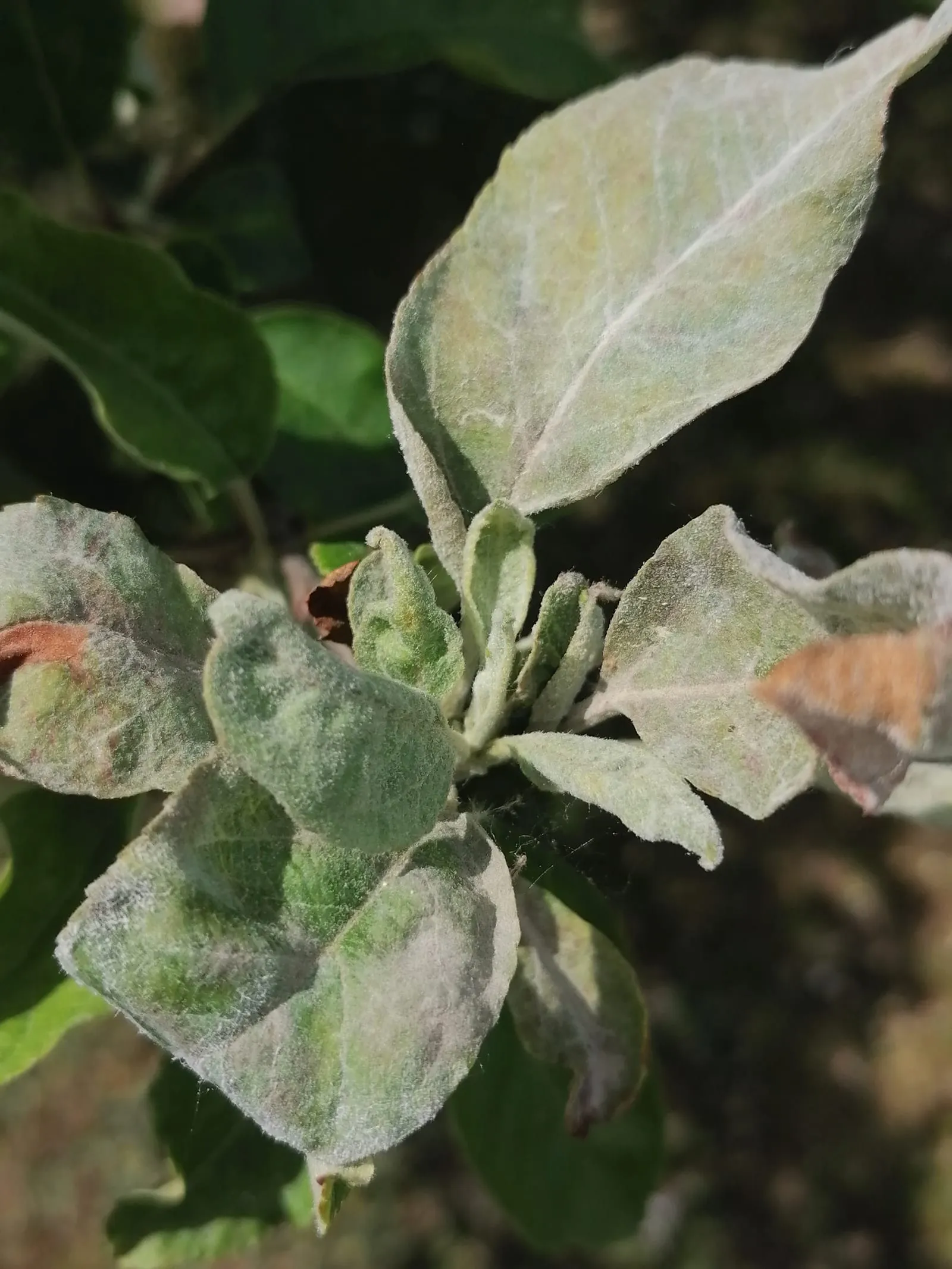
Podosphaera leucotricha
Surface-feeding fungal disease that distorts new growth and reduces yields.
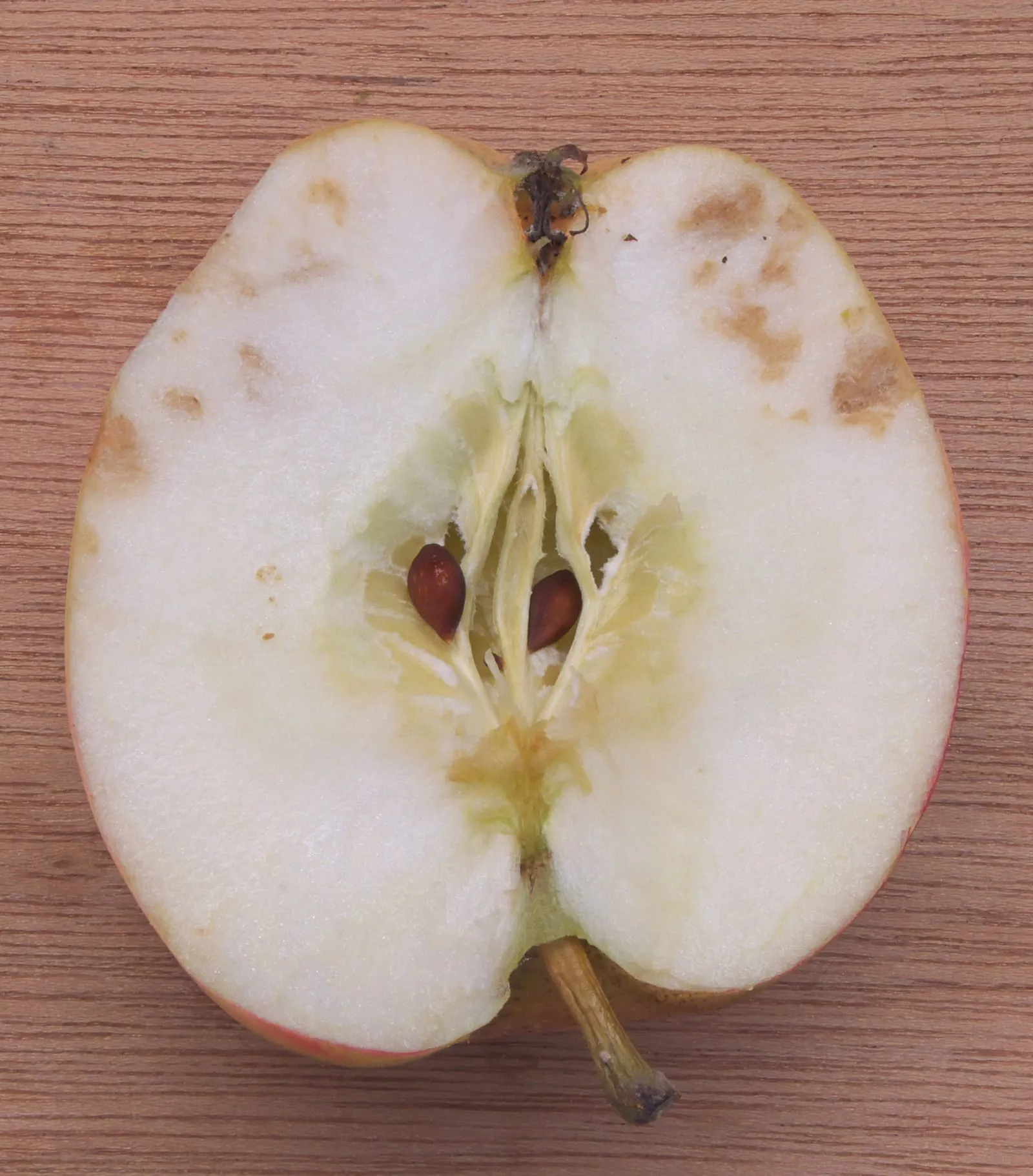
Physiological disorder
Damage from direct intense sun exposure on fruit or bark, particularly on plants suddenly exposed by pruning, defoliation, or hot weather. Distinct from sunburn (which is reversible).
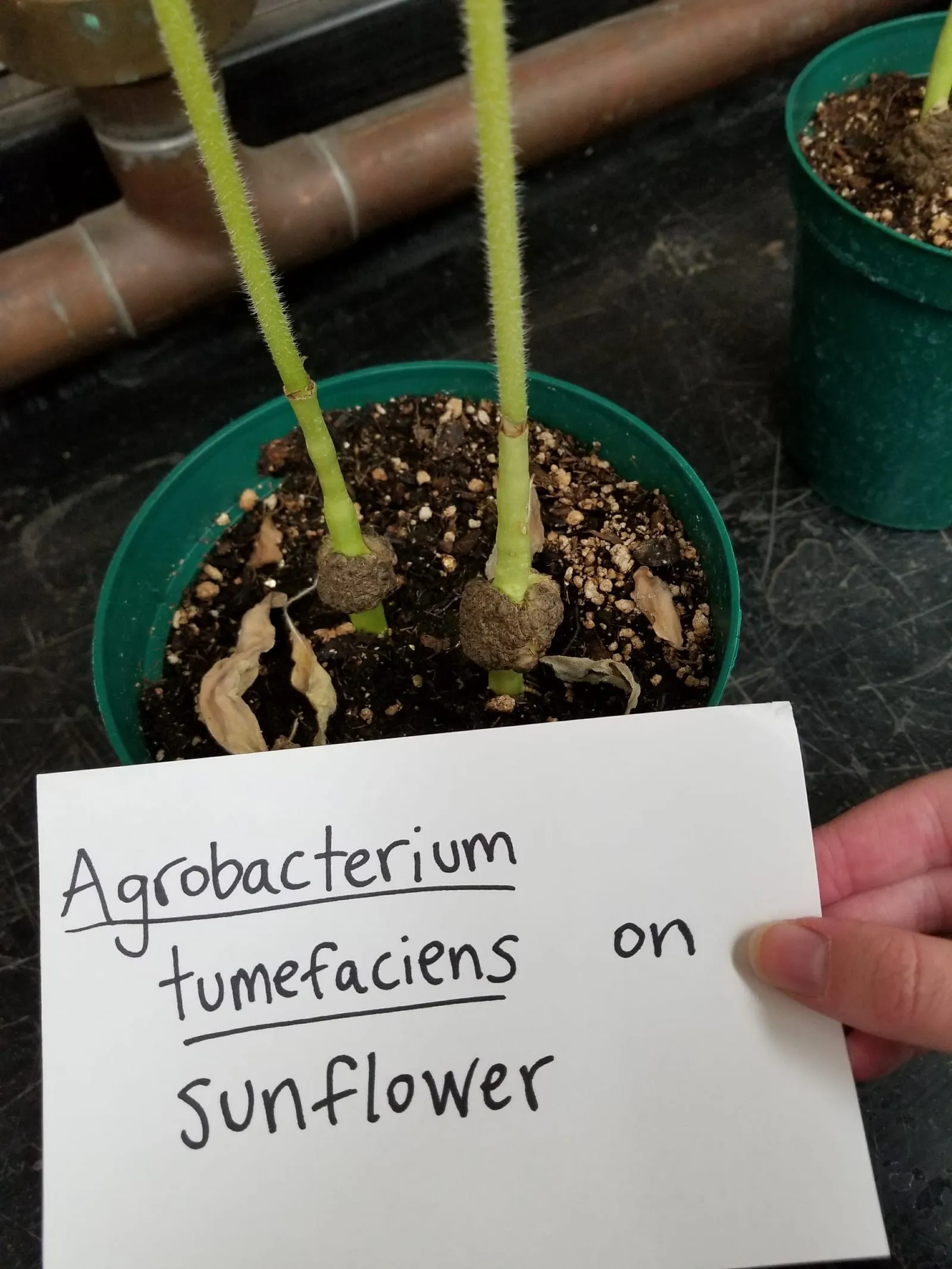
Agrobacterium tumefaciens
Soil-borne bacterium that enters plants through wounds and induces tumor-like galls on roots, crown, and lower stems. Galls reduce vigor and shorten plant lifespan; on Rubus the disease is often fatal.
Modified care for zone 5a
Winter temperatures in zone 5a can reach -20°F, which tests the tolerance of some dwarfing rootstocks, particularly M.9 and M.26. Cold-hardier options such as MM.111 or Geneva 41 are worth considering, especially where late-planting or exposed sites increase freeze risk. Graft unions on young trees are particularly vulnerable in the first two to three winters and benefit from trunk wraps.
Disease pressure requires planning before the season begins. Cedar-apple rust and apple scab both peak during wet springs; a spray program timed to bloom and early post-bloom leaf wetness periods reduces infection significantly. Fire blight risk is real but somewhat lower in zone 5a than in warmer zones, since cooler spring temperatures narrow the infection window. Late-frost events during bloom call for contingency plans, whether row covers for smaller plantings or overhead irrigation for frost protection in larger ones.
Frequently asked questions
- Is zone 5a cold enough to grow apples well?
Yes. Zone 5a winters reliably satisfy the 400 to 1,000 chill-hour requirement most apple varieties need, and the 150-day growing season accommodates everything from early to late-ripening cultivars. Cold hardiness is generally not the limiting factor; late-spring frost and disease pressure are the primary management concerns.
- Which apple varieties perform best in zone 5a?
Liberty, Enterprise, and Williams Pride are strong choices because they combine solid cold-hardiness with disease resistance to scab and fire blight. Honeycrisp and Gala perform well but require more active disease management. All five varieties listed are established performers in zone 5a conditions.
- How serious is cedar-apple rust in zone 5a?
Cedar-apple rust can be significant wherever Eastern red cedar or ornamental junipers grow nearby, which is common across much of zone 5a's range. Choosing resistant varieties like Liberty or Enterprise substantially reduces the problem. Where susceptible varieties are grown, fungicide applications timed to bloom are the standard management approach.
- Can late spring frosts damage apple blooms in zone 5a?
Yes, this is one of the more consistent risks in zone 5a. Bloom typically opens in late April to early May, and frost events can occur into mid-May in colder areas. A single hard frost at full bloom can eliminate most of a year's crop on unprotected trees.
+−
+−
+−
+−
Apple in adjacent zones
Image: "Malus domestica 'Stark's Earliest'. Locatie De Kruidhof 02", by Dominicus Johannes Bergsma, via Wikimedia Commons, licensed under CC-BY Source.

Related