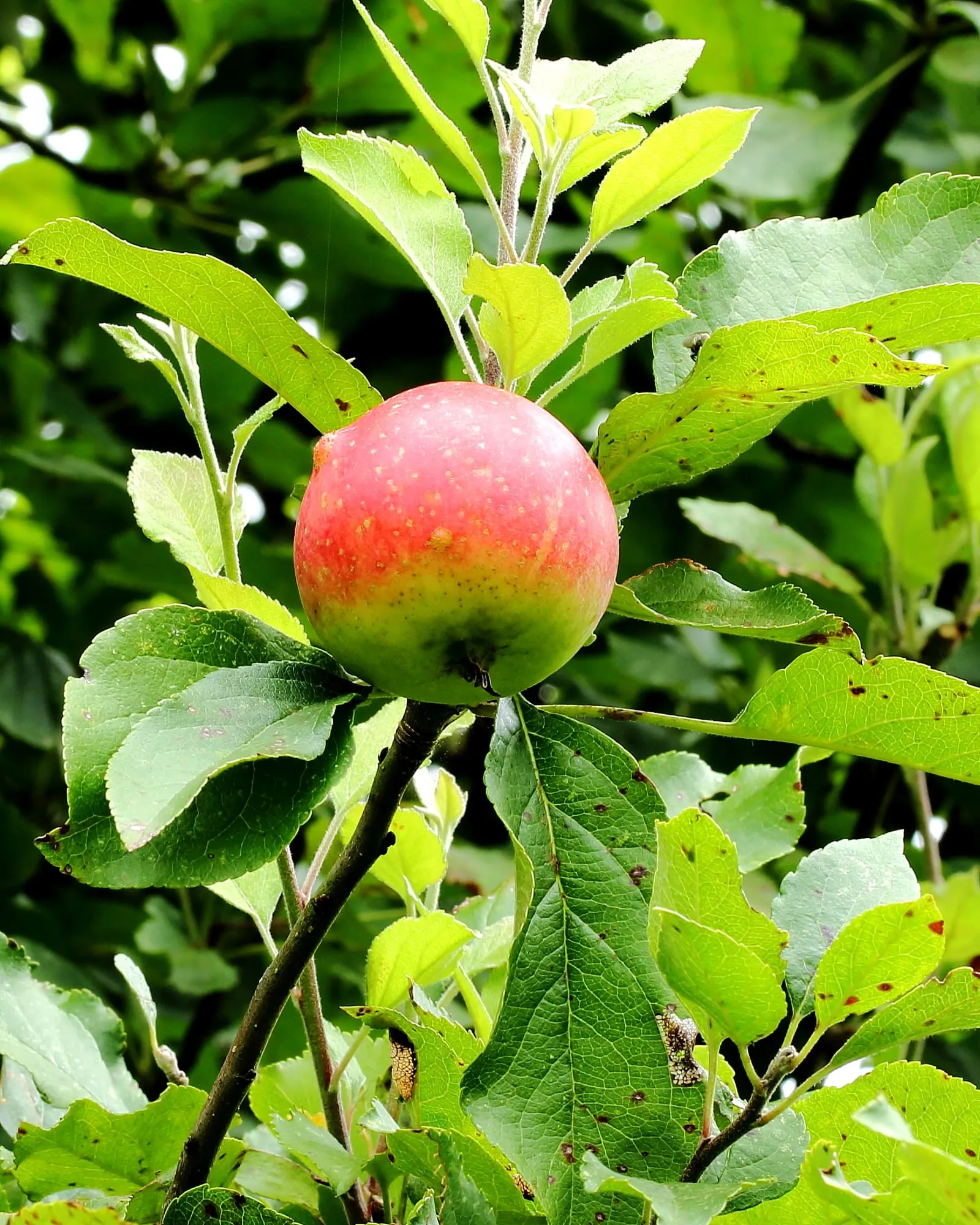
fruit tree in zone 4b
Growing apple in zone 4b
Malus domestica
- Zone
- 4b -25°F to -20°F
- Growing season
- 130 days
- Chill needed
- 400 to 1000 below 45°F
- Suitable varieties
- 2
- Days to harvest
- 120 to 200
The verdict
Zone 4b sits in the sweet spot for apple chill-hour requirements. At winter lows of -25 to -20°F, the zone accumulates well above the 400-hour minimum that low-chill varieties need and reliably exceeds 800 to 1,000 hours in most years, satisfying high-chill cultivars without trouble. The binding constraint is not chill hours but winter hardiness and the 130-day growing season. Varieties like Honeycrisp and Liberty were developed with short-season northern conditions in mind and are appropriate fits. Standard commercial varieties bred for zones 6 through 8 may not harden adequately for zone 4b winters. The real risk is not cold per se but the unpredictable spring frost window, which can catch early-blooming trees in an open-blossom stage when temperatures drop below 28°F. For growers who choose cold-hardy varieties and select sheltered sites, zone 4b is a productive apple zone, not a marginal one.
Recommended varieties for zone 4b
2 cultivars suited to this zone, with disease-resistance and zone-fit annotations.
| Variety | Notes | Zone fit | Disease resistance |
|---|---|---|---|
| Honeycrisp fits zone 4b | Explosively crisp, juicy, sweet-tart with floral notes; the standout fresh-eating apple of the last 30 years. Excellent in lunch boxes, salads, and 6-month cold storage. Struggles in heat (bitter pit in zones 8+). | |
|
| Liberty fits zone 4b | Tart-sweet McIntosh-style flavor, juicy with crisp tender flesh; good fresh, excellent for sauce and pies. Top low-spray choice for the eastern US. | |
|
Critical timing for zone 4b
In zone 4b, apple bloom typically falls in mid-to-late May, roughly two to three weeks after the average last frost date. The exact window shifts by site; south-facing slopes and protected valley pockets can bloom a week earlier than exposed ridgelines. Late frost events in May remain a real risk and are the primary driver of crop failures in cold-year scenarios. With a 130-day growing season, harvest timing depends heavily on variety selection. Honeycrisp matures in approximately 150 days from full bloom, which puts it at the edge of the frost-free window in most zone 4b locations, with harvest running from mid-September to early October. Liberty ripens slightly earlier, generally by mid-September, making it a more reliable fit for the shorter end of the zone's season. Growers with frost pockets or north-facing sites should weight their selections toward early-to-mid-season cultivars.
Common challenges in zone 4b
- ▸ Spring frost timing
- ▸ Apple scab pressure
- ▸ Cane berry winter dieback
Disease pressure to watch for
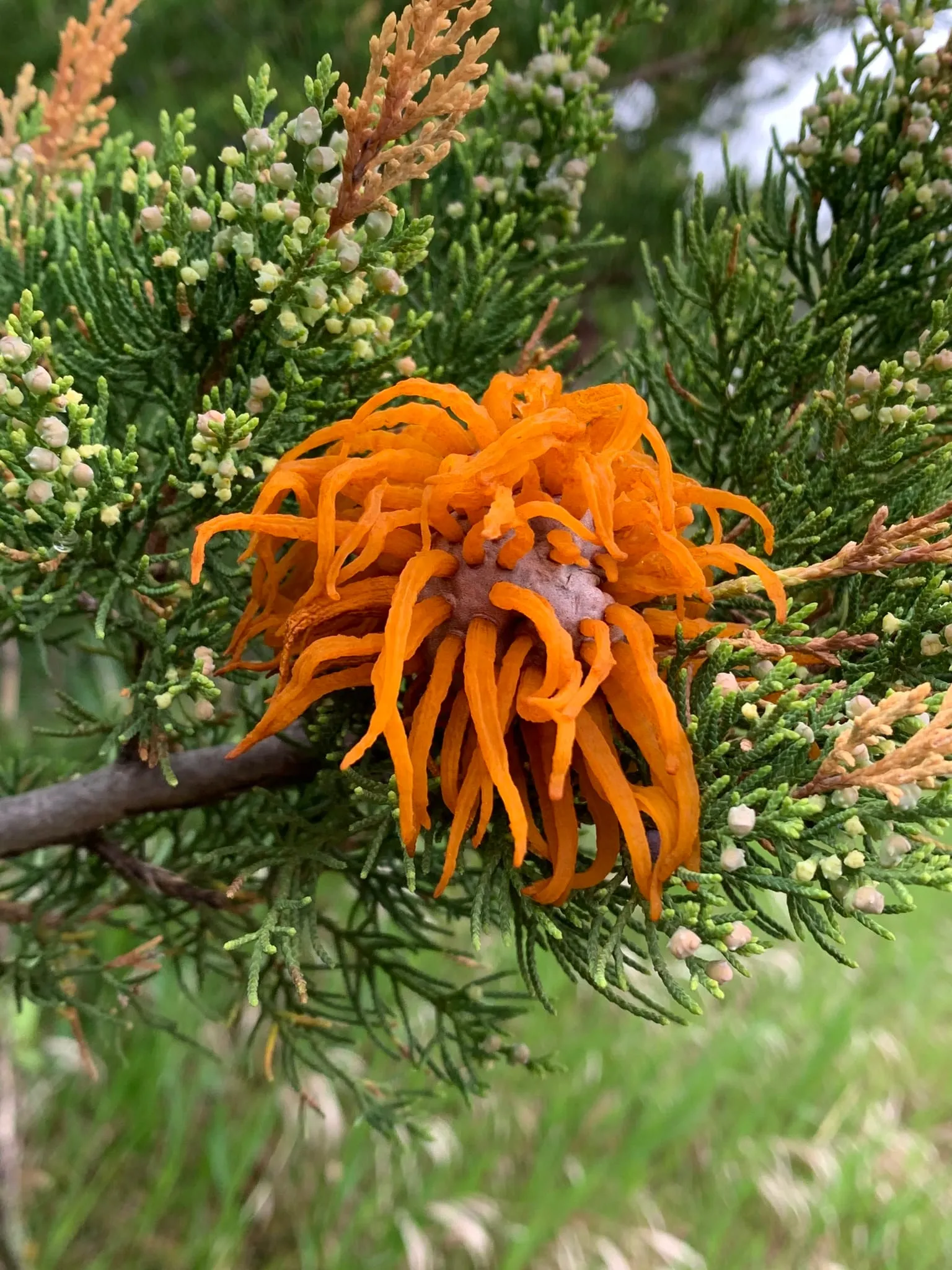
Gymnosporangium juniperi-virginianae
Two-host fungal disease alternating between apple and eastern red cedar. Severe pressure in regions with abundant cedar.
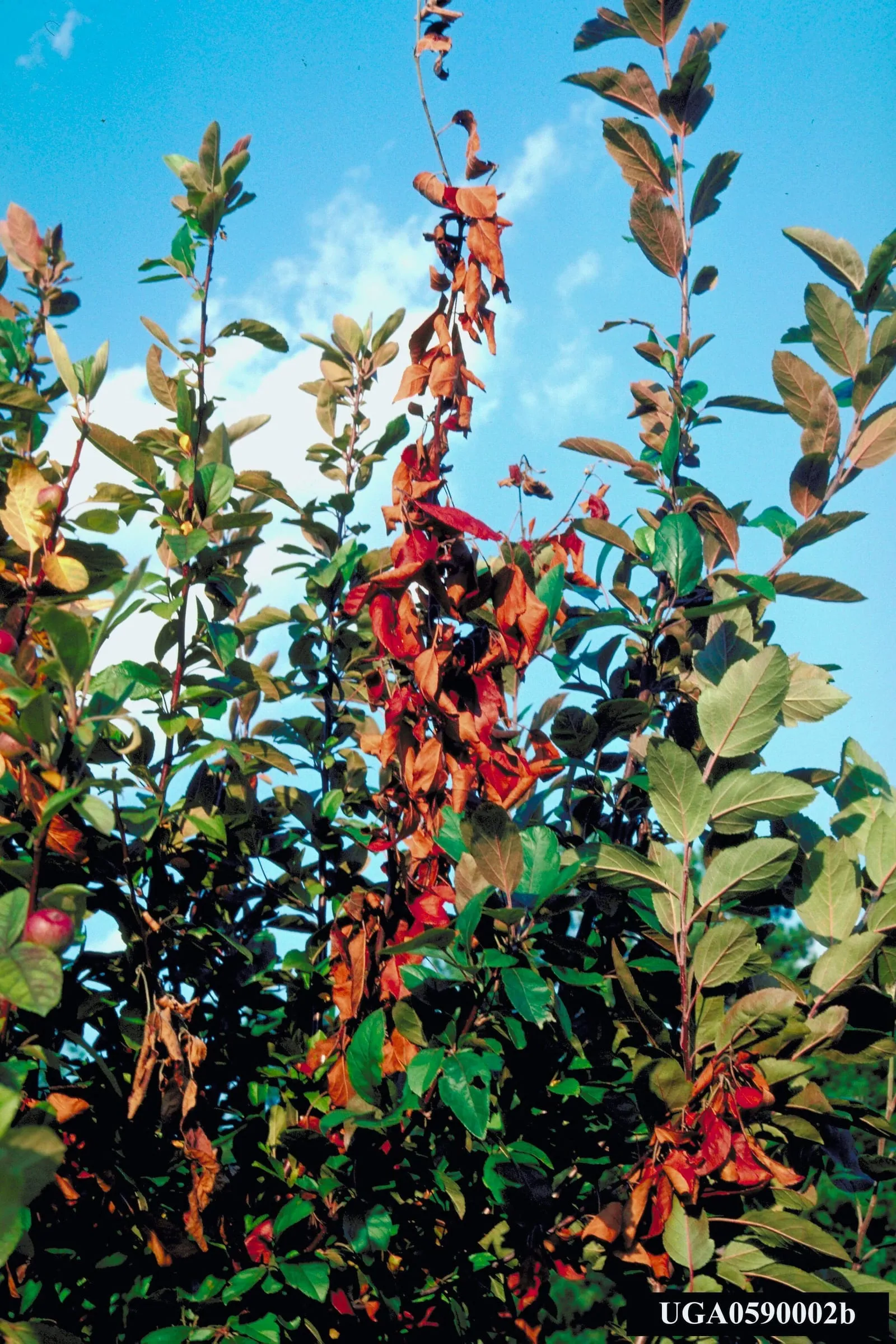
Erwinia amylovora
Devastating bacterial disease that can kill trees rapidly. Most severe in warm wet springs.
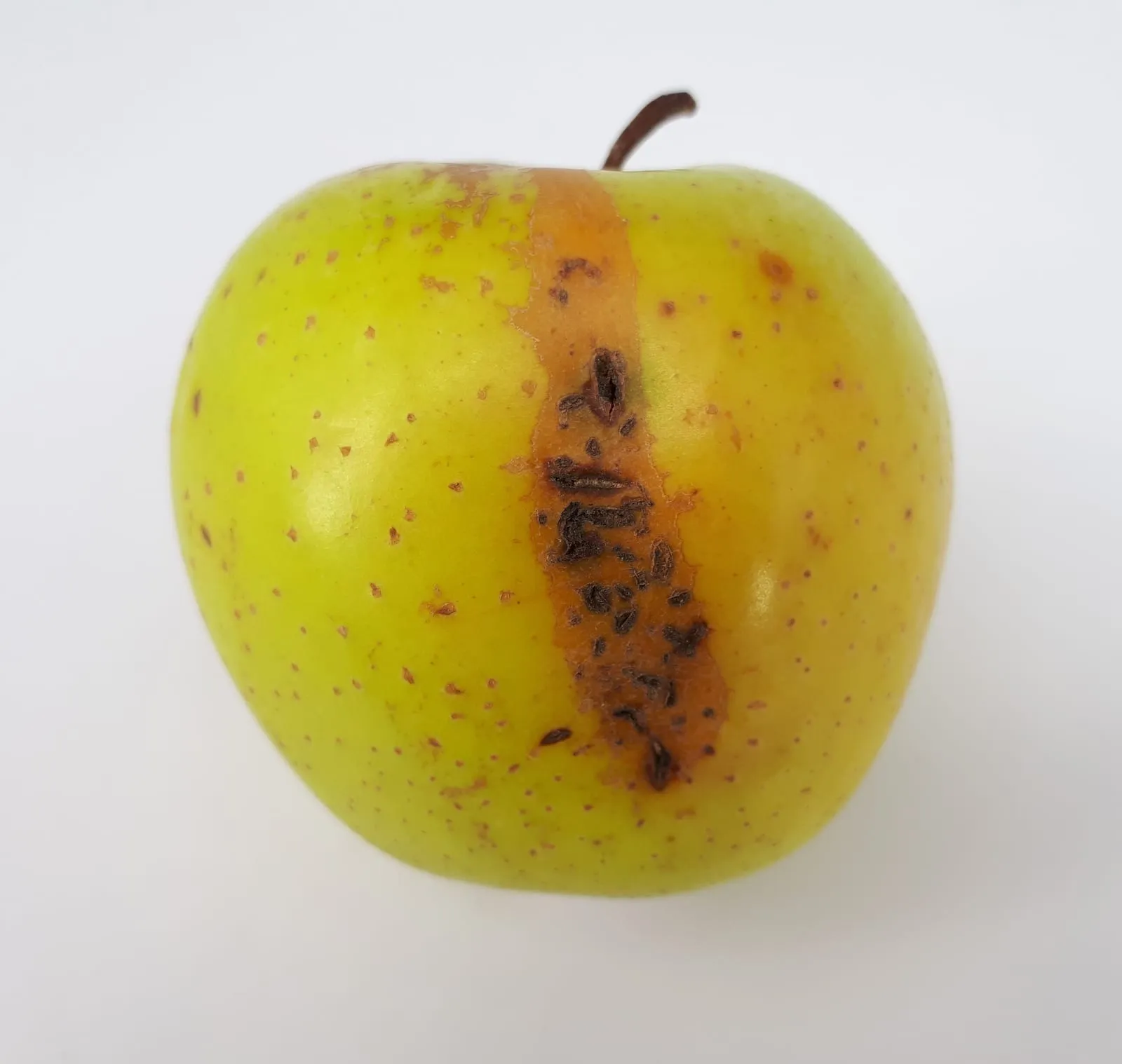
Venturia inaequalis
The most widespread apple disease in humid regions. Reduces fruit quality and defoliates trees.
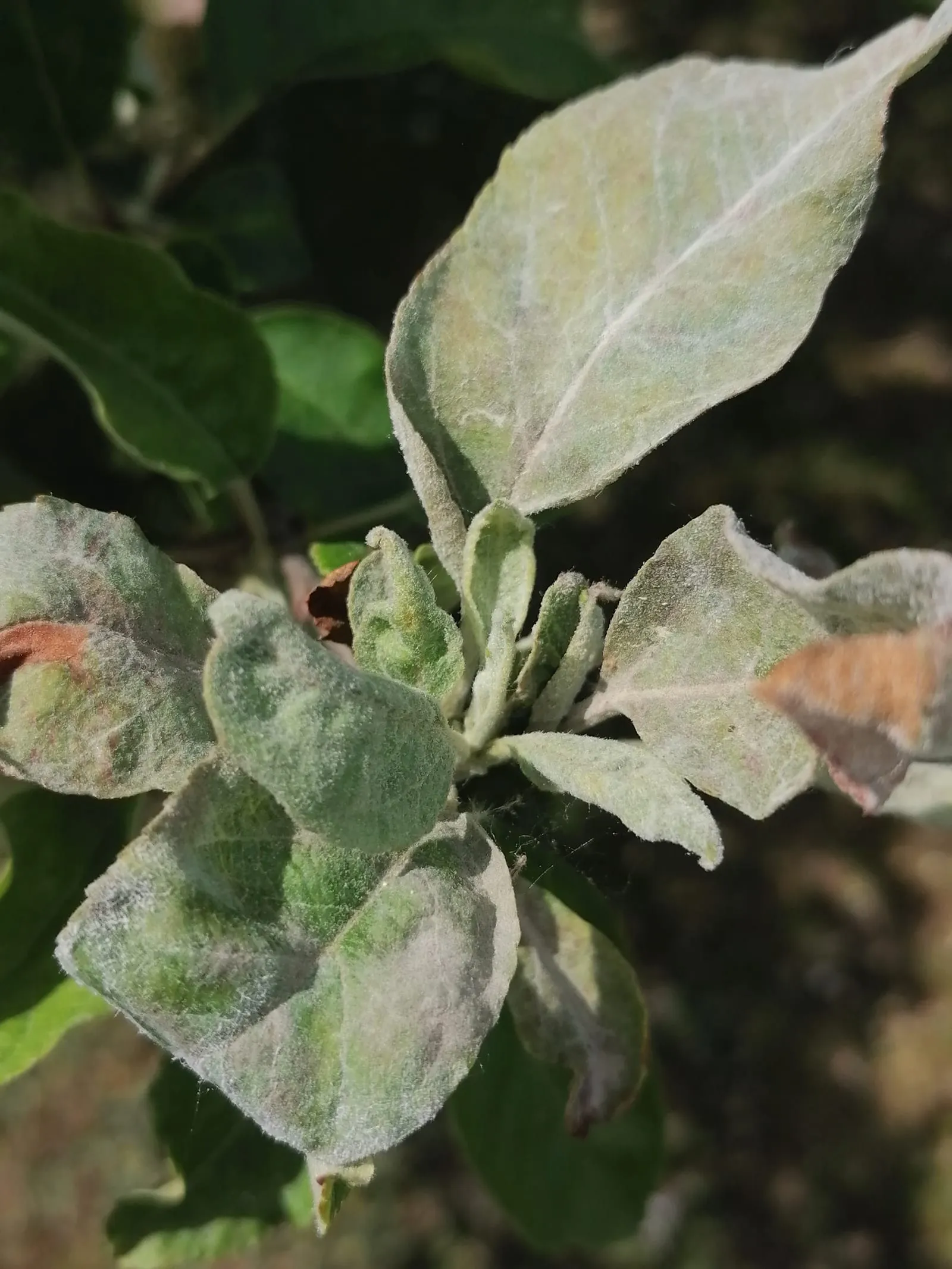
Podosphaera leucotricha
Surface-feeding fungal disease that distorts new growth and reduces yields.
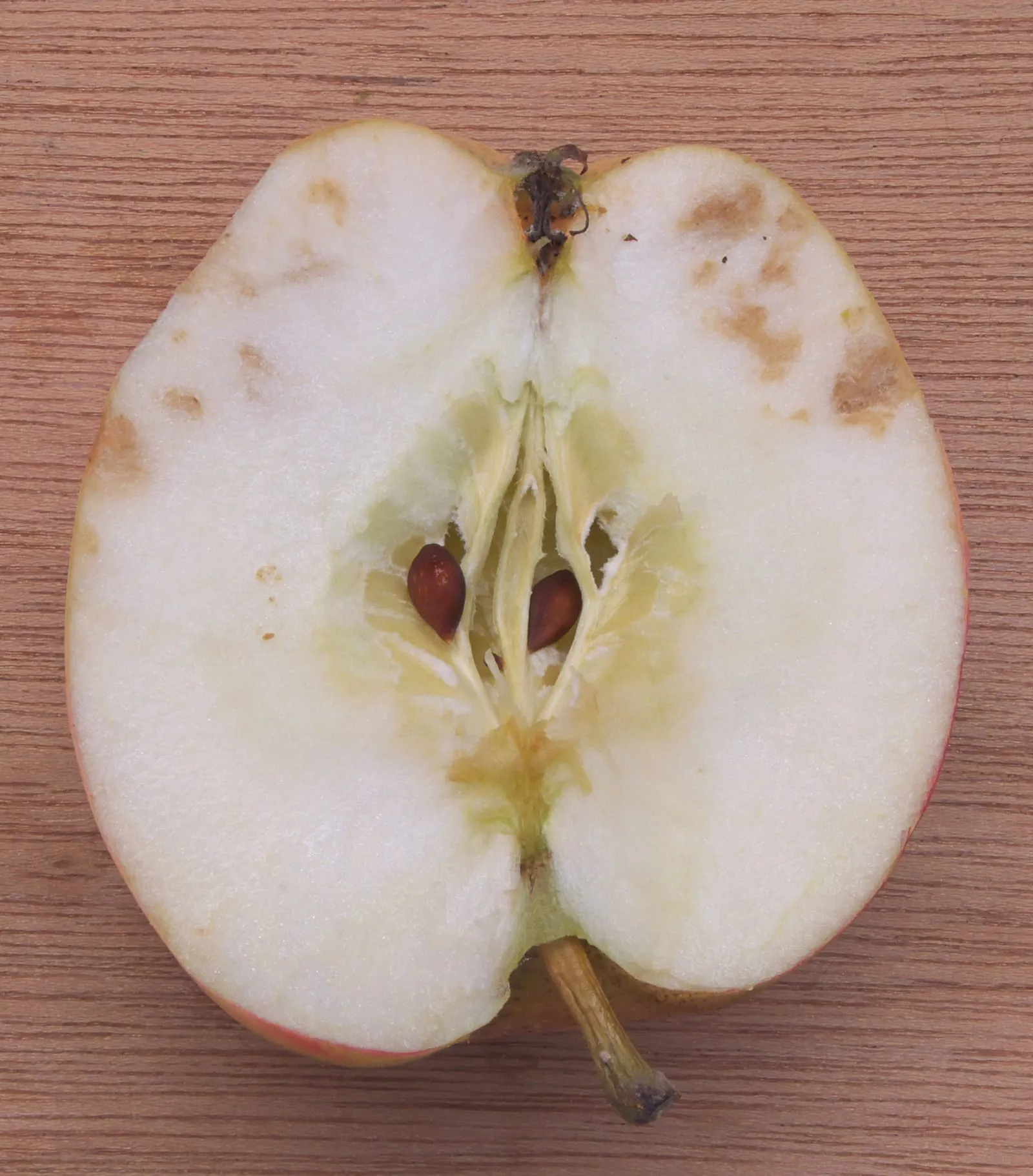
Physiological disorder
Damage from direct intense sun exposure on fruit or bark, particularly on plants suddenly exposed by pruning, defoliation, or hot weather. Distinct from sunburn (which is reversible).
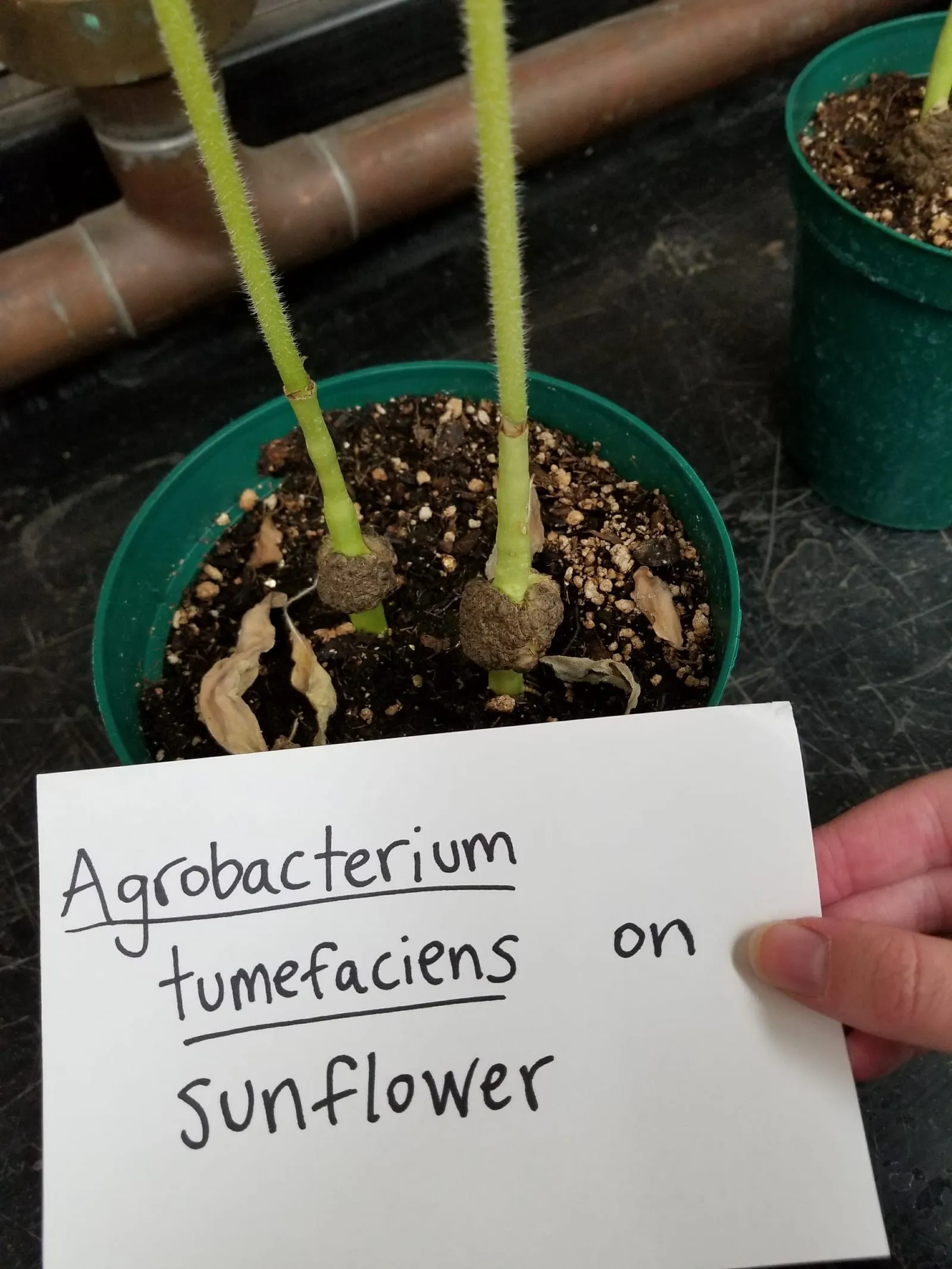
Agrobacterium tumefaciens
Soil-borne bacterium that enters plants through wounds and induces tumor-like galls on roots, crown, and lower stems. Galls reduce vigor and shorten plant lifespan; on Rubus the disease is often fatal.
Modified care for zone 4b
The primary adjustment in zone 4b is variety selection weighted toward verified cold hardiness. Even among generally hardy cultivars, bark damage and root injury can occur at sustained -25°F, particularly on young trees through their first two winters. Trunk wraps and a deep mulch over the root zone help through establishment. Apple scab is a consistent pressure given the wet spring conditions common across much of the northern tier; a spray program beginning at green tip, or a deliberate focus on resistant varieties like Liberty, matters more here than in drier western climates. Cedar apple rust is a secondary concern where eastern red cedar grows nearby. Fire blight risk is lower than in warmer zones but remains present; heavy nitrogen applications that push lush vegetative growth increase susceptibility. Siting trees on slight elevations rather than low spots reduces cold-air pooling and can extend the frost-free window by a meaningful margin.
Frequently asked questions
- Do apples get enough chill hours in zone 4b?
Yes, reliably. Zone 4b winters accumulate far more than the 400 to 1,000 chill hours that most apple varieties require. Insufficient chilling is not a concern in this zone; insufficient growing season length is the more relevant constraint for late-ripening varieties.
- What apple varieties perform best in zone 4b?
Honeycrisp and Liberty are well-documented performers in zone 4b. Both were bred or selected for northern short-season conditions. Liberty also carries meaningful resistance to apple scab, which is a practical advantage given the disease pressure common in humid zone 4b springs.
- How does spring frost affect apple bloom in zone 4b?
Open apple blossoms sustain damage at 28°F and are killed outright below 25°F. In zone 4b, late May frost events occur in some years and represent the single largest crop-loss risk. Site selection on elevated ground with good cold-air drainage reduces, but does not eliminate, this exposure.
- Is apple scab worse in zone 4b than in warmer zones?
Scab pressure depends more on spring rainfall and humidity than on zone. Zone 4b's wet springs create favorable conditions for scab infection periods from green tip through petal fall. Resistant varieties or a protectant spray program starting at green tip are both appropriate responses.
+−
+−
+−
+−
Apple in adjacent zones
Image: "Malus domestica 'Stark's Earliest'. Locatie De Kruidhof 02", by Dominicus Johannes Bergsma, via Wikimedia Commons, licensed under CC-BY Source.

Related