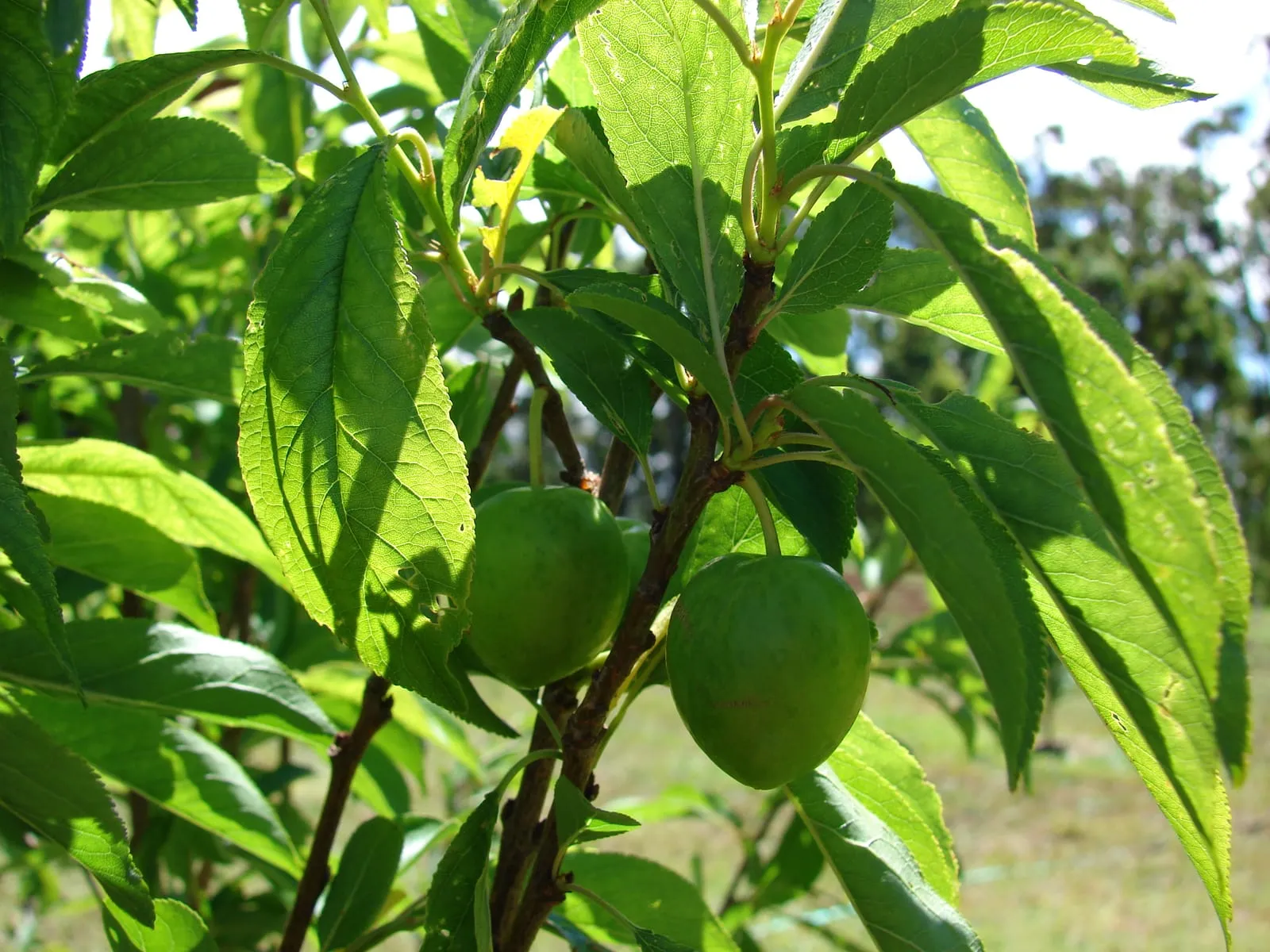
fruit tree in zone 9a
Growing japanese plum in zone 9a
Prunus salicina
- Zone
- 9a 20°F to 25°F
- Growing season
- 290 days
- Chill needed
- 500 to 900 below 45°F
- Suitable varieties
- 1
- Days to harvest
- 120 to 150
The verdict
Zone 9a sits at the warm edge of Japanese plum's viable range. Most Japanese plum varieties require 500 to 900 chill hours (hours at or below 45°F), and zone 9a accumulates roughly 300 to 500 hours in a typical winter, with meaningful variation depending on whether the site is coastal, inland valley, or elevated. At the low end of that accumulation, only the most chill-tolerant selections will fruit reliably.
Santa Rosa, the one variety consistently cited for warm-winter performance, has an effective chill requirement closer to 300 hours, which puts it within range for most zone 9a sites. Even so, years with mild winters can produce erratic bloom, reduced fruit set, and prolonged foliation delay. This is a marginal zone for Japanese plum, not a sweet spot. Growers in zone 9b should not attempt this crop without specialized low-chill rootstock research; zone 9a offers a narrow window.
Recommended varieties for zone 9a
1 cultivar suited to this zone, with disease-resistance and zone-fit annotations.
| Variety | Notes | Zone fit | Disease resistance |
|---|---|---|---|
| Santa Rosa fits zone 9a | Sweet-tart with rich complex flavor, juicy, deep red skin and amber flesh; the classic California fresh-eating plum, also excellent for jam. | | none noted |
Critical timing for zone 9a
In zone 9a, Santa Rosa typically breaks dormancy and blooms in late January through mid-February, considerably earlier than it would in cooler zones. The 290-day growing season provides ample heat accumulation after bloom, and harvest generally falls in late June to mid-July depending on the specific microclimate and year.
Frost rarely threatens zone 9a blooms, but an anomalous late cold snap below 28°F during open bloom can damage flowers. The more consistent risk is insufficient chill completing before warm January spells push the tree out of dormancy prematurely. Fruit maturity can arrive quickly once summer temperatures stabilize, so monitoring for softening and sugar development is worth starting 10 to 14 days before the expected date.
Common challenges in zone 9a
- ▸ Limited stone fruit options due to insufficient chill
- ▸ Hurricane and tropical storm exposure
- ▸ Citrus disease pressure
Disease pressure to watch for
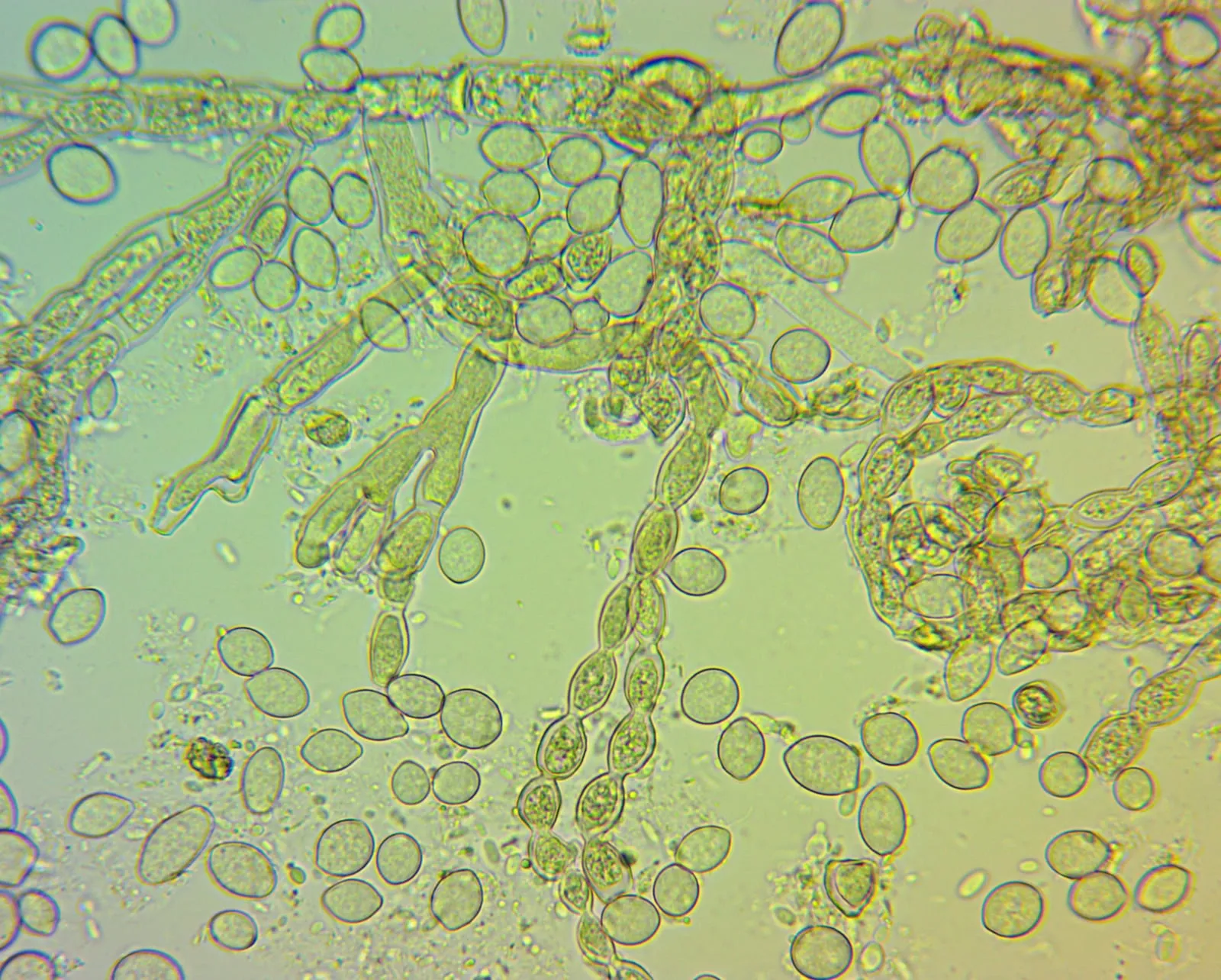
Monilinia fructicola
The most damaging stone-fruit and almond disease, causing blossom blight and fruit rot.
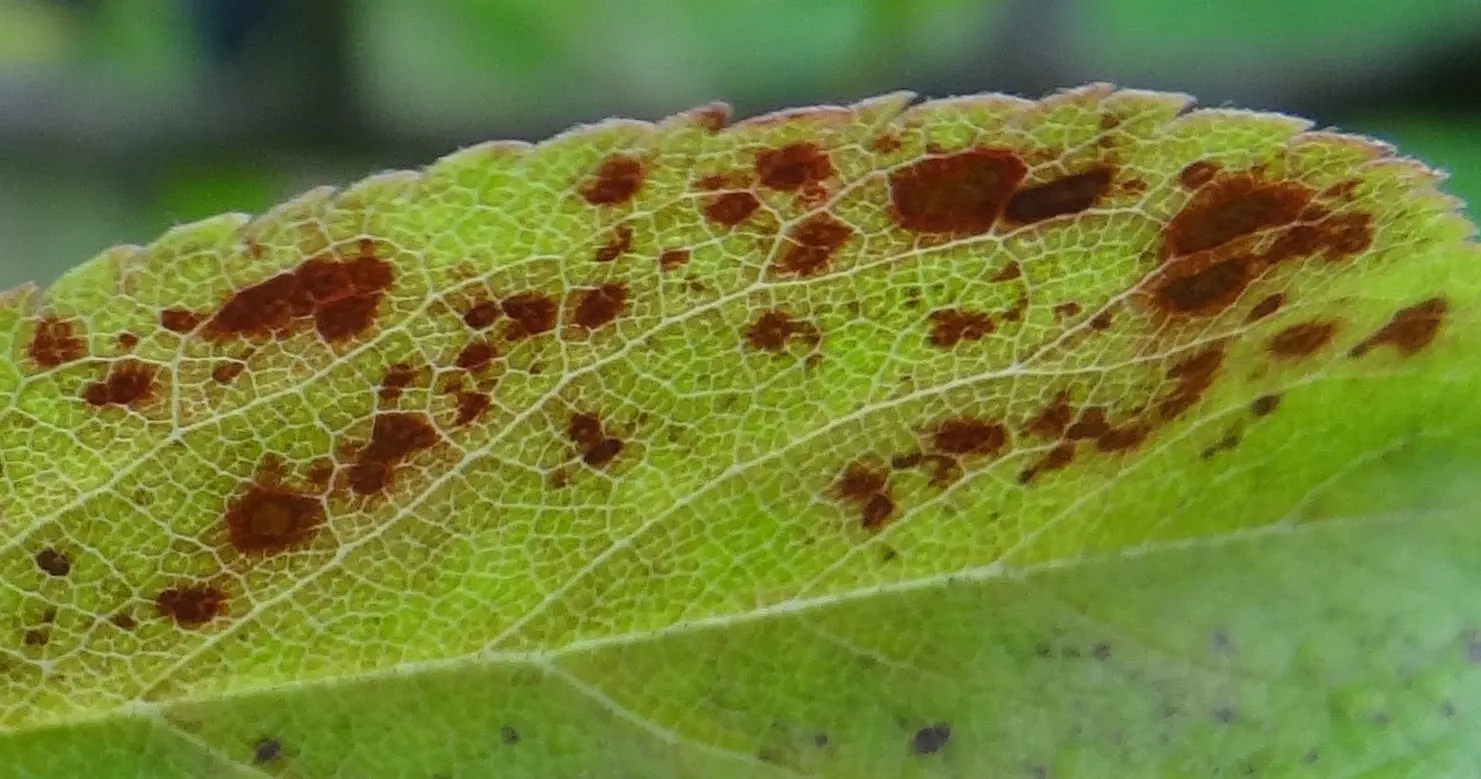
Xanthomonas arboricola pv. pruni
Bacterial disease causing leaf spots and fruit blemishes, severe in warm humid regions.
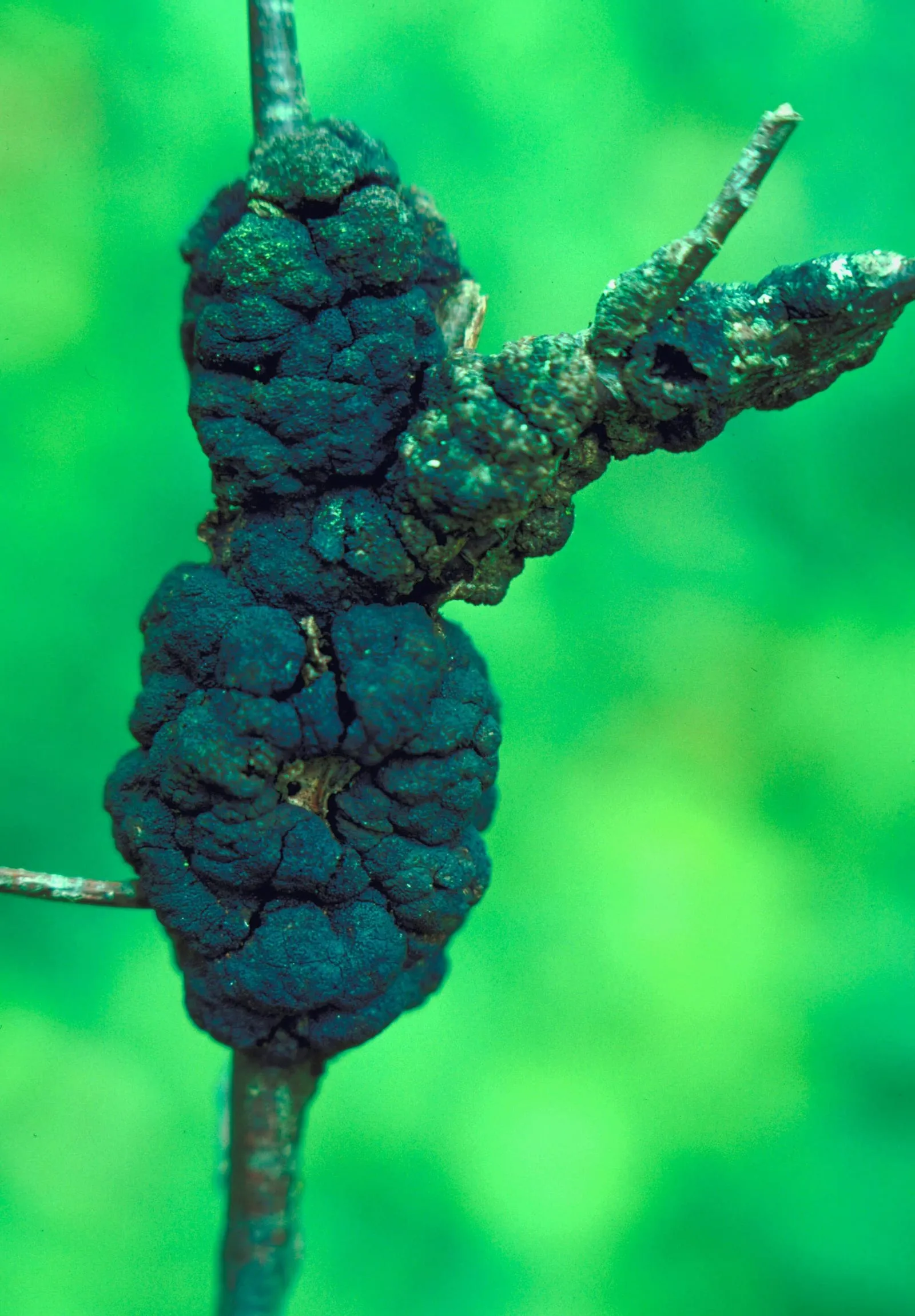
Apiosporina morbosa
Fungal disease producing characteristic black warty galls on plum and cherry branches.
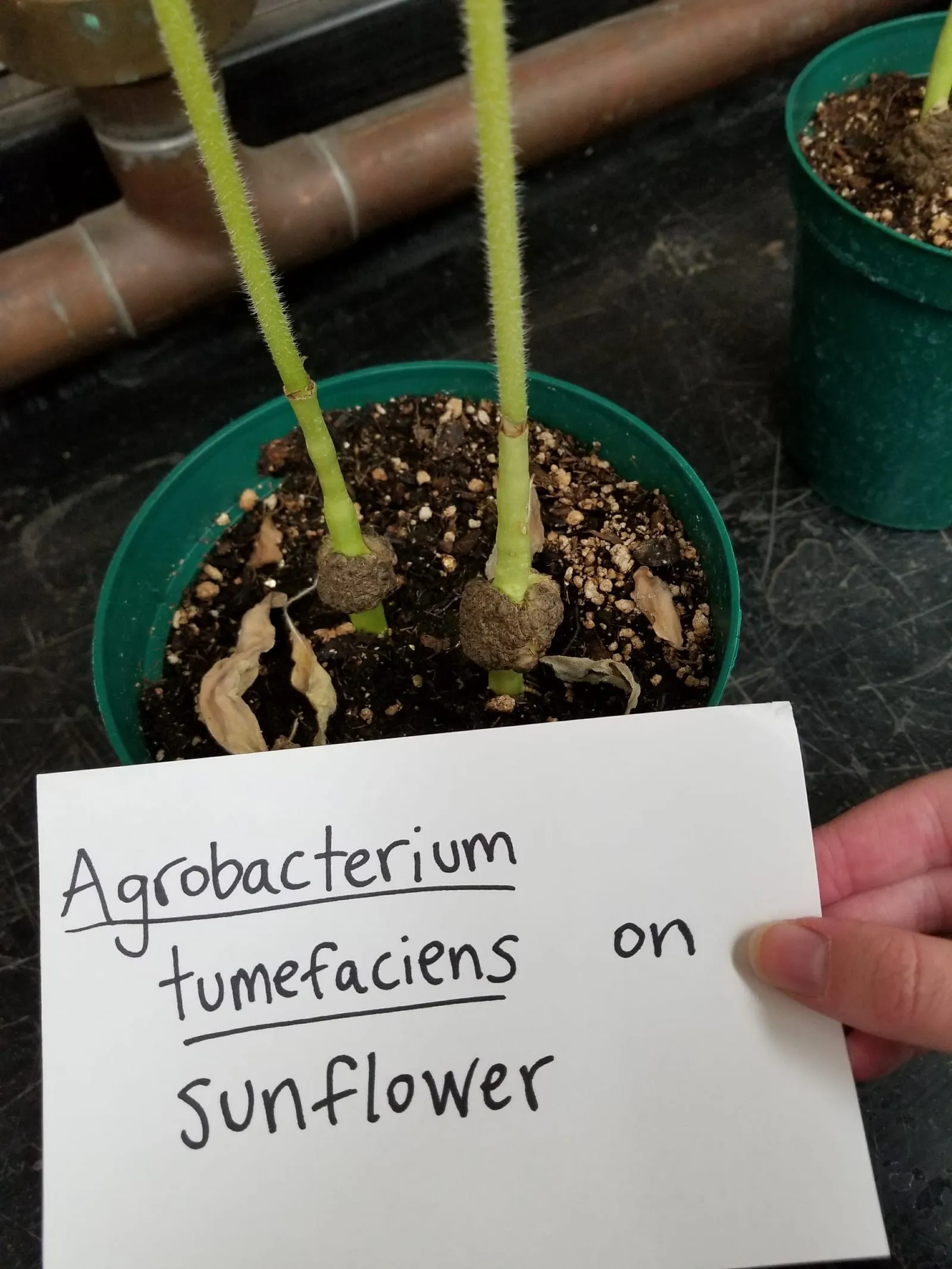
Agrobacterium tumefaciens
Soil-borne bacterium that enters plants through wounds and induces tumor-like galls on roots, crown, and lower stems. Galls reduce vigor and shorten plant lifespan; on Rubus the disease is often fatal.
Modified care for zone 9a
Brown rot pressure is substantially higher in warm, humid zone 9a climates than in the cooler parts of Japanese plum's range. A preventive fungicide program starting at full bloom, rather than waiting for visible symptoms, is standard practice here. Bacterial spot becomes a recurring management task as well, particularly in years with wet springs.
Grovers in hurricane-exposed areas of zone 9a should prioritize open-center training to reduce wind resistance and inspect scaffolding after any tropical system passes. Summer irrigation is typically required if rainfall is inconsistent, as drought stress during pit hardening reduces fruit quality. Unlike cooler zones where thinning is sometimes optional, fruit thinning to 4 to 6 inches between fruitlets is worthwhile here to prevent branch breakage from the weight of a compressed, fast-ripening crop.
Frequently asked questions
- Can Japanese plum grow in zone 9a?
Yes, but with limited variety options. Most Japanese plum selections need more chill hours than zone 9a reliably provides. Santa Rosa is the primary variety that performs here, and even it can produce inconsistent crops in mild winters. Growers should treat zone 9a as the warm boundary of viability for this crop.
- Which Japanese plum varieties work in zone 9a?
Santa Rosa is the standout low-chill option, with an effective chilling requirement well below the 500-hour floor of the species range. It has been grown successfully in zone 9a regions of California and the Gulf South for decades. Higher-chill varieties are not recommended for this zone.
- When does Japanese plum bloom in zone 9a?
Bloom typically occurs in late January to mid-February in zone 9a, earlier than in most other zones. This early timing reduces frost risk but increases exposure to warm spells that can cut dormancy short before adequate chill has accumulated.
- Is brown rot a serious problem for Japanese plum in zone 9a?
Yes. Warm temperatures and humidity create favorable conditions for brown rot throughout the growing season, not just near harvest. A preventive spray program starting at bloom, rather than a reactive one, gives better results in zone 9a than in cooler climates where brown rot pressure is lower.
+−
+−
+−
+−
Japanese Plum in adjacent zones
Image: "Starr 080405-3957 Prunus salicina", by Forest & Kim Starr, via Wikimedia Commons, licensed under CC-BY Source.

Related