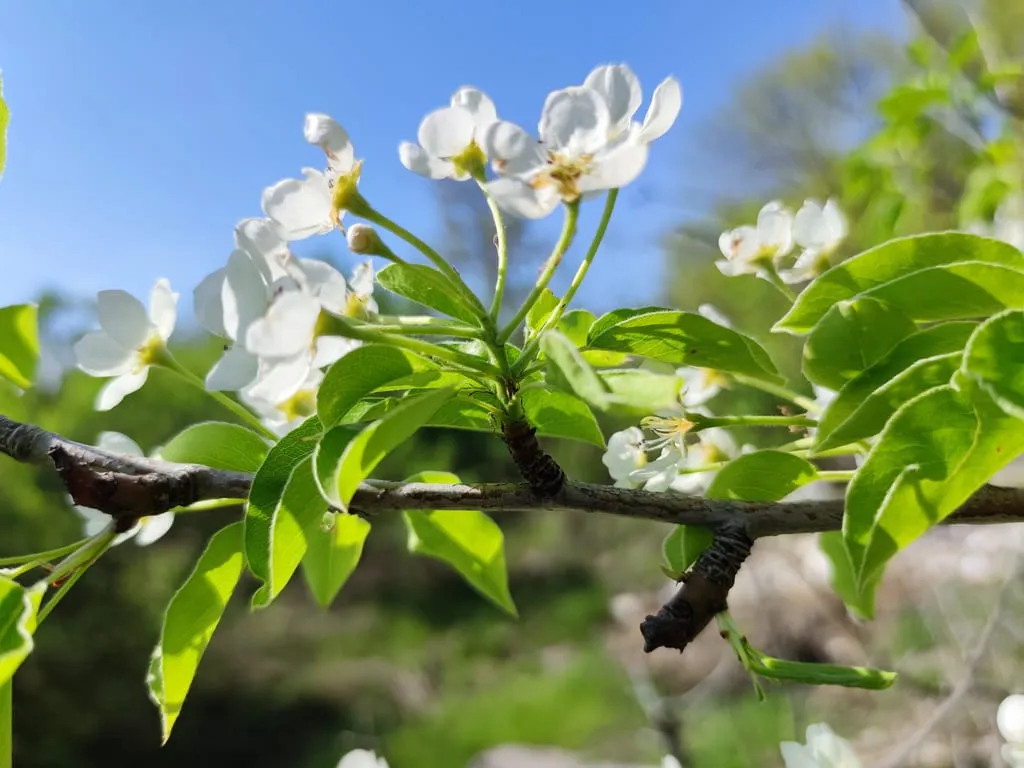
fruit tree in zone 5a
Growing pear in zone 5a
Pyrus communis
- Zone
- 5a -20°F to -15°F
- Growing season
- 150 days
- Chill needed
- 600 to 900 below 45°F
- Suitable varieties
- 3
- Days to harvest
- 115 to 165
The verdict
Zone 5a is a reliable zone for pear production, not a marginal one. The winter lows of -20 to -15°F are within the cold-hardiness range of established varieties including Bartlett, Magness, and Kieffer, all of which tolerate hard freezes when properly sited. More importantly, zone 5a consistently delivers the 600 to 900 chill hours pears require for adequate dormancy break and even flowering. Accumulating that range is rarely in doubt across the zone.
The 150-day growing season is sufficient for most pear varieties to reach maturity before first fall frost, though late-ripening types like Kieffer push the calendar closer to the limit. The bigger variable in zone 5a is not whether pears will survive the winter but whether late spring frosts will catch trees in bloom, a risk that varies considerably by site elevation and air drainage.
Recommended varieties for zone 5a
3 cultivars suited to this zone, with disease-resistance and zone-fit annotations.
| Variety | Notes | Zone fit | Disease resistance |
|---|---|---|---|
| Bartlett fits zone 5a | Sweet, juicy, classic dessert pear; ripens to a soft buttery melt-in-the-mouth texture. The standard for canning and fresh eating. Fire-blight susceptible. | | none noted |
| Magness fits zone 5a | Very sweet, juicy, smooth melting flesh; an exceptional fresh-eating pear that rivals Bartlett in flavor with much better disease resistance. Self-unfruitful (needs pollinator). | |
|
| Kieffer fits zone 5a | Crisp, gritty, mildly sweet, yellow-skinned; a tough cooking and canning pear, not great fresh. Holds shape in preserves and pear butter. Productive in heat. | |
|
Critical timing for zone 5a
Pear bloom in zone 5a typically falls in late April, though it can arrive as early as the second week of April in a warm spring. This creates a meaningful overlap with the zone's late-frost window, which extends through early May in many locations. A single hard frost during peak bloom can eliminate most of a season's crop.
Harvest timing varies by variety. Bartlett reaches picking maturity in late August in zone 5a, roughly 120 to 130 days after bloom. Kieffer, a later-ripening type, typically comes in during September and into early October, giving it less buffer before the first fall frost. Growers selecting varieties should weigh that gap against their specific frost dates.
Common challenges in zone 5a
- ▸ Fire blight in pears
- ▸ Cedar-apple rust
- ▸ Late spring frosts
Disease pressure to watch for
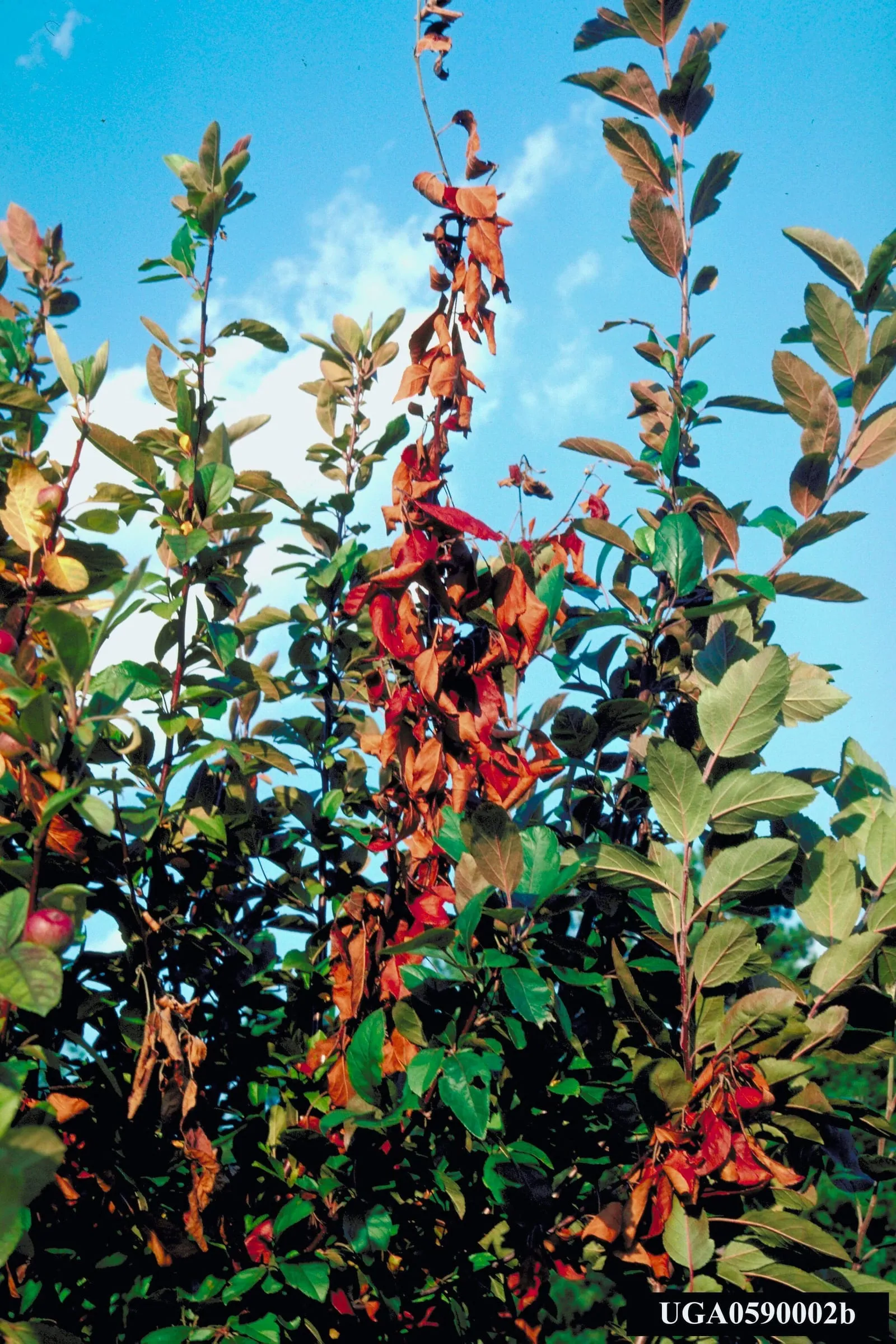
Erwinia amylovora
Devastating bacterial disease that can kill trees rapidly. Most severe in warm wet springs.
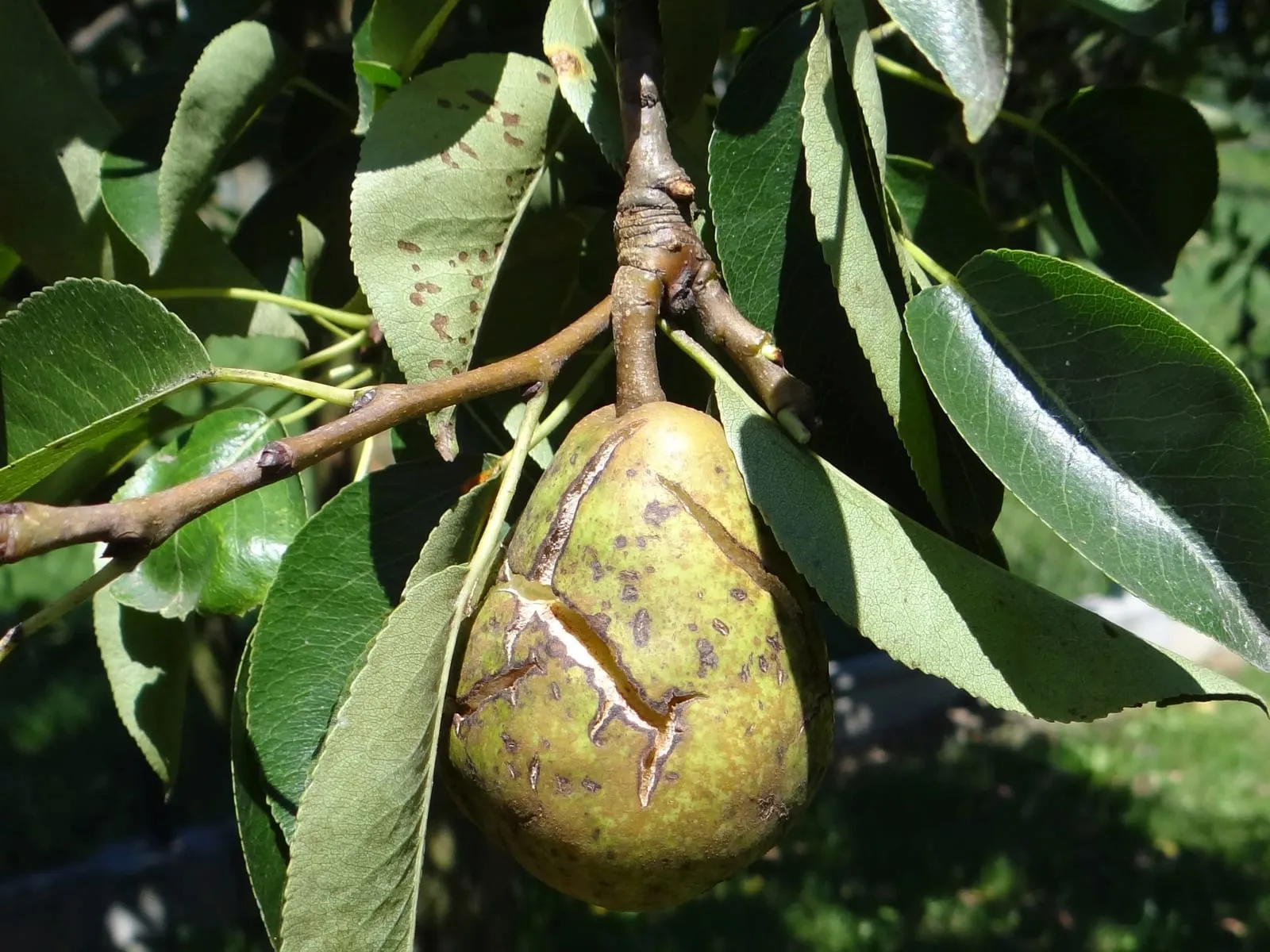
Venturia pyrina
Fungal disease similar to apple scab but specific to pear, causing leaf and fruit lesions.
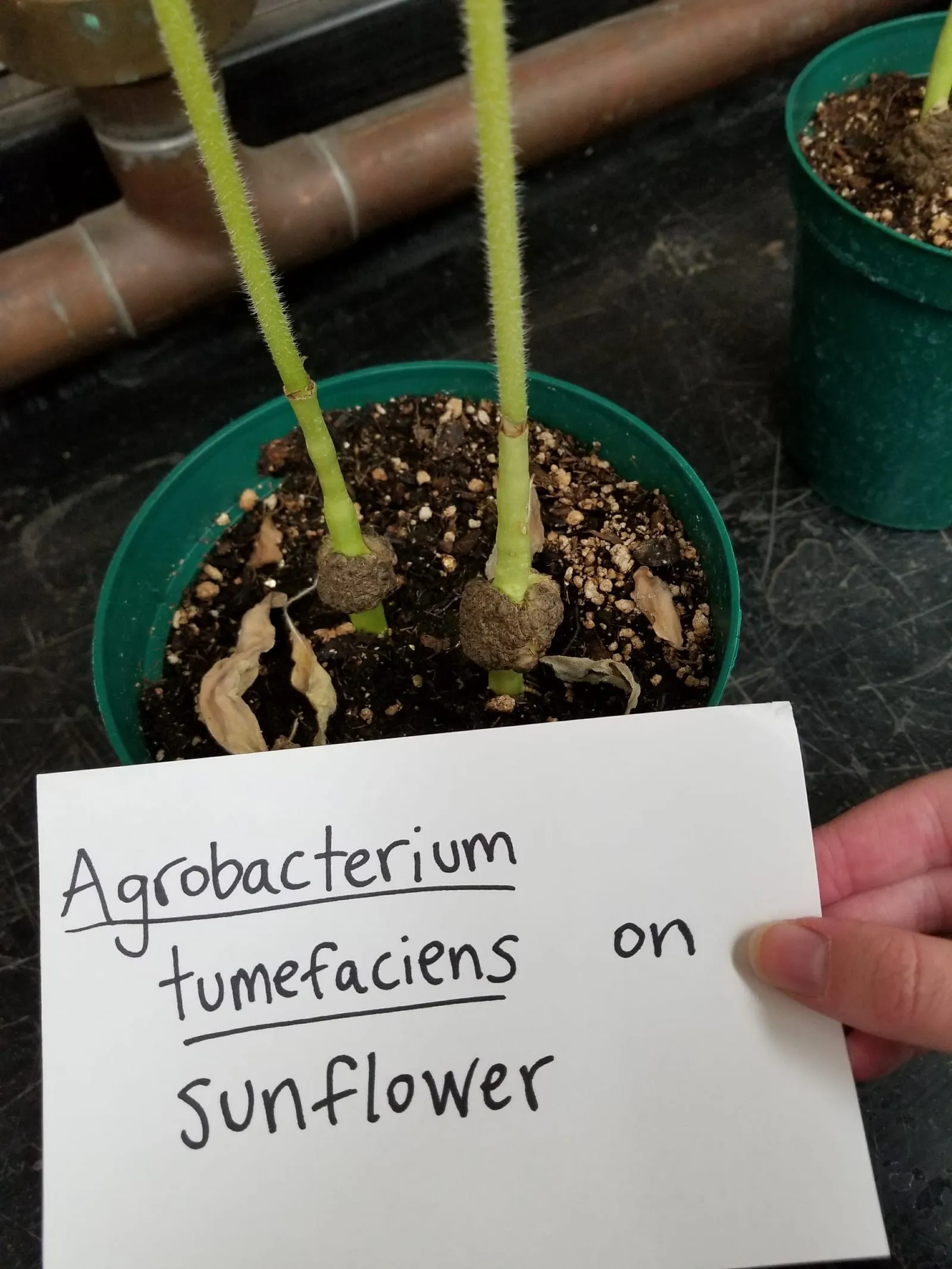
Agrobacterium tumefaciens
Soil-borne bacterium that enters plants through wounds and induces tumor-like galls on roots, crown, and lower stems. Galls reduce vigor and shorten plant lifespan; on Rubus the disease is often fatal.
Modified care for zone 5a
Fire blight is the primary management pressure that distinguishes zone 5a pear growing from warmer or drier regions. The warm, humid conditions that often follow late-spring bloom create ideal conditions for Erwinia amylovora infection. Selecting fire blight-resistant varieties is the most effective mitigation; Magness carries strong resistance, while Bartlett is notably susceptible. Protective copper or streptomycin sprays timed to bloom are standard practice where infection pressure is historically high.
Late spring frost protection during bloom warrants attention on low-lying or frost-pocket sites. Overhead irrigation and site selection on slopes with good cold-air drainage both reduce exposure. Standard winter protection measures for the trunk, such as tree wraps on young trees, guard against sunscald and frost cracking during the temperature swings common to zone 5a winters.
Frequently asked questions
- Can Bartlett pears grow in zone 5a?
Bartlett is cold-hardy enough for zone 5a and meets its chill-hour requirements reliably, but it is highly susceptible to fire blight. Growing it successfully in zone 5a requires a consistent spray program during bloom and careful monitoring for infected wood.
- How many chill hours do pears need, and does zone 5a deliver them?
Most pear varieties require 600 to 900 chill hours (hours below 45°F during dormancy). Zone 5a consistently accumulates well above this range through a typical winter, making chill-hour deficiency a non-issue.
- What is the biggest risk for pear growers in zone 5a?
Late spring frosts during bloom and fire blight infection during warm, wet post-bloom weather are the two most common causes of crop loss. Both risks are manageable through site selection, variety choice, and timely sprays, but neither can be entirely eliminated.
- Is Kieffer pear a good choice for zone 5a?
Kieffer is well-suited to zone 5a cold winters and carries decent fire blight resistance compared to Bartlett. Its late harvest window (September to early October) means growers in colder parts of the zone should confirm their first fall frost date allows enough time for the fruit to mature.
+−
+−
+−
+−
Pear in adjacent zones
Image: "Груша обыкновенная", by Vasily Moryashkin, via iNaturalist, licensed under CC-BY Source.
Related