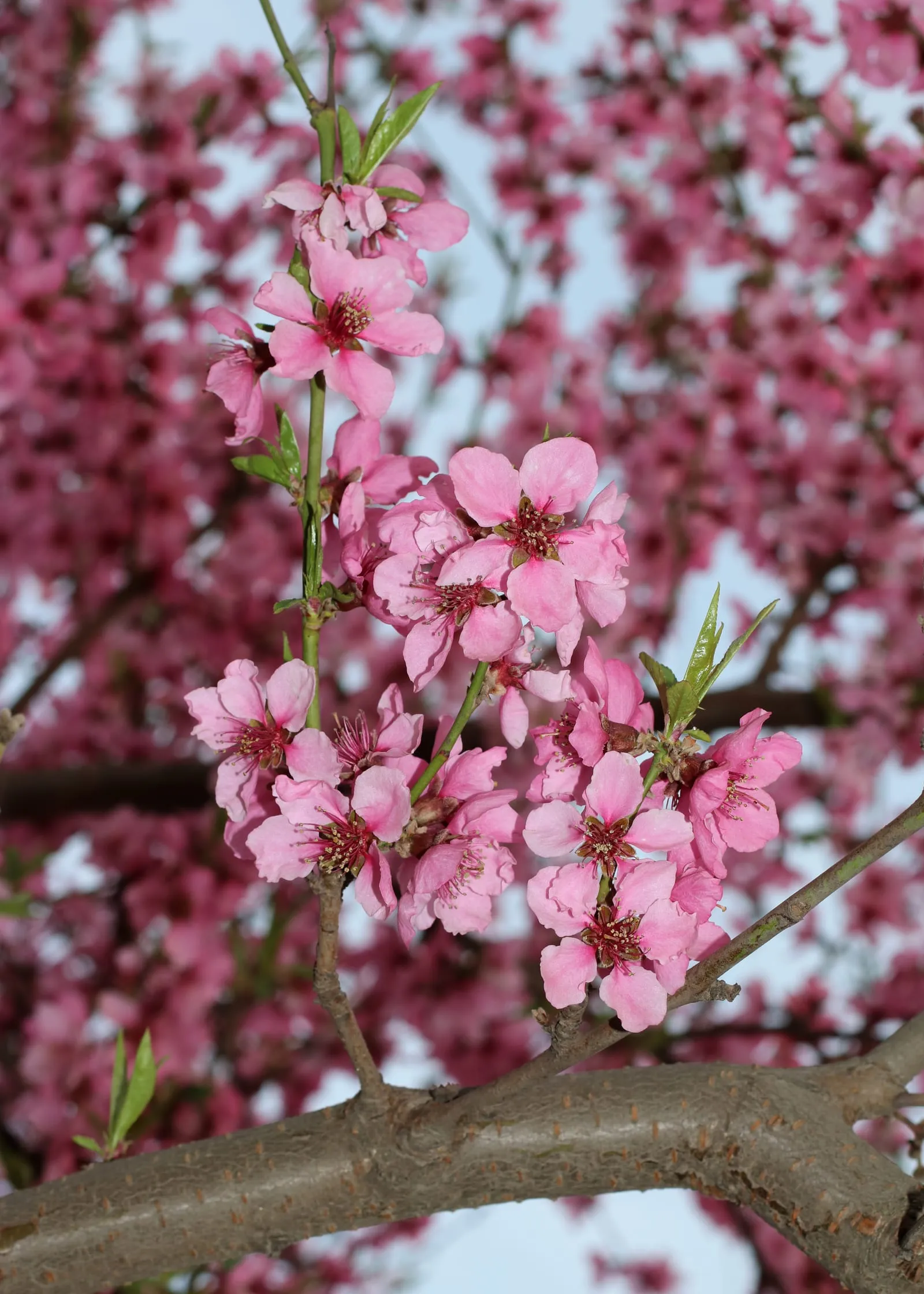
fruit tree in zone 6a
Growing peach in zone 6a
Prunus persica
- Zone
- 6a -10°F to -5°F
- Growing season
- 180 days
- Chill needed
- 600 to 900 below 45°F
- Suitable varieties
- 4
- Days to harvest
- 90 to 150
The verdict
Zone 6a sits within the workable range for peach, but growers should not treat it as a reliable sweet spot. The winter minimum of -10 to -5°F is cold enough to kill flower buds and occasionally damage wood on less hardy varieties, even without a late spring frost. That said, zone 6a reliably delivers the 600 to 900 chill hours peach requires to break dormancy properly, so the crop will not suffer the bud failure seen in warmer zones where winters run short.
The real vulnerability is the collision between peach's early bloom window and zone 6a's frost timing. Peach blooms before most other tree fruit, sometimes as early as late March, which puts blossoms at genuine risk in a zone where killing frosts can extend into April. Choosing varieties bred for cold tolerance and late bloom, including Reliance and Contender, narrows that risk considerably. With thoughtful site and variety selection, consistent harvests are achievable, but growers should expect the occasional crop loss to a late frost.
Recommended varieties for zone 6a
4 cultivars suited to this zone, with disease-resistance and zone-fit annotations.
| Variety | Notes | Zone fit | Disease resistance |
|---|---|---|---|
| Reliance fits zone 6a | Sweet, juicy, freestone yellow flesh with classic peach flavor; good fresh, excellent canning and freezing. Cold-hardy and reliable in zone 5 where most peaches fail. | | none noted |
| Contender fits zone 6a | Sweet, balanced flavor, freestone, firm yellow flesh; fresh, canning, freezing. Late-blooming so it dodges spring frost. Bacterial-spot resistant. | |
|
| Redhaven fits zone 6a | Sweet, juicy, firm, freestone yellow flesh; the industry standard with classic peach flavor. Eats fresh, cans well, freezes well. Most widely planted peach in the US. | | none noted |
| Madison fits zone 6a | Sweet, rich flavor, freestone; cold-hardy and resistant to spring frost. Excellent fresh and for canning. Late-blooming. | | none noted |
Critical timing for zone 6a
In zone 6a, peach bloom typically occurs between late March and mid-April depending on variety and winter temperatures. The 180-day growing season is sufficient for most standard peach varieties to reach maturity, with early cultivars such as Redhaven ripening in mid-July and later selections like Madison extending into August.
The timing concern is not the growing season length but the gap between bloom and the last reliable frost date. Zone 6a's last spring frost commonly falls in late April, which means bloom and frost risk overlap by several weeks in most years. Cold-hardy varieties with slightly later bloom dates reduce this exposure. Growers on slopes or elevated ground with good cold air drainage gain meaningful protection compared to low-lying frost pockets.
Common challenges in zone 6a
- ▸ Brown rot in stone fruit
- ▸ Japanese beetles
- ▸ Spring frost damage to peach buds
Disease pressure to watch for
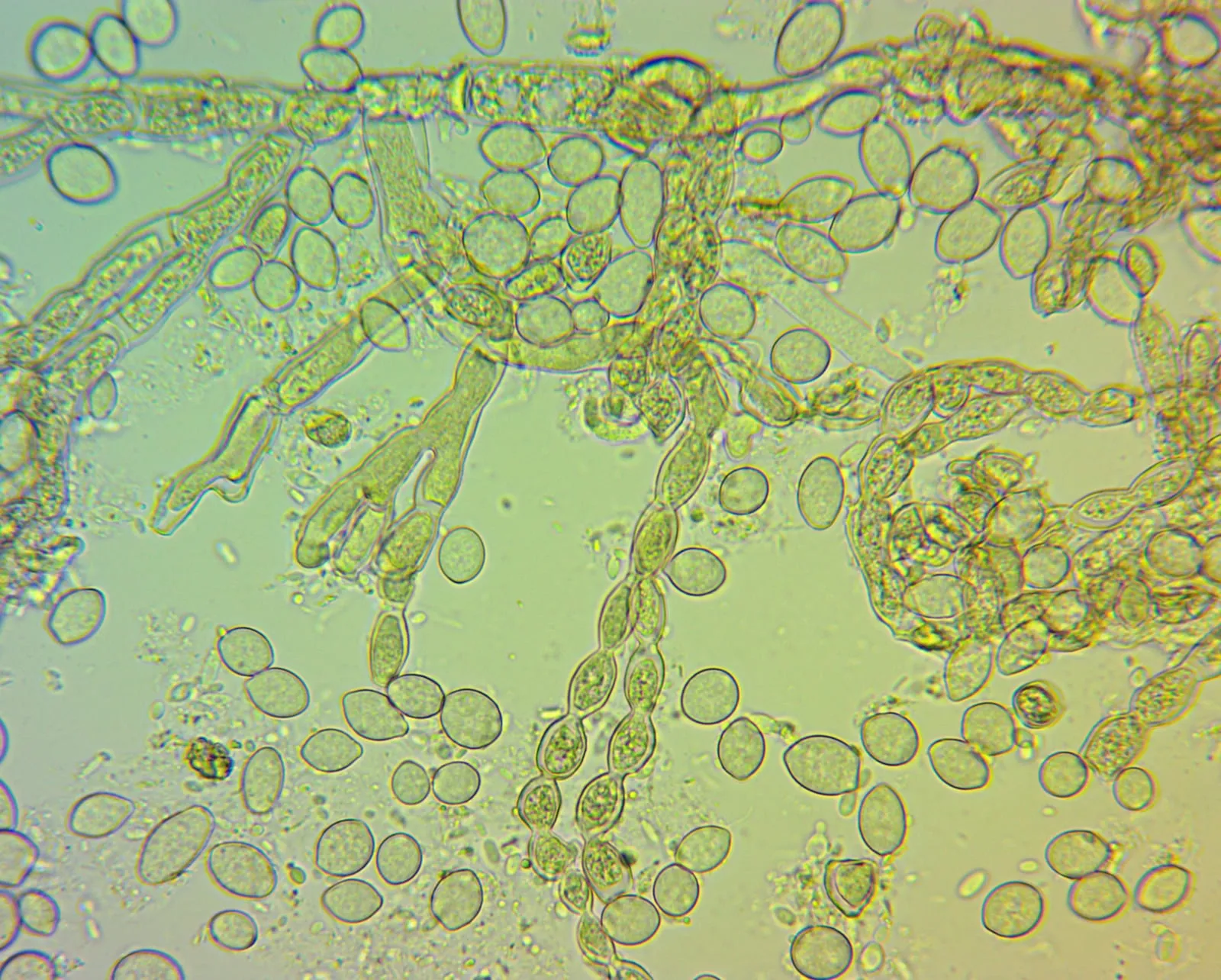
Monilinia fructicola
The most damaging stone-fruit and almond disease, causing blossom blight and fruit rot.
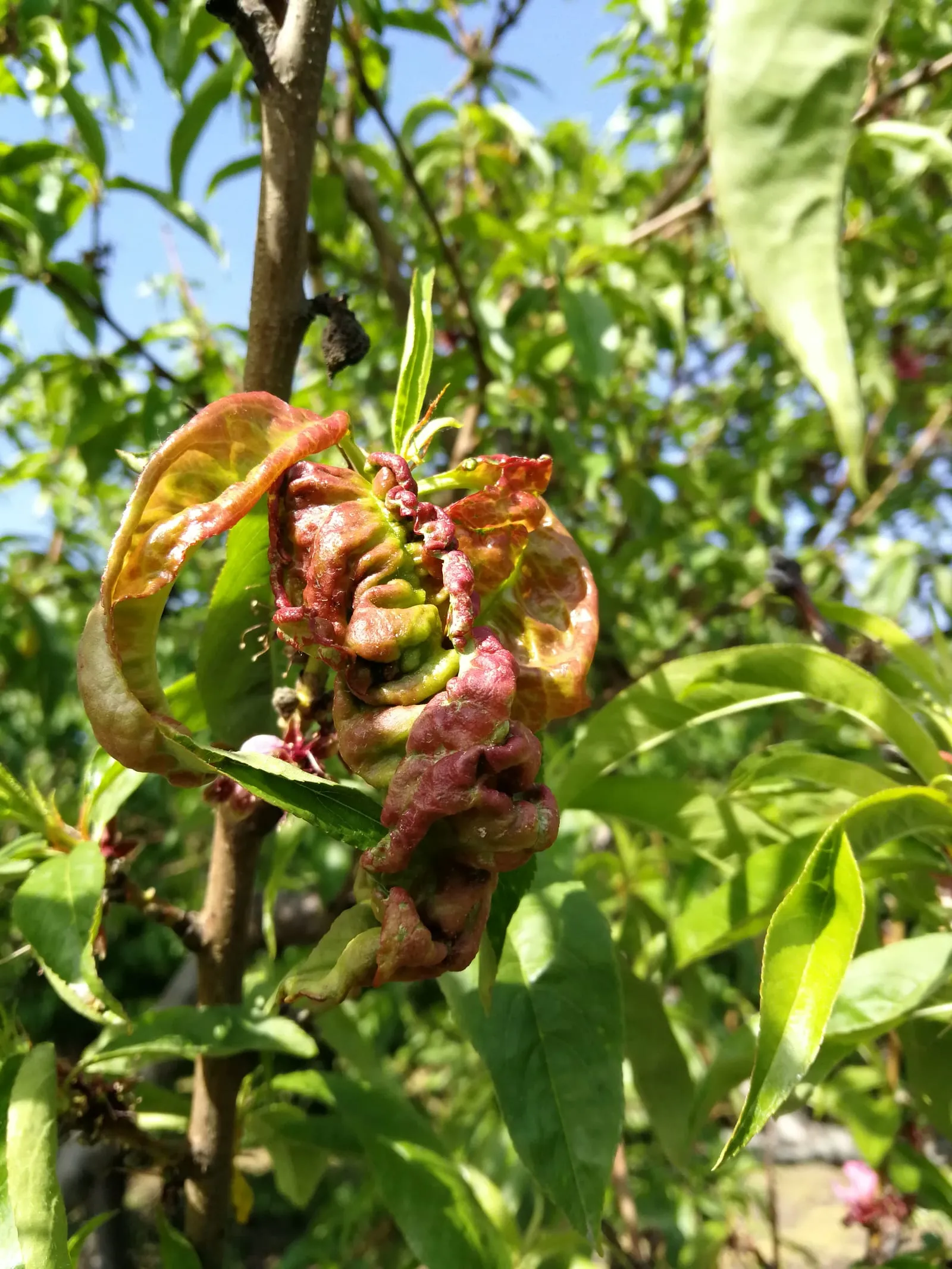
Taphrina deformans
Distinctive springtime disease causing red, puckered leaves. Manageable with one well-timed dormant spray.
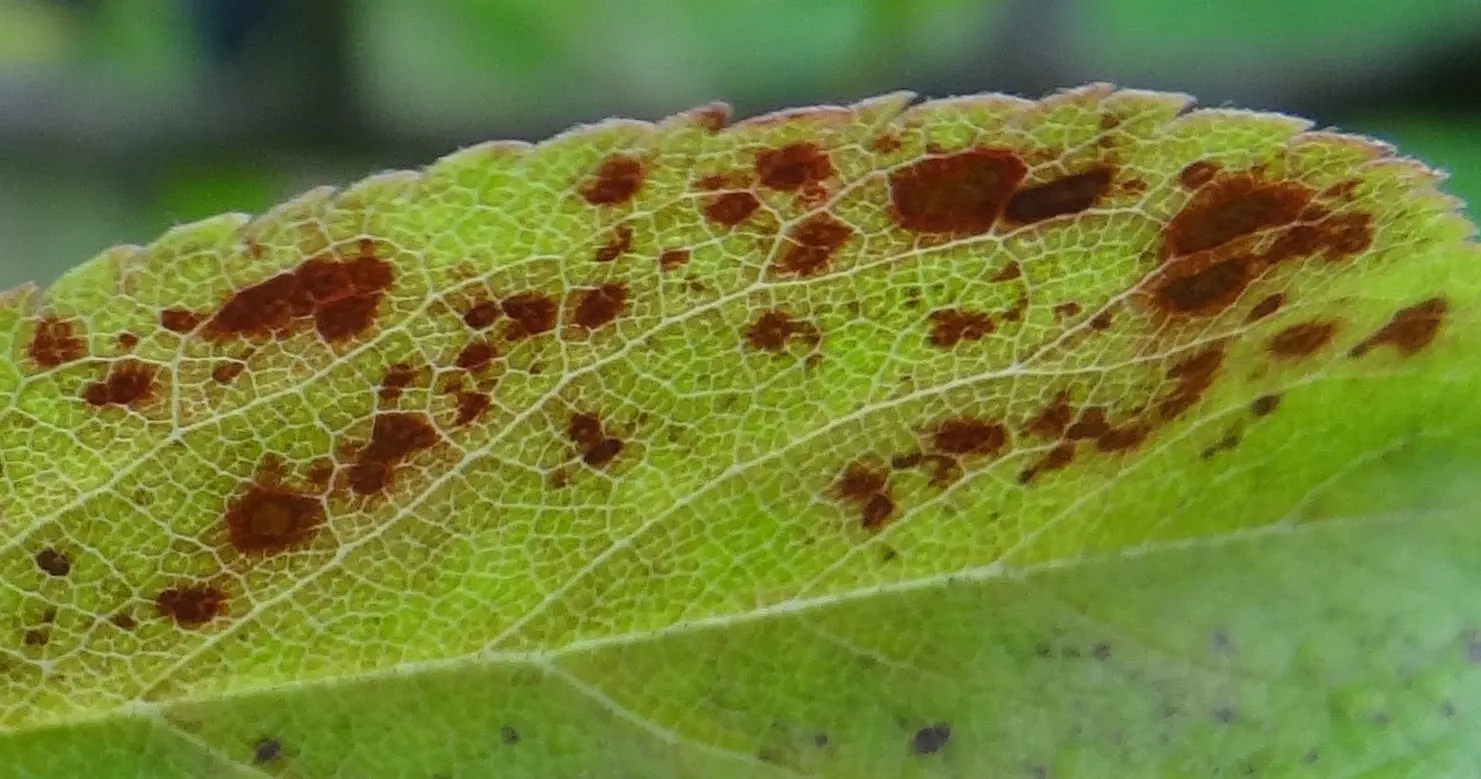
Xanthomonas arboricola pv. pruni
Bacterial disease causing leaf spots and fruit blemishes, severe in warm humid regions.
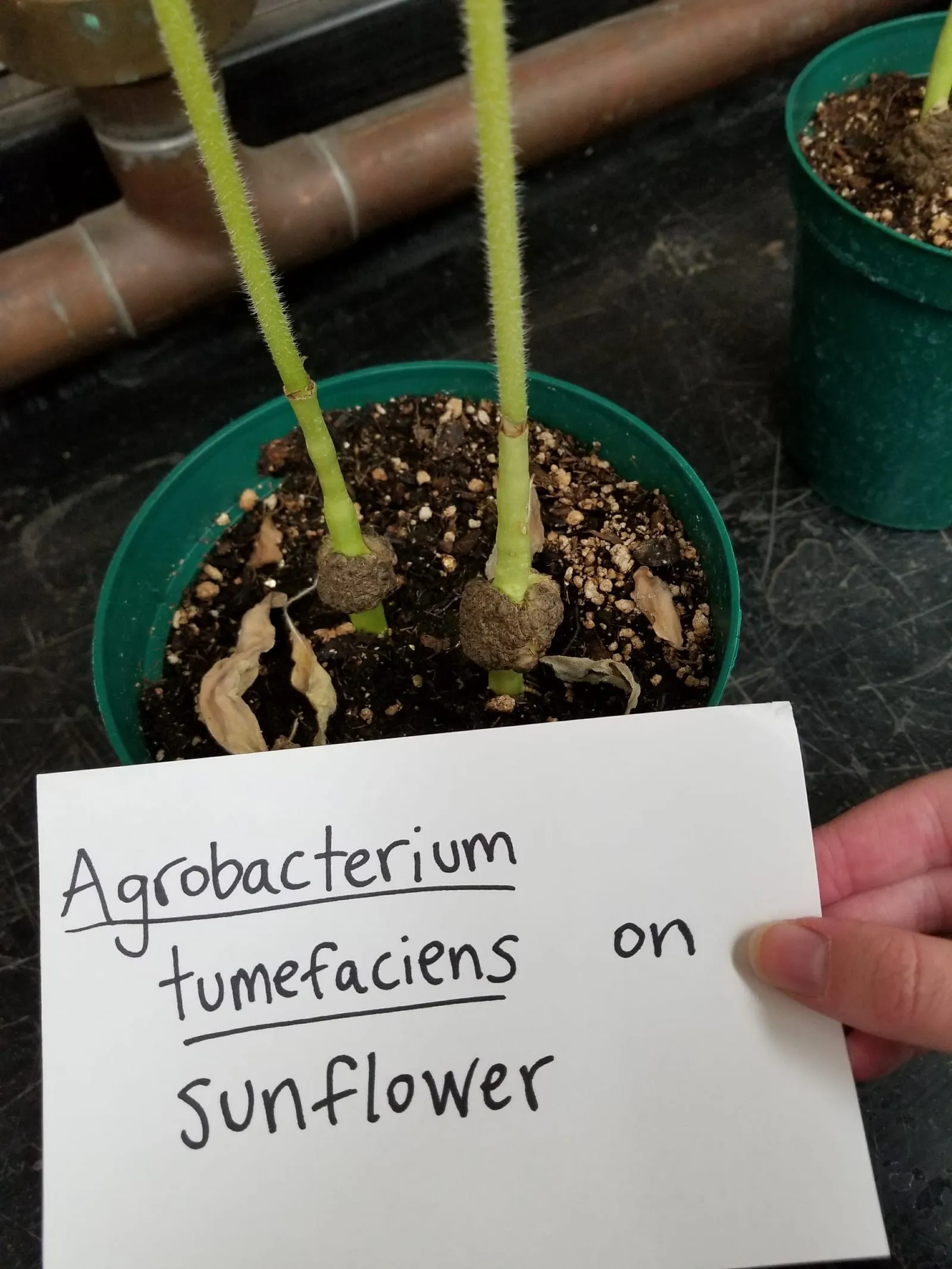
Agrobacterium tumefaciens
Soil-borne bacterium that enters plants through wounds and induces tumor-like galls on roots, crown, and lower stems. Galls reduce vigor and shorten plant lifespan; on Rubus the disease is often fatal.
Modified care for zone 6a
Zone 6a growers need to give more attention to winter protection than their counterparts in zones 7 and warmer. Young trees benefit from trunk wraps through their first two to three winters, and all trees should be sited away from low spots where cold air pools. Avoid applying high-nitrogen fertilizer late in the season, as it encourages soft growth that is more susceptible to cold injury.
Brown rot is a serious concern across zone 6a's humid summer conditions and should be managed with a preventive fungicide program starting at bloom. Bacterial spot pressure also varies by site and year, so monitoring matters. Japanese beetle feeding peaks in July, coinciding with harvest for early varieties, so scouting should start in late June. Peach leaf curl is best controlled with a single dormant copper application before buds swell in late winter.
Frequently asked questions
- Can peach trees survive zone 6a winters?
Most established peach trees will survive zone 6a winters without permanent wood damage, but flower buds are more vulnerable. Temperatures near -10°F can kill a significant portion of the bud crop. Hardy varieties like Reliance are specifically bred to tolerate these conditions better than standard commercial selections.
- Which peach varieties perform best in zone 6a?
Reliance and Contender are the most consistently recommended for zone 6a due to their cold hardiness and tolerance for late frost. Redhaven and Madison also perform well and offer early-to-mid-season ripening windows that suit the region's 180-day growing season.
- Why did my peach tree bloom but produce no fruit?
The most common cause in zone 6a is frost damage to open blossoms. Peach blooms early and zone 6a frosts can extend into late April, killing flowers that appear healthy on the tree. A single night below 28°F during full bloom is enough to eliminate most of a year's crop.
+−
+−
+−
Peach in adjacent zones
Image: "Peach flowers 2020 G1", by George Chernilevsky, via Wikimedia Commons, licensed under CC-BY Source.

Related