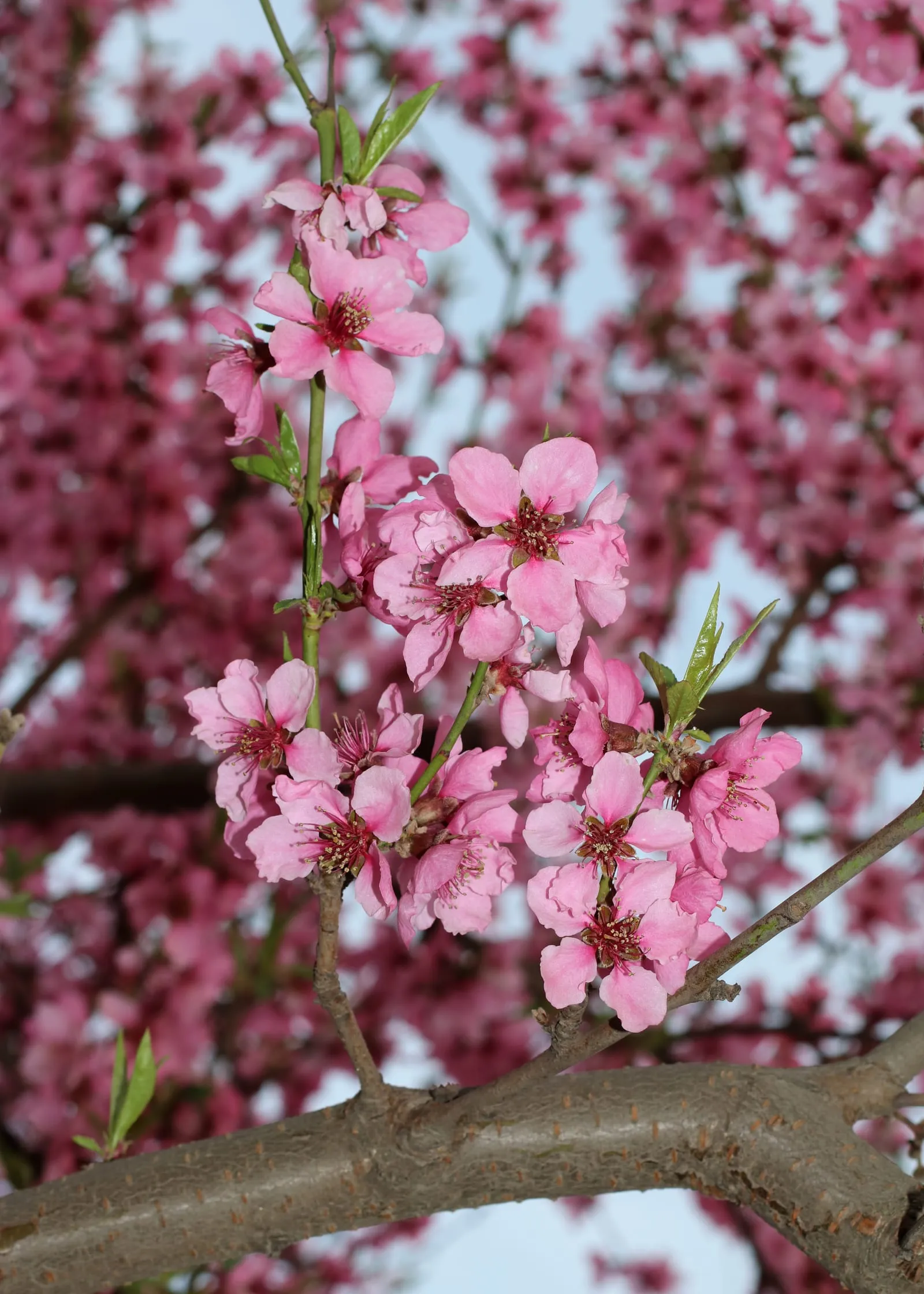
fruit tree in zone 5b
Growing peach in zone 5b
Prunus persica
- Zone
- 5b -15°F to -10°F
- Growing season
- 165 days
- Chill needed
- 600 to 900 below 45°F
- Suitable varieties
- 4
- Days to harvest
- 90 to 150
The verdict
Zone 5b sits at the northern edge of reliable peach production. The chill-hour requirement of 600 to 900 hours is consistently met across the zone, often exceeded in colder winters, so dormancy is not the problem. The binding constraint is bloom timing: peaches open flowers in early to mid-April in zone 5b, while last spring frost dates typically fall between late April and mid-May. That overlap puts the crop at risk in most years.
Variety selection narrows considerably at this latitude. Reliance and Contender were developed specifically for cold hardiness and carry better late-bloom genetics than most standard varieties. Madison and Redhaven are workable but carry more frost-damage exposure on open or low-lying sites. Varieties bred for warmer zones, particularly those with early bloom times, will face repeated crop failure in zone 5b. With correct variety selection and a favorable microclimate, peaches can produce reliably here, but zone 5b should be treated as marginal rather than a core production zone for the crop.
Recommended varieties for zone 5b
4 cultivars suited to this zone, with disease-resistance and zone-fit annotations.
| Variety | Notes | Zone fit | Disease resistance |
|---|---|---|---|
| Reliance fits zone 5b | Sweet, juicy, freestone yellow flesh with classic peach flavor; good fresh, excellent canning and freezing. Cold-hardy and reliable in zone 5 where most peaches fail. | | none noted |
| Contender fits zone 5b | Sweet, balanced flavor, freestone, firm yellow flesh; fresh, canning, freezing. Late-blooming so it dodges spring frost. Bacterial-spot resistant. | |
|
| Redhaven fits zone 5b | Sweet, juicy, firm, freestone yellow flesh; the industry standard with classic peach flavor. Eats fresh, cans well, freezes well. Most widely planted peach in the US. | | none noted |
| Madison fits zone 5b | Sweet, rich flavor, freestone; cold-hardy and resistant to spring frost. Excellent fresh and for canning. Late-blooming. | | none noted |
Critical timing for zone 5b
Peach bloom in zone 5b runs from early to mid-April depending on winter temperature trajectory and variety. Reliance and Contender tend to open flowers slightly later than Redhaven or Madison, which reduces, but does not eliminate, overlap with late-frost dates. Across zone 5b, last frost averages late April to early May, creating a two-to-three week window where bloom and hard-frost risk coincide.
Harvest begins in late July for early ripening selections such as Redhaven and extends into late August for later varieties. The zone's 165-day growing season is sufficient to ripen all standard peach varieties, so season length is not a constraint. The critical period is the six weeks from first bloom through petal fall, when a single frost event at or below 28°F can eliminate the crop entirely.
Common challenges in zone 5b
- ▸ Plum curculio
- ▸ Codling moth
- ▸ Cedar-apple rust
Disease pressure to watch for
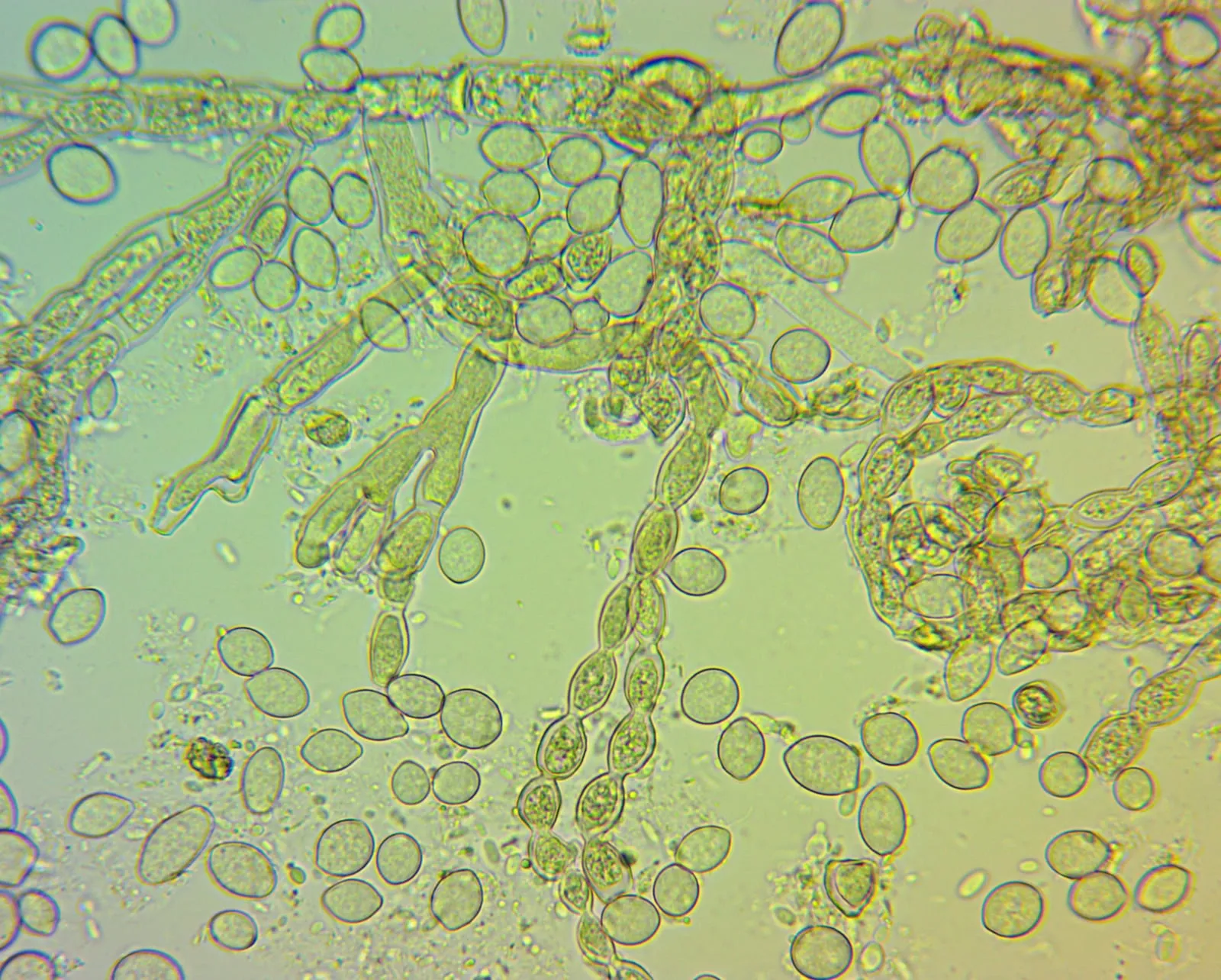
Monilinia fructicola
The most damaging stone-fruit and almond disease, causing blossom blight and fruit rot.
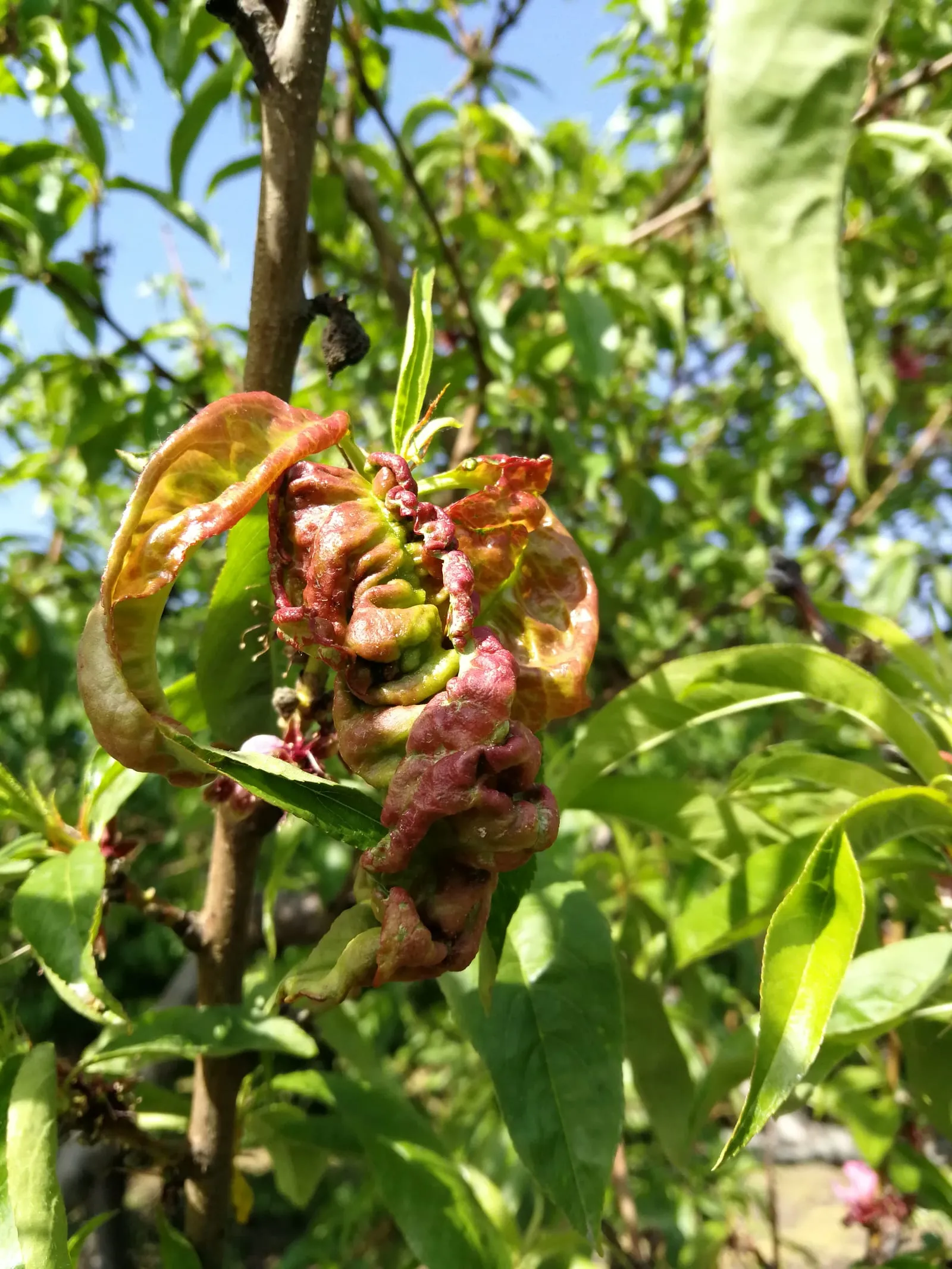
Taphrina deformans
Distinctive springtime disease causing red, puckered leaves. Manageable with one well-timed dormant spray.
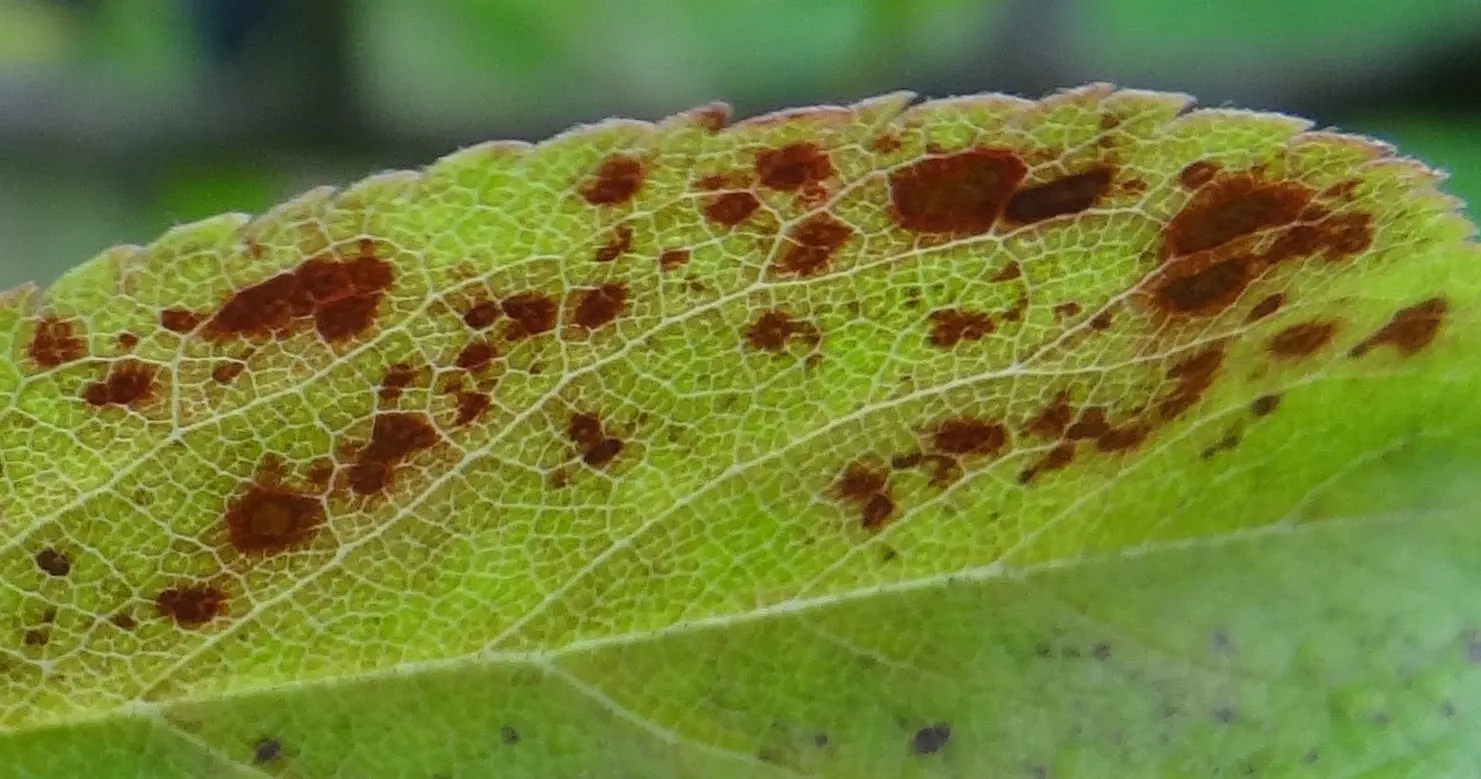
Xanthomonas arboricola pv. pruni
Bacterial disease causing leaf spots and fruit blemishes, severe in warm humid regions.
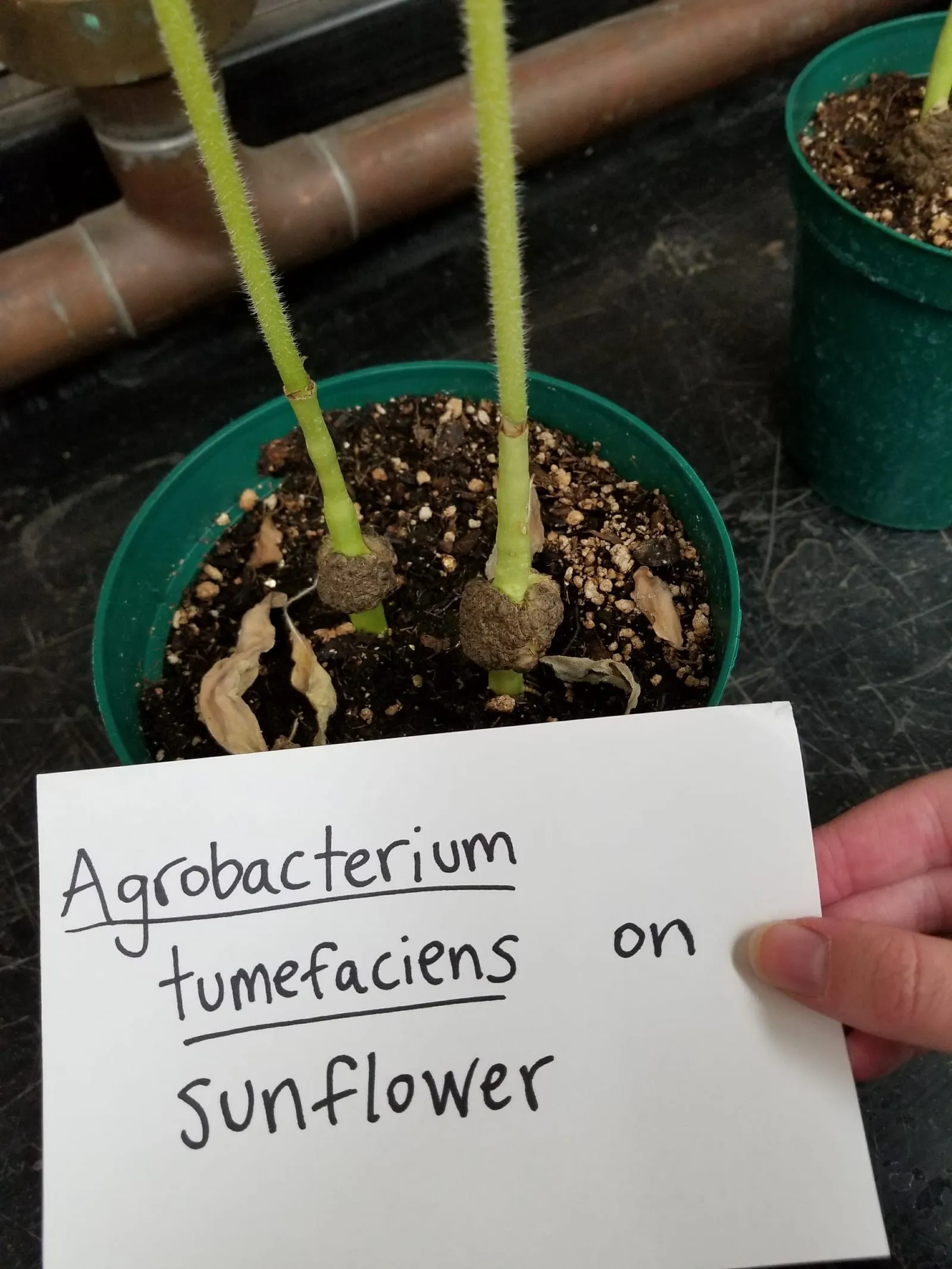
Agrobacterium tumefaciens
Soil-borne bacterium that enters plants through wounds and induces tumor-like galls on roots, crown, and lower stems. Galls reduce vigor and shorten plant lifespan; on Rubus the disease is often fatal.
Modified care for zone 5b
Site selection carries more weight in zone 5b than in warmer zones. Planting on a gentle slope allows cold air to drain away from the trees during late-spring frost events. South-facing exposures can advance bloom by a week or more, which increases frost exposure rather than reducing it; north-facing or level sites that slow bud development often perform better despite appearing less favorable on the surface.
Brown Rot, Peach Leaf Curl, and Bacterial Spot all require preventive fungicide applications timed to bloom and petal fall. Wet springs amplify Bacterial Spot pressure and can cause significant defoliation on susceptible trees. Standard extension spray schedules for zones 5 and 6 apply, though the compressed growing season tightens the window between applications.
Flower buds become vulnerable to injury when temperatures drop to -10°F or below after bud swell begins, typically late February into March in zone 5b. Trunk wraps benefit young trees through their first two to three winters while bark matures.
Frequently asked questions
- Can peaches grow in zone 5b?
Yes, but zone 5b is marginal for peaches. The chill-hour requirement is met, but bloom in early to mid-April frequently overlaps with last-frost dates in late April or early May. Variety selection is critical: Reliance and Contender are the most frost-tolerant options and should be prioritized over standard varieties.
- Which peach varieties perform best in zone 5b?
Reliance is the most cold-hardy option commonly available and is the safest choice for zone 5b. Contender is a close second. Redhaven and Madison are viable on protected sites but bloom earlier and carry higher frost-damage risk in typical years.
- How do I protect peach blossoms from late frost in zone 5b?
Site selection is the most effective long-term protection: slopes that drain cold air away from trees reduce frost damage more reliably than any intervention. For individual trees, lightweight frost cloth applied during forecast frost events can protect open blossoms when temperatures are expected to drop to 28 to 30°F. At temperatures below 26°F, open blossoms are unlikely to survive regardless of cover.
- When do peaches ripen in zone 5b?
Early varieties such as Redhaven ripen in late July. Most zone 5b growers see peak harvest in August. The 165-day growing season is sufficient for all standard peach varieties to reach maturity, so late-season varieties are not a concern from a frost-before-harvest standpoint.
+−
+−
+−
+−
Peach in adjacent zones
Image: "Peach flowers 2020 G1", by George Chernilevsky, via Wikimedia Commons, licensed under CC-BY Source.

Related