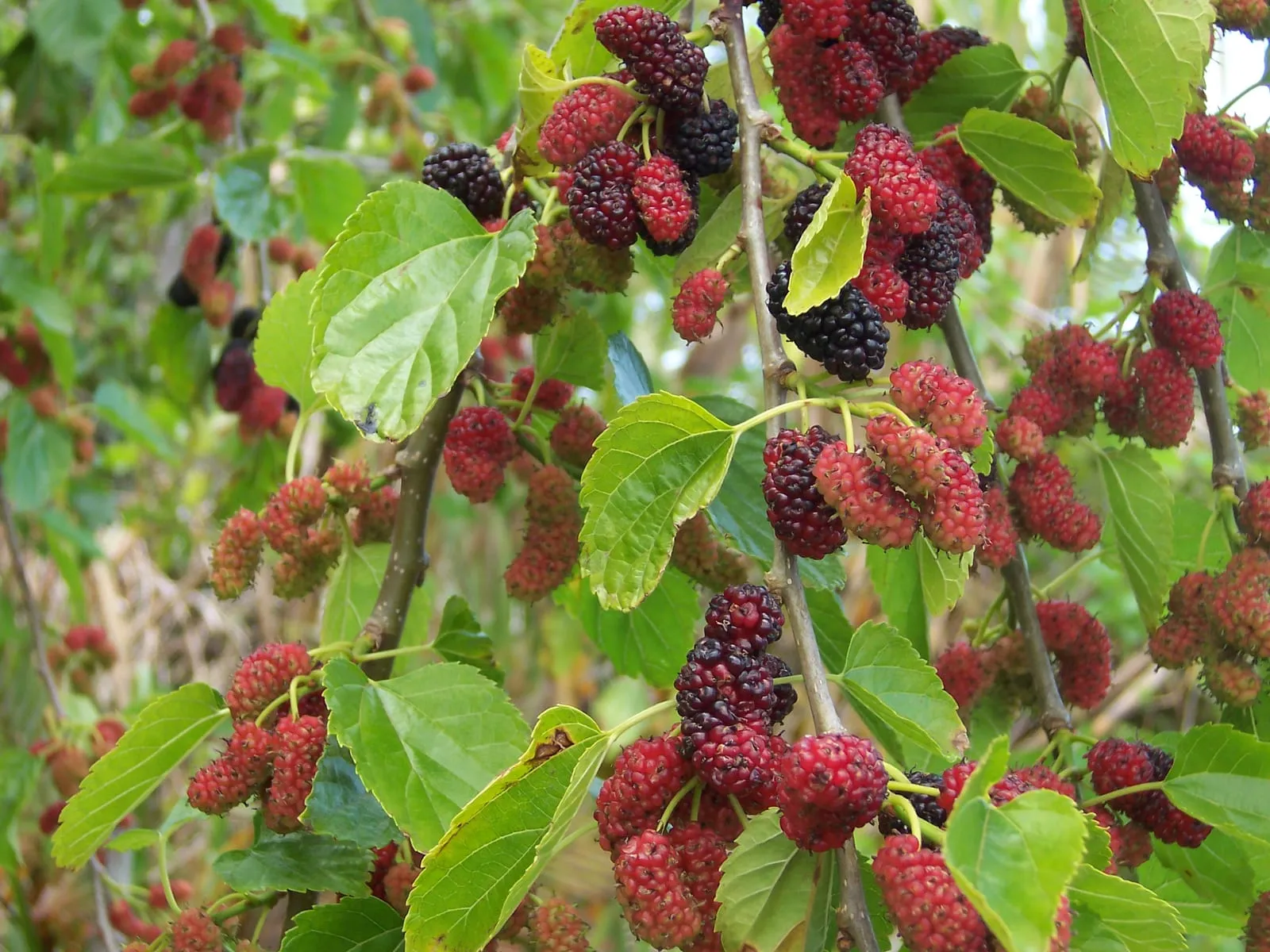
fruit tree in zone 6a
Growing mulberry in zone 6a
Morus species
- Zone
- 6a -10°F to -5°F
- Growing season
- 180 days
- Chill needed
- 400 to 600 below 45°F
- Suitable varieties
- 2
- Days to harvest
- 60 to 90
The verdict
Zone 6a sits comfortably within mulberry's preferred range. The crop requires 400 to 600 chill hours annually, a threshold zone 6a clears reliably through most winters, where temperatures regularly reach -10°F to -5°F. This is not a marginal zone for mulberry; it is closer to a sweet spot. Established trees of both Illinois Everbearing and Black Beauty have demonstrated solid hardiness through zone 6 winters without significant dieback. The 180-day growing season provides ample time for fruit development and sufficient wood hardening before autumn cold sets in.
Growers near the warmer edge of zone 6a, approaching the 6b boundary, will see the most consistent performance. Those at the colder edge should lean toward Illinois Everbearing, which has documented cold tolerance into zone 5. Black Beauty performs well in zone 6a but may benefit from a sheltered planting site in the coldest microclimates.
Recommended varieties for zone 6a
2 cultivars suited to this zone, with disease-resistance and zone-fit annotations.
| Variety | Notes | Zone fit | Disease resistance |
|---|---|---|---|
| Illinois Everbearing fits zone 6a | Sweet with a hint of tart, dark purple-black; rich berry flavor. Fresh eating, jam, baking, smoothies. Long fruiting period (6-8 weeks). Productive hybrid. | | none noted |
| Black Beauty fits zone 6a | Sweet, classic dark mulberry flavor; smaller fruit but high quality. Fresh and dried. Compact tree (15 ft), manageable in small yards. | | none noted |
Critical timing for zone 6a
Mulberry is notably slow to break dormancy, a characteristic that works in its favor in zone 6a. Bloom typically occurs in mid to late May, well past the last frost dates common in this zone. This late-leafing habit is a meaningful advantage: frost damage to flower buds, a serious concern for peaches in zone 6a, is rarely an issue for mulberry.
Harvest for most varieties begins in late June and runs through mid-July. Illinois Everbearing extends the season somewhat through successive fruiting flushes. Growers can expect a productive window of three to five weeks, depending on heat accumulation over the season. Fruit ripening is gradual rather than all-at-once, which distributes the harvest load but also requires regular picking to avoid losses.
Common challenges in zone 6a
- ▸ Brown rot in stone fruit
- ▸ Japanese beetles
- ▸ Spring frost damage to peach buds
Modified care for zone 6a
The most significant adjustment in zone 6a is managing Japanese beetle pressure. Mulberry foliage is a preferred host, and infestations can be heavy in July, coinciding with fruit ripening. Hand-picking beetles in the early morning, when they are sluggish, reduces populations without chemical application. Netting fruiting branches is practical on young or compact trees and keeps both beetles and birds off the harvest.
Young trees in their first two winters benefit from a 3- to 4-inch layer of mulch at the base to buffer root zones against the coldest nights. Established trees rarely need additional winter protection in zone 6a. No disease pressure specific to mulberry appears in the zone 6a data; the brown rot that affects stone fruit in this zone does not carry over to mulberry, so disease management is generally straightforward.
Mulberry in adjacent zones
Image: "Morus alba fruits", by B.navez, via Wikimedia Commons, licensed under CC-BY Source.

Related