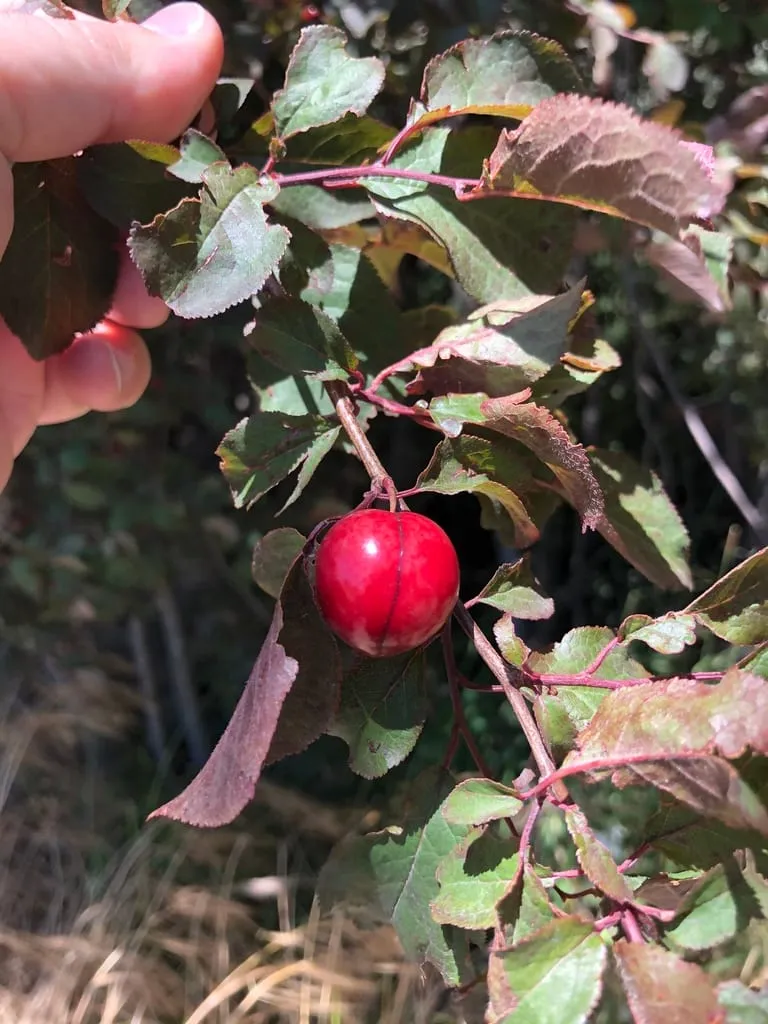
fruit tree in zone 4a
Growing european plum in zone 4a
Prunus domestica
- Zone
- 4a -30°F to -25°F
- Growing season
- 120 days
- Chill needed
- 700 to 1000 below 45°F
- Suitable varieties
- 1
- Days to harvest
- 140 to 170
The verdict
European plum is a reasonable fit for zone 4a, but success depends almost entirely on variety selection. The chill-hour requirement of 700 to 1,000 hours is comfortably met here; zone 4a winters routinely accumulate well above that threshold. Chill hours are not the limiting factor.
The constraint is cold hardiness. Zone 4a lows of -30 to -25°F push past the rated hardiness of most European plum varieties, which typically survive to around -20°F. Mount Royal, a cultivar developed in Quebec and documented as hardy to -30°F, is the reliable option for this zone. Variety selection in zone 4a is less a matter of preference and more a matter of winter survival. The crop can succeed here, but only with the right cultivar sited in a protected microclimate. Zone 4a is a sweet spot for chill-hour accumulation and a cold-hardiness stress point in roughly equal measure.
Recommended varieties for zone 4a
1 cultivar suited to this zone, with disease-resistance and zone-fit annotations.
| Variety | Notes | Zone fit | Disease resistance |
|---|---|---|---|
| Mount Royal fits zone 4a | Tart-sweet, juicy, blue-purple skin with golden flesh; good fresh and excellent for jam. Cold-hardy where most plums fail. | | none noted |
Critical timing for zone 4a
European plum blooms mid-spring in zone 4a, typically from late April into mid-May depending on year-to-year temperature patterns. Last frost dates in zone 4a commonly run through mid-May, which puts bloom and frost risk in direct conflict. A late frost event after bloom sets can eliminate the year's crop entirely, and that scenario is not unusual in this zone. Mount Royal blooms relatively late among European plums, which provides some buffer, though not reliable protection. With zone 4a's 120-day growing season, harvest typically falls in late August to early September. Expect two to three weeks of variability in harvest timing between warm and cool years.
Common challenges in zone 4a
- ▸ Late frosts damage early bloomers
- ▸ Limited peach varieties
Disease pressure to watch for
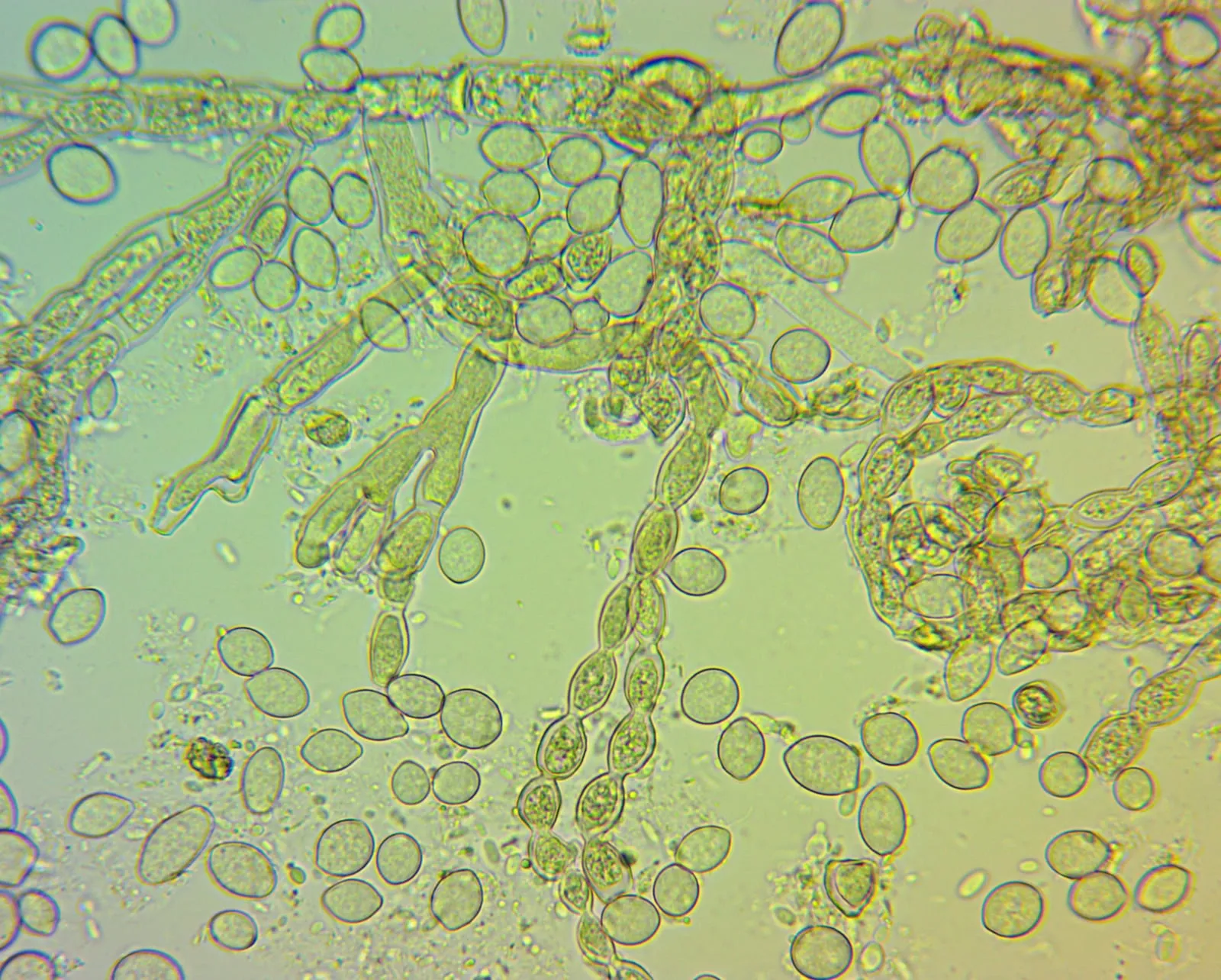
Monilinia fructicola
The most damaging stone-fruit and almond disease, causing blossom blight and fruit rot.
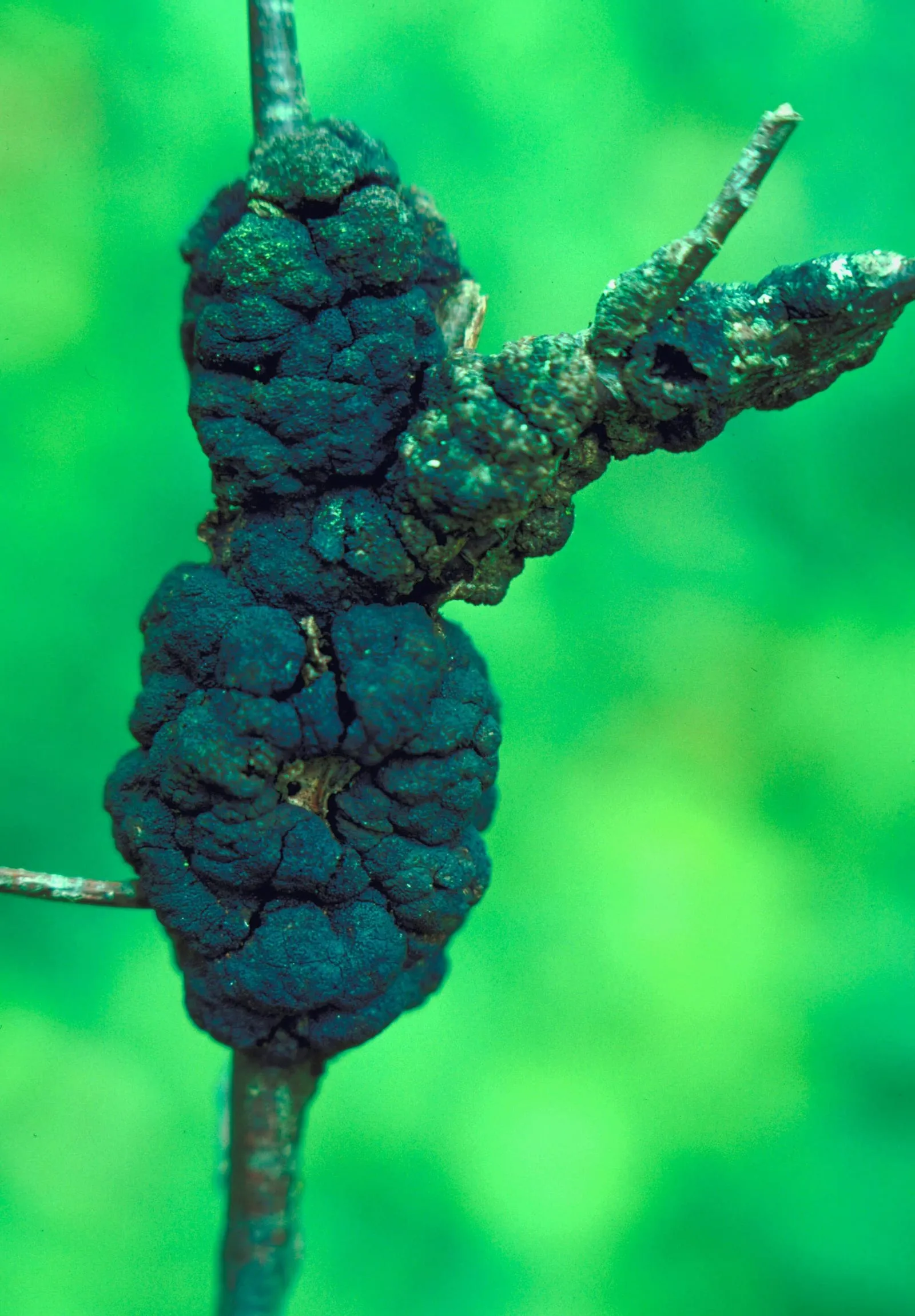
Apiosporina morbosa
Fungal disease producing characteristic black warty galls on plum and cherry branches.
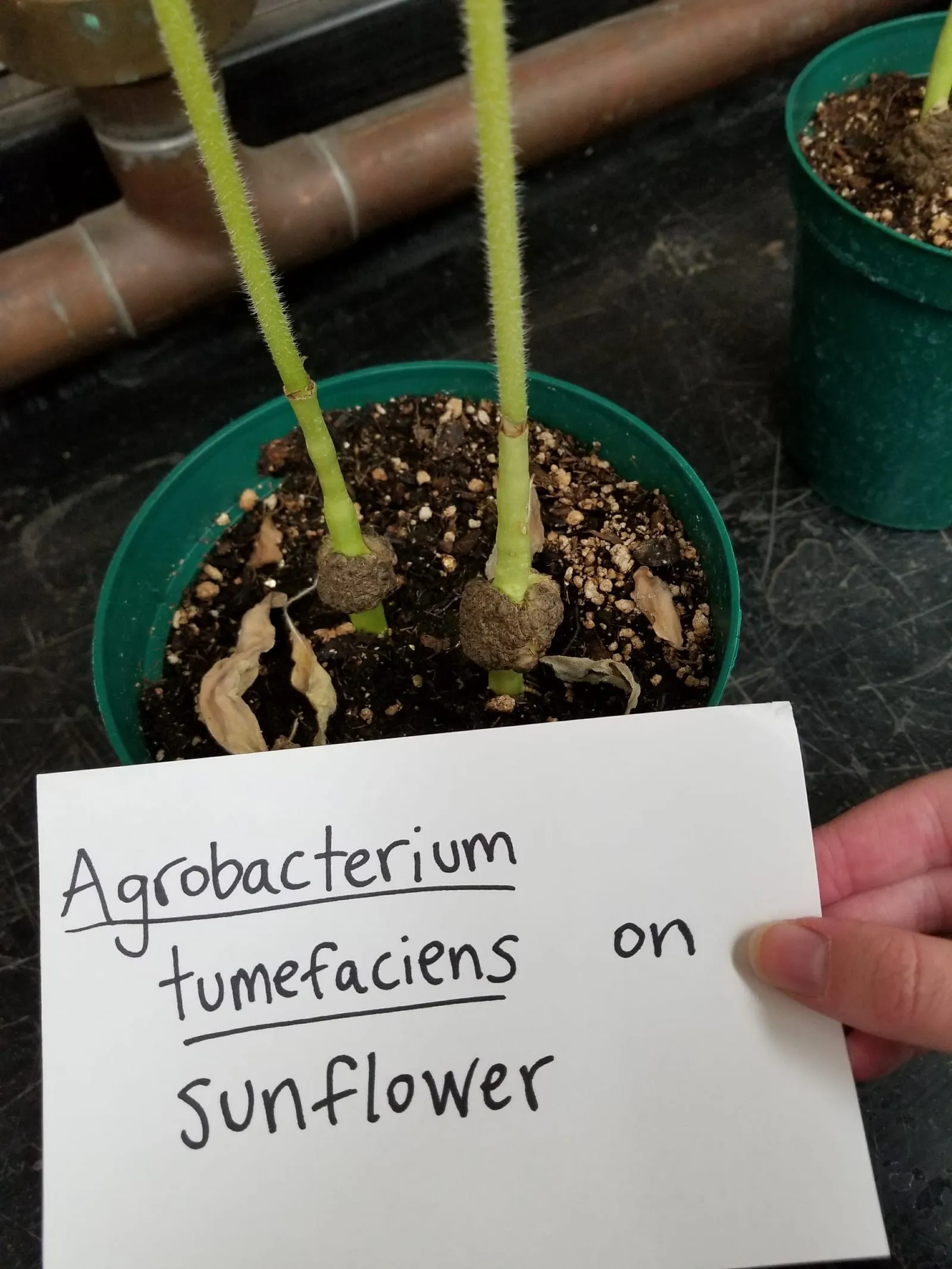
Agrobacterium tumefaciens
Soil-borne bacterium that enters plants through wounds and induces tumor-like galls on roots, crown, and lower stems. Galls reduce vigor and shorten plant lifespan; on Rubus the disease is often fatal.
Modified care for zone 4a
Site selection is the single most effective management tool in zone 4a. A south-facing slope with good cold-air drainage reduces the odds of bloom-killing frost events; low-lying areas where cold air settles on still spring nights are poor candidates regardless of variety. Wrap young trunks through the first few winters to protect against sunscald and rodent damage during the period when bark is most vulnerable.
Black Knot is the primary disease concern across the northeastern and upper-Midwest sites where most zone 4a plantings occur. Prune out infected wood promptly and remove it from the site entirely; leaving prunings nearby allows spores to reinfect. Brown Rot pressure is generally lower in the drier continental climates typical of zone 4a, but wet spring conditions around bloom and harvest still create infection windows worth monitoring.
European Plum in adjacent zones
Image: "Plum", by Nathan Odgers, via iNaturalist, licensed under CC-BY Source.
Related