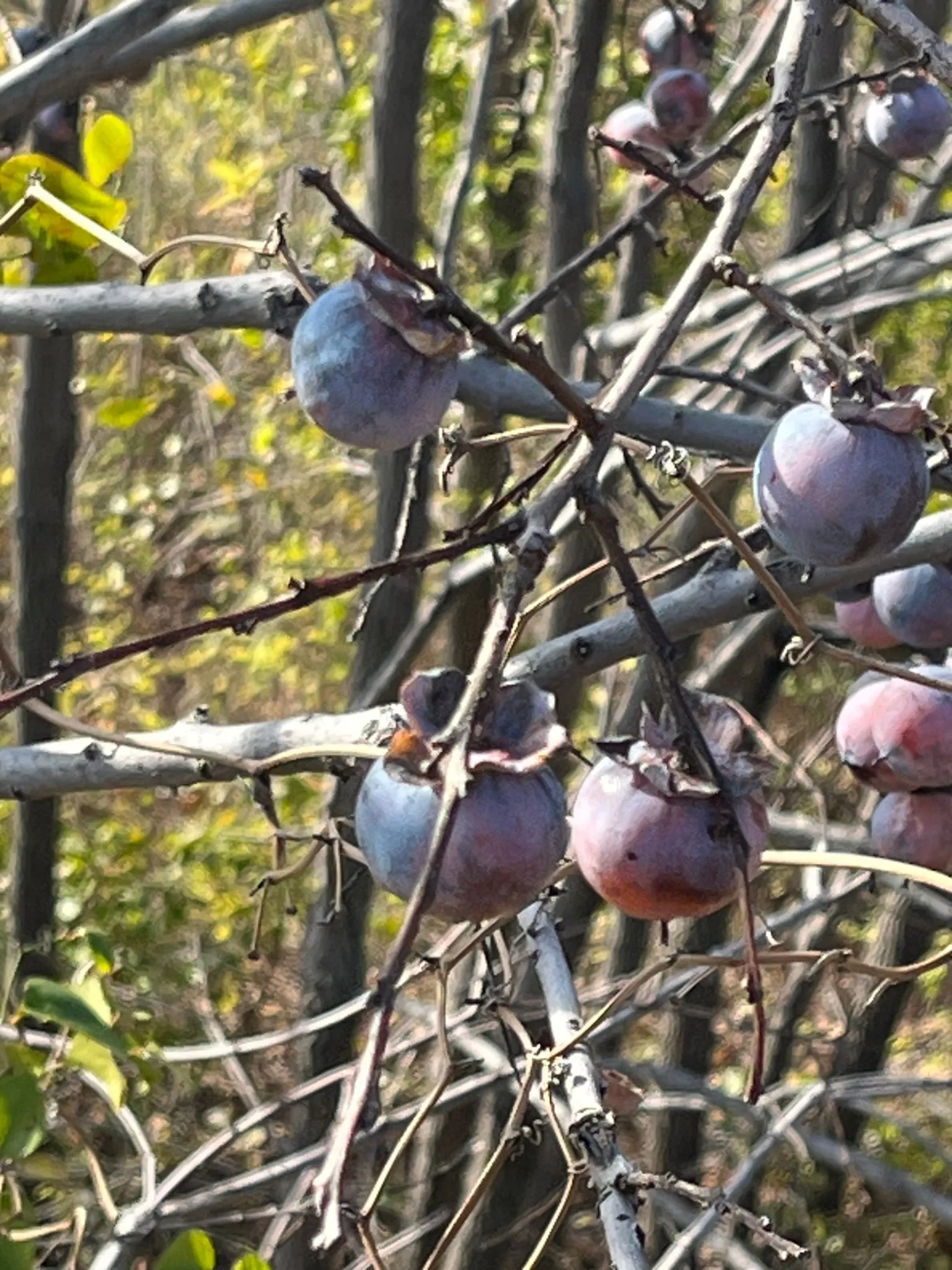
fruit tree in zone 5b
Growing american persimmon in zone 5b
Diospyros virginiana
- Zone
- 5b -15°F to -10°F
- Growing season
- 165 days
- Chill needed
- 100 to 400 below 45°F
- Suitable varieties
- 3
- Days to harvest
- 180 to 240
The verdict
American persimmon (Diospyros virginiana) is well-suited to zone 5b. The species is native to eastern North America and reliably hardy to zone 4 or colder, so the -15 to -10°F winter minimums typical of zone 5b fall well within its tolerance. Chill-hour requirements run 100 to 400 hours, a modest demand that zone 5b satisfies without difficulty in most winters. The 165-day growing season is sufficient to bring fruit to full maturity before hard fall freezes arrive.
Zone 5b is not a marginal environment for this crop; it sits close to the center of the species' native range. Varieties such as Meader were selected specifically for northern performance and carry a decades-long track record in zones 5 and 6. Prok and Yates also perform reliably at this latitude. Growers in the northern tier of zone 5b should favor these shorter-season selections over less cold-tested alternatives.
Recommended varieties for zone 5b
3 cultivars suited to this zone, with disease-resistance and zone-fit annotations.
| Variety | Notes | Zone fit | Disease resistance |
|---|---|---|---|
| Meader fits zone 5b | Sweet, soft, rich complex flavor reminiscent of dates and apricot when fully ripe; eat soft only, astringent until then. Fresh, baking, drying. Self-fertile cold-hardy native selection. | | none noted |
| Yates fits zone 5b | Very sweet, soft when ripe with intense honey flavor; fresh eating and baking (puddings, breads). Productive but needs a pollinator. | | none noted |
| Prok fits zone 5b | Sweet, large fruit with rich flavor; fresh and baking. Reliable producer, partially self-fertile. | | none noted |
Critical timing for zone 5b
American persimmon blooms late relative to most orchard fruit, typically in late May to early June in zone 5b. This delayed bloom is a practical advantage: by the time flowers open, the risk of damaging late frosts has largely passed for most of the zone. Harvest falls in October through early November, and zone 5b's 165-day growing season ends with first fall frosts that align well with the fruit's maturation window.
The fruit benefits from frost exposure, which converts tannins and reduces astringency in standard seedling types and most named varieties. Astringent-type varieties should remain on the tree until after a hard frost, or be allowed to soften fully off the tree once fully colored. Picking early to sidestep frost risks astringent, unpalatable fruit.
Common challenges in zone 5b
- ▸ Plum curculio
- ▸ Codling moth
- ▸ Cedar-apple rust
Modified care for zone 5b
Established American persimmons in zone 5b need no winter protection beyond standard precautions for young trees. In the first one or two winters, a layer of mulch over the root zone and a hardware-cloth collar around the lower trunk to deter rodents are worthwhile steps. Neither is persimmon-specific; both apply to any young fruit tree in this zone.
The pest pressures common in zone 5b, including plum curculio and codling moth, are primarily problems for stone fruits and apples. American persimmon is notably resistant to most orchard pests and diseases, and the spray programs routine in apple orchards are generally unnecessary here. Cedar-apple rust is a zone 5b challenge for apple growers, but persimmon is not a primary host and rarely sustains serious damage from it. Monitoring for unusual foliar symptoms is reasonable; preventive fungicide programs are not warranted for persimmon specifically.
American Persimmon in adjacent zones
Image: "Diospyros virginiana 450936388", by pynklynx, via Wikimedia Commons, licensed under CC0 Source.

Related