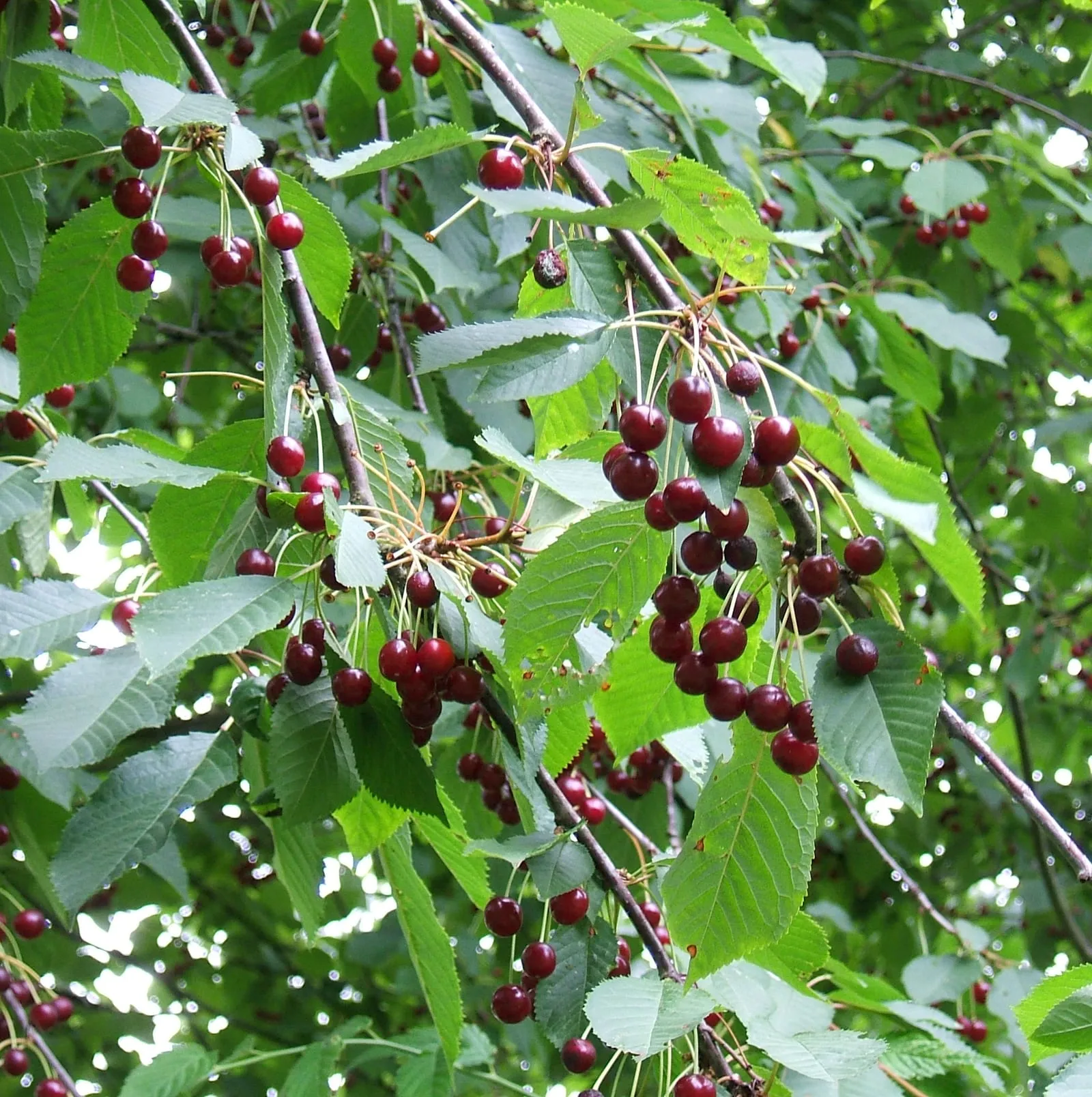
fruit tree in zone 5a
Growing sweet cherry in zone 5a
Prunus avium
- Zone
- 5a -20°F to -15°F
- Growing season
- 150 days
- Chill needed
- 700 to 1100 below 45°F
- Suitable varieties
- 2
- Days to harvest
- 60 to 80
The verdict
Zone 5a is workable for sweet cherry, but it sits near the cold edge of the crop's practical range. With winter lows reaching -20 to -15°F, the main risk is not chill-hour accumulation (sweet cherry requires 700 to 1100 hours, and zone 5a exceeds that comfortably in most winters) but rather cold injury to flower buds and scaffold branches during the deepest cold snaps. Bing and Stella are both reasonably cold-hardy, yet neither is rated for sustained temperatures below about -15°F without some bud damage.
This is not a sweet spot for the crop; it is the northern margin. Growers in zone 5a can expect productive harvests in mild to average winters and partial or total crop loss in severe ones. Site selection matters considerably here: a south-facing slope with good air drainage will consistently outperform a low-lying frost pocket even within the same zip code.
Recommended varieties for zone 5a
2 cultivars suited to this zone, with disease-resistance and zone-fit annotations.
| Variety | Notes | Zone fit | Disease resistance |
|---|---|---|---|
| Bing fits zone 5a | Sweet, firm, juicy, deep mahogany-red; the industry standard sweet cherry, classic flavor for fresh eating. Requires a pollinator. | | none noted |
| Stella fits zone 5a | Sweet, firm, dark red; very good fresh-eating quality. Self-fertile so a single tree produces, also a good pollinator for Bing. | | none noted |
Critical timing for zone 5a
Sweet cherry blooms early, typically in late April in zone 5a, which overlaps directly with the region's late spring frost window. Last frost dates in zone 5a commonly fall between late April and mid-May, meaning a single frost event during full bloom can eliminate most or all of the season's crop. This is the single largest production risk for sweet cherry in this zone, more so than winter cold for established trees.
Harvest for early varieties like Stella typically runs late June into early July; Bing follows by one to two weeks. The 150-day growing season provides adequate time for fruit to mature before fall frost, so season length is not the constraint. The bloom-to-last-frost overlap is.
Common challenges in zone 5a
- ▸ Fire blight in pears
- ▸ Cedar-apple rust
- ▸ Late spring frosts
Disease pressure to watch for
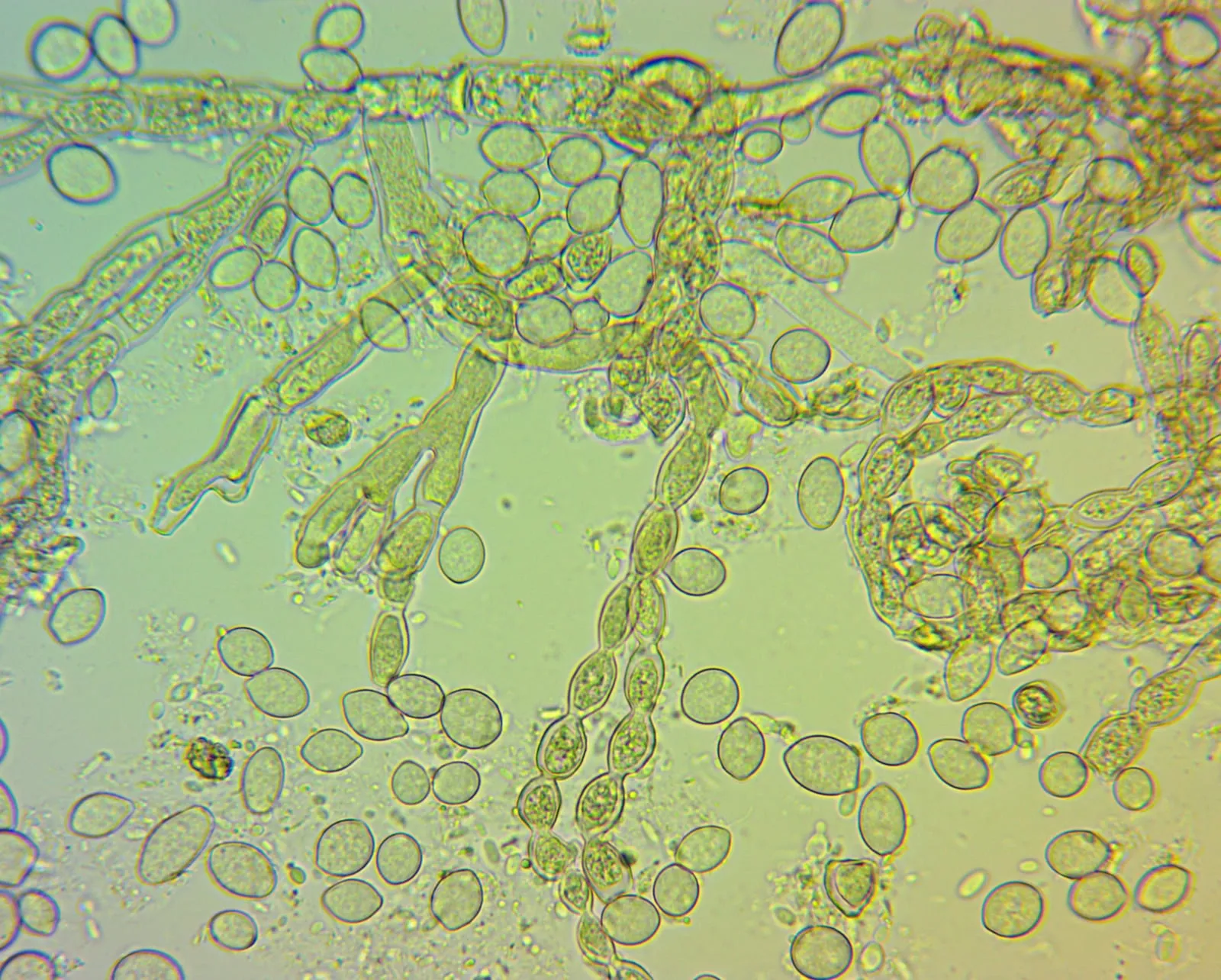
Monilinia fructicola
The most damaging stone-fruit and almond disease, causing blossom blight and fruit rot.
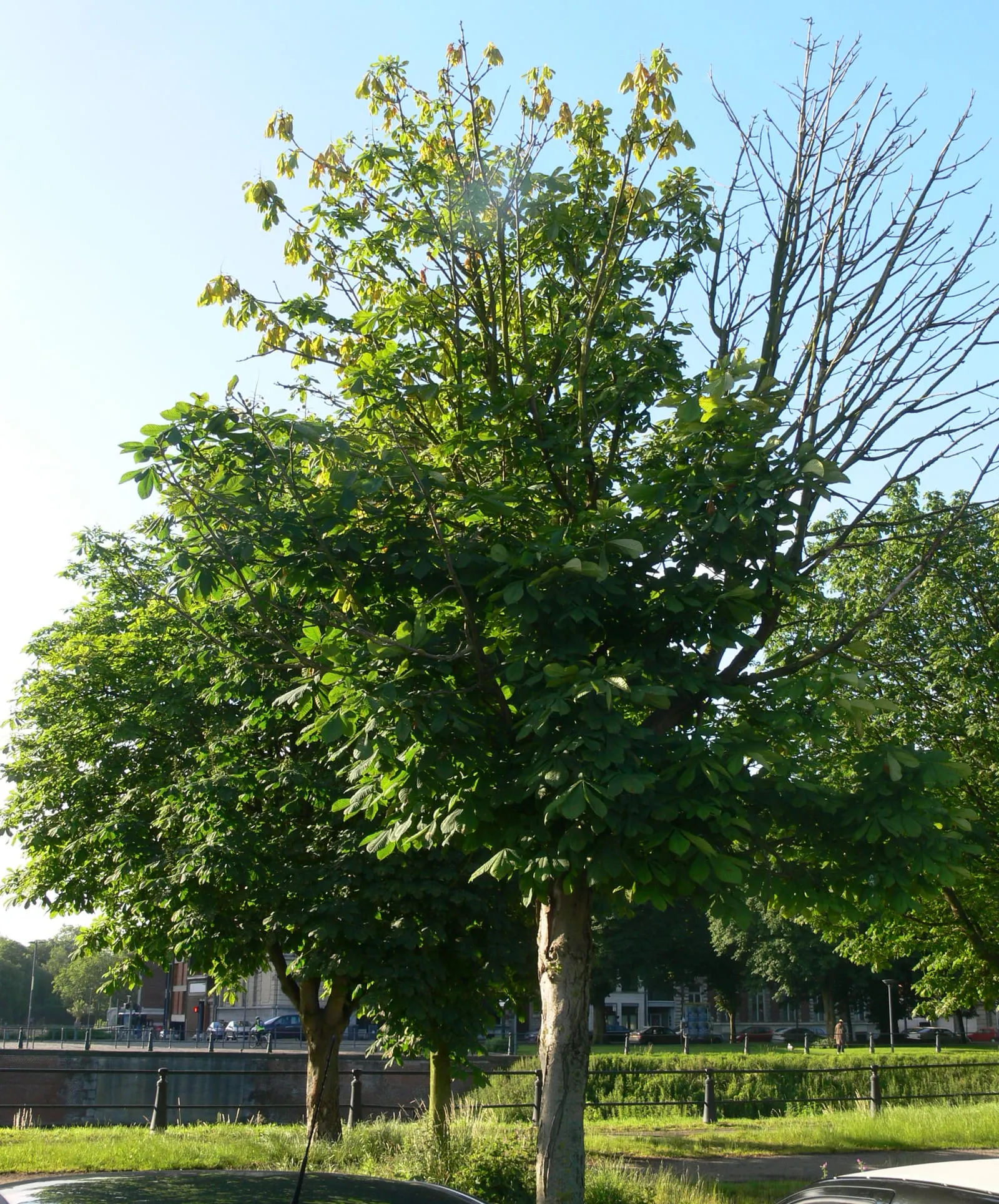
Pseudomonas syringae
Bacterial disease causing limb dieback and gummosis, particularly damaging in wet cool springs.
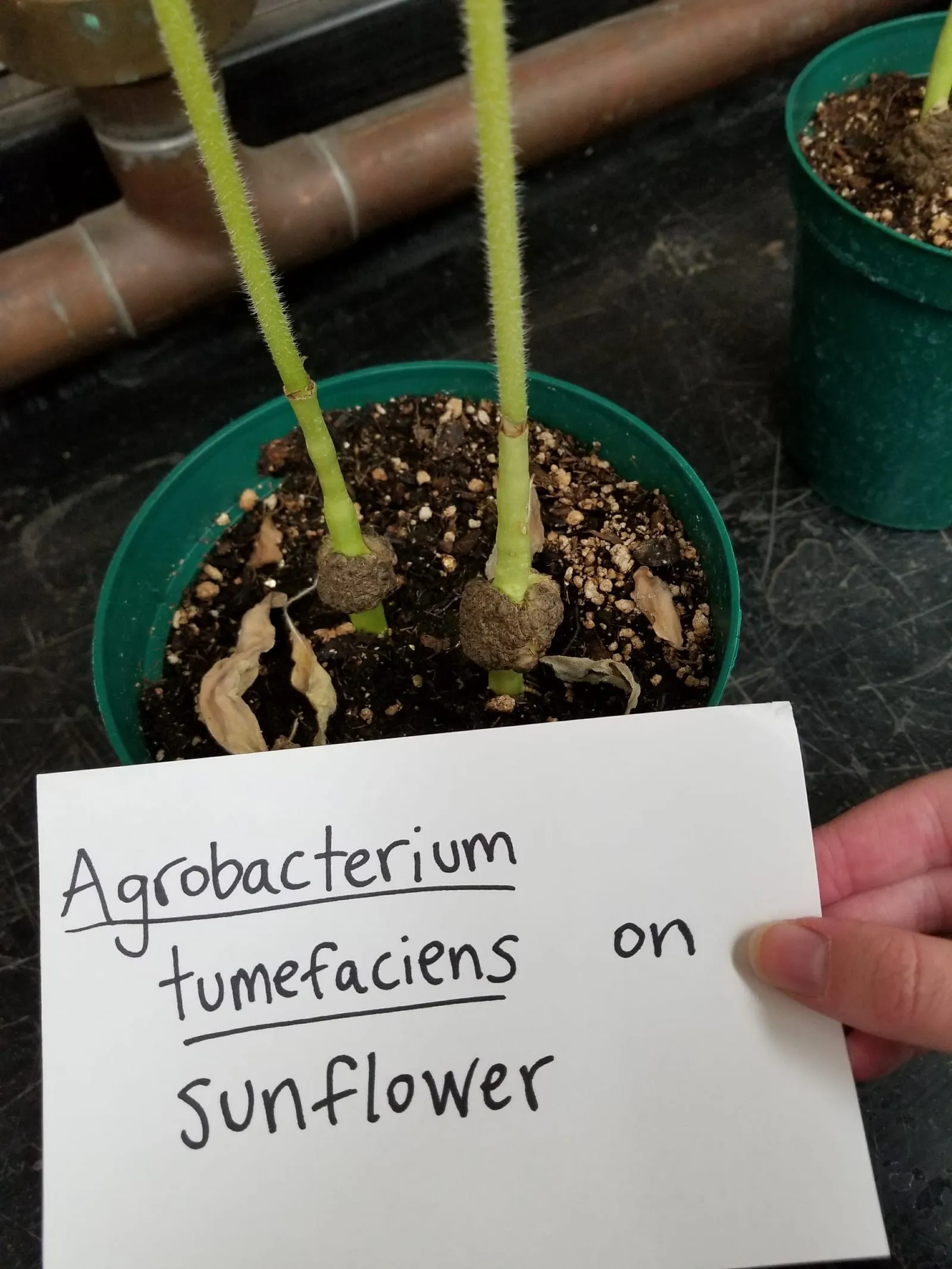
Agrobacterium tumefaciens
Soil-borne bacterium that enters plants through wounds and induces tumor-like galls on roots, crown, and lower stems. Galls reduce vigor and shorten plant lifespan; on Rubus the disease is often fatal.
Modified care for zone 5a
Site selection carries more weight in zone 5a than in warmer zones. Locating trees on elevated ground with good cold-air drainage reduces the frequency of frost-at-bloom events. Avoid planting in valley bottoms or near structures that trap cold air.
Bacterial canker is especially damaging in cold climates where winter injury creates entry points for Pseudomonas syringae. Pruning should be deferred until late spring once growth is underway, and any winter damage should be cut back cleanly. Brown rot pressure peaks during wet harvest-season weather; thinning the canopy to improve airflow reduces but does not eliminate the risk.
Some growers in zone 5a wrap the graft union and lower trunk with tree wrap through the first two or three winters to reduce freeze-thaw bark splitting, particularly for trees planted on well-drained sites that cycle temperature rapidly.
Frequently asked questions
- Can sweet cherry survive zone 5a winters?
Established trees of cold-tolerant varieties like Stella can survive most zone 5a winters, but temperatures at the low end of the zone (-20°F) risk killing flower buds and injuring scaffold wood. Productive harvests are realistic in average winters; severe winters may cause partial or total crop loss.
- Why do sweet cherry growers in zone 5a often lose their crop even when the tree survives?
Sweet cherry blooms in late April in zone 5a, which coincides with the region's late spring frost window. A single frost event during full bloom can destroy nearly all the flowers before fruit set, leaving the tree healthy but fruitless for the season.
- Which varieties are best suited to zone 5a?
Stella is generally the better choice for zone 5a due to its self-fertility and slightly better cold tolerance relative to Bing. Bing is productive in favorable years but is more vulnerable to crop loss in late-frost years and severe winters.
+−
+−
+−
Sweet Cherry in adjacent zones
Image: "Prunus avium fruit", by MPF, via Wikimedia Commons, licensed under CC-BY Source.

Related