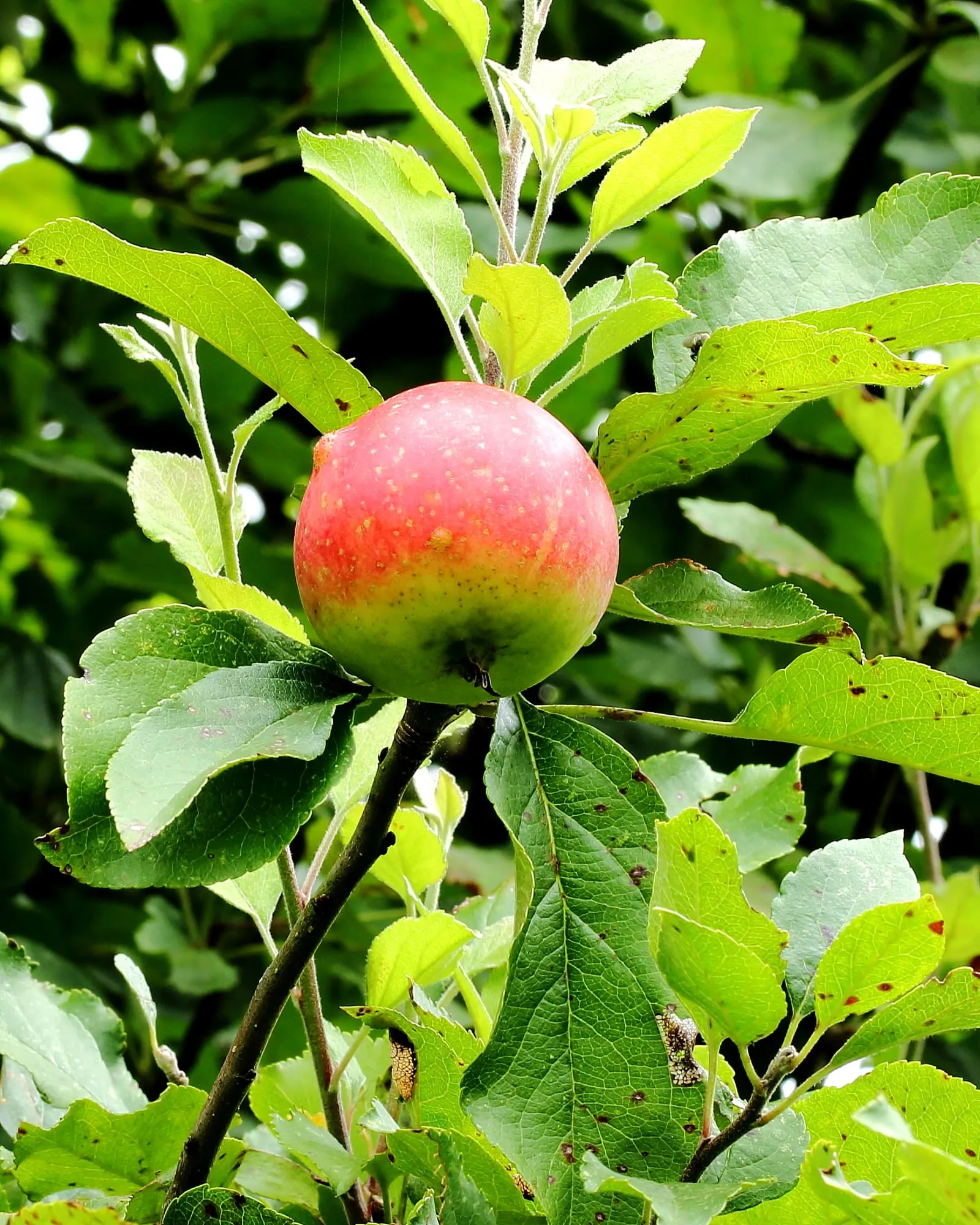
fruit tree in zone 9a
Growing apple in zone 9a
Malus domestica
- Zone
- 9a 20°F to 25°F
- Growing season
- 290 days
- Chill needed
- 400 to 1000 below 45°F
- Suitable varieties
- 1
- Days to harvest
- 120 to 200
The verdict
Zone 9a sits at the outer edge of apple-growing territory. Most recognized apple varieties require 600 to 1,000 chill hours (hours below 45°F), but zone 9a typically accumulates only 200 to 400 hours in an average winter, and that figure shifts meaningfully from year to year depending on how mild or cold a given December through February turns out to be.
The only compatible variety in the data for this zone is Anna, a low-chill cultivar developed in Israel that performs adequately at around 200 to 300 chill hours. That narrow overlap between what the zone can offer and what Anna requires means success is possible but not guaranteed. An unusually warm winter can push chill-hour accumulation below even Anna's modest threshold, resulting in erratic bloom, poor fruit set, or dormancy failure.
This is a marginal zone for apples. Growers here are not in a sweet spot; they are working at the edge of the crop's climatic tolerance. Some years produce a reasonable harvest; others produce little.
Recommended varieties for zone 9a
1 cultivar suited to this zone, with disease-resistance and zone-fit annotations.
| Variety | Notes | Zone fit | Disease resistance |
|---|---|---|---|
| Anna fits zone 9a | Mild sweet flavor, crisp, similar to Gala in eating quality; fresh-eating apple bred for warm climates. Bears very early in season. | | none noted |
Critical timing for zone 9a
Low-chill varieties like Anna bloom early in zone 9a, often in January or February, triggered by whatever cold accumulation the winter provides. This early bloom window is both an advantage and a liability. The zone's last frost dates are generally mild, but winter lows can still reach the 20 to 25°F range the zone is defined by, and open flowers are far more cold-sensitive than dormant buds.
Harvest for Anna typically arrives in June to early July, well ahead of apple harvest in zones 6 through 8. The 290-day growing season means trees break dormancy and transition into active growth early. Chill-hour accumulation can still be incomplete when warming temperatures push the tree forward in late winter, so bloom timing can shift by two to four weeks depending on the specific winter pattern. Tracking local chill hours through January rather than relying on fixed calendar dates gives growers a more reliable basis for timing bloom-period sprays and frost protection.
Common challenges in zone 9a
- ▸ Limited stone fruit options due to insufficient chill
- ▸ Hurricane and tropical storm exposure
- ▸ Citrus disease pressure
Disease pressure to watch for
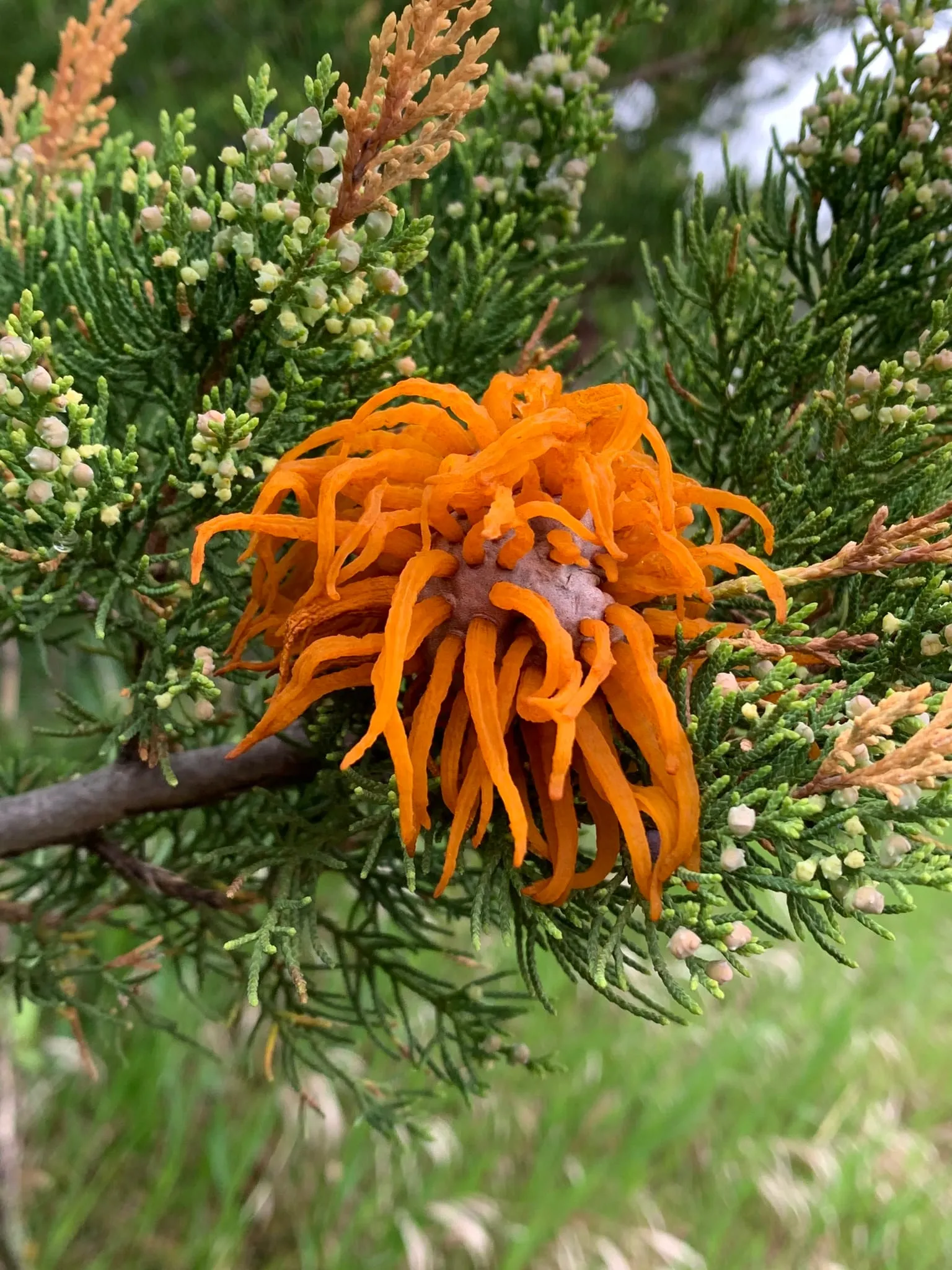
Gymnosporangium juniperi-virginianae
Two-host fungal disease alternating between apple and eastern red cedar. Severe pressure in regions with abundant cedar.
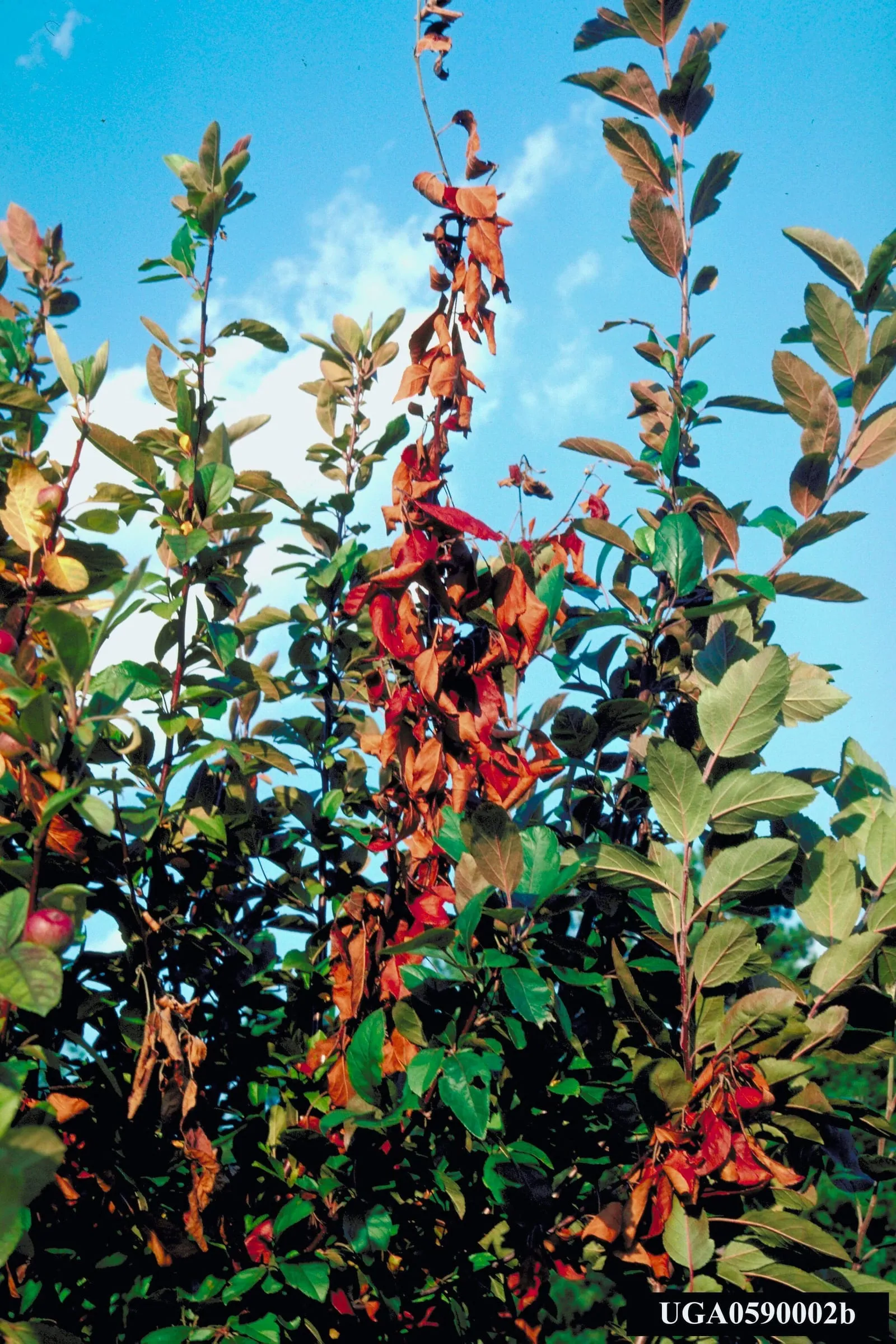
Erwinia amylovora
Devastating bacterial disease that can kill trees rapidly. Most severe in warm wet springs.
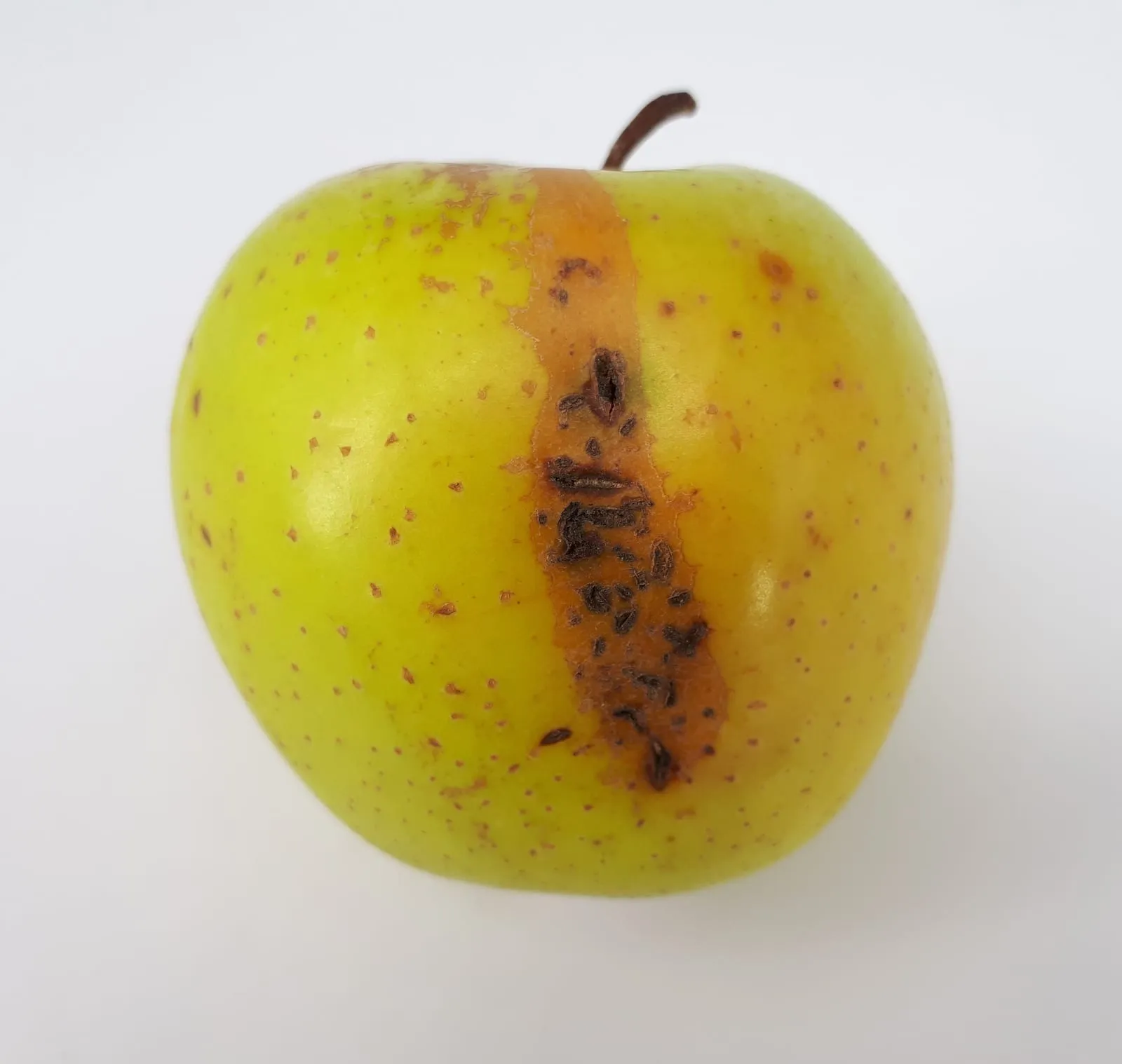
Venturia inaequalis
The most widespread apple disease in humid regions. Reduces fruit quality and defoliates trees.
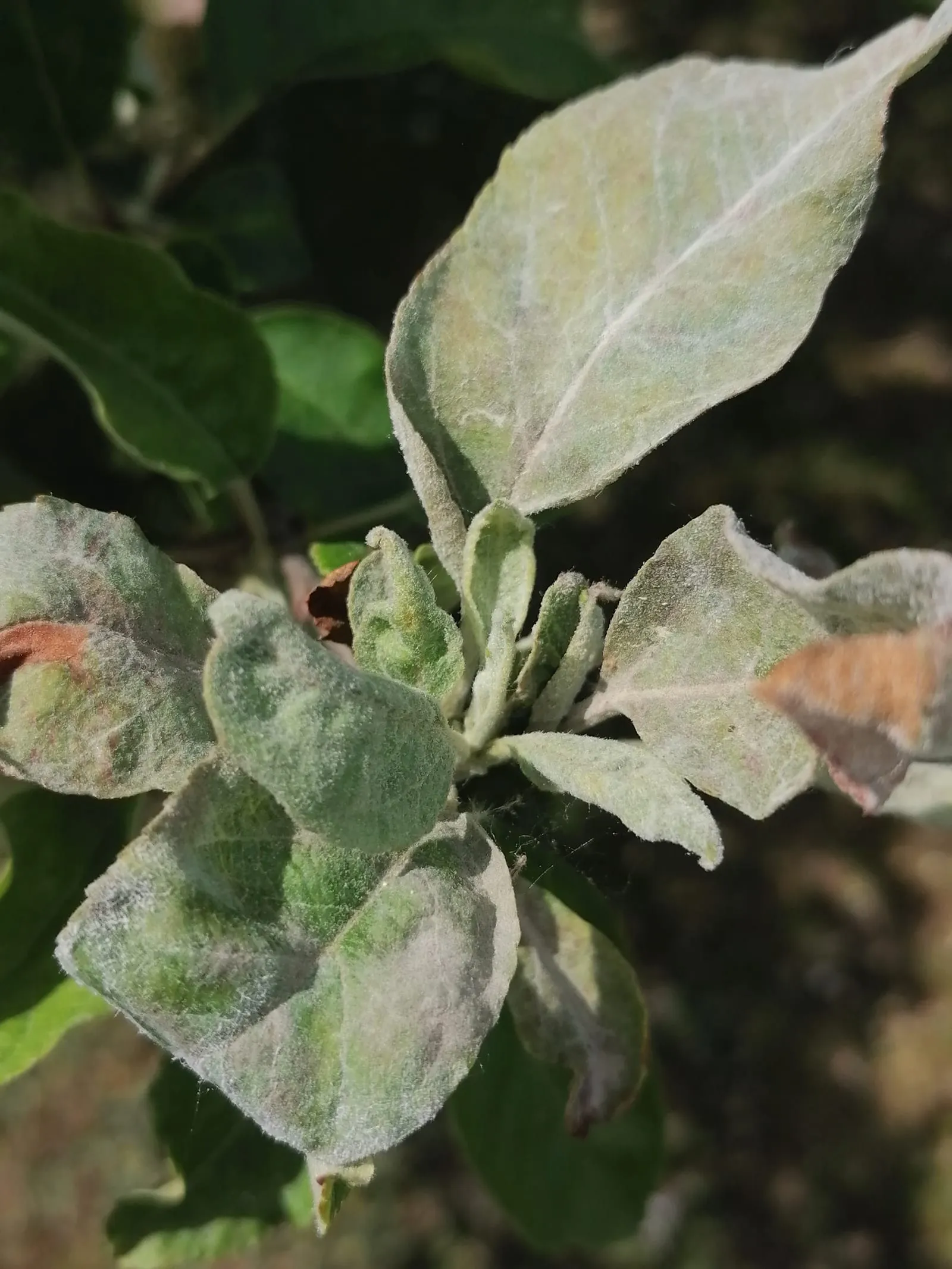
Podosphaera leucotricha
Surface-feeding fungal disease that distorts new growth and reduces yields.
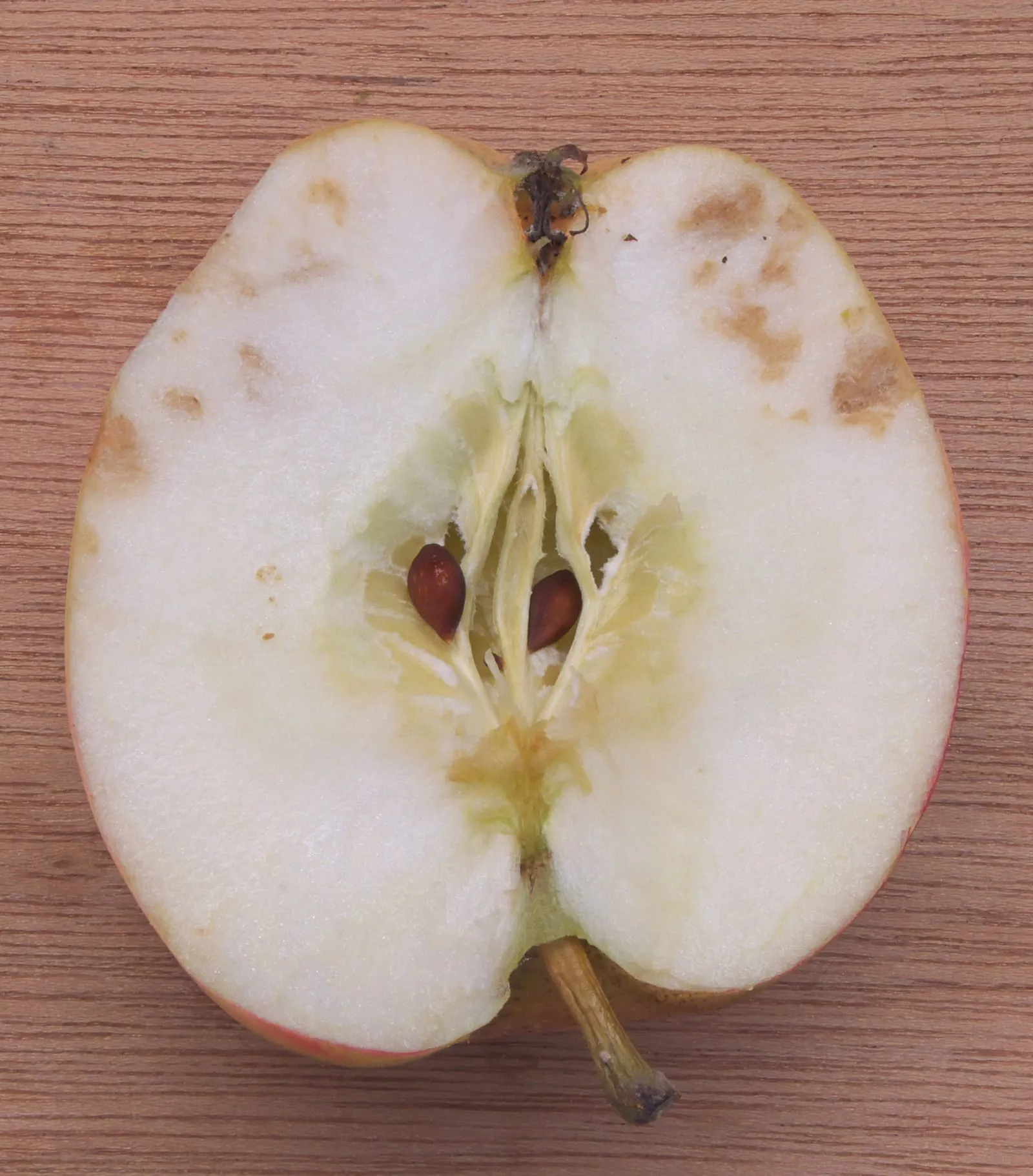
Physiological disorder
Damage from direct intense sun exposure on fruit or bark, particularly on plants suddenly exposed by pruning, defoliation, or hot weather. Distinct from sunburn (which is reversible).
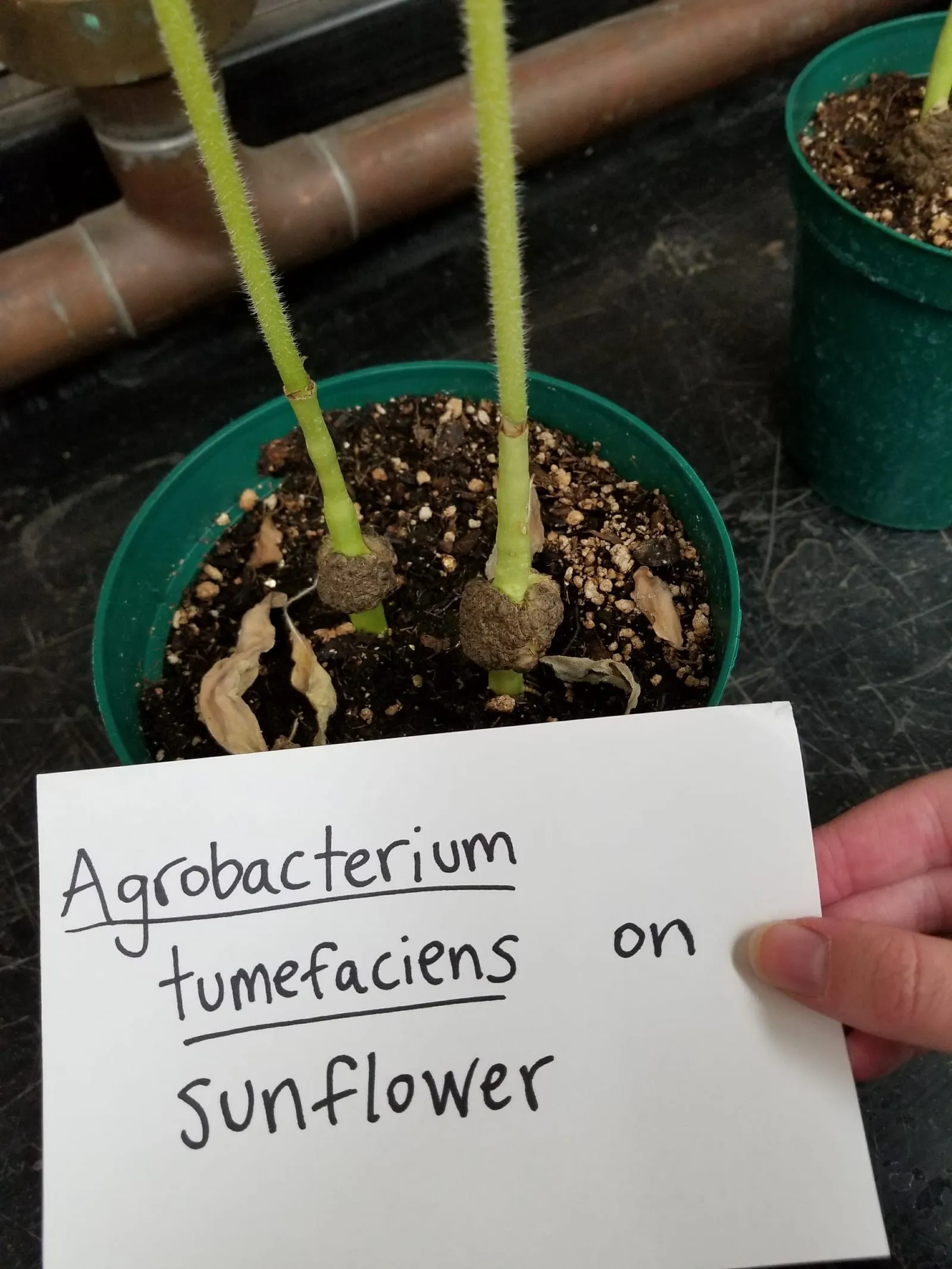
Agrobacterium tumefaciens
Soil-borne bacterium that enters plants through wounds and induces tumor-like galls on roots, crown, and lower stems. Galls reduce vigor and shorten plant lifespan; on Rubus the disease is often fatal.
Modified care for zone 9a
Fire blight is the dominant disease concern in zone 9a. The warm, often humid spring conditions across much of the zone create favorable conditions for infection during bloom, and the long 290-day growing season extends the window during which copper-based or streptomycin sprays may be needed. Timing applications to early bloom is standard practice; in zone 9a that bloom can come in January or February, earlier than growers accustomed to cooler climates would expect.
Apple scab and powdery mildew both persist longer in the sustained warmth of a zone 9a season. Fungicide programs need to run later into summer than they would in zones 5 through 7.
Beyond disease, variety selection is the single most important management decision here. Anna is the established low-chill option; planting any standard-chill variety in zone 9a is unlikely to succeed. Growers can also improve outcomes by siting trees on north-facing slopes or in spots with natural shade during afternoon hours, which helps concentrate the limited winter chill available. Irrigation during summer fruiting is essential, as heat stress during June and July can cause premature drop.
Frequently asked questions
- Can standard apple varieties like Honeycrisp or Fuji grow in zone 9a?
Standard varieties like Honeycrisp and Fuji require 800 to 1,000 chill hours, far more than zone 9a typically provides. Planting them in zone 9a will generally result in erratic dormancy, poor bloom, and little to no fruit. Anna, a confirmed low-chill variety, is the practical option in this zone.
- What chill hours does zone 9a actually accumulate?
Zone 9a typically accumulates 200 to 400 chill hours per winter, with considerable year-to-year variation. Warm winters can push the total below 200 hours, which falls short even for the lowest-chill apple varieties.
- When does the Anna apple harvest in zone 9a?
Anna typically ripens in June to early July in zone 9a, earlier than apple harvest in most of the country. The long, warm growing season accelerates development from bloom to ripe fruit.
- How serious is fire blight for apples in zone 9a?
Fire blight is the primary disease threat. Zone 9a's warm, humid spring conditions are close to ideal for Erwinia amylovora infection during bloom. Copper or streptomycin applications timed to early bloom are standard management, and the long growing season means the infection window is extended compared to cooler zones.
+−
+−
+−
+−
Apple in adjacent zones
Image: "Malus domestica 'Stark's Earliest'. Locatie De Kruidhof 02", by Dominicus Johannes Bergsma, via Wikimedia Commons, licensed under CC-BY Source.

Related